
Navigating Your Pre-Colonoscopy Diet: Delicious White Food Options for Home and Restaurants
Simple, compliant, and satisfying meal ideas for your four-day white diet, making your colonoscopy prep smoother.
Preparing for a colonoscopy requires careful attention to your diet, especially in the days leading up to the procedure. You've been advised to follow a "white diet" for four days, avoiding seeds, nuts, strong-coloured meats (like red meat or dark poultry), and strong-coloured vegetables (such as tomatoes). This diet is a type of low-residue, low-fiber plan designed to help cleanse your bowel effectively, ensuring the clearest possible view during your examination. This guide will provide you with comprehensive suggestions for what you can eat at home and safely order from cafes and restaurants.
Essential Highlights for Your White Diet
- Focus on Pale and Plain: The core principle is to consume white or light-coloured foods that are easily digestible. Think white bread, white rice, plain pasta, skinless white poultry, and white fish.
- Avoid Colour and Fiber: Strictly exclude foods with strong colours (like tomatoes, beetroot, spinach), as well as seeds, nuts, whole grains, and most raw fruits and vegetables, as these can leave residue or stain the colon.
- Communicate Clearly When Dining Out: When ordering at cafes or restaurants, specify your dietary needs. Ask for plain preparations, no colourful sauces or garnishes, and confirm ingredients.
Understanding the "White Diet" for Colonoscopy Preparation
The "white diet" is a specific dietary regimen prescribed before a colonoscopy. Its primary goal is to minimize the amount of undigested food (residue) and fibre in your digestive tract. This helps ensure your colon is as clean as possible, which is crucial for a successful and accurate colonoscopy. By eating only white or light-coloured foods, you also avoid substances that could stain the colon lining, potentially obscuring the view for your doctor.
For your four-day plan, consistency is key. The diet typically involves:
- Consuming refined grains instead of whole grains.
- Choosing lean, light-coloured proteins.
- Including certain dairy products (if tolerated and plain).
- Severely limiting or avoiding most fruits and vegetables, especially those with skins, seeds, or strong colours.
Permitted Foods: Your Go-To List
Here’s a breakdown of foods generally allowed on a white diet. Always double-check any specific instructions provided by your healthcare provider.
Proteins (Light-Coloured and Lean)
- Poultry: Skinless chicken breast or turkey breast (well-cooked, e.g., boiled, steamed, or grilled plain).
- Fish: White fish such as cod, haddock, sole, or tilapia (baked, steamed, or grilled plain, no rich sauces or breading with seeds/herbs).
- Eggs: Boiled, poached, or scrambled (ensure no added colourful spices or vegetables). Egg whites are excellent.
- Tofu: Plain tofu can be included if prepared simply (steamed or boiled).
Grains (Refined)
- Bread: Plain white bread, white rolls, plain white bagels (check for no seeds). High-fiber white bread (like some "Wonder White" types) might be allowed if specified by your doctor, but generally, lower fiber is better.
- Rice: Plain white rice.
- Pasta: Plain white pasta or noodles.
- Cereals: Refined white cereals like Rice Krispies, Cornflakes (plain versions). Semolina or cream of wheat made with water or milk.
- Crackers: Plain white crackers (e.g., saltines, rice crackers without seeds).
Dairy and Alternatives
- Milk: Cow's milk (low-fat or skim is often preferred), soy milk, rice milk.
- Yogurt: Plain, unflavoured yogurt (no fruit pieces, seeds, granola, or colouring). Vanilla yogurt may be acceptable if it’s white.
- Cheese: Mild white cheeses like mozzarella, cottage cheese, ricotta, or plain cream cheese in moderation.
Vegetables (Limited and Prepared Specifically)
Most vegetables are excluded, but some very pale, well-cooked, and peeled options might be permissible in small quantities if your doctor allows:
- Potatoes: Peeled white potatoes (boiled or mashed, no skin). Avoid fries due to high fat and potential for browning.
- Cauliflower: Plain, steamed, or boiled white cauliflower florets (no cheese sauce with colour).
- Mushrooms: Plain, cooked white mushrooms (small amounts).
- Onions & Garlic: Cooked, in small amounts for flavour if tolerated and not causing issues.
Fruits (Very Limited and Prepared Specifically)
Similar to vegetables, most fruits are out. If allowed by your doctor:
- Bananas: Ripe bananas (often suggested as they are pale and soft).
- Pears: Peeled, ripe pears (canned or well-cooked without skin).
Fats and Oils
- Butter, margarine, mayonnaise (plain, light-coloured versions) in small amounts.
- Clear vegetable oils.
Desserts and Snacks (Plain and Light-Coloured)
- Plain Jell-O (gelatin) – only lemon, lime (if clear), or unflavoured. Avoid red, orange, purple, or blue.
- Vanilla ice cream or custard (plain, no fruit, nuts, or colourful swirls).
- Plain rice cakes.
- White chocolate in small amounts (if permitted).
Drinks
- Water (lots of it!).
- Clear broths (chicken, vegetable – strained, no solid pieces unless it's plain rice/pasta).
- Herbal teas (light-coloured, ensure no fruit pieces or strong colours).
- Clear, light-coloured sports drinks or electrolyte solutions (check for forbidden colours).
Foods to Strictly Avoid
This list is crucial for ensuring your colon is properly prepped:
- Seeds and Nuts: All types, including those in bread, crackers, or as toppings.
- Strongly Coloured Meats: Red meats (beef, lamb, pork), processed meats (sausages, bacon, ham unless very plain and pale), dark poultry meat.
- Strongly Coloured Vegetables: Tomatoes (and tomato-based sauces), spinach, kale, carrots, bell peppers, beetroot, corn, peas, beans, lentils. Basically, avoid all green, red, orange, yellow, purple vegetables unless specifically white and approved.
- Whole Grains: Brown rice, whole wheat bread/pasta, oats, quinoa, barley, rye.
- Raw Vegetables and Most Cooked Vegetables: Salads, coleslaw, etc.
- Fruits: All fruits with skins, seeds, or strong colours (berries, oranges, apples with skin, plums, grapes, dried fruits).
- High-Fibre Foods: Bran, legumes, popcorn.
- Coloured or Rich Sauces and Condiments: Ketchup, mustard (unless very pale), BBQ sauce, soy sauce (dark), curry, pesto, pickles, relish.
- Spices and Herbs with Colour: Paprika, turmeric, chilli powder, fresh herbs like parsley or coriander if in large amounts or adding colour. Stick to salt and white pepper if needed.
- Coloured Drinks: Red, orange, purple, or blue juices; coffee (some allow black coffee, others restrict – check with your doctor); dark sodas; red wine; alcohol in general during prep.
- Fatty/Fried Foods: These can slow digestion.
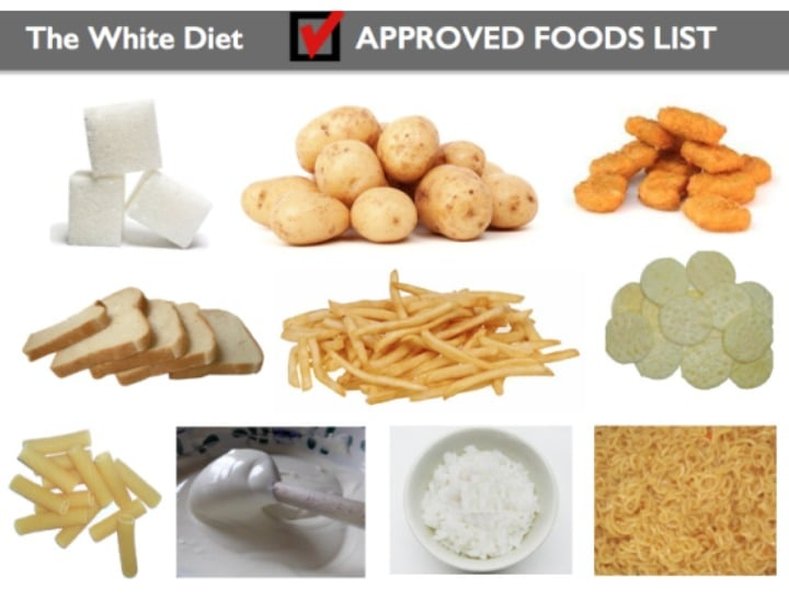
A visual example of foods typically allowed on a white diet.
Meal Ideas for Your White Diet
At Home Suggestions
Breakfast:
- Scrambled eggs (made with milk, seasoned lightly with salt) and a slice of plain white toast with a thin layer of butter or light mayonnaise.
- Plain white rice cereal (like Rice Krispies) with milk.
- Plain, unflavoured yogurt (or vanilla if white) with a ripe banana.
- Plain white bagel (no seeds) with cream cheese.
- Semolina or cream of wheat made with water or milk, sweetened lightly with white sugar if desired.
Lunch:
- Sandwich on white bread with sliced, well-cooked skinless chicken or turkey breast and light mayonnaise (no lettuce, tomato, or other fillings).
- Plain white pasta with a touch of butter or olive oil and salt. Perhaps with some plain, cooked white fish.
- Clear chicken or vegetable broth with plain white rice or noodles.
- Mashed peeled potatoes with a small piece of steamed white fish.
Dinner:
- Grilled or baked skinless chicken breast with plain white rice and steamed cauliflower (if allowed).
- Steamed or baked white fish (cod, haddock) with plain mashed potatoes (no skin).
- Plain white pasta with a very simple, uncoloured butter sauce and perhaps some plain tofu.
- Egg drop soup made with clear broth and egg whites.
Snacks:
- Plain rice cakes or white crackers (no seeds).
- A glass of milk or plain yogurt.
- Plain vanilla ice cream or custard.
- Jell-O (lemon or other approved clear/light colour).
- A ripe banana.
Ordering from Cafes and Restaurants
Dining out can be tricky, but not impossible. Communication is key. Many restaurants are accommodating if you explain your dietary needs for a medical procedure.
General Tips for Ordering:
- Call Ahead or Check Online: Review the menu beforehand. Some restaurants have allergen or special diet menus.
- Be Specific and Clear: Explain you're on a temporary "white diet" for a medical reason and need plain, light-coloured food without seeds, nuts, or colourful vegetables/sauces.
- Ask About Preparation: Inquire how dishes are cooked. "Plain grilled," "steamed," or "boiled" are good keywords.
- Request Modifications: Don't hesitate to ask for sauces on the side (and then avoid them if coloured), or for vegetables to be omitted or swapped for plain white rice/potatoes.
- "Plain" is Your Friend: Emphasize "plain" for everything – plain chicken, plain rice, plain toast.
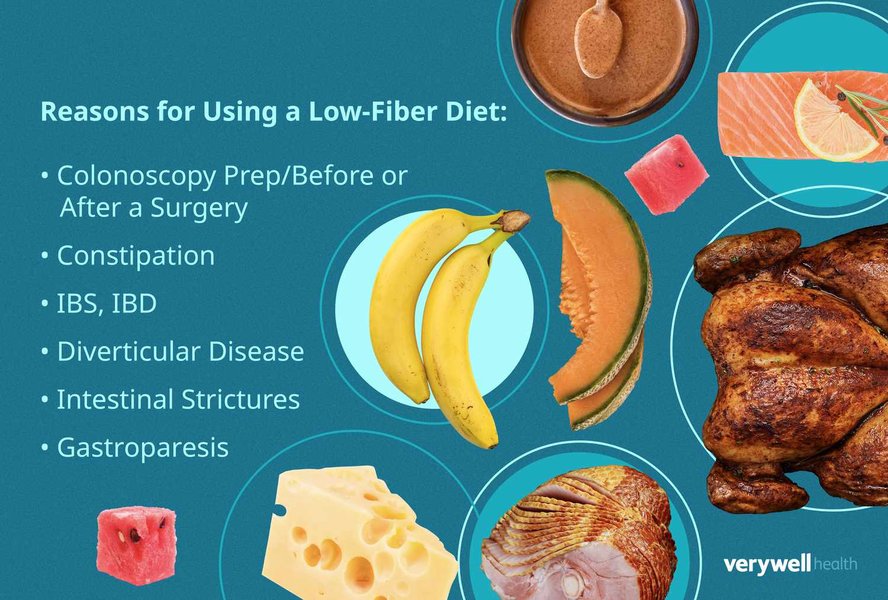
Various low-fiber foods, many of which align with the principles of a white diet.
Cafe/Restaurant Meal Examples:
- Breakfast:
- Scrambled or poached eggs with plain white toast (request no garnish, no whole-grain toast).
- Plain white bagel with cream cheese.
- A bowl of plain yogurt (ensure no fruit or granola is added).
- Plain pancakes or crepes (ask for no fruit toppings; clear syrup might be okay, but plain is safest).
- Lunch/Dinner:
- Grilled chicken breast or turkey breast: Ask for it to be cooked plain, without marinades, spices, or sauces. Pair with a side of plain white rice or plain mashed potatoes (confirm no skins or colourful seasonings).
- Steamed or grilled white fish (cod, tilapia, haddock): Again, request it plain.
- Plain pasta: Ask for pasta with just butter or olive oil and salt. Specify NO tomato sauce, pesto, or creamy sauces with cheese that might have colour.
- Chicken or turkey sandwich on white bread: Ensure only plain cooked chicken/turkey and perhaps a thin layer of mayo. No salad, tomato, pickles, or seeded mustard.
- Clear broth-based soups: If they have a simple chicken noodle soup with white noodles and clear broth, this could work if you confirm no added vegetables.
- Desserts/Snacks:
- Vanilla ice cream or a plain vanilla milkshake.
- Plain custard or white pudding.
Comparing White Diet Food Categories
To help you visualize the suitability of different food groups within the white diet, the radar chart below provides an opinionated comparison based on key factors for colonoscopy preparation. These are general assessments and individual food choices within categories matter.
This chart highlights that refined grains and lean white proteins generally score high on digestibility, color compliance, low residue, and restaurant availability when prepared plainly. Dairy is also good, while accepted vegetables and fruits, due to their more restrictive nature and preparation needs, score slightly lower, particularly in restaurant availability for truly plain versions.
White Diet Food Summary Table
Here's a quick reference table summarizing key permitted and restricted foods:
| Category | Permitted Foods (Examples) | Foods to Strictly Avoid (Examples) |
|---|---|---|
| Proteins | Skinless chicken/turkey breast (plain), white fish (cod, haddock), eggs, plain tofu | Red meat, dark poultry meat, processed meats (sausages, bacon), fish with strong colours, nuts, seeds |
| Grains | White bread, white rice, white pasta, plain white crackers, refined white cereals (Rice Krispies, Cornflakes) | Whole-grain bread/pasta/cereals, brown rice, quinoa, oats, bread/crackers with seeds or nuts |
| Dairy & Alternatives | Milk, plain yogurt (no fruit/colour), mild white cheeses (cottage cheese, mozzarella), plain cream cheese, soy milk | Yogurt with fruit, seeds, or colouring; strong or coloured cheeses |
| Vegetables | Peeled white potatoes (boiled/mashed), plain cooked cauliflower, plain cooked white mushrooms (small amounts) | Tomatoes, spinach, carrots, beetroot, corn, peas, beans, all raw vegetables, most coloured vegetables |
| Fruits | Ripe bananas, peeled ripe pears (if allowed) | All berries, oranges, apples with skin, fruits with seeds or strong colours, dried fruit |
| Drinks | Water, clear broths, light-coloured herbal teas, milk | Coloured juices (red, orange, purple), coffee (unless specified by doctor), dark sodas, alcohol |
| Fats/Seasonings | Butter, light mayonnaise, clear oils (small amounts), salt, white pepper | Coloured spices (paprika, turmeric), rich sauces, ketchup, mustard (coloured), soy sauce |
Visualizing Your Diet: A Mindmap Overview
To help you grasp the core components of the white diet at a glance, this mindmap outlines its purpose, key principles, allowed and avoided foods, and strategies for eating out.
Helpful Video Resource
Understanding what to eat and avoid can be made easier with visual guides. The following video provides a good overview of low-fibre and white diets, which are central to colonoscopy preparation. It discusses food lists and can help reinforce the principles outlined here.
This video, "diet what to eat and avoid (Low Fibre and White Diet... (Full Food List))", directly addresses the types of foods suitable for a pre-colonoscopy diet, aligning with the "white diet" principles by focusing on low-fibre options and listing permissible foods.
Frequently Asked Questions (FAQ)
Why is a white diet necessary before a colonoscopy?
You mentioned a four-day diet. Is this a standard duration?
Can I drink coffee or tea on this diet?
What about seasonings and condiments?
Are all white-coloured foods automatically okay?
Conclusion
Following your prescribed four-day white diet is a critical step in preparing for a successful colonoscopy. By carefully selecting plain, light-coloured, low-residue foods and avoiding seeds, nuts, and strongly coloured items, you help ensure your colon is clean for the examination. While it may seem restrictive, focusing on the permitted foods and planning your meals—whether at home or when dining out—can make the process manageable. Always communicate your dietary needs clearly when ordering from cafes or restaurants, and remember that these dietary changes are temporary and for an important medical reason.
Recommended Further Exploration
- What is a sample 4-day meal plan for a low-residue diet before a colonoscopy?
- How can I manage hunger effectively while on a restrictive pre-colonoscopy diet?
- What are the guidelines for the clear liquid diet phase of colonoscopy preparation?
- What dietary recommendations should I follow immediately after my colonoscopy procedure?
Search Results & References
The following sources were consulted to provide a comprehensive answer to your query: