
Comprehensive Guide to Combining Results
Effective Strategies and Best Practices for Integrating Diverse Data Outcomes
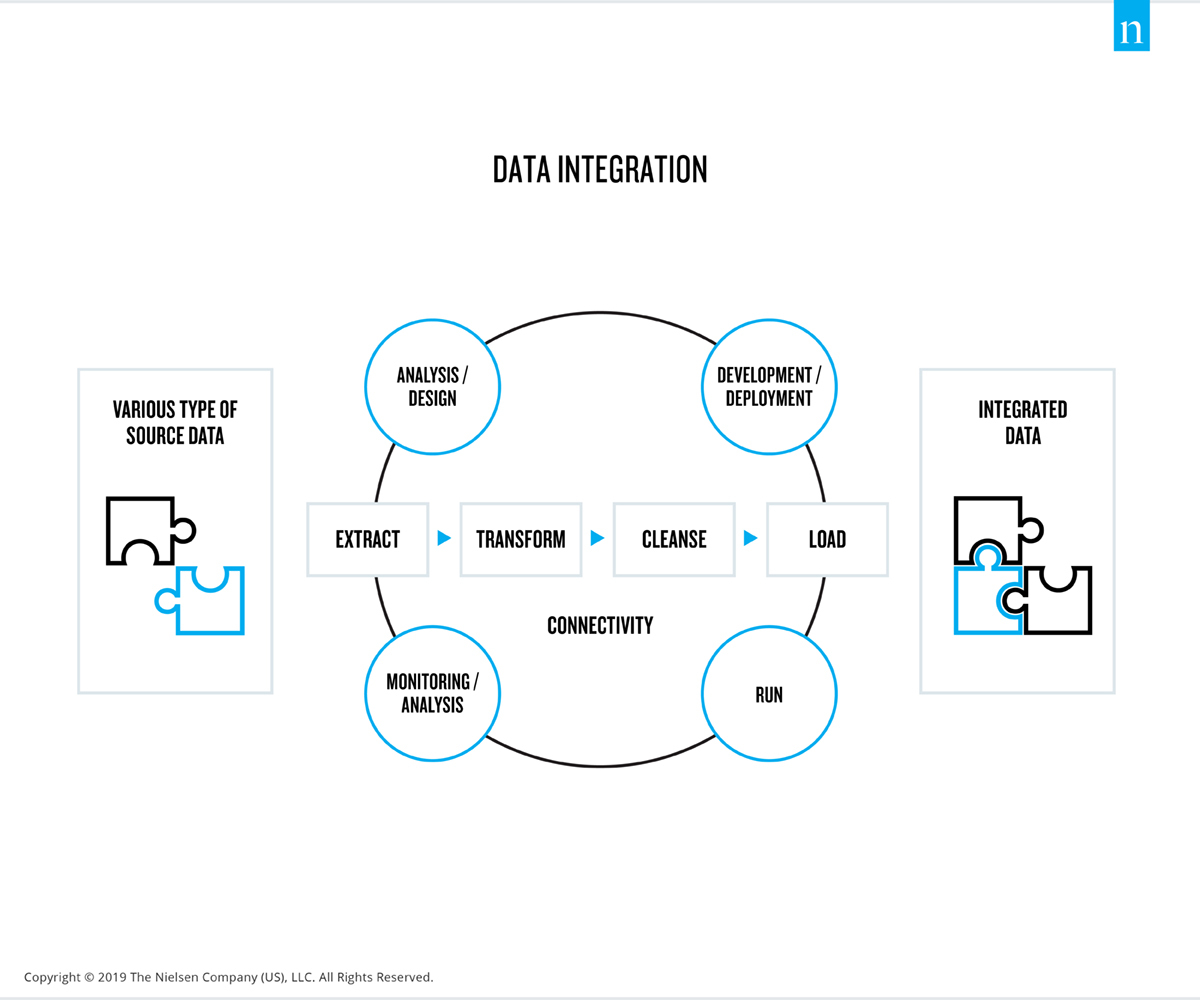
Key Takeaways
- Understand the context and objectives before selecting a combination method.
- Ensure data quality and consistency to avoid biases and inaccuracies.
- Choose appropriate techniques tailored to the specific type of data and desired outcomes.
Introduction
Combining results is a fundamental aspect of data analysis, research synthesis, and decision-making processes across various disciplines. Whether integrating data from multiple sources, aggregating findings from numerous studies, or merging outputs from different experiments, the ability to effectively combine results ensures a more comprehensive and accurate understanding of the subject matter.
This guide delves into the diverse methodologies for combining results, the considerations to account for, the challenges that may arise, and best practices to enhance the integrity and utility of the combined data.
Methods for Combining Results
1. Meta-Analysis
Meta-analysis is a statistical technique used to synthesize results from multiple independent studies addressing the same research question. By aggregating data, meta-analysis aims to provide a more precise estimate of the effect size or outcome, thereby enhancing the statistical power and generalizability of the findings.
Applications
- Assessing the effectiveness of medical treatments across various clinical trials.
- Evaluating the impact of educational interventions in different settings.
- Understanding behavioral trends by combining psychological studies.
2. Data Merging Techniques
Data merging involves combining two or more datasets into a unified database. This process can include adding new variables, appending cases or observations, or removing duplicates. Various joining methods are employed based on the desired outcome and the nature of the datasets.
Common Joining Methods
| Join Type | Description | Use Case |
|---|---|---|
| Inner Join | Returns records with matching values in both datasets. | When only overlapping data is relevant. |
| Left Join | Returns all records from the left dataset and matched records from the right. | When retaining all entries from the primary dataset is necessary. |
| Right Join | Returns all records from the right dataset and matched records from the left. | When retaining all entries from the secondary dataset is necessary. |
| Full Outer Join | Returns all records when there is a match in either dataset. | When combining all data points irrespective of matches. |
Tools for Data Merging
- Pandas and Polars libraries in Python for flexible data manipulation.
- SQL joining techniques for relational databases.
- R's
merge()function for statistical computing.
3. Mixed Methods Research
Mixed methods research integrates both qualitative and quantitative data to provide a more comprehensive understanding of research problems. This approach leverages the strengths of both data types, validating findings and exploring complex issues from multiple perspectives.
Benefits
- Enhances the depth and breadth of analysis.
- Facilitates triangulation, increasing the validity of results.
- Enables exploration of diverse aspects of a research question.
4. Data Blending
Data blending involves combining data from multiple sources to create a more meaningful and insightful dataset than any single source could provide. This technique is particularly useful in business intelligence and analytics, where integrating disparate data sources can uncover hidden patterns and trends.
Use Cases
- Integrating sales data with customer feedback to improve product offerings.
- Combining social media metrics with website analytics for comprehensive marketing strategies.
- Merging financial data with operational metrics to optimize business performance.
5. Ensemble Learning Techniques
In machine learning, ensemble methods combine multiple models to produce a more accurate and robust predictive performance. Techniques such as bagging, boosting, and stacking leverage the strengths of individual models while mitigating their weaknesses.
Common Ensemble Methods
-
Bagging: Reduces variance by training multiple models on different subsets of data and averaging their predictions.
-
Boosting: Focuses on correcting the errors of previous models by giving more weight to difficult cases.
-
Stacking: Combines multiple models by training a meta-model to aggregate their predictions.
Key Considerations When Combining Results
1. Data Quality and Consistency
Ensuring the quality and consistency of data is paramount when combining results. This involves thorough data cleaning to address missing values, duplicates, and inconsistencies. Consistent data formatting and standardized measurement units facilitate seamless integration and reliable outcomes.
2. Understanding Data Structure and Objectives
A deep understanding of the data structures and the objectives behind combining results guides the selection of appropriate methods. Clarifying whether the goal is to enhance statistical power, uncover new insights, or improve predictive accuracy informs the integration strategy.
3. Managing Potential Biases
Biases can be introduced at various stages of data combination, such as through selection bias or measurement bias. It is crucial to identify and mitigate these biases to maintain the integrity and validity of the combined results.
4. Handling Missing or Incomplete Data
Missing data poses significant challenges in data integration. Techniques such as imputation, data augmentation, or the use of algorithms robust to missingness can help address gaps without compromising the overall analysis.
5. Selecting Appropriate Combination Techniques
The choice of combination techniques should align with the nature of the data and the specific research or analysis objectives. Whether employing statistical methods, machine learning ensembles, or data merging strategies, the selected approach must enhance the analysis without introducing complexity or error.
Practical Approaches to Combining Results
1. For Research Studies: Meta-Analysis
Meta-analysis serves as a cornerstone in synthesizing research findings. By pooling data from multiple studies, researchers can derive more robust conclusions, identify patterns, and resolve discrepancies among individual research outcomes.
2. For Machine Learning: Ensemble Methods
Ensemble learning enhances predictive performance by combining multiple models. This approach leverages the diversity of individual models to achieve superior accuracy, robustness, and generalization compared to single-model predictions.
3. For Data Analysis: Data Merging Techniques
In data analysis, merging datasets using appropriate join methods facilitates comprehensive analysis. By integrating relevant datasets, analysts can perform more nuanced and insightful examinations of the data.
Potential Challenges in Combining Results
1. Data from Different Sources
Integrating data from diverse sources can lead to compatibility issues such as differing formats, structures, or standards. Harmonizing these differences requires careful preprocessing and standardization to ensure seamless integration.
2. Managing Biases
Biases inherent in individual datasets can be amplified when combined. It is essential to identify sources of bias and apply corrective measures to maintain the objectivity and reliability of the final combined results.
3. Ensuring Data Consistency
Maintaining consistency across combined datasets is critical for accurate analysis. Inconsistencies can arise from varying data collection methods, definitions, or temporal discrepancies, necessitating meticulous data alignment.
4. Dealing with Missing or Incomplete Information
Incomplete data can skew results and reduce the validity of the analysis. Implementing robust strategies to address missing information ensures that the combined data remains comprehensive and representative.
Best Practices for Combining Results
1. Thorough Data Cleaning
Prior to combining datasets, perform extensive data cleaning to eliminate errors, handle missing values, and standardize formats. This foundational step enhances the quality and reliability of the combined data.
2. Clear Documentation of Processes
Documenting the methods and processes employed in combining results ensures transparency and reproducibility. Clear documentation facilitates future reviews and enables other researchers or analysts to understand and replicate the integration process.
3. Selecting Appropriate Tools and Techniques
Utilize tools and techniques that are well-suited to the nature of the data and the objectives of the analysis. Leveraging the right methodologies enhances efficiency and accuracy in the combination process.
4. Validating Combined Results
After combining results, validate the integrated data to ensure integrity and accuracy. Validation techniques such as cross-verification with original datasets, statistical tests, or model performance assessments can confirm the reliability of the combined outcomes.
5. Considering Ethical Implications
When combining data, especially from sensitive or personal sources, consider ethical implications related to privacy, consent, and data security. Adhering to ethical standards safeguards the rights and interests of data subjects.
Conclusion
Combining results is an intricate yet essential process in data analysis, research synthesis, and various other fields. By employing appropriate methods such as meta-analysis, data merging, mixed methods research, or ensemble learning, practitioners can derive more nuanced and comprehensive insights from their data. However, the process demands meticulous attention to data quality, consistency, and potential biases to ensure the integrity and validity of the combined results. Adhering to best practices and being mindful of ethical considerations further enhances the effectiveness and reliability of the integration process.
References
Last updated February 10, 2025