
Unlocking the Best Commercial One-Color Digital Press
Discover advanced high-speed printing solutions for variable QR and serial data
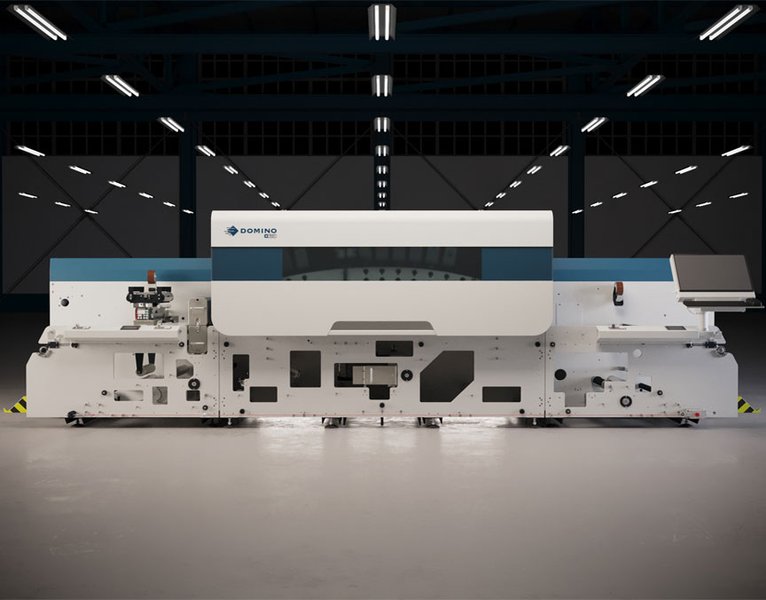
Key Highlights
- Speed & Efficiency: Machines achieving 150 pages per minute with robust duty cycles.
- Variable Data Excellence: Seamless support for QR codes and serial numbers via integrated software.
- Commercial Reliability: Durable, high-resolution one-color printing ideal for commercial print environments.
Overview
When considering the selection of a commercial one-color digital printing machine capable of producing 150 pages per minute, it is essential to evaluate not only the peak speed of printing but also the machine's ability to manage variable data, including QR codes and serial numbers. This comprehensive guide presents an analysis of critical factors, machine options, and the necessary supporting technology to help businesses make an informed decision. Our focus is on delivering a solution that balances speed, efficiency, variable data functionality, and cost-effectiveness.
Critical Factors for Selection
1. Print Speed and Volume
For commercial operations, achieving a print speed of 150 ppm is crucial; it translates into exceptional throughput and rapid turnaround. The printer must be engineered to maintain consistency under high-volume conditions and must routinely operate within lengthy printing sessions. Machines such as the RISO ComColor X1 9150, Xerox iGen 150 Press, and certain high-end Ricoh models are capable of sustaining these rates. In addition, print speed should not compromise resolution; high-quality output is essential, especially when printing variable data.
2. Variable Data Printing (VDP)
Modern digital presses must seamlessly integrate variable data printing (VDP) functionalities. This technology enables the incorporation of unique elements like QR codes and serial numbers in each printed piece utilizing dedicated software that interacts with a central database. Functionalities include:
- Automated data feed management
- Real-time QR code and barcode generation
- Personalization and serial number accuracy
Variable data is critical for industries such as direct marketing, logistics, and security printing, where each item must be uniquely identifiable. Having a machine that natively supports these technologies reduces manual oversight and improves overall operational efficiency.
3. Print Quality and Resolution
Maintaining a minimum resolution of 1200 x 1200 dpi ensures the fidelity required for detailed graphics like QR codes. High resolution is particularly important in one-color printing contexts, as there is less flexibility to compensate for any imperfections. Digital presses must produce crisp, clear outputs even at high speeds.
4. Media Handling and Flexibility
A versatile digital press should be compatible with various media types, including standard paper stocks, labels, and even thicker substrates. This versatility ensures that the print machine can adapt to diverse commercial requirements. Many high-speed printers offer options for inline finishing processes such as lamination, die-cutting, and even folding that align with customized commercial output needs.
5. Cost of Ownership
While the initial investment is a significant consideration, the overall cost of ownership must include consumable expenses, maintenance, and operational downtime. Machines that promise both high speed and variable data versatility must also deliver long-term reliability. Manufacturers like Xerox, Ricoh, and HP Indigo have established support structures and service contracts that contribute to cost-effectiveness over time.
Machine Options & Comparative Analysis
Several digital printing solutions have emerged as leading candidates for commercial one-color printing at speeds reaching 150 pages per minute. Below is a comprehensive table that compares key attributes of the top contenders:
Comparison Table of Selected Digital Presses
| Machine Model | Print Speed | Resolution | Variable Data Support | Media Flexibility | Special Features |
|---|---|---|---|---|---|
| RISO ComColor X1 9150 | 150 ppm | High (suitable for QR codes) | Integrated VDP capabilities | Wide range including label feeds | Fast switching, inline finishing |
| Xerox iGen 150 Press | 150 ppm | Up to 2400 x 2400 dpi | Robust VDP system with variable data servers | Handles larger sheet sizes | Advanced workflow integration |
| Ricoh Pro VC70000/VC80000 | High-speed continuous feed | 1200 x 600 dpi (adjustable) | Comprehensive variable data printing | Multiple media types including labels | Inkjet technology with automation |
| HP Indigo 7K Digital Press | Up to 160 color pages (2-up mode) [adaptable for one-color] | High resolution for premium outputs | Advanced VDP, handling serial numbers | Excellent versatility | Inline finishing, reliable operation |
| Brother Workhorse Series (selected models) | Variable (40+ ppm) | Optimized for clarity on one-color prints | Support for variable data printing software | Spreadsheet and label printing focus | Duplex capabilities for efficiency |
This table provides a comparative overview that underscores the importance of matching a machine’s technical capabilities with specific operational requirements. Whether the focus is on raw speed, resolution or flexible media handling, each option has unique strengths that merit further evaluation based on your specific commercial needs.
Advanced Features and Integration
Beyond the baseline attributes of speed and variable data, modern digital presses integrate a host of advanced features to optimize print workflows. These features include:
Software Integration
Digital presses often come bundled with sophisticated management software that facilitates the integration of variable data in real time. These software suites enable easy uploading of data streams from external databases, design template modification, and the generation of QR codes or serial numbers on the fly. The interface is typically user-friendly and supports powerful batch processing options.
Inline Finishing Options
Inline finishing refers to automated processes that occur immediately after printing, such as lamination, cutting, or binding. For instance, the RISO ComColor X1 9150 and HP Indigo presses often offer inline finishing options that not only reduce overall production time but also ensure that every print meets your quality standards without needing additional manual intervention.
Durability and Maintenance
In a commercial setting, machine durability and minimal downtime are crucial. Manufacturers like Xerox and Ricoh design their presses to work continuously in high-demand environments. The monthly duty cycle—the total number of pages a machine can defy—should be a key factor in your decision-making process. More robust machines typically support extensive duty cycles, ensuring that they can handle heavy print volumes while remaining reliable over long periods.
Customization for One-Color Use
Although many advanced digital presses are designed for full-color applications, many can be tailored for one-color printing. This is particularly important if your workflow requires high-efficiency, monochrome outputs without sacrificing quality. Customizing settings, reducing ink complexity and streamlining maintenance, results in an optimized process dedicated specifically to one-color production.
Visualizing Machine Capability with Analytics
To help visualize the capabilities of these printers, we present a radar chart that illustrates key performance factors such as print speed, resolution, variable data support, media versatility, and overall operational reliability. This visual representation provides an opinionated synthesis of the strengths of each machine relative to these criteria.
Conceptualizing the Workflow: A Mindmap View
To illustrate and integrate the various criteria involved in selecting the ideal printing machinery, the following mindmap diagram displays the interconnected factors ranging from speed and quality to media flexibility and advanced VDP functionality.
Supplementary Content: Embedded Video Insights
For additional visual insights into the state-of-the-art digital presses and VDP capabilities, below is an embedded video that provides a real-world look at advanced digital printing technology in action. This resource demonstrates how high-speed commercial presses are integrated with variable data workflows.
FAQs
References
- RISO ComColor X1 9150 - Riso
- Xerox Digital Presses - Xerox
- Ricoh Pro VC Series - Carter Printing
- HP Indigo 7K Digital Press - HP
- Sharp Pro Series - Sharp USA
Related Queries
 amazon.com
Last updated March 31, 2025