
A Comprehensive Review of Commiphora mukul and Its Medicinal Uses
Exploring the therapeutic potential and phytochemistry of Guggul
Key Highlights
- Traditional and Modern Uses: Guggul has been utilized for thousands of years in various traditional systems, and modern research supports its anti-inflammatory, lipid-regulatory, and antioxidant properties.
- Phytochemical Profile: The therapeutic properties are largely attributed to bioactive compounds such as guggulsterone, essential oils, and a diverse array of terpenoids and steroids.
- Safety and Efficacy: While generally safe for short-term use, clinical oversight is advised due to potential interactions and contraindications, particularly concerning thyroid activity and long-term safety.
Introduction
Commiphora mukul, widely known as Guggul, is a medicinal plant with a rich history of use in traditional medical systems such as Ayurveda, Unani, and Siddha. Native to India, Bangladesh, and Pakistan, this shrub or small tree belongs to the Burseraceae family and thrives in arid, rocky regions. Its gum resin has been traditionally harnessed for a vast range of therapeutic applications, spanning from anti-inflammatory and lipid-lowering effects to potential anticancer properties.
Botanical Description and Traditional Context
Botanical Characteristics
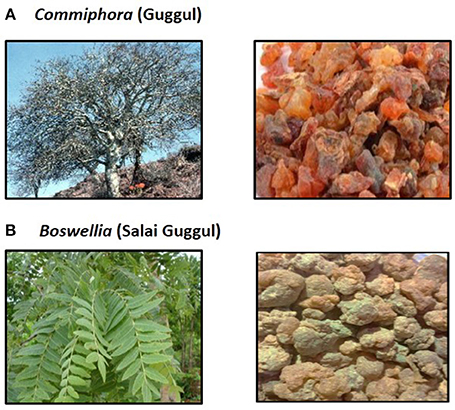
Commiphora mukul is characterized by its thin, papery bark and thorny branches. The plant adapts well to dry, arid environments, making it endemic to the arid and semi-arid regions of the Indian subcontinent. Historically, the identification and collection of its gum resin has been central to its use in traditional medicine.
Taxonomy and Distribution
Belonging to the Burseraceae family, Guggul is found predominantly in India, with its presence also noted in neighboring countries where traditional systems of medicine have relied on its therapeutic properties for centuries. Its resilience in harsh climates has ensured that its use remains prevalent even in areas where other medicinal plants are less abundant.
Historical and Traditional Uses
Guggul's longstanding usage in traditional medicine is well-documented. It has been traditionally employed for the treatment of a variety of disorders, including:
- Joint disorders and arthritis
- Heart diseases and lipid disorders
- Obesity and weight management
- Skin conditions including acne and various dermatological issues
- Thyroid dysfunctions, particularly hypothyroidism
- Inflammatory conditions and general detoxification
In Ayurvedic texts, this gum resin is noted for its deep penetration into body channels, helping to clear accumulated toxins. This historical usage provided the foundation for modern research into its diverse pharmacological properties.
Phytochemical Composition and Mechanisms of Action
Key Phytochemical Constituents
The medicinal activity of Commiphora mukul is largely attributable to its rich repository of bioactive compounds. Among the notable classes of phytochemicals present are:
- Terpenoids: Including monoterpenoids, diterpenoids, and triterpenoids
- Steroids: Particularly guggulsterone, which exists in Z- and E-isomer forms and is central to its therapeutic effects
- Flavonoids and Phytosterols
- Essential Oils: Contributing to its antimicrobial and anti-inflammatory effects
Guggulsterone, in particular, has been the focus of intensive study due to its ability to modulate nuclear receptors and inflammatory signaling pathways. Its steroidal structure underlies many of the anti-inflammatory and lipid-lowering properties, positioning it as a key component in treating hyperlipidemia and cardiovascular diseases.
Mechanisms of Action
Anti-Inflammatory Effects
Guggul exhibits significant anti-inflammatory activity, mediated through the inhibition of pro-inflammatory cytokines such as TNF-α and the suppression of prostaglandin synthesis. This inhibition curtails the inflammatory cascade in disorders like osteoarthritis and rheumatoid arthritis.
Lipid Regulation and Cardiovascular Health
One of the most well-recognized applications of Guggul is its hypolipidemic effect. The resin's ability to lower low-density lipoprotein (LDL) cholesterol and inhibit its oxidation plays a crucial role in the prevention of atherosclerosis. This lipid-regulating action contributes significantly to its use in managing cardiovascular disorders and hyperlipidemia.
Thyroid Function Stimulation
Emerging research indicates that guggulsterone can stimulate thyroid gland activity, which may be beneficial in cases of hypothyroidism. This thyroid-stimulatory effect is thought to enhance metabolic activity, further contributing to its weight management benefits.
Antioxidant and Antimicrobial Activities
The antioxidant potential of the bioactive compounds in Guggul helps in neutralizing free radicals, thereby reducing oxidative stress and preventing cellular damage. Additionally, its essential oils and associated compounds demonstrate antimicrobial properties, offering benefits in the treatment of skin infections and acne.
Therapeutic Applications and Health Benefits
Joint Disorders and Inflammation
One of the cornerstone applications of Commiphora mukul is in the treatment of joint disorders. Its anti-inflammatory attributes make it particularly effective against conditions such as osteoarthritis and rheumatoid arthritis. By inhibiting inflammatory mediators, Guggul helps reduce pain and improve joint mobility.
Cardiovascular Health
Guggul’s ability to lower LDL cholesterol and exert protective effects on blood vessels makes it a valuable tool in managing cardiovascular diseases. By reducing the risk of atherosclerosis, it aids in maintaining heart health. Several studies have explored its role as a natural lipid regulator, affirming its efficacy in controlling hyperlipidemia.
Weight Management and Metabolic Effects
In the realm of weight management, Commiphora mukul has been used traditionally as a metabolism booster. The thyroid-stimulatory effects of guggulsterone aid in enhancing metabolic rate, encouraging fat breakdown, and thus supporting weight reduction. This has resulted in its adoption as an adjunct in treatments for obesity.
Skin Conditions and Dermatological Benefits
The antimicrobial and anti-inflammatory properties of Guggul extend to its applications in dermatology. It is used in treating various skin conditions including acne, due to its ability to reduce both inflammation and infection. Its role in improving skin health is further supported by its antioxidant capacity.
Anticancer Potential
In addition to its cardiovascular and anti-inflammatory benefits, emerging research has indicated that Guggul may possess anticancer potential. Guggulsterone has been shown in preliminary studies to induce apoptosis (programmed cell death) and inhibit tumor growth. Though promising, these findings are in the early stages, and further research is necessary to establish clinical efficacy.
Digestive and Other Applications
Traditional medicine also utilizes Guggul for various digestive ailments. It is considered beneficial in the treatment of conditions like anorexia and flatulence. Moreover, its detoxifying effects contribute to improved overall digestive health, aligning with its broader role in body cleansing and homeostasis maintenance.
Clinical Considerations and Safety Profile
Usage Guidelines and Dosage
Although Commiphora mukul is widely recognized for its medicinal benefits, it is vital to adhere to recommended dosages when using Guggul extracts or gum resin supplements. Most traditional preparations suggest short-term usage, and it is imperative to consult healthcare professionals before beginning any treatment regimen.
Short-term Versus Long-term Use
Short-term use of Guggul is generally considered safe for most individuals. However, the long-term safety profile remains less well-defined due to limited research. Patients with chronic conditions who wish to use Guggul for extended periods should do so under medical supervision, as there are potential concerns regarding its influence on thyroid function and possible interactions with other medications.
Contraindications and Cautions
Certain populations need to exercise caution. For example, individuals with hyperthyroidism or those taking thyroid medication might experience exacerbated effects if Guggul’s thyroid stimulatory action is not monitored. Other contraindications include pregnant or breastfeeding women, and patients on anticoagulant therapy should also be cautious due to possible interactions.
Side Effects and Adverse Reactions
Generally, Guggul is regarded as safe when used appropriately; however, some mild side effects such as gastrointestinal discomfort, rash, or headache have been reported in certain cases. It is essential to initiate therapy at lower doses and titrate upward, ensuring that the patient’s response is closely monitored. Any adverse reactions warrant immediate discontinuation and consultation with a healthcare provider.
A Comparative Overview: Benefits Versus Risks
To provide a succinct overview of the multifaceted impact of Commiphora mukul, the following table summarizes its primary therapeutic benefits alongside potential risks and contraindications.
| Therapeutic Application | Benefits | Risks / Considerations |
|---|---|---|
| Joint Disorders | Anti-inflammatory, pain relief, improved mobility | Monitor for gastrointestinal irritation; use with caution in chronic conditions |
| Cardiovascular Health | Reduces LDL cholesterol, prevents atherosclerosis | Should be complemented with lifestyle changes; potential interactions with lipid-lowering drugs |
| Weight Management | Stimulates thyroid function, enhances metabolism | Potential overactivation of thyroid function in susceptible individuals |
| Skin Conditions | Antimicrobial, anti-inflammatory, antioxidant | Possible allergenic responses in sensitive skin types |
| Anticancer Effects | Induces apoptosis, inhibits tumor growth (preliminary research) | Requires more clinical evidence; not a substitute for conventional treatment |
Integration of Traditional Wisdom and Modern Research
The scientific study of Commiphora mukul represents a harmonious integration of traditional wisdom and modern pharmacological research. Traditional texts extol its virtues across a spectrum of health issues, a perspective that is increasingly being validated by modern clinical studies. Researchers agree that the pharmacological activities — anti-inflammatory, hypolipidemic, antioxidant, thyroid-stimulatory, and antimicrobial — align well with its traditional applications.
Modern studies have concentrated on isolating key active ingredients, particularly guggulsterone, and understanding their molecular interactions. These findings have begun to elucidate the biochemical pathways underlying its diverse medicinal properties, thereby bridging ancient knowledge with contemporary therapeutic strategies.
Future Directions in Research
Expanding Clinical Trials
While preliminary studies and traditional use strongly support the therapeutic benefits of Commiphora mukul, there remains a need for more extensive clinical trials. Future research should focus on larger patient populations, diverse ethnic groups, and long-term studies to comprehensively evaluate efficacy and safety.
Innovative Drug Developments
The isolated compounds from Guggul, especially guggulsterone, offer promising templates for the development of new drugs targeting inflammatory and metabolic disorders. Researchers are particularly interested in its potential to modulate nuclear receptor activity, which could lead to novel treatments for conditions such as hyperlipidemia, thyroid disorders, and even certain cancers.
Addressing Knowledge Gaps
Certain aspects of its long-term safety and potential drug interactions remain underexplored. Future investigations should aim at determining optimal dosage forms, delivery mechanisms, and the interactions of Guggul extracts with other pharmaceutical agents. Understanding these factors could greatly enhance its reliability as an adjunct or alternative therapy in conventional medicine.
Conclusion and Final Thoughts
In summary, Commiphora mukul stands as a potent medicinal plant that has traversed the realms of traditional and modern medicine. Its broad spectrum of therapeutic applications—ranging from anti-inflammatory and lipid-lowering to weight management and skin care—underscores its value in holistic health management. The bioactive compound guggulsterone plays a pivotal role in mediating its pharmacological effects, aligning with age-old traditional knowledge and contemporary scientific findings.
Despite its promising benefits, the necessity for cautious use cannot be overemphasized. Short-term use appears safe, yet the long-term impact and potential interactions, particularly related to thyroid function, demand careful study and professional oversight. Future research and rigorous clinical trials will not only help in validating these uses but also in integrating Guggul into modern therapeutic paradigms in a safe and effective manner.
Ultimately, the evolving understanding of Commiphora mukul exemplifies the fruitful convergence of traditional medicine and modern scientific inquiry. As new research sheds light on its mechanisms and potential applications, Guggul is poised to remain a vital natural resource in the quest for effective, holistic treatments.
References
-
Medicinal properties and health benefits of Guggul - ScienceDirect
- Review on Guggul - Journal of Drug Delivery and Therapeutics
- Medicinal Benefits and Scientific Justification of Commiphora mukul – ResearchGate
- Guggulu Plant - Dabur Ayurvedic Medicinal Plants
- Review on Guggul - SciAlert
- Health Benefits of Guggul - AIP Advances
- Guggul: Health Benefits and Uses - Medicinal Herbals
- Guggulu Health Benefits - Banyan Botanicals
Recommended Queries for Further Exploration
Last updated February 21, 2025