
The Common Ancestor of Humans and Dogs
Exploring the Ancient Origins of Our Divergent Lineages
Key Takeaways
- Evolutionary Timeline: Humans and dogs diverged from a common ancestor approximately 60–95 million years ago.
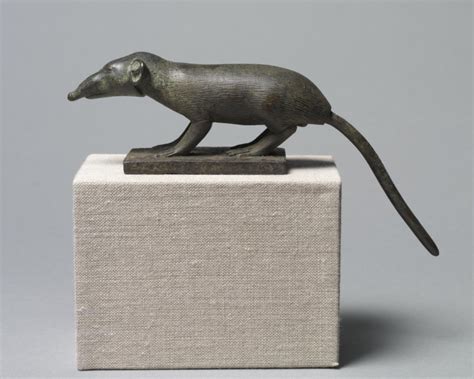
- Ancestral Characteristics: The common ancestor was a small, shrew-like placental mammal living during the Late Cretaceous period.
- Generational Estimates: Humans have undergone roughly 2–3 million generations, while dogs have experienced about 20–30 million generations since the divergence.
Introduction
The evolutionary journey of humans and dogs is a fascinating tale of divergence from a distant common ancestor. Understanding this ancestor provides insights into the fundamental biological and ecological traits that have shaped the distinct paths leading to modern humans (Homo sapiens) and domestic dogs (Canis lupus familiaris). This comprehensive analysis delves into the identity of this common ancestor, its habitat, and the extensive generational span separating this ancestor from present-day humans and dogs.
The Common Ancestor of Humans and Dogs
Identity and Characteristics
Approximately 60–95 million years ago, during the Late Cretaceous period, the lineage that would give rise to both humans and dogs diverged from a shared ancestor. This common ancestor was a small, generalized placental mammal belonging to the group known as Eutherians. Unlike modern dogs or humans, this ancestor was not specialized; rather, it exhibited traits typical of early placental mammals.
Physical Attributes:
- Size: The common ancestor was likely a small, shrew-like creature, weighing less than 10 kilograms.
- Diet: Insectivorous, feeding primarily on insects and small invertebrates.
- Behavior: Nocturnal or semi-nocturnal habits, possibly burrowing or adapted to dense vegetation to evade predators.
- Anatomy: Possessed a pointed snout, good climbing or burrowing abilities, and a long furry tail.
Habitat and Geographic Location
The common ancestor inhabited regions within the supercontinent known as Laurasia, which encompassed parts of present-day North America, Europe, and Asia. The environment during the Late Cretaceous was characterized by extensive forests and a warm climate, providing ample cover and resources for small mammals. These areas offered suitable habitats for a small, agile mammal to thrive, with abundant insect populations and shelter from larger predators.
Evolutionary Divergence
The evolutionary paths of humans and dogs diverged significantly after the split from their common ancestor. This divergence resulted in the formation of two distinct orders:
- Primates: This lineage led to the development of features such as grasping hands, forward-facing eyes, and larger brains. Over millions of years, this group evolved into various primate species, culminating in the emergence of hominins and ultimately modern humans.
- Carnivora: This lineage gave rise to the order Carnivora, which includes various carnivorous mammals such as wolves, bears, and domestic dogs. Adaptations in this group focused on sharp teeth, claws, and enhanced senses like smell, facilitating a predatory lifestyle.
Generational Estimates
Human Generations
Estimating the number of generations between the common ancestor and modern humans involves several considerations:
- Generation Time: Modern humans have an average generation time of about 25 years.
- Total Time Frame: Approximately 60–95 million years have elapsed since the divergence.
Calculating the number of generations:
\[ \text{Number of Generations} = \frac{\text{Total Years}}{\text{Generation Time}} \]
Assuming an average of 80 million years (the midpoint of 60–95 million years), the calculation is as follows:
\[ \frac{80,000,000 \text{ years}}{25 \text{ years/generation}} = 3,200,000 \text{ generations} \]
Thus, there have been approximately 2–3 million human generations since the common ancestor.
Dog Generations
Dogs have much shorter generation times compared to humans:
- Generation Time: Approximately 3–5 years for domestic dogs.
- Total Time Frame: While domestication occurred around 16,000–33,000 years ago, the divergence from the common ancestor spans 60–95 million years.
Calculating the number of generations:
\[ \text{Number of Generations} = \frac{80,000,000 \text{ years}}{3 \text{ years/generation}} = 26,666,666 \text{ generations} \]
Therefore, there have been approximately 20–30 million dog generations since the divergence from the common ancestor.
Early Mammalian Generation Times
In the vast timescales of evolution, early mammals had shorter generation times, contributing to the large number of generations. Early mammalian reproduction cycles were rapid, allowing for swift evolutionary changes and diversification into various ecological niches.
Evolutionary Pathways of Humans and Dogs
Human Lineage
The human lineage is characterized by several significant evolutionary developments:
- Early Primates: After diverging from the common ancestor, early primates developed traits such as enhanced vision, dexterous limbs, and increased brain size.
- Anthropoids: This subgroup includes monkeys and apes, further refining traits like social structures and intelligence.
- Hominins: Leading to the evolution of species closer to humans, including Australopithecines and eventually Homo sapiens.
- Modern Humans: Evolved roughly 300,000 years ago, characterized by advanced cognitive abilities, language, and complex societal structures.
Dog Lineage
The dog lineage encompasses a series of evolutionary adaptations suited to diverse environments and interactions with humans:
-
Carnivora Order: Early carnivorans developed specialized teeth and sensory adaptations for hunting and scavenging.
-
Caniform Suborder: This group includes dog-like carnivores, developing traits such as heightened sense of smell and social hunting behaviors.
-
Wolves: Evolved as apex predators with strong pack dynamics, leading to the emergence of the genus Canis.
-
Domestication: Dogs were domesticated from wolves approximately 16,000–33,000 years ago, undergoing selective breeding that resulted in the wide variety of breeds seen today.
Comparative Generational Analysis
| Species | Average Generation Time | Generations Since Common Ancestor |
|---|---|---|
| Humans (Homo sapiens) | 25 years | 2–3 million |
| Dogs (Canis lupus familiaris) | 3 years | 20–30 million |
This table highlights the stark difference in the number of generations experienced by humans and dogs since their divergence from the common ancestor. The shorter generation time in dogs has resulted in a significantly higher number of generations, facilitating rapid evolutionary processes compared to humans.
Conclusion
The exploration of the common ancestor between humans and dogs reveals a shared heritage rooted in a small, placental mammal from the Late Cretaceous period. Over the span of approximately 60–95 million years, the evolutionary paths of humans and dogs have diverged dramatically, shaped by distinct environmental pressures, ecological niches, and interactions. The vast number of generations—2–3 million for humans and 20–30 million for dogs—underscores the profound impact of differing generation times on the pace and nature of evolution. This deep evolutionary connection highlights the intricate web of life, where even the most divergent modern species trace their lineage back to a common ancestral point.
References
Last updated January 20, 2025