
Unseen Guardians: What Keeps Your Water-Based Paint Fresh?
Discover the essential biocides protecting paints from microbial spoilage and decay.
Water-based paints, favored for their lower VOC content and easy cleanup, possess an inherent vulnerability: they are susceptible to microbial attack. The water and organic components create a welcoming environment for bacteria, fungi, molds, and algae. To combat this, manufacturers incorporate specific chemical agents known as biocides. These additives are crucial for preserving the paint during storage and ensuring the longevity and appearance of the dried paint film.
Key Insights on Paint Biocides
- Dual Protection Role: Biocides serve two primary functions: in-can preservation to protect the liquid paint during storage and transport, and dry-film protection to safeguard the applied coating from mold, mildew, and algae growth.
- Isothiazolinones Dominate: The Isothiazolinone family (including MIT, CMIT, and BIT) is the most widely used group for in-can preservation due to its broad-spectrum effectiveness, though concerns about skin sensitization exist.
- Balancing Act: Selecting biocides involves balancing efficacy against microbes with regulatory compliance, environmental impact, human safety, and compatibility with other paint ingredients.
Why Biocides are Essential in Water-Based Paints
Water is the lifeblood of water-based paints, but it also makes them prone to contamination. Microorganisms find ample nutrients within the paint formulation – including binders, thickeners, and pigments – allowing them to multiply rapidly. Without protective biocides, this microbial growth can lead to:
- Undesirable odors
- Changes in viscosity (thickening or thinning)
- Gas production (leading to bulging cans)
- Discoloration
- pH shifts
- Separation of components
- Complete spoilage, rendering the paint unusable
- Growth of mold, mildew, and algae on the dried paint surface
Therefore, biocides are indispensable for maintaining product quality, extending shelf life, and ensuring the durability and aesthetic integrity of the final painted surface.
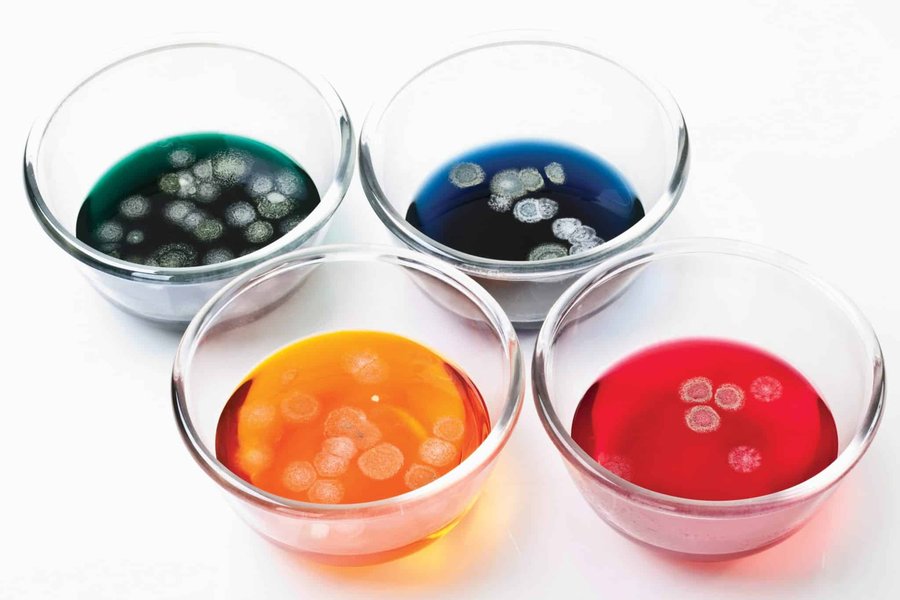
Mold growth, a common issue addressed by dry-film biocides in paints.
Common Types of Biocides Employed
Biocides used in paints can be broadly classified based on their chemical nature and the type of protection they offer. Here are the most prevalent types:
1. Isothiazolinones: The Workhorses of In-Can Preservation
This family of compounds is arguably the most significant group of biocides used in water-based paints, primarily for preventing spoilage in the can. They offer broad-spectrum activity against bacteria and, to some extent, fungi.
Key Isothiazolinone Derivatives:
- Methylisothiazolinone (MIT): Often used alone or in blends for fast-acting bacterial control. However, it has limited antifungal activity and is known as a potential skin sensitizer.
- Chloromethylisothiazolinone/Methylisothiazolinone (CMIT/MIT): A widely used synergistic blend providing broad-spectrum efficacy against bacteria and fungi. Its use is sometimes limited by stability concerns at higher pH or temperatures and regulatory restrictions due to sensitization potential.
- Benzisothiazolinone (BIT): Known for its thermal stability and long-term preservation capabilities, particularly against bacteria. It is slower acting than MIT or CMIT/MIT and has limited effectiveness against certain fungi.
- Octylisothiazolinone (OIT): Primarily used as a fungicide for dry-film protection, though its use is restricted in some regions.
- Dichlorooctylisothiazolinone (DCOIT): A potent biocide effective against a wide range of fungi, algae, and bacteria, often used for dry-film protection, especially in exterior applications.
While effective, the use of isothiazolinones is under increasing regulatory scrutiny due to concerns about skin sensitization, leading manufacturers to carefully manage concentrations or seek alternatives.
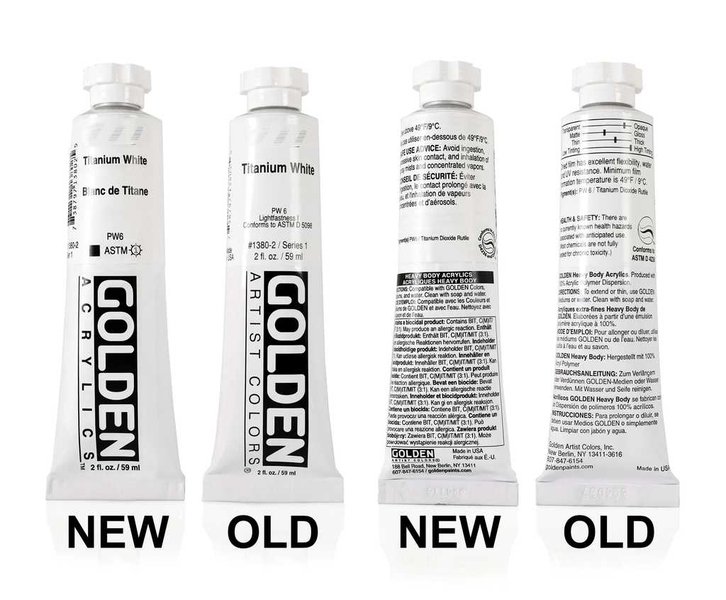
Labels on art supplies often indicate the presence of biocides for preservation.
2. Formaldehyde-Releasing Biocides: Long-Term Defenders
These compounds slowly release formaldehyde, which acts as the active antimicrobial agent. They provide long-lasting in-can protection against a broad range of bacteria and fungi.
Examples Include:
- DMDM Hydantoin
- Triazines (e.g., Hexahydro-1,3,5-triazine derivatives): Effective against bacteria, often used in combination with other biocides.
- Dazomet: Releases formaldehyde upon decomposition, providing both in-can and some dry-film protection against fungi and bacteria.
- Other formaldehyde condensation products.
Despite their efficacy and cost-effectiveness, the use of formaldehyde-releasers is declining due to health concerns and stringent regulations regarding formaldehyde emissions.
3. Dry-Film Preservatives: Surface Guardians
These biocides are specifically added to protect the applied paint coating from colonization by fungi (mold and mildew) and algae, particularly in exterior applications or humid interior environments (kitchens, bathrooms).
Common Dry-Film Biocides:
- 3-iodo-2-propynyl butylcarbamate (IPBC): A widely used fungicide, effective at low concentrations against a broad spectrum of fungi, molds, and yeast. It offers excellent protection for the dried coating film.
- Chlorothalonil: A broad-spectrum fungicide historically used for film preservation, though its use is increasingly restricted in some regions due to environmental concerns.
- Zinc Pyrithione: A versatile compound acting as a fungicide, algaecide, and bactericide, providing broad protection to the paint film.
- Algaecides (e.g., Diuron, Terbutryn, Nipacide DDI derivatives): Specifically target algae growth on exterior surfaces.
- OIT and DCOIT (Isothiazolinones): Also function effectively as dry-film fungicides/algaecides.
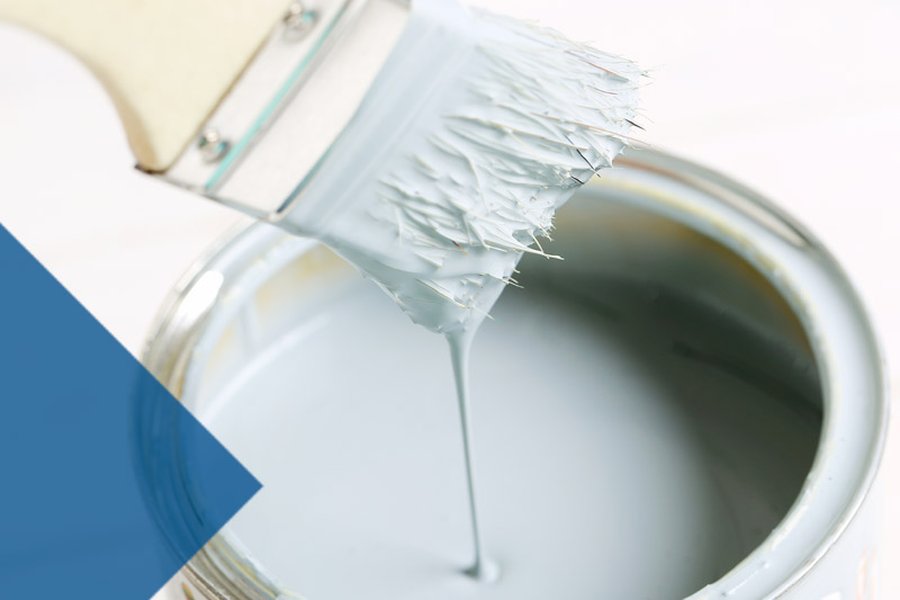
Biocides ensure the applied paint remains free from microbial defacement.
4. Other Biocidal Chemistries
Other types of biocides are also employed, sometimes for specific applications or in combination with the major types:
- Glutaraldehyde: An aldehyde-based biocide used for rapid-acting in-can preservation, often added early in the production process. Effective against bacteria, but use is regulated due to potential health effects.
- Bronopol (2-Bromo-2-Nitropropane-1,3-Diol): Effective against bacteria and fungi for in-can preservation. Valued for thermal stability but can be less stable at alkaline pH.
- Quaternary Ammonium Compounds (Quats): Cationic surfactants with biocidal properties, sometimes used as alternatives or boosters.
- Chloroallyl-3,5,7-azoniaadamantane chloride (Adamantane): A slower-acting biocide used for in-can preservation.
Visualizing Biocide Roles: Mindmap Overview
This mindmap illustrates the primary functions and types of biocides used in water-based paints, highlighting the distinction between protecting the paint in its container versus protecting the applied coating.
(Wet State)"] id1a1["Target: Bacteria, Fungi, Yeast"] id1a2["Goal: Prevent Spoilage During Storage"] id1a3["Common Types"] id1a3a["Isothiazolinones (MIT, CMIT/MIT, BIT)"] id1a3b["Formaldehyde Releasers (Triazines, Dazomet, DMDM Hydantoin)"] id1a3c["Glutaraldehyde"] id1a3d["Bronopol"] id1a3e["Adamantane"] id1b["Dry-Film Protection
(Applied Coating)"] id1b1["Target: Fungi (Mold, Mildew), Algae"] id1b2["Goal: Prevent Surface Defacement & Degradation"] id1b3["Common Types"] id1b3a["IPBC"] id1b3b["Chlorothalonil"] id1b3c["Zinc Pyrithione"] id1b3d["OIT / DCOIT"] id1b3e["Specific Algaecides (e.g., Diuron)"] id2["Selection Factors"] id2a["Efficacy Spectrum"] id2b["Compatibility"] id2c["Regulatory Compliance"] id2d["Safety & Toxicity"] id2e["Cost-Effectiveness"] id2f["Durability/Stability"] id3["Challenges & Trends"] id3a["Regulatory Pressure (e.g., BPR)"] id3b["Skin Sensitization Concerns (Isothiazolinones)"] id3c["Formaldehyde Restrictions"] id3d["Demand for Eco-Friendly / Biocide-Free Options"] id3e["Development of Novel Chemistries"]
Comparing Biocide Family Attributes
Selecting the right biocide involves weighing various characteristics. This chart provides a qualitative comparison of major biocide families used in water-based paints based on typical performance attributes. Scores are relative (higher means generally stronger in that attribute, lower means weaker or more challenging).
Note: This chart represents generalized attributes. Specific performance depends on the exact chemical, formulation, dosage, and environmental conditions.
Summary Table: Biocide Roles
This table summarizes the primary roles and target organisms for the common classes of biocides discussed:
| Biocide Type/Class | Primary Function | Main Target Organisms | Typical Application State |
|---|---|---|---|
| Isothiazolinones (MIT, CMIT/MIT, BIT) | In-Can Preservation | Bacteria, some Fungi | Wet State (in the can) |
| Formaldehyde Releasers (Triazines, Dazomet, etc.) | In-Can Preservation | Bacteria, Fungi | Wet State (in the can) |
| IPBC | Dry-Film Protection | Fungi (Mold, Mildew, Yeast) | Dry Film (applied coating) |
| Chlorothalonil | Dry-Film Protection | Fungi | Dry Film (applied coating) |
| Zinc Pyrithione | Dry-Film Protection | Fungi, Algae, Bacteria | Dry Film (applied coating) |
| OIT / DCOIT | Dry-Film Protection (primarily) | Fungi, Algae, Bacteria | Dry Film (applied coating) |
| Specific Algaecides (e.g., Diuron) | Dry-Film Protection | Algae | Dry Film (applied coating) |
| Glutaraldehyde | In-Can Preservation | Bacteria | Wet State (in the can) |
| Bronopol | In-Can Preservation | Bacteria, Fungi | Wet State (in the can) |
Visual Insight: Biocides in Coatings
Understanding the role and necessity of biocides is crucial in the coatings industry. This video provides insights into why these additives are fundamental for protecting water-based formulations.
The video emphasizes that biocides are indispensable for safeguarding the integrity and functionality of water-based systems against microbial threats, covering both the wet state (in the can) and the dry film (after application).
Selection Criteria and Future Trends
Choosing the appropriate biocide or combination involves careful consideration:
- Spectrum of Activity: Must be effective against the likely microbial contaminants.
- Compatibility: Should not negatively interact with other paint ingredients (binders, pigments, additives) or affect paint properties like color or gloss.
- Stability: Must remain effective under storage conditions (pH, temperature) and after application (UV light, leaching).
- Regulatory Acceptance: Must comply with regulations like the EU Biocidal Products Regulation (BPR) or EPA rules in the US, which dictate approved substances and maximum concentrations.
- Safety and Environment: Low toxicity to humans and minimal environmental impact are increasingly important.
- Cost-Effectiveness: Performance must justify the cost.
The industry faces challenges due to tightening regulations, particularly concerning substances like formaldehyde-releasers and certain isothiazolinones (due to skin sensitization). This drives innovation towards:
- Lower-toxicity biocides
- Synergistic combinations allowing lower use levels
- Non-biocidal preservation strategies (e.g., controlling water activity, using antimicrobial polymers)
- "Biocide-free" claims, though achieving robust protection without traditional biocides remains difficult for many applications.
Frequently Asked Questions (FAQ)
What's the difference between in-can and dry-film biocides?
In-can preservatives protect the liquid paint in its container from bacterial and fungal growth during storage, transport, and before application. They prevent spoilage issues like bad odors, viscosity changes, and gas formation. Dry-film preservatives are incorporated into the paint to protect the applied coating (once dried) from surface growth of mold, mildew, and algae, which can deface the paint and damage the underlying substrate.
Are biocides in paint safe?
Biocides are, by nature, toxic to microorganisms. Their use in consumer products like paint is strictly regulated to ensure safety for users and the environment when used as directed. Regulatory agencies (like the EPA in the US and ECHA in the EU) assess the risks and set limits on which biocides can be used and at what concentrations. While dried paint film generally poses minimal risk, some biocides (like certain isothiazolinones) can cause skin sensitization during handling of the wet paint. Manufacturers are increasingly moving towards lower-toxicity options and clearly label products containing potential sensitizers.
Why are Isothiazolinones so common?
Isothiazolinones (like MIT, CMIT, BIT) are popular because they offer broad-spectrum efficacy against many types of bacteria and fungi at relatively low concentrations. They are compatible with many water-based formulations and can be cost-effective. Different derivatives offer varying balances of speed, stability, and microbial targets, allowing formulators to choose or blend them for specific needs. However, their potential to cause skin allergies means their use levels are carefully controlled.
Can paint be made without biocides?
While there is research and development into "biocide-free" paints, it remains challenging, especially for water-based formulations. Achieving adequate shelf life and dry-film protection without traditional biocides often requires alternative approaches, such as using specific binders that are inherently less susceptible to microbial growth, controlling water activity, using hurdle technology (multiple mild preservation steps), or relying on very clean manufacturing processes and specialized packaging. Currently, most conventional water-based paints rely on biocides to ensure acceptable product quality and longevity.
References
- Biocides for Paint & Coatings: Main Types and Selection Criteria - SpecialChem
- What is biocide and why are biocides used in paint products? - PaintsForLife
- Biocides for Paint & Coatings - LANXESS
- The role of biocides in long-lasting odour-free water-based emulsion paints - ThOR
- Biocides - The European Council of the Paint, Printing Ink, and Artists' Colours Industry (CEPE)
- Biocides for Paint and Varnish Industry - Neohim
- Preservatives And Biocides For Coatings - C&E Information Technology Co.,Ltd.
Recommended Reading
Last updated April 26, 2025