
Navigating the Labyrinth of the Mind: Understanding Common Cognitive Biases
Unveiling the Mental Shortcuts That Shape Our Perceptions and Decisions
Key Insights into Cognitive Biases
- Ubiquitous Influence: Cognitive biases are pervasive mental shortcuts that systematically affect how we process information, form beliefs, and make decisions, often without our conscious awareness.
- Diverse Manifestations: While hundreds of biases exist, some are far more common and impactful, including Confirmation Bias, Anchoring Bias, Availability Heuristic, Overconfidence Bias, and the Self-Serving Bias.
- Mitigation Through Awareness: Recognizing and understanding these common biases is the crucial first step towards mitigating their negative effects, fostering more objective thinking, and improving decision-making in various aspects of life.
The human brain is an extraordinary processor of information, capable of complex thought, creativity, and problem-solving. However, this intricate system also employs mental shortcuts, known as heuristics, to expedite decision-making and simplify the overwhelming amount of data we encounter daily. While often efficient, these shortcuts can sometimes lead to systematic errors in judgment, known as cognitive biases. These biases are not necessarily "flaws" but rather inherent tendencies that can distort our perceptions, influence our beliefs, and sway our actions. Understanding these common cognitive biases is fundamental to improving critical thinking and making more informed, rational decisions.
The Nature of Cognitive Biases: Inherent Mental Shortcuts
How Our Brains Create and Utilize Biases
Cognitive biases represent predictable deviations from rationality in judgment. They are essentially mental shortcuts or "rules of thumb" that our brains use to make sense of the world quickly. Instead of evaluating every single detail and potential scenario, which would be an incredibly time-consuming and energy-intensive process, our brains rely on these heuristics to form opinions and make decisions rapidly. This efficiency, while beneficial in many situations, can lead to systematic errors, causing us to misinterpret information, recall past experiences incorrectly, or make unreasonable inferences.
Research suggests that there are over 175, and potentially more than 180, different types of cognitive biases. These biases are not learned in a formal sense; rather, they are systematic and universal, meaning no one is entirely immune to their influence. They can be categorized into various types, including those related to memory, social interactions, and the formation of beliefs or decision-making processes. The impact of cognitive biases can be subtle, influencing our beliefs and distorting our thinking without us even noticing.
The Role of Heuristics in Bias Formation
Heuristics are the underlying mechanisms that give rise to cognitive biases. They are practical, but not necessarily optimal, methods for solving problems quickly and efficiently. For example, the availability heuristic, one of the most common biases, leads us to overestimate the likelihood of events that are more easily recalled or "available" in our memory. This can be influenced by how recent, unusual, or emotionally charged the memories are. Similarly, the anchoring bias demonstrates our tendency to rely heavily on the first piece of information (the "anchor") we receive when making a decision, adjusting subsequent judgments around it.
Delving into the Most Prevalent Cognitive Biases
Examining Key Biases That Shape Our Reality
While the list of cognitive biases is extensive, several types frequently appear in everyday life and significantly impact our judgment and decision-making. Recognizing these common biases is a critical step toward developing more objective thinking.
Confirmation Bias: Seeking Validation
Perhaps one of the most widely recognized and impactful biases, Confirmation Bias is the tendency to search for, interpret, favor, and recall information in a way that confirms one's existing beliefs or hypotheses. It involves selectively gathering and interpreting evidence that aligns with pre-existing views, while neglecting or downplaying evidence that contradicts them. This bias can manifest in various contexts, from personal beliefs to professional settings. For instance, a manager might favor information that supports their initial opinion of an employee, overlooking evidence that suggests otherwise.
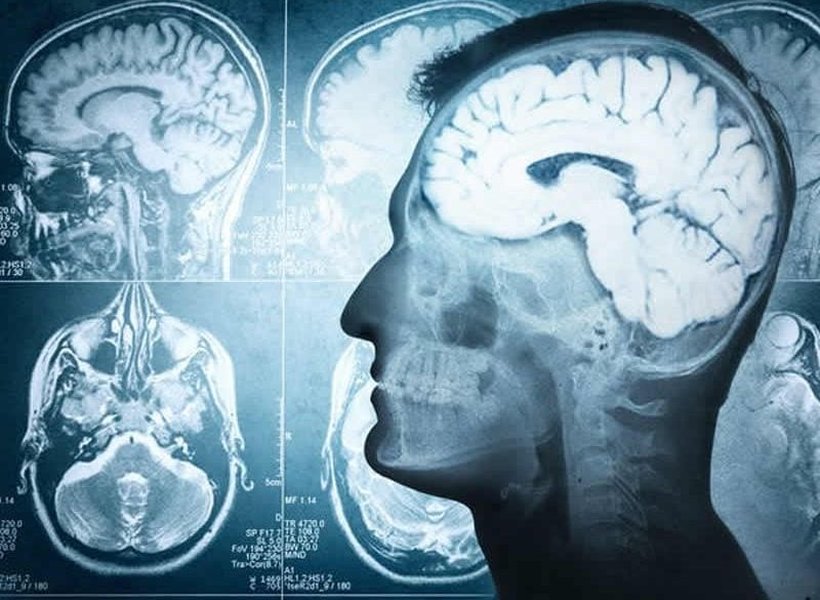
The brain's intricate network, where biases can subtly influence connections and perceptions.
Anchoring Bias: The Power of First Impressions
The Anchoring Bias describes our tendency to be overly influenced by the first piece of information encountered (the "anchor") when making decisions. Subsequent judgments are then "anchored" around this initial reference point, even if it is irrelevant or arbitrary. This is commonly seen in negotiations, where the first offer sets a psychological anchor for the discussion. For example, when buying a car or a house, people often estimate an average price and stick to that figure for negotiations, influenced by the initial price heard.
This video provides a clear explanation of the Anchoring Bias, illustrating how initial information can disproportionately influence our judgments, as explained by cognitive scientist Laurie Santos.
Availability Heuristic: Recency and Salience
The Availability Heuristic (or availability bias) is the tendency to overestimate the likelihood of events with greater "availability" in memory. This means that if something is easily recalled—because it's recent, unusual, or emotionally striking—we tend to believe it happens more frequently. This bias can lead to skewed perceptions of risk; for example, after seeing news reports about a plane crash, people might overestimate the danger of flying, even though statistically, it remains very safe.
Overconfidence Bias: The Illusion of Superiority
Overconfidence Bias is the tendency to be excessively optimistic about one's own abilities, knowledge, or the accuracy of one's judgments. This bias can lead individuals to take unnecessary risks, underestimate potential challenges, or fail to seek out crucial information. In medical settings, for instance, overconfidence has been identified as a common cognitive bias among physicians, potentially contributing to diagnostic errors, especially when relying on initial judgments without sufficient scrutiny.
Self-Serving Bias: Protecting Our Ego
The Self-Serving Bias involves attributing positive events to one's own character or efforts (internal factors) while attributing negative events to external factors beyond one's control. For example, if a student performs well on an exam, they might credit their intelligence, but if they fail, they might blame the difficulty of the test or the professor. This bias helps protect self-esteem but can hinder learning from mistakes.
False Consensus Effect: Everyone Thinks Like Me
The False Consensus Effect is the tendency to overestimate the extent to which other people share our opinions, beliefs, and behaviors. This bias can lead to an overvaluation of one’s personal opinions and a failure to consider other points of view, contributing to conflicts and misunderstandings. Believing that others are just like us can also be a way to boost our self-esteem.
Halo Effect: Generalizing Impressions
The Halo Effect is a cognitive bias where our overall impression of a person, company, brand, or product influences our judgments about their specific traits. If we have a positive impression of someone, we are more likely to perceive their actions and characteristics positively, even if they are unrelated. Conversely, a negative initial impression can lead to a "horn effect," where subsequent perceptions are biased negatively.
Hindsight Bias: I Knew It All Along
The Hindsight Bias is the tendency to perceive events, after they have occurred, as having been more predictable than they actually were. This "I knew it all along" phenomenon can lead to overconfidence in one's ability to predict future events and can hinder learning from past mistakes, as outcomes seem inevitable in retrospect.
Visualizing the Landscape of Cognitive Biases
A Radar Chart of Common Biases and Their Impact
To better illustrate the multifaceted nature of cognitive biases, the following radar chart visually represents the perceived prevalence and impact of some of the most common biases discussed. This chart helps to contextualize how different biases might manifest in our daily lives and their potential influence on decision-making.
The radar chart provides a comparative view of how frequently these biases are encountered ("Perceived Prevalence") and their potential influence on the rationality of our decisions ("Potential Impact on Decisions"). As can be seen, biases like Confirmation Bias and Anchoring Bias often have both high prevalence and significant impact, reinforcing their importance in everyday cognitive processes.
Impact and Mitigation of Cognitive Biases
Navigating the Biased Landscape of Our Minds
Cognitive biases, while natural, can have significant consequences, ranging from perpetuating misinformation and misconceptions to impeding critical thinking and leading to suboptimal decisions. In various fields, from business to healthcare, the effects of these biases are extensively studied. For example, diagnostic errors in emergency rooms are frequently linked to cognitive factors, with overconfidence, confirmation, availability, and anchoring biases being particularly common among physicians.
How Biases Affect Decision-Making
The primary way cognitive biases influence us is by distorting our ability to process information objectively. They can make it difficult to exchange accurate information or derive truths, leading to rushed decisions often based on stereotypes or preconceived notions. Emotional biases, which are linked to emotional dispositions, can also cause us to act in ways concordant with our current feelings. For instance, anxiety might lead us to overestimate danger.
An artistic representation of the brain, highlighting its central role in cognitive processes and biases.
Strategies for Mitigating Biases
While completely avoiding cognitive biases is impossible, as they are intrinsic to human thought, we can implement strategies to identify and mitigate their effects:
- Self-Awareness: Simply knowing about specific cognitive biases is the critical first step. By familiarizing ourselves with common biases, we can learn to recognize them in our own thinking and the thinking of others.
- Critical Thinking: Actively challenging our assumptions and seeking out diverse perspectives can help counteract biases. This involves being open to evidence that contradicts our beliefs and engaging in thorough, objective analysis.
- Seeking Feedback: Regularly asking for feedback from others can help uncover our personal bias blind spots, as we often fail to recognize our own biases while readily identifying them in others.
- Structured Decision-Making: Implementing structured processes for decision-making, especially in critical situations, can reduce reliance on intuitive shortcuts that might be prone to bias. This includes evaluating all available information and considering multiple alternatives.
- Debiasing Techniques: Some techniques focus on deliberately countering a bias. For example, to combat anchoring bias, one might consciously consider extreme alternatives before settling on a decision.
Comparative Analysis of Common Cognitive Biases
Distinguishing Features and Real-World Examples
To further differentiate and understand the nuances of the most common cognitive biases, the table below provides a concise overview of their characteristics, typical manifestations, and practical examples.
| Bias Name | Core Tendency | Impact on Decision-Making | Common Real-World Example |
|---|---|---|---|
| Confirmation Bias | Seeking information that confirms existing beliefs. | Reinforces pre-existing notions, impedes objective evaluation of new evidence. | Reading only news sources that align with one's political views. |
| Anchoring Bias | Over-relying on the first piece of information received. | Influences subsequent judgments and negotiations, even with irrelevant anchors. | A car's initial high price influencing a buyer's perception of its value. |
| Availability Heuristic | Overestimating events easily recalled from memory. | Distorts risk assessment; can lead to irrational fears or complacency. | Fearing plane crashes more than car accidents due to vivid media coverage. |
| Overconfidence Bias | Excessive belief in one's own abilities or judgment. | Leads to risky decisions, inadequate preparation, and ignoring warning signs. | An investor believing their stock picks will outperform the market consistently. |
| Self-Serving Bias | Attributing success to oneself, failure to external factors. | Hinders learning from mistakes, promotes an inflated self-perception. | A student blaming a bad grade on the teacher instead of their own study habits. |
| False Consensus Effect | Believing others share one's opinions more than they do. | Leads to misunderstandings, poor communication, and conflicts. | Assuming everyone agrees with your opinion on a controversial topic. |
| Halo Effect | Allowing one positive trait to influence overall perception. | Can lead to biased evaluations of individuals or products based on initial impressions. | Assuming an attractive person is also intelligent or kind. |
| Hindsight Bias | Perceiving past events as more predictable than they were. | Fosters an illusion of foresight, hindering learning from genuine uncertainty. | "I knew that company's stock would tank after it happened." |
Frequently Asked Questions About Cognitive Biases
What is a cognitive bias?
How many types of cognitive biases exist?
Are cognitive biases inherently bad?
Can cognitive biases be completely avoided?
Conclusion: Enhancing Rationality Through Awareness
Cognitive biases are an inescapable aspect of human psychology, influencing our perceptions, beliefs, and decisions in countless ways. From the subtle reinforcement of existing views through confirmation bias to the powerful pull of first impressions via anchoring, these mental shortcuts shape our reality. While they offer efficiency in a complex world, their systematic nature means they can also lead to predictable errors in judgment. The key to mitigating their negative effects lies not in eliminating them—which is impossible—but in cultivating a deep understanding of their existence and mechanisms. By recognizing the most common cognitive biases, actively challenging our assumptions, and seeking out diverse information, we can move towards more objective thinking, make better-informed decisions, and ultimately navigate the labyrinth of the mind with greater rationality and wisdom.
Recommended Further Exploration
- How do cognitive biases affect critical thinking?
- Strategies to overcome cognitive biases in decision-making
- The impact of cognitive biases in professional settings
- Difference between cognitive biases and logical fallacies