
The Ultimate Guide to Coolant Manufacturers: Powering Your Heating Systems
Discover the leading companies revolutionizing thermal management with innovative coolant solutions
Essential Insights into Coolant Manufacturing
- Specialized manufacturers develop coolants for various heating applications - from automotive engine coolant heaters to industrial HVAC systems
- Modern coolant formulations focus on environmental sustainability - with many companies pivoting to eco-friendly alternatives
- High-voltage coolant heaters represent the frontier of EV thermal management - ensuring optimal battery performance and cabin comfort
Understanding the Coolant Manufacturing Landscape
Coolants play a critical role in heating systems across multiple industries. Despite their name suggesting only cooling applications, these specialized fluids are essential components in thermal management systems that both heat and cool. They transfer heat efficiently, prevent freezing in cold conditions, and protect against corrosion in various heating applications.
The coolant manufacturing sector spans automotive, industrial, residential, and commercial markets. Companies in this space continuously innovate to improve thermal efficiency, extend system lifespan, and reduce environmental impact.
Primary Coolant Manufacturers
These companies specialize in developing and producing the actual coolant fluids used in various heating and cooling applications:
The radar chart above illustrates the comparative strengths of major coolant manufacturers across key performance metrics. Dow Chemical demonstrates exceptional innovation and market presence, while Dynalene excels in thermal efficiency and heat transfer capabilities. KOST USA shows particular strength in corrosion protection, an essential factor for heating system longevity.
Top Coolant Fluid Manufacturers
| Company | Headquarters | Specialty | Key Products |
|---|---|---|---|
| Dynalene, Inc. | United States | Heat Transfer Fluids | Glycol-based coolants, specialized industrial fluids |
| KOST USA | United States | Antifreeze & Coolants | Automotive and industrial coolants, functional fluids |
| Dow Chemical Company | United States | Chemical Engineering | Novel coolant formulations with enhanced properties |
| Houghton Chemical Corp. | United States | Industrial Chemicals | Inhibited ethylene and propylene glycol heat transfer fluids |
| Berryman Chemical | United States | Automotive Chemicals | Antifreeze and heat transfer fluids for multiple sectors |
| ARTECO | Belgium | Engine Coolants | Engine coolants, test fluids, and heat transfer solutions |
| Moore & Balliew Oil Co. | United States | Industrial Lubricants | Phosphate, nitrite, silicate, and borate-free red coolants |
| ACDelco | United States | Automotive Products | Dex-Cool, ready-to-use coolant formula |
Coolant System Manufacturers
Beyond the coolant fluids themselves, specialized companies develop the infrastructure and systems that circulate these fluids in heating applications. These manufacturers design components that ensure optimal heat transfer, efficient circulation, and reliable operation in various environments.
Leading System Producers
These companies provide the hardware needed to implement effective coolant-based heating solutions:
Core System Components
Modern coolant systems typically consist of several essential components working together:
- Coolant tanks - Store the thermal fluid and accommodate expansion during temperature changes
- Pumps - Circulate coolant through the system at controlled rates
- Piping and hoses - Transport coolant between components while maintaining thermal properties
- Heat exchangers - Transfer thermal energy between the coolant and the target environment
- Control systems - Manage flow rates, temperatures, and system diagnostics
- Recovery systems - Collect and recycle coolant to minimize waste
This mindmap illustrates the diverse landscape of companies involved in coolant system manufacturing, categorized by their primary application domains. The sector spans traditional industrial and automotive applications while embracing emerging technologies like electric vehicle thermal management.
Key Coolant System Manufacturers
- Industrial Fluid Systems, Inc. - A leading provider of coolant systems for industrial applications, offering complete cooling solutions for manufacturing processes.
- Miller Electric Mfg. LLC - Specializes in coolant systems for welding and machining applications, with emphasis on precision cooling.
- Dober Chemical Corp. - Develops coolant treatment technologies and systems for optimal performance and longevity.
- Tokupi Manufacturing Co., Ltd. - Offers advanced machining technology and coolant solutions, including high-pressure coolant systems.
- JE Co., Ltd. - Manufactures water-soluble mist coolant solutions for high-temperature applications in manufacturing.
- LFH Engineering Ltd. - Provides specialized diesel engine coolant pumps with a focus on maritime applications.
- AKG Group - A German manufacturer of cooling systems and heat exchangers for automotive and industrial sectors.
- Fairchild Industries - Supplier of coolant hoses, heater hoses, and radiator hoses with custom manufacturing capabilities.
High-Voltage Coolant Heater Manufacturers
A particularly innovative segment of the market focuses on high-voltage coolant heaters, especially for electric vehicles. These systems are crucial for battery conditioning and cabin heating in EVs, where traditional engine heat is not available.
The video above showcases high-voltage coolant heaters from Zoppas Industries, a key player in the electric vehicle thermal management sector. These components are critical for ensuring battery health and efficiency, particularly in cold climates where battery performance can be significantly reduced without proper thermal management.
Leading High-Voltage Coolant Heater Manufacturers
Several companies have positioned themselves at the forefront of this emerging technology:
- BorgWarner - Develops high-voltage coolant heaters selected by many global OEMs for next-generation electric vehicles, supporting both cabin heating and battery conditioning.
- Webasto - Specializes in coolant heaters designed to pre-condition engines, particularly for commercial vehicles like trucks, reducing idling time and minimizing wear on components.
- Phillips and Temro Industries - Offers both passive and active heating systems that circulate coolant efficiently to maintain optimal temperatures in various applications.
- Vvkb - Provides PTC coolant heaters with high thermal efficiency specifically designed for electric vehicles, emphasizing energy efficiency and sustainability.
- Zoppas Industries - Manufactures high-voltage coolant heaters with unique designs to prevent overheating and eliminate leakage risks in the control unit.
Technical Innovation in Coolant Heating
Modern coolant heaters incorporate several technological advancements:
- PTC (Positive Temperature Coefficient) elements - Self-regulating heating technology that prevents overheating
- Integrated control electronics - Precise management of power delivery and temperature regulation
- High voltage compatibility - Designed to work with modern EV battery systems (400V-800V)
- Rapid heating capability - Achieving optimal operating temperatures in seconds rather than minutes
- Sealed system design - Preventing coolant leakage into sensitive electronic components
- Compact packaging - Fitting within the space constraints of modern vehicle designs
Coolant Technology in HVAC Systems
Major HVAC manufacturers incorporate coolant technology in their heating and cooling solutions for residential, commercial, and industrial applications. These systems leverage the heat transfer properties of coolants to efficiently manage indoor climate.
Leading HVAC Manufacturers
These companies develop complete heating and cooling systems that utilize coolant technology:
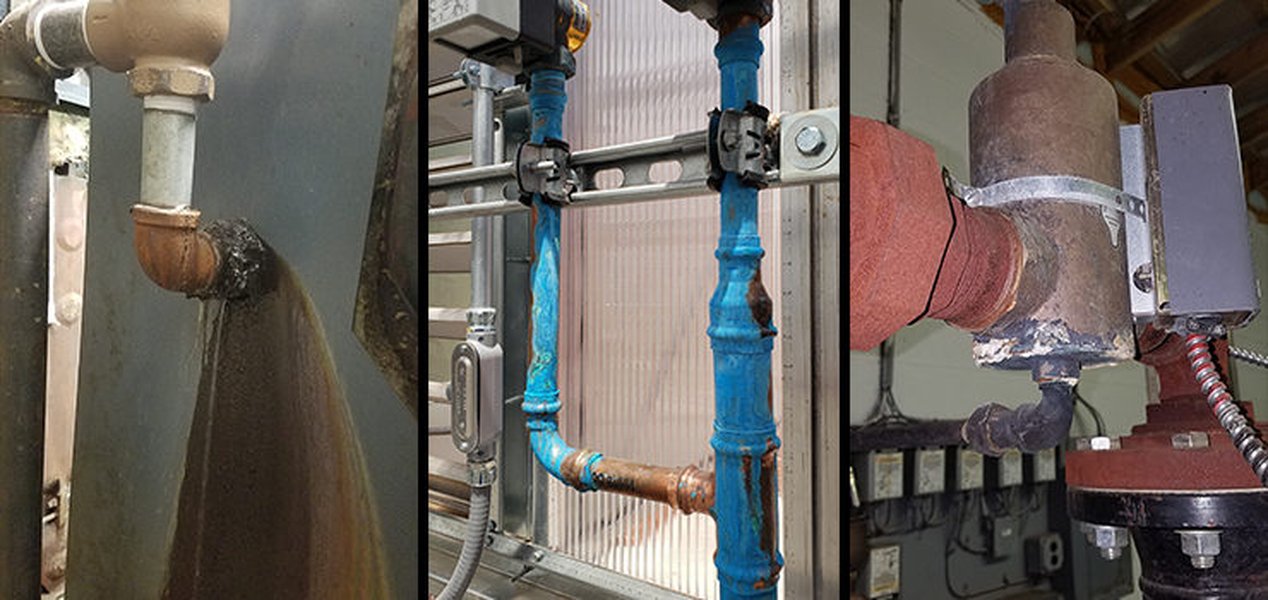
The image above shows a hydronic heating system that utilizes antifreeze coolant for efficient heat transfer and freeze protection. These systems are common in residential and commercial buildings, particularly in colder climates.
Top HVAC System Companies
- Carrier - Global provider of heating, ventilating, and air conditioning systems known for high-efficiency products and excellent energy savings.
- Trane - Respected for superior engineering and build quality, consistently ranking among the most reliable units on the market.
- Rheem - Industry leader for residential and commercial heating, cooling, and water heating solutions with a focus on sustainability.
- Lennox - Provides sophisticated cooling, heating, and indoor air quality systems with smart home integration.
- Nortek Global HVAC - Formerly Nordyne LLC, specializes in both residential and commercial air quality systems.
- HEIL - Stands out with unique technology integration, enhancing energy efficiency and reliability in heating and cooling components.
- Vaillant - European manufacturer offering a wide range of solutions for heating, cooling, and water heating with renewable energy options.
Coolant Applications in Different Industries
The versatility of coolants makes them essential across numerous industries, each with specific requirements and applications:
Diverse Industrial Applications
Coolants serve vital functions in various sectors:
Automotive Sector
In automotive applications, coolants prevent engine overheating while also providing heat for cabin warming systems. The introduction of electric vehicles has created new challenges and opportunities for coolant technology, particularly for battery thermal management and cabin heating without engine waste heat.
Manufacturing and Machining
In manufacturing, coolants serve dual purposes of temperature control and lubrication. Machining operations generate significant heat that must be managed to maintain precision and protect equipment. Specialized coolant formulations help reduce friction, prevent part warping, and extend tool life.
Data Centers
Modern data centers increasingly rely on liquid cooling solutions to manage the intense heat generated by servers and computing equipment. Specialized coolants with high thermal efficiency and electrical insulation properties are critical for these applications.
Renewable Energy
Solar thermal systems and geothermal heat pumps utilize specialized coolants to transfer heat efficiently. These applications often require coolants with extreme temperature stability and long service life.
Frequently Asked Questions
References
- KOST USA - Major Manufacturer of Antifreeze and Coolants
- Dynalene Heat Transfer Fluids - Specialized Coolant Solutions
- BorgWarner - High-Voltage Coolant Heaters for Automotive Applications
- Metoree - Top-Ranked Coolant System Companies
- Webasto - Coolant Heaters for Engine Preconditioning
- Phillips and Temro - Engine Heating Solutions
- Berryman Chemical - Antifreeze and Heat Transfer Fluids
- Fairchild Industries - Coolant Hose Solutions
- Today's Homeowner - Best AC Brands Review
Recommended Searches
Last updated April 6, 2025