
Comparative Analysis of Vented Spikes with Filters vs. Non-Vented Spikes According to ISO Standards
Understanding the Key Differences in Design and Application for Medical and Laboratory Use
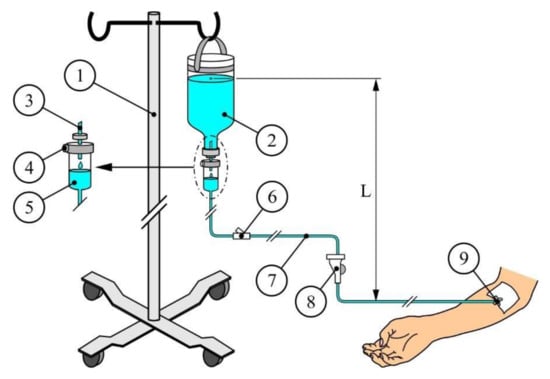
Key Takeaways
- Vented spikes with filters are essential for maintaining sterility and preventing vacuum formation in systems requiring air displacement.
- Non-vented spikes provide a sealed system suitable for flexible containers but require careful handling to avoid pressure differentials.
- Both spike types must comply with specific ISO standards to ensure safety, performance, and contamination prevention.
Introduction
In the realms of medical and laboratory applications, the selection of appropriate IV (intravenous) spike types is critical. Vented spikes with filters and non-vented spikes serve distinct purposes, particularly in the context of adhering to ISO (International Organization for Standardization) standards. This comprehensive analysis delves into the key differences between these two spike types, examining their functionality, design, applications, and compliance with ISO standards to guide professionals in making informed decisions.
Functional Differences
Vented Spikes with Filters
Vented spikes are engineered to allow the passage of air into the system during fluid withdrawal or administration. This venting mechanism prevents the formation of a vacuum within the container, ensuring a steady flow of fluids. The inclusion of a hydrophobic filter, typically with a pore size of 0.2 microns, plays a pivotal role in maintaining sterility. The filter effectively blocks particulates and microorganisms from entering the system, which is indispensable in maintaining the integrity of the administered fluids.
Non-Vented Spikes
Non-vented spikes operate without permitting air exchange. This design is ideal for applications where maintaining a completely sealed system is paramount. These spikes are predominantly used with flexible plastic containers, which collapse as fluid is withdrawn, negating the need for air replacement. The absence of a vent reduces the risk of air or contaminants entering the system but necessitates meticulous handling to avoid issues such as vacuum formation or pressure differentials.
Design and Materials
Vented Spikes with Filters
The design of vented spikes incorporates a dedicated vent channel and an integrated hydrophobic filter. The vent channel is usually color-coded (often blue) to distinguish it from non-vented spikes and to facilitate easy identification during medical procedures. Materials used in the construction of these spikes are typically medical-grade plastics such as ABS (Acrylonitrile Butadiene Styrene) or HDPE (High-Density Polyethylene), ensuring compliance with ISO standards for durability and safety.
Non-Vented Spikes
Non-vented spikes are designed with simplicity in mind, lacking any venting mechanisms or filters. Their construction focuses on creating a robust and airtight connection to prevent any ingress or egress of substances. These spikes are usually made from the same medical-grade plastics as vented spikes but do not incorporate the additional components required for venting and filtration.
Container Compatibility
Vented Spikes with Filters
Vented spikes are best suited for use with rigid containers such as glass bottles or hard plastic containers. The venting mechanism compensates for the lack of flexibility in these containers by allowing air to enter as fluid is drawn out, preventing the formation of a vacuum that could impede fluid flow.
Non-Vented Spikes
Non-vented spikes are designed primarily for flexible plastic containers. These containers can collapse as fluid is withdrawn, eliminating the need for air replacement. This compatibility ensures that the administration of fluids is smooth and without interruptions caused by pressure differentials.
Compliance with ISO Standards
Vented Spikes with Filters
Vented spikes must adhere to specific ISO standards to ensure they meet requirements for medical infusion equipment. Notably, they comply with ISO 8536-4, which outlines specifications for infusion equipment, including materials, design, and filtration efficiency. The integrated filter in vented spikes is subject to rigorous testing to ensure it effectively retains microorganisms and particulates, typically achieving 100% filtration efficiency as per ISO guidelines.
Non-Vented Spikes
While non-vented spikes may not be directly referenced in some ISO standards focused on venting and filtration, they are designed to comply with other relevant ISO standards pertaining to medical device connectors and sealed systems. Standards such as ISO 80369-7, which deals with small-bore connectors, may be applicable. Compliance ensures that non-vented spikes maintain the integrity of sealed systems, preventing contamination and ensuring reliable performance under varying pressure conditions.
Operational Considerations
Vented Spikes with Filters
The operational advantage of vented spikes lies in their ability to maintain a balanced pressure within the container, facilitating smooth fluid administration. The filter ensures that while air can enter or exit to equalize pressure, contaminants are effectively blocked from entering the system. Regular maintenance, including inspection and potential replacement of the filter, is necessary to uphold the performance standards mandated by ISO testing methods.
Non-Vented Spikes
Operating within a closed system, non-vented spikes require careful consideration of pressure dynamics. Without the ability to vent air, any pressure changes within the container must be managed by other design elements of the system to prevent issues such as cavitation or negative pressure buildup. These spikes are ideal in scenarios where maintaining a completely sealed environment is critical, but they necessitate meticulous system design to avoid operational challenges.
Performance and Safety
Vented Spikes with Filters
Ensuring safety and performance, vented spikes with filters provide a secure method for fluid administration by preventing contamination and maintaining consistent flow rates. The hydrophobic filter not only blocks contaminants but also allows for efficient pressure equalization, reducing the risk of pipeline disruptions. This makes them particularly suitable for critical applications in pharmaceuticals and bioprocessing where sterility and reliability are paramount.
Non-Vented Spikes
Non-vented spikes offer a straightforward and cost-effective solution for fluid transfer systems that prioritize a sealed environment. While they eliminate the risk of air or contaminant ingress, the lack of a venting mechanism requires that the system design accounts for pressure changes. This necessitates additional components or design strategies to ensure that the system remains stable and free from vacuum-related issues, thereby maintaining operational safety and efficacy.
Comparison Table
| Feature | Vented Spikes with Filters | Non-Vented Spikes |
|---|---|---|
| Air Ventilation | Allows air entry to prevent vacuum formation | Does not allow air entry, maintaining a sealed system |
| Filter Integration | Includes hydrophobic filters to block contaminants | May or may not include filters, generally lacks them |
| Container Compatibility | Optimal for rigid containers like glass or hard plastic | Designed for flexible plastic containers |
| ISO Compliance | Complies with ISO 8536-4 and related standards | Complies with ISO 80369-7 and other relevant standards |
| Operational Use | Maintains steady flow and sterility in aseptic environments | Requires careful handling to manage pressure differentials |
| Design Complexity | More complex due to vent and filter components | Simpler, primarily focusing on sealed integrity |
Application Scenarios
Medical Applications
In medical settings, the choice between vented and non-vented spikes is influenced by the nature of the IV fluids and the type of containers used. Vented spikes with filters are indispensable in scenarios requiring the introduction of air to ensure uninterrupted fluid flow, such as in the administration of intravenous drugs where maintaining sterility is critical. Conversely, non-vented spikes are preferred in situations where a sealed environment must be maintained to prevent contamination, especially when using flexible IV bags that collapse as fluid is drawn.
Laboratory Uses
Laboratory environments often demand precise control over fluid transfer processes. Vented spikes with filters are advantageous in experiments requiring air displacement while maintaining a contamination-free environment. Non-vented spikes, on the other hand, are suitable for controlled experiments where the integrity of the sealed system is paramount, and any air ingress could compromise the results.
Pharmaceutical and Bioprocessing
In the pharmaceutical industry, where aseptic processing is vital, vented spikes with filters ensure that while air can enter to balance pressure, no contaminants breach the system. This dual functionality supports the stringent regulatory requirements for sterility and product safety. Non-vented spikes are utilized in processes where maintaining a closed system is essential to prevent any exposure to environmental contaminants, thereby safeguarding product integrity.
Maintenance and Reliability
Vented Spikes with Filters
Regular maintenance is crucial for vented spikes to ensure ongoing performance and compliance with ISO standards. This includes periodic inspection of the filter integrity, replacement of filters as per manufacturer recommendations, and verification of the venting mechanism to prevent any breaches that could allow contaminants to enter the system. Proper maintenance protocols ensure that vented spikes continue to provide reliable performance over their operational lifespan.
Non-Vented Spikes
While non-vented spikes generally require less maintenance due to their simpler design, it is essential to regularly inspect them for any signs of damage or wear that could compromise the sealed system. Ensuring the integrity of the spike's sealing features is vital to prevent leaks and maintain the system's closed environment. Additionally, confirming compatibility with the specific container types used is necessary to avoid operational issues.
Economic Considerations
Cost Implications
Vented spikes with filters tend to be more expensive than their non-vented counterparts due to the additional components such as filters and vent channels. However, this increased cost is justified by the enhanced functionality and safety they provide, particularly in applications where sterility and consistent fluid flow are non-negotiable. Non-vented spikes, being simpler in design, offer a more cost-effective solution for applications where a sealed system suffices, making them an economical choice without compromising on essential safety standards.
Manufacturing and Supply Chain
The manufacturing process for vented spikes is more complex, necessitating stringent quality control measures to ensure the proper integration of vents and filters. This complexity can impact production costs and lead times. In contrast, non-vented spikes, with their simpler construction, allow for streamlined manufacturing processes and potentially shorter supply chains, thus reducing overall costs and increasing availability.
Regulatory Compliance and Quality Assurance
Adhering to ISO Standards
Compliance with ISO standards is paramount for both vented and non-vented spikes to ensure they meet global benchmarks for safety, performance, and quality. For vented spikes, adherence to standards like ISO 8536-4 guarantees that the filtration and venting mechanisms operate effectively to maintain sterility and prevent contamination. Non-vented spikes must comply with relevant standards such as ISO 80369-7, ensuring their ability to maintain sealed systems without compromising integrity under various operational conditions.
Quality Control Measures
Quality assurance processes for vented spikes include rigorous testing of filtration efficiency, vent functionality, and material compatibility. These measures ensure that each spike meets the high standards required for medical and laboratory applications. Non-vented spikes undergo stringent checks focused on sealing integrity, durability, and compatibility with specific container types, ensuring they perform reliably in maintaining closed systems.
Environmental and Sustainability Considerations
Material Selection
Sustainability in medical device manufacturing is increasingly important. Both vented and non-vented spikes are typically made from recyclable medical-grade plastics such as ABS and HDPE, which align with environmental sustainability goals. Manufacturers are exploring greener alternatives and improving material recyclability to reduce the environmental footprint of these essential medical components.
Waste Management
Proper disposal and recycling of used spikes are critical to minimizing environmental impact. Vented spikes, with their additional components, may require more specialized disposal methods to handle the filters and other integrated parts. Non-vented spikes, lacking these additional components, may be easier to recycle or dispose of, depending on local regulations and recycling capabilities.
Technological Advancements
Innovations in Vented Spike Design
Advancements in materials and filtration technologies are enhancing the performance of vented spikes. Innovations such as improved hydrophobic filters with higher microbial retention rates and more efficient venting mechanisms are contributing to better sterility and fluid management. Additionally, ergonomic design improvements are making vented spikes easier to handle and connect in clinical settings.
Enhancements in Non-Vented Spike Functionality
Technological improvements in non-vented spikes focus on enhancing sealing capabilities and ensuring compatibility with various flexible containers. Innovations include the use of advanced sealing materials and designs that provide better resistance to pressure changes and mechanical stress, thereby increasing reliability and reducing the risk of leaks or failures in critical applications.
Conclusion
The choice between vented spikes with filters and non-vented spikes is dictated by the specific requirements of the application, including the type of container used, the necessity for maintaining sterility, and the need to manage pressure dynamics within the system. Vented spikes with filters offer superior functionality in maintaining sterility and preventing vacuum formation, making them ideal for rigid container applications in environments where contamination prevention is critical. On the other hand, non-vented spikes provide a cost-effective and simpler solution for flexible container systems, ensuring a sealed environment with meticulous handling to manage pressure changes.
Both spike types are essential in their respective domains, adhering to stringent ISO standards that ensure their safety, performance, and reliability. As technological advancements continue to evolve, both vented and non-vented spikes are becoming more efficient and user-friendly, further enhancing their applicability in diverse medical and laboratory settings. Ultimately, the selection of the appropriate spike type should be based on a thorough understanding of the application requirements, container compatibility, and compliance with relevant ISO standards to ensure optimal performance and safety.
References
Last updated February 11, 2025