
The AI Evolution: Decoding GPT-4o, GPT-4.5, o1, and o3-mini's Unique Capabilities
A comprehensive analysis of OpenAI's latest models and how they compare in performance, specialization, and value
Key Differences at a Glance
- GPT-4o: Multimodal powerhouse balancing speed and affordability with versatile capabilities
- GPT-4.5: Premium model with superior factual accuracy and reduced hallucinations for professional applications
- o1: Deep reasoning specialist with exceptional problem-solving capabilities for complex logical tasks
Comparing Architecture and Design Philosophy
The four models represent different approaches to AI development, each with unique architectural decisions that influence their capabilities and use cases.
GPT-4o: The Versatile Multimodal Model
GPT-4o stands out as a multimodal AI designed to handle both text and image inputs with remarkable efficiency. Its architecture prioritizes speed and versatility, making it ideal for everyday tasks where quick responses are crucial. The model represents a significant advancement in OpenAI's ability to create systems that can process diverse types of information while maintaining relatively low computational requirements.
GPT-4.5: The Precision-Focused Powerhouse
GPT-4.5 prioritizes accuracy and nuanced understanding, with an architecture reportedly built on approximately 12.8 trillion parameters. This model employs advanced unsupervised learning techniques to generate highly accurate, contextually appropriate responses. The system excels at structured problem-solving and presents information in a methodical, step-by-step format, making it particularly valuable for professional and academic applications where precision is paramount.
o1: The Deep Reasoning Specialist
The o1 model implements a structured logic approach specifically designed for tasks requiring extensive reasoning chains. Its architecture enables it to break down complex problems into logical components, making it exceptionally powerful for specialized tasks that demand rigorous analytical thinking. While not as versatile as GPT-4o in handling multimodal inputs, o1 compensates with superior performance in domains requiring deep logical analysis.
o3-mini: The Efficient Problem-Solver
o3-mini represents a more compact, optimized implementation of OpenAI's reasoning capabilities. As a distilled version of the "O3" chain-of-thought model, it's specifically designed for efficiency in STEM-related tasks. The architecture allows for step-by-step reasoning while requiring significantly less computational power than larger models. This balance makes it particularly suitable for technical applications that need reliable outputs without excessive resource consumption.
Performance and Capabilities
Benchmark Comparisons
Performance differences between these models become apparent when examining their capabilities across various tasks and benchmarks. While GPT-4.5 demonstrates superior accuracy in factual knowledge (62.5% accuracy on SimpleQA compared to GPT-4o's 38.2%), o3-mini shows impressive performance relative to its size, making 39% fewer significant errors than o1 in certain evaluations while responding faster.
Technical Performance Metrics
The models show distinct performance profiles across different task categories:
Specialization and Use Cases
Each model demonstrates particular strengths in specific domains:
| Model | Primary Use Cases | Key Strengths | Limitations |
|---|---|---|---|
| GPT-4o | General-purpose tasks, creative writing, conversational AI, multimodal applications | Speed, efficiency, handling both text and images, cost-effectiveness | Higher hallucination rate, less precise for technical tasks |
| GPT-4.5 | Professional queries, academic writing, fact-checking, scientific reasoning | Higher factual accuracy, reduced hallucinations, structured responses | Higher cost, slower processing speed |
| o1 | Complex reasoning, detailed analysis, academic research, logical problem-solving | Superior reasoning capabilities, handling nuanced problems | Slower response time, higher computational requirements |
| o3-mini | STEM tasks, coding, technical applications, data analysis | Cost-efficiency, step-by-step reasoning, larger context window (128k tokens) | Limited capabilities for creative or open-ended tasks |
Technical Specifications and Architecture
Key Technical Differences
The models differ significantly in their underlying architecture, which affects both their capabilities and resource requirements:
Cost and Efficiency Considerations
Cost differences between these models are substantial and may significantly impact deployment decisions:
Pricing Structures
The pricing structures reflect the computational resources required by each model. GPT-4.5 is notably more expensive at approximately $200/month or $75 per million input tokens via API, while o3-mini offers a much more affordable alternative at $1.15 per million input tokens compared to o1's $12.50 per million input tokens.
Context Window and Processing Power
Context window size varies dramatically between models, with o3-mini offering a 128k token context window compared to o1's 8k token window. This larger context allows o3-mini to process more information at once, making it particularly valuable for tasks requiring extensive background context.
Visual Comparison and Real-World Applications
Model Visualization
The following images illustrate key aspects of these AI models and their applications:
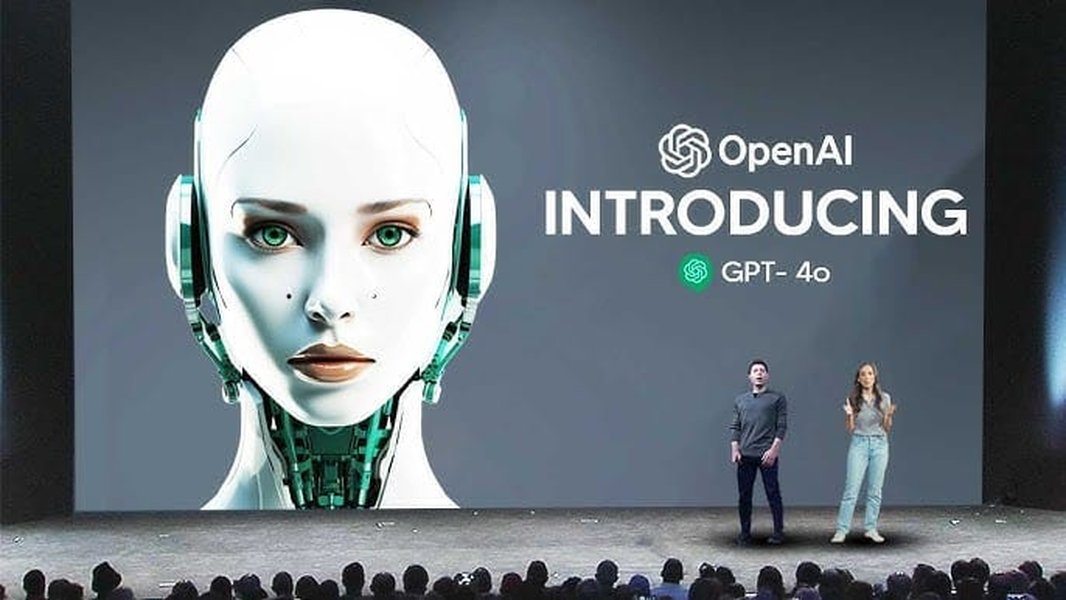
GPT-4o represents a shift from AI assistant to collaborative partner
OpenAI's o3-mini launch generated both excitement and debate in the AI community
Expert Demonstrations
This video provides an in-depth comparison between GPT-4.5 and GPT-4o, highlighting their key differences and ideal use cases:
The video examines whether GPT-4.5's significant price premium (10.7x higher than GPT-4o) is justified by its performance improvements.
Practical Decision-Making Guide
When to Choose Each Model
Selecting the right model depends on your specific requirements and constraints:
Choose GPT-4o when:
- You need to work with both text and images in a single workflow
- Speed and cost-efficiency are important considerations
- You're working on creative writing or conversational applications
- You need a versatile general-purpose AI for everyday tasks
Choose GPT-4.5 when:
- Factual accuracy and reduced hallucinations are critical
- You're working in professional or academic contexts
- You need structured, step-by-step solutions
- Budget constraints are less important than performance
Choose o1 when:
- Complex reasoning and problem-solving are your primary concerns
- You're working on academic research or detailed analysis
- You need superior logical capabilities for specialized tasks
- Processing time is less important than solution quality
Choose o3-mini when:
- You're focusing on STEM tasks, coding, or technical applications
- Cost-efficiency is a significant factor
- You need a larger context window (128k tokens)
- You value step-by-step reasoning for problem-solving
Frequently Asked Questions
References
- ChatGPT-4.5 vs GPT-4o: Which AI Model Is Right for You? - LateNode
- GPT-4o vs GPT-4.5 - Detailed Performance & Feature Comparison - DocsBot
- GPT-4.5 is Here, But is it Really an Upgrade? - Reddit
- OpenAI o3-mini vs. o1 vs Deepseek r1 - Composio
- Comparing OpenAI's o3 mini vs o3 mini high vs o1 pro - WritingMate
- ChatGPT o1 vs. o3-mini: A Practical Showdown Based on Latest Benchmarks - Medium
- Is o3-mini Better Than o1 for Image Analysis? - Analytics Vidhya
Recommended Queries
Last updated April 4, 2025