
Enhancing Competitive Position in the Grocery Retail Industry
Analyzing how competitors can strategically improve their market stance versus Trader Joe's by leveraging unique strategies and numbers
Key Insights
- Expanding and Differentiating Product Offerings: Competitors must diversify their selections, incorporating exclusive private labels and specialty items.
- Optimizing In-Store and Digital Experiences: Strategies include enhancing customer service, innovative store layouts, and robust online shopping platforms.
- Improving Operational Efficiencies and Pricing Strategies: Focusing on supply chain optimization and strategic pricing can be a game changer.
Introduction
With the grocery retail industry evolving rapidly, competitors need carefully designed strategies to improve their standings relative to popular chains like Trader Joe's. This analysis will delve into various aspects, including product differentiation, store experience, pricing and operational efficiency, digital engagement, and market expansion. Notably, Trader Joe's unique business model — characterized by around 587 stores across the United States, heavy reliance on private labels (around 80%), and innovative in-store experiences such as tastings and demonstrations — sets a high bar for competitors.
Market Landscape and Trader Joe's Benchmark
Understanding the current competitive environment requires a clear look at the benchmarks set by Trader Joe's. With approximately 587 stores in operation as of 2025, Trader Joe's poses a strong brand identity that thrives on limited product lines, a simplistic pricing model, and great in-store engagement. Its approach of offering mainly private-label products, which are updated frequently, has created a loyal customer base that appreciates high-quality yet affordable products. The effectiveness of Trader Joe's model can be measured by its impressive sales per square foot compared to competitors, offering valuable insights into the strategies competitors might adopt to improve their competitive positioning.
Strategies for Competitors to Enhance Their Competitive Position
1. Expanding Product Selection and Differentiation
While Trader Joe's operates with a limited yet carefully selected product range, its competitors can aim to expand their product lines by incorporating both a broad array of national brands and competitive exclusive offerings. Detailed initiatives include:
a. Development of Exclusive Private Labels
An increasing focus on private-label products can reduce competitors' reliance on national brands and increase profit margins. Innovating in the realm of private labels—by creating varieties that emphasize unique ingredients, organic certifications, and localized flavors—will differentiate their offerings. Although Trader Joe's private-label strategy accounts for a significant portion of its product line, competitors can still harness unique product innovations to captivate markets seeking premium or artisanal products.
b. Broadening Specialty and Niche Offerings
To capture consumer segments looking for health and specialty food choices, retailers can introduce well-curated selections that include organic, vegan, gluten-free, and locally-sourced items. By turning to niche markets, competitors can create clear distinctions from the Trader Joe's model. This diversification also complements the rising consumer trends that are shifting towards sustainability, health consciousness, and ethical sourcing.
c. Utilizing Innovation in Product Rotations
In-store excitement can also be built around frequent product rotations that echo Trader Joe’s approach to offering new products on a regular basis. By introducing seasonal items, limited-edition products, and exclusive collaborations, companies can foster a dynamic shopping environment that keeps repeat customers intrigued.
2. Enhancing In-Store Experience and Customer Engagement
Trader Joe's is often celebrated for its exceptional store ambiance and customer-centric approach. Competitors looking to challenge this include implementing measures to create engaging and interactive shopping experiences:
a. Improving Store Layout and Atmosphere
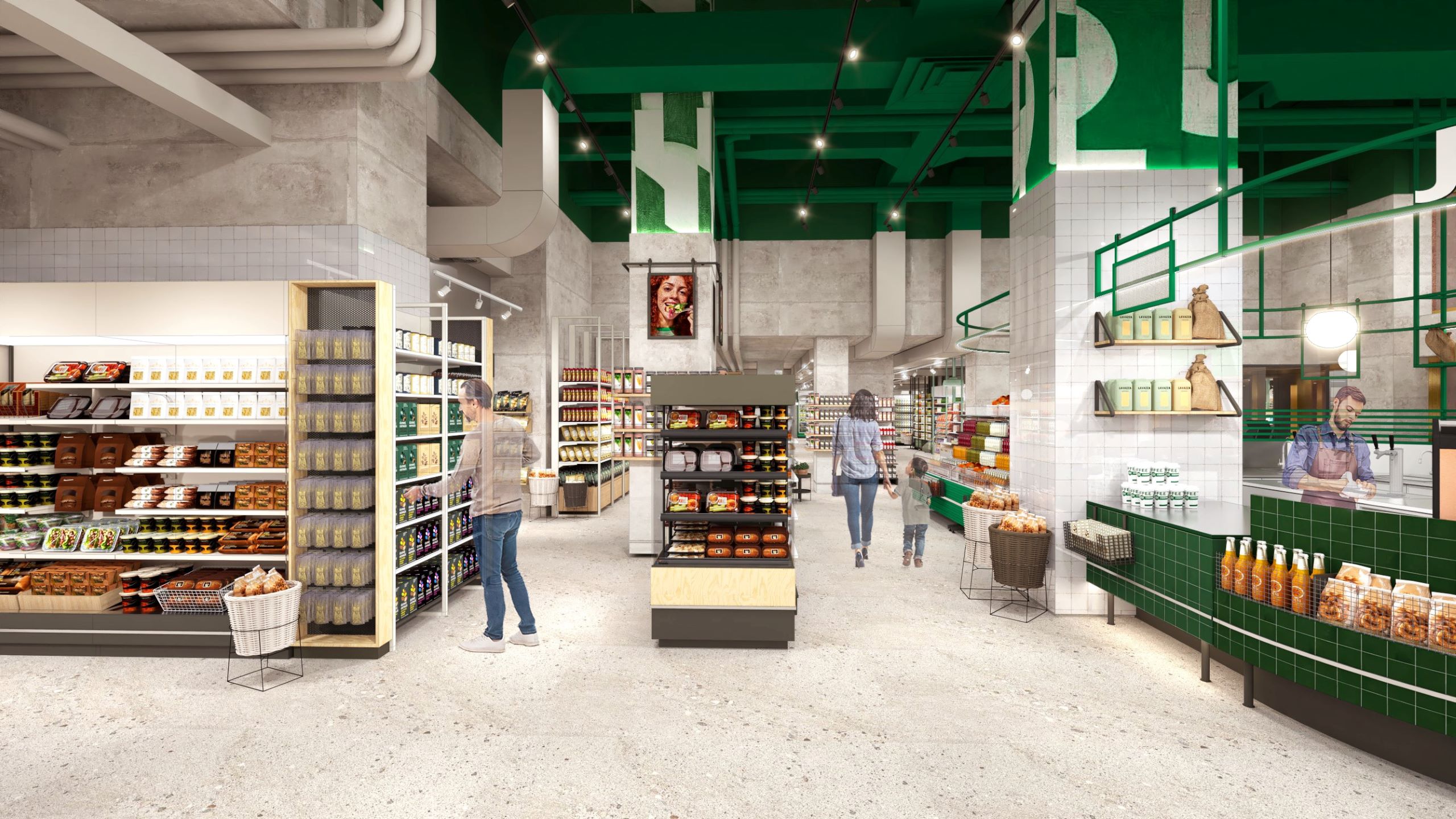
A welcoming store layout that encourages exploration can significantly influence customer satisfaction. Stores should be designed to be more intimate and inviting, incorporating elements like open spaces, well-organized product sections, and natural lighting. Smaller, modular store formats could also emulate the charm and personalized touch commonly associated with Trader Joe's venues.
b. Innovative In-Store Experiences
Enhancing the customer journey through in-store sampling, cooking demonstrations, and product tutorials will not only build product familiarity but also direct consumer interest toward newly introduced items. These tactics foster brand loyalty by creating memorable experiences many customers associate with their shopping trips.
c. Superior Customer Service and Engagement
Investing in high-quality customer service training is essential. Employees should be equipped to provide knowledgeable assistance and personalized recommendations. Additionally, setting up customer loyalty programs and feedback mechanisms can help create a more invested consumer base that feels connected to the store’s brand.
3. Leveraging Technology and Enhancing Digital Presence
In today’s competitive retail environment, a robust digital presence is indispensable. While Trader Joe’s maintains a comparatively low-key approach to digital platforms, competitors can take advantage of online shopping trends and technological innovations:
a. Developing Comprehensive E-commerce Platforms
Investing in state-of-the-art online shopping infrastructures—including user-friendly websites and mobile applications—can significantly boost market accessibility. Offering a seamless integration of online and offline shopping experiences, such as curbside pickup and home delivery services, ensures that retailers meet the evolving expectations of digital-savvy consumers.
b. Enhanced Digital Marketing and Social Media Engagement
Competitors should focus on building strong digital marketing strategies that increase engagement through active social media presence, targeted advertising, and interactive content. This tactic not only improves brand visibility but also allows for the creation of a community around the brand, driving customer sentiment and loyalty.
c. Loyalty Apps and Data-Driven Personalization
Integrating loyalty apps that track purchasing trends, send personalized recommendations, and provide incentives can help establish a personalized shopping experience. Utilizing data analytics, retailers can tailor marketing strategies and product offerings, further enhancing customer retention.
4. Pursuing Market Expansion and Store Network Growth
Expanding the number of store locations strategically is a crucial lever for increasing market share. A broader geographical presence can potentially offset the localized influence held by Trader Joe’s through its more limited store footprint.
a. Strategically Selecting New Store Locations
Focus should be on regions with high household incomes, educational backgrounds, and consumer demographics that value quality and freshness. Emerging suburban areas, previously underserved by premium grocery chains, offer potential markets for expansion.
b. Utilizing a Hybrid Store Model
Some retailers might benefit from adopting a hybrid model that includes both large format “superstores” and smaller urban stores. While the large stores ensure volume sales and broader selection, smaller stores can focus on intimate experiences and tailored, higher-end products — thus remaining competitive against Trader Joe’s boutique environment.
c. Integration of Omnichannel Strategies
Leveraging omnichannel strategies that connect digital and physical retail spaces can further ensure that customers have multiple convenient options for purchasing products, whether online or in person. This integration could include personalized online portals, effective inventory management, and smooth logistic operations that guarantee timely delivery.
5. Enhancing Operational Efficiency and Supply Chain Management
To compete with Trader Joe’s lean operational model, competitors must prioritize cost-efficient systems and direct supplier relationships. This approach not only minimizes middleman costs but also secures higher profit margins which can subsequently fuel competitive pricing strategies.
a. Simplifying Supply Chains
Reducing the number of intermediaries by fostering direct relationships with producers and suppliers can streamline operations. Global sourcing and direct vendor partnerships enable more competitive pricing and scalability, allowing retailers to quickly adapt to market changes and fluctuations in demand.
b. Implementing Technological Innovations in Logistics
Using advanced supply chain technologies—such as real-time tracking, inventory management software, and predictive analytics—can help optimize costs and improve efficiency in delivery operations. This technological leap forwards would position retailers to better manage stock levels and reduce wastage.
c. Focus on Cost Leadership
By aggressively managing overheads, transportation costs, and labor expenses, competitors can pass on cost savings to consumers while maintaining healthy profit margins. This volume-based strategy can be further enhanced by unit economics analysis, using parameters like sales per square foot to continually refine operational processes.
6. Pricing Strategies and Financial Performance Metrics
Competitive pricing and clear metrics of financial performance are critical in delineating value propositions in an industry driven by both quality and cost. While Trader Joe's is known for its value-for-money appeal, some competitors can focus on differentiating further by balancing affordability with quality.
a. Price Competitiveness
Retailers such as ALDI, Costco, and Walmart might emphasize dynamic pricing strategies that allow them to undercut competitors when possible. For example, while Trader Joe's records impressive sales metrics (approximately \$1,750 in sales per square foot in some reports), competitors with broader product lines can target niche markets with volume discounts or seasonal promotions to attract price-sensitive consumers. Balancing this will be crucial to ensure that quality remains uncompromised.
b. Financial Benchmarking and Analytics
Competitors should adopt robust financial performance metrics that guide their pricing and investment strategies. Regular benchmarking against key performance indicators, such as sales per square foot, average basket size, and profit margins, will help in identifying operational gaps and opportunities for improvement. Analytical insights drawn from these metrics can drive smarter decision-making regarding store investments, product launches, and promotional campaigns.
c. Comparative Analysis Table
Below is a table comparing a few key financial and operational metrics between Trader Joe’s and select competitors. This visualization aids in understanding the relative scales and where competitors might need to focus:
| Metric | Trader Joe's | Competitor A (e.g., Walmart) | Competitor B (e.g., Whole Foods) |
|---|---|---|---|
| Number of Stores | ~587 | Over 4,700 | Approximately 500 |
| Private Label Focus | ~80% of items | 30-40% | 50-60% |
| Sales per Square Foot | \( \$1,750 \) | \( \$400-600 \) | \( \$900-1,200 \) |
| Employee Count | 50,000+ | Over 2 million | 150,000+ |
This table underscores the varied operational scales and areas where competitors can focus to rival Trader Joe’s efficiency and customer appeal.
7. Marketing, Branding, and Customer Loyalty Initiatives
Apart from product and operational strategies, an effective branding and marketing strategy is pivotal. Competitors can tap into underutilized digital platforms to improve consumer engagement while reinforcing their brand image.
a. Leveraging Social Media for Customer Engagement
Competitors have the opportunity to incrementally build a robust social media strategy, sharing stories behind their products, insider tips on sourcing, sustainability initiatives, and community events. By clearly communicating the company’s commitment to quality and customer service, businesses can create an authentic brand persona that resonates with target demographics.
b. Implementing Cohesive Loyalty Programs
Creating loyalty programs that reward consistent purchases, offer personalized discounts, and provide special invitations to in-store events can enhance customer retention. Such initiatives can be further improved with mobile applications that integrate data analytics to provide personalized shopping experiences.
c. Community Involvement and Localized Marketing
By engaging with the local communities through events, tastings, and partnerships with local producers, retailers can foster trust and loyalty. These grassroots marketing strategies enhance the visibility of the brand and help in creating a sense of community.
Integrating Competitive Strategic Approaches
The competitive landscape in grocery retail is dynamic, and a multi-faceted approach is essential for success. By integrating the aforementioned strategies, competitors can create a competitive advantage that not only targets the limitations of Trader Joe’s model but also embraces emerging consumer trends. This integrated approach—combining diversified product offerings, enhanced store experiences, digital innovation, market expansion, efficient operations, and savvy marketing—positions competitors to effectively capture market share.
A Comprehensive Framework for Success
To synthesize the discussion, competitors in the grocery retail market should focus on a framework built around the following pillars:
Product Innovation and Differentiation
Engage in continuous product innovation by developing attractive private labels, expanding niche offerings, and refreshing product lines frequently. Ensuring the optimal mix of national brands and unique house brands can help in competing with Trader Joe's reputation for exclusivity.
Customer Experience Excellence
Investing in customer service training, enhancing store layouts, and introducing in-store sampling are crucial actions to create an engaging shopping environment. A seamless integration of physical and digital retail experiences is central to building a loyal customer base.
Operational and Pricing Efficiencies
Focus on streamlining supply chain operations and developing direct vendor partnerships to reduce costs, thus enabling price competitiveness. Embracing technology for better inventory control and logistics management will serve to improve overall operational efficiency.
Digital and Omnichannel Integration
Technology is a powerful enabler. Establishing comprehensive e-commerce platforms, enhancing app-based loyalty programs, and utilizing data-driven customer insights can carve out new market advantages. Emphasizing robust online and offline integration allows for fluid consumer experiences and responsiveness to market changes.
Targeted Marketing and Community Involvement
Market segmentation supported by data analytics enables more effective targeting. Combining traditional advertising with modern digital marketing tactics—and deepening engagement with local communities—helps reinforce trust and brand identity.
Conclusion
In conclusion, as the grocery retail sector continues to adapt to changing consumer trends, competitors looking to rival Trader Joe’s must adopt a balanced approach that leverages product innovation, operational efficiency, and customer engagement. With competitors focusing on expanding their store networks, diversifying product offerings, and enhancing digital outreach, the path forward is multifaceted. By integrating sophisticated supply chain management, superior in-store experiences, and cohesive marketing efforts, these companies have a strong chance of not only matching but potentially surpassing the competitive edge established by Trader Joe’s.
The overall strategy involves analyzing specific performance metrics—including store count, sales per square foot, and employee efficiency—while ensuring that each tactical move is responsive to consumer demands. The integration of technological innovations and the emphasis on localized marketing are essential for building deeper emotional connections with customers. Such strategies require both a strategic vision and tactical precision, ensuring that competitors are not merely reactive but actively shaping consumer trends in the future of grocery retail.
References
- Trader Joe's SWOT Analysis - Business Model Analyst
- Trader Joe's Marketing Strategy 2025 - Latterly.org
- Trader Joe's Marketing Strategy: Analyzing the Success - Contact Pigeon
- Location Analysis of Trader Joe's Stores - LocationsCloud
- Trader Joe's Competitors Overview - RocketReach
Recommended Queries for Deeper Insights
Last updated February 23, 2025