
Unlock Your Freedom: The Psychology of True Forgiveness
Discover how forgiveness can transform your mental well-being and help you reclaim your emotional power
The Essence of Forgiveness and Moving Forward
Forgiveness is a powerful but often misunderstood journey that allows you to release emotional burdens and reclaim your peace of mind. Rather than a single act, it's a process that unfolds gradually as you work through your emotions and change your perspective.
Key Foundations for Healing
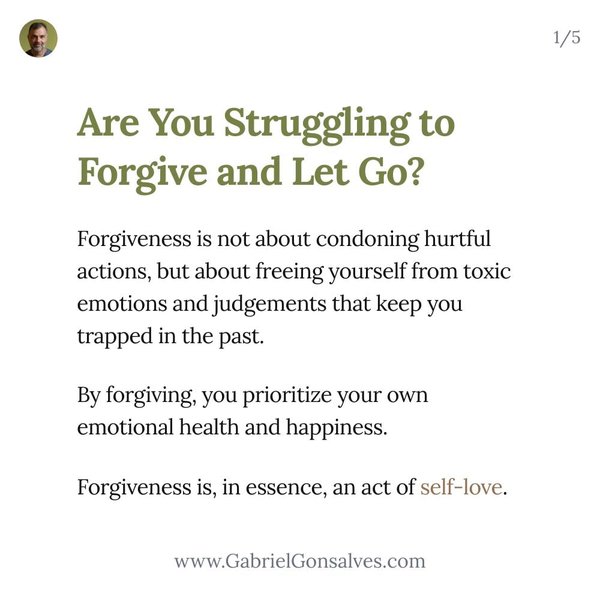
- Forgiveness is primarily for your well-being - It's about freeing yourself from negative emotions, not excusing harmful behavior
- Emotional processing is essential - Acknowledging and working through feelings of hurt, anger, and resentment creates space for healing
- The journey isn't linear - Expect fluctuations in emotions and accept that healing often follows a pattern of progress and temporary setbacks
The Forgiveness Process: Step-by-Step
1. Acknowledge and Process Your Emotions
The forgiveness journey begins with honest emotional recognition. Allow yourself to feel the full range of emotions triggered by the hurt - sadness, anger, confusion, or betrayal. Suppressing these feelings often prolongs healing and creates emotional blockages.
Healthy Emotional Processing Techniques
- Journaling to track and understand your emotions
- Mindfulness practices to observe feelings without judgment
- Talking with trusted friends or a therapist
- Physical exercise to release emotional tension
2. Self-Reflection and Understanding
Take time to analyze what happened objectively. This doesn't mean justifying harmful actions but understanding the broader context. Reflection helps you gain perspective and identify patterns that might need attention in future relationships.
Questions for Deeper Understanding
- What unmet needs were present in the situation?
- How did communication styles contribute to the conflict?
- What personal boundaries need strengthening?
- What can this experience teach you about yourself?
3. Practice Self-Compassion
Extend kindness and understanding to yourself throughout this process. Self-blame often accompanies hurt, but remember that being hurt doesn't reflect your worth or value. Treat yourself with the same compassion you would offer a good friend.
4. Make a Conscious Decision to Forgive
At some point, forgiveness becomes a choice - a deliberate decision to release the grip of resentment. This doesn't happen automatically but requires intention and commitment to your emotional freedom. Remember that you're doing this primarily for your well-being.
5. Let Go and Create Distance
Create emotional and sometimes physical distance from what caused your pain. This might involve limiting contact with certain people, avoiding triggering situations, or consciously redirecting thoughts when painful memories arise.
6. Build Support Systems
Surrounding yourself with supportive people provides emotional strength and perspective during difficult times. Healthy connections help counter isolation and remind you that you're valued and understood.
7. Focus on Moving Forward
Direct your energy toward creating a positive future rather than dwelling on past hurts. Set new goals, explore interests, and cultivate meaningful experiences that bring joy and fulfillment.
The Psychology of Forgiveness: Visual Analysis
Dimensions of the Forgiveness Process
This radar chart illustrates the different psychological dimensions involved in forgiveness and how they interact. Understanding these components helps create a balanced approach to healing.
Understanding the Forgiveness Journey
Mapping the Path to Emotional Freedom
This mindmap outlines the key components of forgiveness, illustrating how different elements interconnect to create lasting healing. Each branch represents an essential aspect of the forgiveness process.
Distinguishing Healthy vs. Unhealthy Forgiveness
Understanding the difference between healthy and unhealthy approaches to forgiveness is crucial. This table highlights key distinctions to help you navigate your healing journey effectively.
| Aspect | Healthy Forgiveness | Unhealthy Approaches |
|---|---|---|
| Emotional Processing | Acknowledges and works through difficult emotions | Suppresses or denies feelings to "move on quickly" |
| Timeline | Allows appropriate time for healing | Rushes forgiveness before processing emotions |
| Boundaries | Establishes clear boundaries for future interactions | Returns to harmful situations without change |
| Self-Worth | Maintains self-respect and personal dignity | Sacrifices needs and compromises values |
| Expectation | Seeks personal peace, regardless of the other's response | Demands changed behavior or apology as precondition |
| Perspective | Views forgiveness as a process that takes time | Treats forgiveness as a one-time decision or event |
| Future Focus | Learns from experience and applies insights | Remains stuck in patterns without growth |
Visual Exploration: The Psychology of Letting Go
These images illustrate different aspects of the forgiveness and emotional release process:
The journey from heartbreak to healing involves multiple stages of emotional processing

Letting go creates space for new growth and opportunities

Mindfulness practices can help process and release difficult emotions
Expert Insights: Understanding True Forgiveness
This video from psychologist Nick Wignall offers valuable perspectives on authentic forgiveness and emotional freedom:
Nick Wignall's psychological approach to forgiveness focuses on emotional processing and healthy boundaries, providing practical strategies for moving forward after being hurt. His evidence-based methods emphasize forgiveness as an internal process for your own wellbeing rather than an external validation of someone else's actions.
Frequently Asked Questions About Forgiveness
Does forgiveness mean I have to reconcile with someone who hurt me?
No, forgiveness and reconciliation are separate processes. Forgiveness is an internal process where you release negative emotions and find peace for yourself. Reconciliation is an external process that requires both parties to rebuild trust and repair the relationship. You can forgive someone without resuming a relationship with them, especially if doing so would put you at risk of further harm.
How long should the forgiveness process take?
There's no standard timeline for forgiveness. The process varies widely depending on factors like the severity of the hurt, your relationship with the person, your personal history, and your support system. Minor offenses might be forgiven quickly, while deep betrayals may take months or even years to fully process. The key is to honor your own emotional journey rather than rushing based on external expectations.
What if I can't stop thinking about what happened?
Persistent thoughts about painful events are normal, especially in the early stages of processing. Rather than trying to force these thoughts away (which often strengthens them), try mindfulness techniques to observe your thoughts without judgment. Regular journaling, talking with a therapist, and gradually building new positive experiences can help reduce rumination over time. If intrusive thoughts significantly impact your daily functioning, professional support from a mental health provider may be beneficial.
Should I tell the person I've forgiven them?
Whether to communicate your forgiveness depends on several factors. If maintaining a relationship is important and safe, a conversation might support healing. However, forgiveness doesn't require the other person's participation or acknowledgment - it's primarily for your benefit. In cases of abuse or where contact could be harmful, prioritize your safety and well-being over communicating forgiveness. Remember that forgiveness can be complete without ever informing the other person.
How do I know if I've truly forgiven someone?
True forgiveness is often recognized through internal changes rather than external actions. Signs include: being able to think about the person or event without intense negative emotions, no longer defining yourself primarily by the hurt, feeling a sense of emotional freedom, wishing the person well (or at least neutral feelings), and focusing more on your present and future than on the past hurt. Remember that forgiveness is often a process rather than a destination - you may experience varying levels of these indicators as you heal.
References
- How to Move On - PsychAlive
- How to Let Go of Someone - BetterUp
- Forgiveness: Letting go of grudges and bitterness - Mayo Clinic
- How to Forgive Someone: Benefits, Tips, and Strategies - Healthline
- How to Forgive Someone Who Has Hurt You - wikiHow
- 7 Ways to Forgive Someone and Move On - Power of Positivity
- Seven Ways to Shift Your Difficult Emotions - Greater Good Magazine
Explore More
Last updated April 8, 2025