
Complex PTSD: Understanding Causes, Recovery, and Prognosis
In-depth analysis from psychological, psychoanalytic, and recent research perspectives
Key Takeaways
- Chronic Interpersonal Trauma: Prolonged exposure to trauma, especially involving trusted individuals, is a primary cause of CPTSD.
- Multifaceted Recovery Plans: Effective recovery requires a combination of trauma-focused therapies, psychoanalytic approaches, and strong social support systems.
- Variable Prognosis: Outcomes depend on factors like trauma severity, access to treatment, and individual resilience, with many experiencing significant improvement.
Causes of Complex PTSD
Chronic and Interpersonal Trauma
Complex Post-Traumatic Stress Disorder (CPTSD) arises primarily from prolonged and repeated exposure to traumatic events, often of an interpersonal nature. Unlike traditional PTSD, which can result from a single incident, CPTSD is typically linked to enduring situations where the individual feels trapped and powerless. Common causes include:
- Childhood Abuse or Neglect: Repeated physical, emotional, or sexual abuse during formative years significantly contributes to the development of CPTSD. Chronic neglect or the absence of a safe and supportive environment can hinder emotional and psychological development.
- Domestic Abuse or Violence: Sustained exposure to controlling and abusive relationships, whether physical, emotional, or psychological, can lead to CPTSD.
- Human Trafficking, Exploitation, or Imprisonment: Situations where individuals are subjected to ongoing control and lack of autonomy, such as in cases of human trafficking or prolonged imprisonment, are high-risk factors.
- Prolonged Warfare or Oppression: Individuals exposed to continuous conflict, systematic oppression, or living as refugees in unstable conditions are susceptible to developing CPTSD.
- Natural Disasters or Chronic Medical Conditions: Extended exposure to natural disasters or living with chronic illnesses that limit autonomy and control can also contribute to CPTSD.
Attachment Disruption and Lack of Agency
Psychologists and psychoanalysts emphasize that disruptions in early attachment systems play a critical role in the development of CPTSD. Traumatic experiences during childhood, especially those involving primary caregivers, can destabilize secure attachment bonds, leading to profound emotional dysregulation and impaired interpersonal relationships later in life. Additionally, the pervasive sense of helplessness and lack of control within traumatic environments fosters feelings of helplessness and shame, further entrenching CPTSD symptoms.
Recovery Plans for Complex PTSD
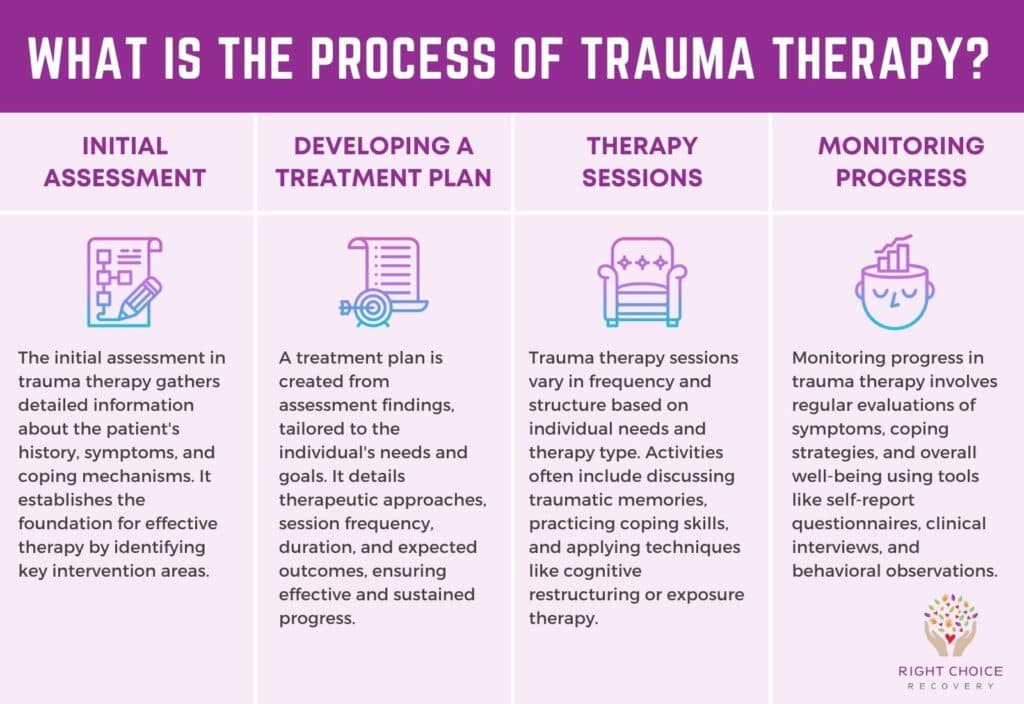
Trauma-Focused Therapies
Effective recovery from CPTSD necessitates targeted therapeutic interventions designed to address and process traumatic experiences. Key trauma-focused therapies include:
- Prolonged Exposure Therapy (PE): This therapy encourages individuals to confront and gradually process traumatic memories and triggers, reducing the emotional impact over time.
- Eye Movement Desensitization and Reprocessing (EMDR): EMDR utilizes bilateral stimulation (such as eye movements) to help reprocess and integrate traumatic memories, alleviating their distressing effects.
- Cognitive Behavioral Therapy (CBT): CBT focuses on identifying and altering negative thought patterns and beliefs that have developed as a result of trauma, fostering healthier cognitive frameworks.
- Narrative Exposure Therapy (NET): NET involves constructing a coherent narrative of one’s traumatic experiences, facilitating emotional integration and diminishing the power of traumatic memories.
Psychoanalytic and Relational Therapies
Psychoanalytic approaches delve into the unconscious processes and early attachment disruptions that contribute to CPTSD:
- Psychodynamic Therapy: This form of therapy explores unconscious conflicts and the impact of early attachment patterns, helping individuals understand and resolve deep-seated emotional issues.
- Relational Therapy: Emphasizing the therapeutic relationship, this approach uses interactions within therapy to model and foster healthier relationships and emotional connections.
Integrative Approaches
Integrative therapies combine multiple modalities to address the multifaceted nature of CPTSD:
- Somatic Experiencing: This approach focuses on body awareness to release stored trauma, addressing the physical manifestations of traumatic stress.
- Mindfulness-Based Therapies: Mindfulness practices promote present-moment awareness and emotional regulation, helping individuals manage stress and anxiety related to CPTSD.
- Art and Music Therapy: Creative therapies provide non-verbal outlets for expressing and processing traumatic experiences, facilitating emotional healing.
Self-Help and Social Support
In addition to formal therapies, self-help strategies and robust social support systems are crucial for recovery:
- Support Groups: Engaging with others who have similar experiences fosters a sense of community, validation, and shared understanding.
- Self-Compassion Practices: Techniques that encourage kindness and acceptance towards oneself help mitigate self-blame and shame associated with trauma.
- Lifestyle Changes: Incorporating regular exercise, healthy eating, and adequate sleep supports overall well-being and resilience.
Medication
Pharmacotherapy can be an adjunct to therapy, helping manage symptoms such as depression, anxiety, and sleep disturbances. Common medications include:
- Antidepressants (e.g., SSRIs)
- Anti-anxiety medications
- Sleep aids
While medications can alleviate certain symptoms, they are most effective when combined with therapeutic interventions.
Prognosis for Complex PTSD
Positive Prognostic Factors
The likelihood of recovery from CPTSD is influenced by several positive factors:
- Early Intervention: Accessing trauma-focused therapy soon after the traumatic events can lead to better outcomes.
- Strong Social Support: Having a reliable support network provides emotional stability and encouragement throughout the recovery process.
- High Motivation: Individuals who are actively engaged and motivated in their treatment tend to experience more significant improvements.
Challenges
Despite the potential for recovery, individuals with CPTSD may face ongoing challenges:
- Emotional Dysregulation: Persistent difficulties in managing emotions can continue to impact daily functioning and relationships.
- Relationship Difficulties: Trust issues and impaired interpersonal skills may hinder the formation of healthy relationships.
- Co-occurring Conditions: The presence of additional mental health issues, such as substance use disorders, can complicate treatment and recovery.
Latest Research Insights
Recent studies and clinical research provide valuable insights into effective treatments and factors influencing prognosis:
- Intensive Trauma-Focused Programs: An 8-day intensive program demonstrated that over 85% of participants no longer met CPTSD criteria post-treatment, highlighting the effectiveness of concentrated therapeutic efforts.
- Patient-Led Research Participation: Involvement in research activities has been shown to enhance self-esteem, empowerment, and social inclusion, contributing positively to the recovery process.
- Effective Trauma-Processing Interventions: Systematic reviews suggest that therapies directly targeting painful memories significantly reduce core symptoms, although the reintegration phase requires further refinement to optimize long-term outcomes.
Chronic Nature and Long-Term Management
While many individuals experience substantial improvement, CPTSD can be a chronic condition for some, requiring ongoing management:
-
Long-term therapeutic support may be necessary to maintain progress and manage relapses.
-
Continued practice of self-regulation and coping strategies helps sustain emotional stability.
-
Engagement in community and advocacy can provide a sense of purpose and belonging, further supporting recovery.
Conclusion
Complex PTSD is a profound mental health condition arising from sustained and interpersonal trauma, significantly impacting an individual's emotional regulation, self-perception, and relationships. Recovery is a multifaceted journey that benefits from a combination of trauma-focused therapies, psychoanalytic approaches, integrative treatments, and robust social support systems. While the prognosis varies based on multiple factors, including the severity of trauma and access to effective treatment, many individuals achieve meaningful improvements and enhanced quality of life through dedicated therapeutic interventions and support. Ongoing research continues to refine treatment methodologies, offering hope for more effective and personalized recovery strategies in the future.
References
Last updated January 22, 2025