
Composition of Chemtrails
Unveiling the Truth Behind Atmospheric Trails
Key Takeaways
- Contrails are primarily composed of water vapor and ice crystals, not chemicals.
- The persistence and appearance of contrails depend on atmospheric conditions such as humidity and temperature.
- There is no credible scientific evidence supporting the existence of chemtrails as intentional chemical dispersal.
Introduction
The term "chemtrails" has been a focal point of various conspiracy theories, suggesting that the visible trails left by aircraft, commonly known as contrails, are actually chemical or biological agents deliberately sprayed into the atmosphere for undisclosed purposes. This document seeks to provide a comprehensive analysis of the composition of chemtrails by synthesizing credible scientific information, dispelling myths, and clarifying misunderstandings surrounding this topic.
Understanding Contrails
What Are Contrails?
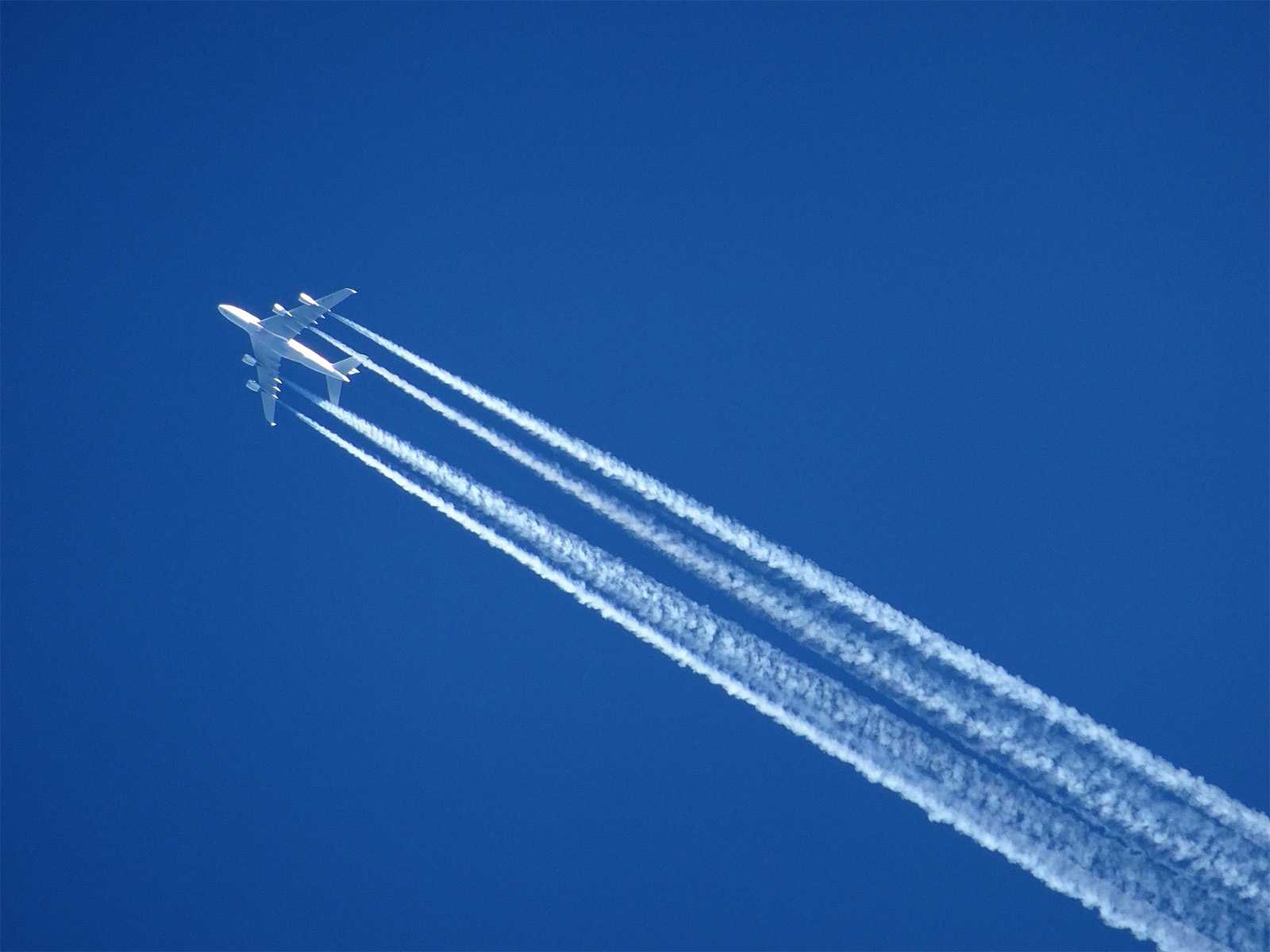
Contrails, short for condensation trails, are visible trails of condensed water vapor formed behind aircraft engines. They are similar to the trails left by ships in cold sea air. Contrails form when hot, humid air from aircraft engines mixes with the colder, low-pressure air at high altitudes, leading to the condensation of water vapor into tiny water droplets or ice crystals.
Formation Process
The formation of contrails involves several key atmospheric processes:
- Engine Exhaust: Aircraft engines emit hot, moist exhaust gases that contain water vapor as a byproduct of fuel combustion.
- Ambient Conditions: When these exhaust gases encounter the frigid temperatures and low humidity of the upper atmosphere, the water vapor rapidly cools and condenses.
- Condensation and Freezing: The condensed water vapor forms tiny liquid droplets or freezes into ice crystals, creating the visible trail known as a contrail.
Types of Contrails
Contrails can vary in appearance and longevity based on atmospheric conditions:
- Short-Lived Contrails: These dissipate quickly shortly after formation, typically lasting less than 10 minutes.
- Persistent Contrails: These endure for extended periods and can spread out to form cirrus-like cloud formations, depending on the surrounding humidity and temperature.
The Chemtrail Conspiracy Theory
Origins and Claims
The chemtrail conspiracy theory posits that certain contrails are not merely water vapor but contain chemical or biological agents intentionally dispersed by unknown entities. Advocates of this theory suggest various motives behind such activities, including weather manipulation, population control, or other covert operations.
Common Alleged Ingredients
Proponents of the chemtrail theory often claim that the trails contain a variety of substances, including but not limited to:
- Aluminum compounds (e.g., aluminum oxide)
- Barium chloride
- Strontium sulfate
- Synthetic polymers
- Bio-nano particles
- Radioactive elements like thorium and cesium
Purported Purposes
The alleged purposes behind chemtrail spraying range widely in conspiracy narratives:
- Weather modification and climate control
- Population control through health impacts
- Geoengineering initiatives with undisclosed agendas
- Psychological manipulation or mind control
Scientific Analysis of Contrail Composition
Primary Components of Contrails
- Water Vapor (H₂O): The main constituent resulting from the combustion of jet fuel.
- Ice Crystals: Formed when water vapor condenses and freezes in the cold upper atmosphere.
- Soot and Soot Particles: Resulting from incomplete combustion of hydrocarbons in jet fuel.
- Sulfur Compounds: Such as sulfur dioxide (SO₂), produced during fuel combustion.
- Nitrogen Oxides (NOx): Emitted from jet engines as a byproduct of high-temperature combustion.
Absence of Unusual Chemicals
Extensive scientific research and atmospheric studies have consistently found that contrails are composed of the aforementioned components without any additional or unusual chemicals. The presence of metals or other agents as claimed by chemtrail theories lacks empirical support.
Empirical Evidence Against Chemtrails
Numerous studies and environmental assessments have failed to detect elevated levels of alleged chemtrail substances in air, soil, or water samples. For instance:
-
Air quality measurements by environmental agencies show no abnormal concentrations of heavy metals or other toxins in areas with persistent contrails.
-
Soil and water analyses do not reveal the presence of synthetic polymers or bio-nano particles purportedly linked to chemtrails.
-
Radiological assessments have found no evidence of increased radioactive elements in locations beneath contrail paths.
Atmospheric Conditions Affecting Contrail Persistence
Temperature
Temperature plays a crucial role in the formation and persistence of contrails. Extremely low temperatures at high altitudes facilitate the rapid freezing of water vapor into ice crystals, making contrails more likely to persist and spread.
Humidity
High ambient humidity levels contribute to the longevity and expansion of contrails. When the surrounding air contains significant moisture, it allows the ice crystals in contrails to remain intact for longer periods, sometimes transitioning into broader cloud formations.
Atmospheric Pressure
Low atmospheric pressure at cruising altitudes affects the condensation process, influencing the density and visibility of contrails. Variations in pressure can determine whether contrails dissipate quickly or linger in the sky.
Debunking the Chemtrail Theory with Scientific Evidence
Consensus Among Atmospheric Scientists
A comprehensive survey of atmospheric scientists indicates a unanimous rejection of the chemtrail theory. The scientific community recognizes contrails as natural phenomena resulting from aircraft operations under specific atmospheric conditions, with no evidence supporting the intentional spraying of chemicals.
Government and Regulatory Agency Statements
Agencies such as the Environmental Protection Agency (EPA) and the Federal Aviation Administration (FAA) in the United States have explicitly denied the existence of chemtrail programs. Their statements emphasize that contrails are solely composed of exhaust byproducts and that no secret large-scale chemical dispersal is occurring.
Lack of Detectable Evidence
Despite persistent claims, there has been no verifiable evidence uncovering the presence of the substances alleged to be contained in chemtrails. Independent testing and analysis have consistently failed to find the supposed chemicals in atmospheric samples.
Comparative Analysis: Contrails vs. Alleged Chemtrails
| Aspect | Contrails | Chemtrails |
|---|---|---|
| Composition | Water vapor, ice crystals, trace engine emissions (soot, sulfate particles) | Aluminum compounds, barium chloride, synthetic polymers, bio-nano particles, radioactive elements |
| Formation Mechanism | Condensation of water vapor from aircraft exhaust under cold atmospheric conditions | Alleged intentional spraying of chemical or biological agents by unknown entities |
| Scientific Evidence | Well-documented and studied with consistent findings across multiple studies | No credible scientific evidence or empirical data supporting existence |
| Persistence Factors | Atmospheric humidity and temperature determine whether contrails persist or dissipate | N/A – Persistence attributed to alleged chemical properties, not supported by evidence |
| Expert Consensus | Agrees on natural formation and composition of contrails | Rejected by the scientific community as lacking basis and evidence |
Addressing Common Misconceptions
Contrails vs. Contrafogs
A common point of confusion is the differentiation between contrails and contrafogs. Contrafogs are a type of cloud formation that resemble contrails but form under different atmospheric conditions. Unlike contrails, which are directly caused by aircraft engine exhaust, contrafogs can result from other meteorological phenomena and often appear similar superficially.
Visibility of Contrails at Different Altitudes
Contrails are typically visible at cruising altitudes of commercial flights, around 8 to 12 kilometers above sea level. The visibility and thickness of contrails can vary based on the angle of the sun, the observer's location, and the time of day, contributing to the perception that some trails are unnatural or extended.
Environmental Impact of Contrails
While contrails themselves are composed mainly of water vapor and ice, the broader impact of aircraft emissions on the environment is a legitimate area of study. Contrails can contribute to cloud formation, which in turn can influence local and global climate patterns. However, this influence is a natural consequence of atmospheric interactions rather than an intentional effort to modify the environment through chemtrails.
Investigative Findings and Reports
Surveys of Atmospheric Scientists
A survey involving 77 atmospheric scientists revealed a unanimous stance against the chemtrail theory. The overwhelming majority acknowledged that contrails are a well-understood phenomenon resulting from standard aircraft operations, with no evidence to support the existence of chemtrails.
Government Investigations
Multiple government bodies have conducted investigations into the chemtrail claims. Findings consistently indicate that there is no large-scale, covert program aimed at dispersing chemicals via aircraft. Agencies have attributed sightings of persistent trails to natural atmospheric conditions and confirmed the absence of chemical agents beyond typical engine emissions.
Independent Research Studies
Independent research has focused on analyzing air, soil, and water samples for the presence of alleged chemtrail substances. These studies have failed to identify any significant concentrations of the chemicals cited by conspiracy theorists, reinforcing the scientific consensus that chemtrails do not exist.
Conclusion
The notion of chemtrails as intentional chemical or biological agents sprayed into the atmosphere lacks credible scientific evidence and is widely discredited by experts in atmospheric science. Contrails, the natural phenomenon resulting from aircraft exhaust, sufficiently explain the visible trails observed in the sky. Variations in contrail appearance and persistence are attributable to environmental factors such as humidity and temperature, not to secretive geoengineering or population control initiatives. The persistent belief in chemtrails undermines trust in scientific expertise and diverts attention from genuine environmental and atmospheric issues that warrant our focus and resources.
References
Last updated February 13, 2025