
Comprehensive Analysis of APT29
Unveiling the Strategies and Impact of a Pervasive Cyber Espionage Group
Key Takeaways
- Advanced Persistent Threat: APT29 is a highly sophisticated and persistent cyber espionage group associated with Russian state interests, targeting high-value entities globally.
- Diverse Tactics and Techniques: The group employs a wide range of tactics, including spearphishing, exploiting software vulnerabilities, advanced credential theft, and cloud-based attacks to infiltrate and maintain access to target networks.
- Significant Global Impact: APT29 has been behind several high-profile cyber intrusions, such as the SolarWinds compromise and the 2016 Democratic National Committee hack, highlighting the evolving nature of state-sponsored cyber threats.
Introduction to APT29
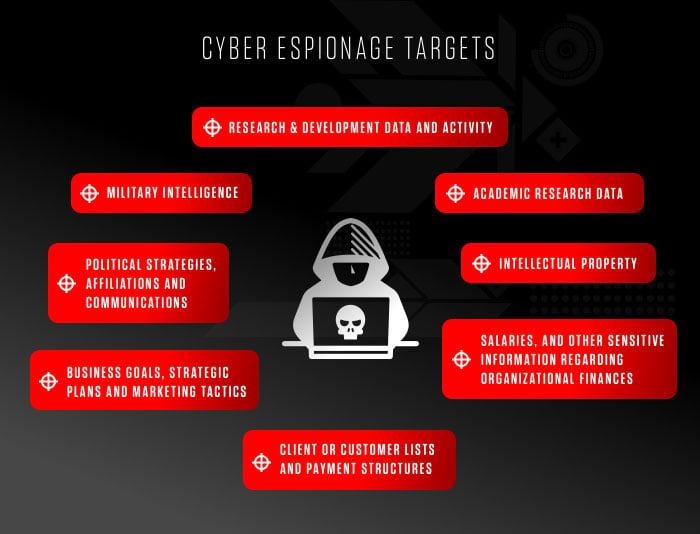
APT29, also known by monikers such as Cozy Bear, the Dukes, and Midnight Blizzard, is a highly sophisticated cyber espionage group attributed to Russia's Foreign Intelligence Service (SVR). Operational since at least 2008, APT29 has established itself as one of the most persistent and capable state-sponsored threat actors, targeting government agencies, diplomatic entities, research institutions, and high-value corporate organizations across the globe.
Origin and Attribution
APT29 is widely recognized by Western intelligence agencies as being closely linked to the Russian government, particularly to elements within Russia’s intelligence services. Unlike some threat actors that may exhibit a more aggressive or disruptive approach, APT29 is characterized by its "low and slow" operational style, emphasizing stealth and long-term intelligence gathering over immediate destructive actions. This methodical approach allows the group to remain undetected for extended periods, facilitating the accumulation of valuable intelligence without raising alarms.
Tactics, Techniques, and Procedures (TTPs)
Initial Access
APT29 employs a variety of sophisticated methods to gain initial access to target networks:
- Spearphishing Campaigns: The group frequently uses spearphishing emails containing malicious attachments or links. These emails are often meticulously crafted to appear legitimate, containing documents like Microsoft Word files or PDFs embedded with exploits that take advantage of software vulnerabilities.
- Exploitation of Software Vulnerabilities: APT29 has exploited vulnerabilities in widely used platforms such as Microsoft Exchange Server (CVE-2020-0688), Citrix (CVE-2019-19781), and Pulse Secure VPNs to breach networks.
- Compromised Accounts: The group has a history of compromising dormant and service accounts, enabling them to bypass multi-factor authentication (MFA) and gain unauthorized access.
Persistence and Lateral Movement
Once inside a network, APT29 employs several techniques to maintain persistence and move laterally:
- Persistence Mechanisms: The group utilizes Windows Management Instrumentation (WMI) event subscriptions, scheduled tasks, and web shells installed on compromised servers to maintain a foothold within the network.
- Lateral Movement: APT29 leverages compromised credentials alongside tools such as PowerShell, WMI, and Kerberos ticket attacks to navigate through the network. They often exploit administrative accounts to connect via SMB to various users and systems, facilitating widespread access.
Privilege Escalation
To gain higher levels of access within compromised environments, APT29 exploits known vulnerabilities. An example includes CVE-2021-36934, which allows privilege escalation on affected hosts, enabling the group to access sensitive areas of the network.
Defense Evasion
APT29 employs a range of techniques to evade detection and maintain stealth:
- Encryption and Obfuscation: Command and control (C2) communications are often encrypted using multiple layers, making it difficult for security tools to detect malicious traffic.
- Timestomping: The group alters file timestamps to make their tools and activities appear legitimate, thereby avoiding suspicion.
- Artifact Removal: Tools like SDelete are used to remove traces of their presence, and security monitoring services are disabled to prevent detection.
Credential Access
Stealing credentials is critical for APT29 to maintain access and facilitate lateral movement. Their methods include:
- Password Guessing and Brute-Force Attacks: Attempting to crack passwords to gain unauthorized access.
- Credential Dumping Tools: Utilization of tools like Mimikatz to extract browser cookies, LSA secrets, and other sensitive information.
Command and Control (C2)
APT29 ensures robust and concealed communication channels through which they control compromised systems:
- Dynamic DNS and Tor: Utilizing dynamic DNS providers and Tor networks to host C2 nodes, making it challenging to block or trace their communications.
- Social Media Platforms: In some campaigns, they have leveraged platforms like Twitter to host C2 communications, blending malicious traffic with legitimate social media activity.
- Residential Proxies: The use of residential proxies, including Azure Virtual Machines, helps obfuscate their true location and access to victim environments.
Exfiltration
Data exfiltration is typically conducted over HTTPS channels, sending password-protected archives to compromised servers, such as victims' Outlook Web Access (OWA) servers, ensuring the stolen data remains concealed during transfer.
Cloud-Based Attacks
Adapting to the increasing reliance on cloud infrastructure, APT29 has expanded its tactics to target cloud environments:
- Compromised Identities: Gaining access through VPNs, SSH, and other remote access tools by compromising legitimate user identities.
- Microsoft Graph API: Leveraging the Microsoft Graph API to perform various actions across Azure and Microsoft 365 environments.
- OAuth Abuse: Exploiting OAuth applications and service principals in Azure Active Directory to manipulate cloud services.
- Stolen PKI Keys: Utilizing stolen Public Key Infrastructure (PKI) keys and certificates to access and manipulate cloud services securely.
Table 1: APT29 Tactics, Techniques, and Procedures
| Tactic | Techniques | Description |
|---|---|---|
| Initial Access | Spearphishing, Software Exploits | Using malicious emails and exploiting software vulnerabilities to gain initial entry. |
| Persistence | WMI Subscriptions, Scheduled Tasks | Maintaining access through persistent mechanisms within the compromised network. |
| Lateral Movement | PowerShell, Kerberos Attacks | Navigating the network to access additional systems and data. |
| Privilege Escalation | Vulnerability Exploits | Gaining higher access levels by exploiting known vulnerabilities. |
| Defense Evasion | Encryption, Timestomping | Obfuscating activities to avoid detection by security systems. |
| Credential Access | Mimikatz, Brute-Force | Stealing and cracking credentials to obtain unauthorized access. |
| Command and Control (C2) | Tor, Social Media Platforms | Establishing covert communication channels for controlling compromised systems. |
| Exfiltration | HTTPS, Password-Protected Archives | Transferring stolen data securely out of the network. |
| Cloud-Based Attacks | OAuth Abuse, Microsoft Graph API | Targeting cloud services and manipulating cloud infrastructures. |
Notable Campaigns
SolarWinds Compromise (2020)
One of the most infamous incidents attributed to APT29, the SolarWinds compromise involved infiltrating the software supply chain to distribute malware. This allowed the group to gain access to numerous organizations globally, including U.S. government agencies and private sector entities. The campaign highlighted APT29's capability to execute large-scale, stealthy operations with far-reaching implications.
Operation Ghost
In this campaign, APT29 utilized social media platforms and steganography for command and control communications. By embedding malicious data within seemingly innocuous content, they successfully evaded detection while maintaining persistent access to targeted networks.
CloudHopper
Targeting managed service providers (MSPs), APT29 accessed the sensitive networks of MSP clients across various sectors. This supply chain attack underscored the group's strategic focus on high-value targets through intermediary networks, amplifying their reach and impact.
2016 Democratic National Committee (DNC) Hack
APT29 played a significant role in the 2016 DNC hack, where they infiltrated the networks of the Democratic National Committee. The breach resulted in the exfiltration of sensitive emails and documents, contributing to significant political ramifications in the United States.
2024 WINELOADER Campaign
Delivering malware via phishing emails and compromised websites, the 2024 WINELOADER campaign involved the use of obfuscated JavaScript and mshta.exe for payload execution. This campaign demonstrated APT29's evolving tactics in deploying advanced malware to breach target systems.
Mitigation and Detection Strategies
Technical Defenses
- Multi-Factor Authentication (MFA): Implementing robust MFA protocols can significantly reduce the risk of unauthorized access through compromised credentials.
- Regular Patching: Ensuring timely updates and patches for all software and systems helps close vulnerabilities that APT29 may exploit.
- Advanced Endpoint Detection and Response (EDR): Deploying EDR solutions can aid in identifying and mitigating lateral movement and credential access attempts by APT29.
- Network Segmentation: Dividing the network into segmented parts limits the ability of APT29 to move laterally and access critical systems.
Behavioral and Analytical Approaches
- Behavioral Analysis: Monitoring for unusual patterns such as repeated MFA requests, SSH port forwarding, and registry modifications can help detect APT29's activities.
- Threat Hunting: Proactively searching for signs of APT29 within the network environment enhances the chances of early detection and response.
- Breach and Attack Simulation (BAS): Utilizing frameworks like MITRE ATT&CK to emulate APT29’s attack chain allows organizations to test and strengthen their defenses against specific tactics used by the group.
Cloud Security Enhancements
-
Secure Cloud Configurations: Regular audits of cloud configurations and access rights help prevent unauthorized access and manipulation by APT29.
-
OAuth Application Management: Restricting and monitoring OAuth applications and service principals in Azure Active Directory mitigates the risk of OAuth abuse.
-
Continuous Monitoring: Implementing continuous monitoring for unauthorized API usage and unusual activities within cloud environments is crucial for early detection.
Information Sharing and Collaboration
Effective information sharing among nations and across the cybersecurity industry enhances the collective understanding of APT29’s methodologies. Collaborative efforts contribute to the development of more robust defense mechanisms and response strategies against such advanced threats.
Broader Impact of APT29 Operations
The activities of APT29 highlight the evolving challenges of modern cyber espionage, where nation-state actors leverage sophisticated techniques to infiltrate and extract sensitive data. The group’s operations have had significant implications for:
National Security
By targeting government agencies and political organizations, APT29 poses a direct threat to national security, potentially influencing policy decisions and undermining governmental operations.
Corporate Integrity
APT29’s targeting of high-value corporate entities across various sectors disrupts business operations and compromises intellectual property, thereby affecting industry competitiveness and innovation.
Digital Information Warfare
The group's operations contribute to the broader discourse on digital information warfare, emphasizing the need for enhanced cybersecurity resilience and proactive threat hunting to counteract state-sponsored cyber threats.
Conclusion
APT29 stands as a testament to the sophistication and persistence of state-sponsored cyber espionage groups in the modern digital landscape. Through a combination of advanced tactics, diverse attack vectors, and strategic targeting, APT29 has demonstrated its capability to infiltrate and exploit high-value networks across the globe. The group's emphasis on stealth and long-term intelligence gathering underscores the evolving nature of cyber threats, necessitating continuous advancements in cybersecurity defenses and collaborative efforts to mitigate such pervasive risks.
References
Last updated February 7, 2025