
Comprehensive Guide to Cellular Transport
Understanding the Mechanisms That Maintain Cellular Homeostasis
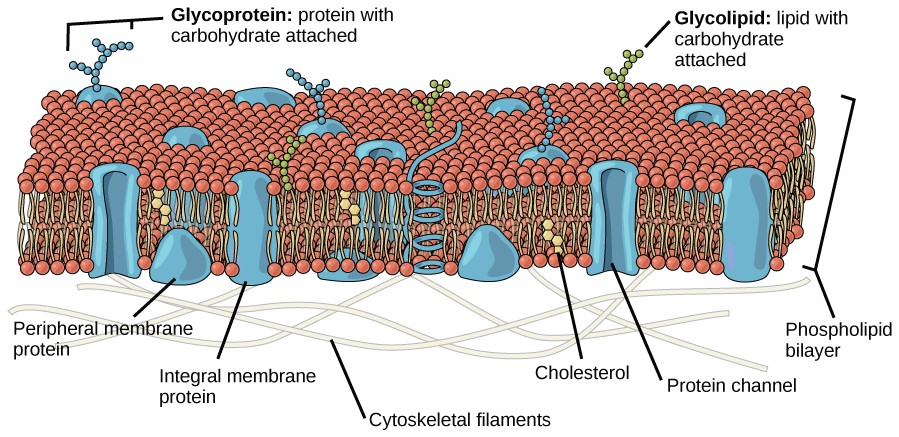
Key Takeaways
- Cellular transport is essential for maintaining homeostasis by regulating the movement of substances into, out of, and within cells.
- There are two primary types of cellular transport: passive transport, which does not require energy, and active transport, which does.
- Vesicular transport complements passive and active transport by facilitating the movement of large molecules and particles through endocytosis and exocytosis.
Introduction to Cellular Transport
Cellular transport refers to the movement of substances across the cell membrane, enabling cells to interact with their external environment, uptake necessary nutrients, eliminate waste products, and maintain internal conditions favorable for cellular processes. This transport is fundamental to cellular homeostasis, ensuring that cells receive the materials they need while disposing of harmful substances.
Types of Cellular Transport
Passive Transport
Passive transport involves the movement of molecules from an area of higher concentration to an area of lower concentration without the expenditure of cellular energy (ATP). This process relies on the natural kinetic energy of molecules and is driven by concentration gradients. Passive transport can be further subdivided into simple diffusion, facilitated diffusion, and osmosis.
Simple Diffusion
Simple diffusion is the most straightforward form of passive transport. It involves the direct movement of small, nonpolar molecules such as oxygen (O2) and carbon dioxide (CO2) through the phospholipid bilayer of the cell membrane. Since these molecules are lipophilic, they can easily traverse the membrane without the need for transport proteins.
Facilitated Diffusion
Facilitated diffusion allows the transport of larger or polar molecules that cannot directly diffuse through the lipid bilayer. This process employs specific transport proteins embedded in the cell membrane, such as channel proteins and carrier proteins, to facilitate the movement of substances like glucose, ions, and amino acids. While it does not require cellular energy, facilitated diffusion increases the selectivity and rate of substance movement across the membrane.
Osmosis
Osmosis is a specialized type of diffusion involving the movement of water molecules across a selectively permeable membrane. Water moves from areas of higher water concentration (lower solute concentration) to areas of lower water concentration (higher solute concentration). This process is crucial for maintaining cell turgor and regulating the internal environment of the cell.
Active Transport
Active transport requires the cell to expend energy, typically in the form of ATP, to move substances against their concentration gradient, from areas of lower concentration to areas of higher concentration. This mechanism is vital for maintaining concentration gradients of ions and other molecules, which are essential for various cellular functions.
Primary Active Transport
Primary active transport directly utilizes ATP to transport molecules across the cell membrane. A classic example is the sodium-potassium pump (Na+/K+ ATPase), which pumps three sodium ions out of the cell and two potassium ions into the cell against their respective concentration gradients. This pump is essential for maintaining the electrochemical gradient across the cell membrane, which is critical for processes such as nerve impulse transmission and muscle contraction.
Secondary Active Transport (Cotransport)
Secondary active transport does not use ATP directly. Instead, it relies on the electrochemical gradient established by primary active transport to move other substances against their concentration gradients. This can occur through symport (where both the driving ion and the transported molecule move in the same direction) or antiport (where they move in opposite directions). An example is the sodium-glucose linked transporter (SGLT), which co-transports sodium ions into the cell while transporting glucose against its gradient.
Vesicular Transport
Vesicular transport encompasses the movement of large molecules or particles across the cell membrane through vesicles. This process includes endocytosis, where substances are engulfed into the cell, and exocytosis, where substances are expelled from the cell. Unlike passive and active transport, vesicular transport involves the formation of membrane-bound vesicles.
Endocytosis
Endocytosis is the process by which cells internalize substances from their external environment. It can be categorized into phagocytosis (ingestion of large particles or microorganisms), pinocytosis (ingestion of fluid and dissolved substances), and receptor-mediated endocytosis (specific uptake of molecules based on receptor-ligand interactions).
Exocytosis
Exocytosis is the process by which cells expel materials to the external environment. This involves the fusion of vesicles containing the substances with the cell membrane, releasing their contents outside the cell. Exocytosis is crucial for processes such as neurotransmitter release, hormone secretion, and membrane protein recycling.
Mechanisms of Cellular Transport
Driving Forces Behind Transport
The movement of substances across the cell membrane is influenced by several factors, including concentration gradients, electrical gradients, and the presence of transport proteins. These driving forces determine the direction and rate at which substances are transported.
Concentration Gradient
A concentration gradient exists when there is a difference in the concentration of a substance between two regions. Substances tend to move from areas of higher concentration to lower concentration to achieve equilibrium. This gradient is the primary driving force for passive transport mechanisms.
Electrical Gradient
An electrical gradient arises from differences in charge across the cell membrane. Charged ions are influenced by both concentration and electrical gradients, which can attract or repel ions, affecting their movement. The combined effect is known as the electrochemical gradient, which is crucial for processes like nerve impulse transmission.
Transport Proteins
Transport proteins facilitate the movement of substances that cannot diffuse freely through the lipid bilayer. Channel proteins form pores that allow specific ions or molecules to pass through, while carrier proteins bind to the substances and undergo conformational changes to transport them across the membrane.
Energy Consumption in Transport
While passive transport does not require energy, active transport mechanisms rely on cellular energy to move substances against their gradients. ATP is the primary energy currency used in these processes, especially in primary active transport where it directly powers transport proteins.
Illustrative Diagram of Cellular Transport
The following table provides a visual representation of the different types of cellular transport mechanisms:
| Type of Transport | Subtypes | Energy Requirement | Examples |
|---|---|---|---|
| Passive Transport | Simple Diffusion, Facilitated Diffusion, Osmosis | None | O2 diffusion, Glucose transport via GLUT proteins, Water movement through aquaporins |
| Active Transport | Primary Active Transport, Secondary Active Transport | ATP (Primary), Electrochemical Gradient (Secondary) | Sodium-Potassium Pump, Sodium-Glucose Cotransporter |
| Vesicular Transport | Endocytosis, Exocytosis | Energy required | Phagocytosis of pathogens, Exocytosis of neurotransmitters |
Significance of Cellular Transport
Cellular transport mechanisms are integral to numerous physiological processes. They ensure that cells receive necessary nutrients, eliminate waste products, and maintain appropriate ionic balances essential for functions such as nerve impulse transmission, muscle contraction, and cellular signaling.
Maintenance of Cellular Homeostasis
By regulating the internal environment, cellular transport maintains homeostasis, allowing cells to function optimally despite external fluctuations. This includes maintaining pH levels, electrolyte concentrations, and overall cellular volume.
Nutrient Uptake and Waste Removal
Cells must uptake essential nutrients like glucose and amino acids while expelling metabolic waste products. Facilitated diffusion and active transport ensure the efficient movement of these substances, supporting cellular metabolism and overall health.
Generation of Electrochemical Gradients
The establishment of ion gradients through active transport is fundamental for processes like generating action potentials in neurons and enabling muscle contractions. These gradients store potential energy that can be harnessed for various cellular activities.
Cellular Communication and Signaling
Transport mechanisms facilitate the movement of signaling molecules and receptors, enabling cells to communicate and respond to their environment. This is crucial for coordinated responses in multicellular organisms and for processes like immune responses and hormone signaling.
Regulation of Cellular Transport
Cells possess intricate regulatory mechanisms to control the rate and direction of transport processes. This regulation is achieved through the modulation of transport protein activity, changes in membrane permeability, and the adjustment of energy availability.
Transport Protein Regulation
Transport proteins can be regulated through various means such as phosphorylation, allosteric modulation, and changes in expression levels. These modifications can alter the affinity of transporters for their substrates or affect the transport rate, thereby fine-tuning cellular transport activities.
Membrane Permeability
Cells can adjust the permeability of their membranes by altering the composition of lipids and proteins. For instance, the insertion or removal of specific channel proteins can increase or decrease the permeability to particular ions or molecules, allowing the cell to respond to changing conditions.
Energy Availability
The availability of ATP directly influences active transport processes. In conditions where energy is scarce, cells may prioritize essential transport activities and downregulate non-critical ones to conserve resources.
Clinical Relevance of Cellular Transport
Disruptions in cellular transport mechanisms can lead to various diseases and medical conditions. Understanding these transport processes is crucial for developing therapeutic interventions and managing disorders related to transport dysfunction.
Cystic Fibrosis
Cystic fibrosis is caused by mutations in the CFTR gene, which encodes a chloride channel involved in ion transport across epithelial cells. Dysfunctional chloride transport leads to the buildup of thick mucus in the lungs and other organs, resulting in severe respiratory and digestive issues.
Diabetes
In diabetes, cellular transport of glucose is impaired due to insufficient insulin production or insulin resistance. This affects facilitated diffusion of glucose into cells via GLUT4 transporters, leading to elevated blood glucose levels and associated complications.
Cardiac Disorders
Imbalances in ion transport, particularly sodium and potassium, can disrupt the electrochemical gradients essential for cardiac function. This can result in arrhythmias and other heart-related issues, highlighting the importance of proper active transport mechanisms in maintaining heart health.
Advanced Topics in Cellular Transport
Transporter Specificity and Selectivity
Transport proteins exhibit high specificity and selectivity for their substrates. This ensures that cells can precisely control the internal concentrations of various molecules, preventing unwanted interactions and maintaining metabolic balance.
Regulation by Cellular Signaling Pathways
Cellular signaling pathways can modulate transport activities in response to external stimuli. For example, hormone signals can trigger the translocation of glucose transporters to the cell membrane, enhancing glucose uptake in response to increased blood sugar levels.
Energetics of Transport Processes
The energetics involved in transport processes can be analyzed using thermodynamic principles. Understanding the Gibbs free energy changes associated with transport helps elucidate the driving forces and feasibility of specific transport mechanisms.
Conclusion
Cellular transport is a complex and vital set of mechanisms that enable cells to maintain homeostasis, communicate, and perform essential functions. By understanding the different types of transport—passive, active, and vesicular—along with their underlying mechanisms and regulatory processes, we gain insight into how cells interact with their environment and sustain life. Disruptions in these transport systems can lead to significant health issues, highlighting the importance of continued research in this field for medical advancements and therapeutic interventions.
References
Last updated February 13, 2025