
Electrophoresis
The essential technique for separating molecules in biology and chemistry
Key Takeaways
- Principle: Separation of molecules based on size, charge, and shape under an electric field.
- Types: Includes gel electrophoresis, capillary electrophoresis, SDS-PAGE, and 2D-PAGE.
- Applications: Utilized in DNA/RNA analysis, protein purification, medical diagnostics, and forensic science.
Introduction
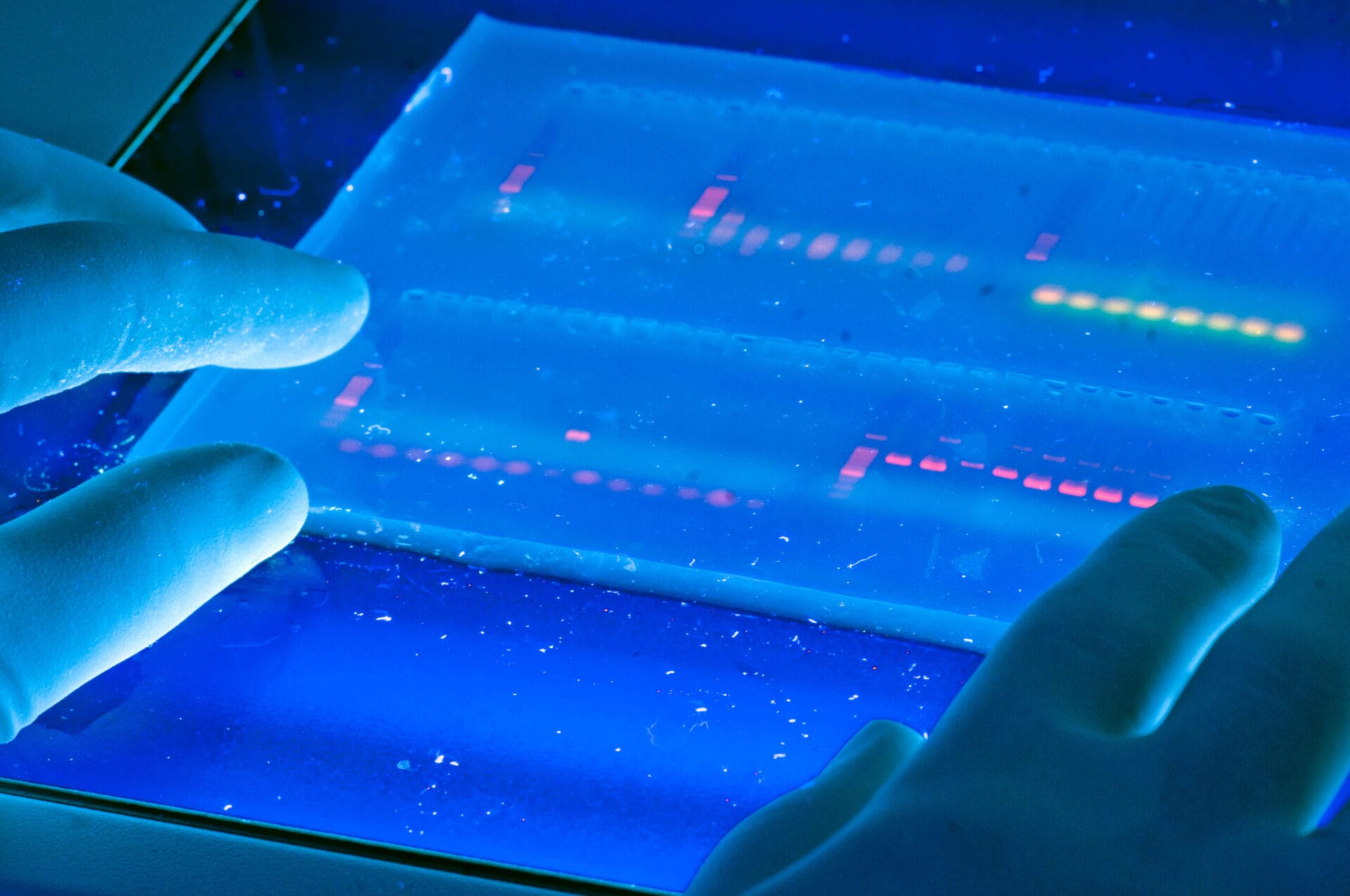
Electrophoresis is a cornerstone laboratory technique extensively employed across various scientific disciplines, including molecular biology, biochemistry, genetics, and medical diagnostics. This method facilitates the separation and analysis of charged molecules—namely DNA, RNA, and proteins—based on their size, charge, and structural conformation. By applying an electric field to a medium containing a mixture of these molecules, electrophoresis induces their migration at differential rates, enabling their separation for subsequent examination or identification.
Principle of Electrophoresis
Basic Mechanism
The fundamental principle underpinning electrophoresis involves the migration of charged molecules through a supportive medium under the influence of an electric field. When an electric potential is applied, molecules with a net negative charge move towards the anode (positive electrode), while those with a net positive charge migrate towards the cathode (negative electrode). The rate at which these molecules traverse the medium is contingent upon several intrinsic properties:
- Size: Smaller molecules generally navigate the medium more swiftly due to reduced frictional resistance.
- Charge: Molecules bearing a higher net charge experience stronger electrostatic forces, accelerating their migration.
- Shape: The molecular conformation affects mobility; more compact shapes migrate faster compared to extended or irregular structures.
Support Medium
The support medium, typically a gel matrix, plays a pivotal role in electrophoresis by acting as a molecular sieve. Common matrices include:
- Agarose: A polysaccharide with a lower resolving power, ideal for separating larger DNA fragments.
- Polyacrylamide: Offers higher resolution, suitable for smaller nucleic acids and proteins.
The pore size of the gel matrix is meticulously chosen based on the size range of the molecules intended for separation, ensuring optimal resolution and efficiency.
Types of Electrophoresis
1. Gel Electrophoresis
Gel electrophoresis is the most prevalent form, utilizing agarose or polyacrylamide gels to facilitate molecular separation. The selection between agarose and polyacrylamide is governed by the specific requirements of the analysis:
Agarose Gel Electrophoresis
This variant is predominantly used for separating larger DNA fragments, ranging from several hundred base pairs to multiple kilobases. Agarose gels possess larger pore sizes, accommodating sizable molecules with ease. Common applications include:
- DNA Fingerprinting: Identifying unique patterns for forensic analyses.
- Genotyping: Determining genetic variations among individuals.
- Agarose Gel Preparation: Preparing the gel involves dissolving agarose in an appropriate buffer, heating to dissolve completely, and allowing it to solidify in a casting tray with wells for sample loading.
Polyacrylamide Gel Electrophoresis (PAGE)
Polyacrylamide gels offer superior resolution for smaller molecules and proteins. Variants of PAGE include:
- SDS-PAGE: Incorporates sodium dodecyl sulfate to denature proteins, ensuring uniform negative charge and separation based on molecular weight.
- Native PAGE: Preserves the native conformation and charge of proteins, allowing separation based on both size and intrinsic charge.
2. Capillary Electrophoresis
Capillary electrophoresis (CE) employs a thin capillary tube, typically made of fused silica, through which molecules migrate under high voltage. This method offers high-resolution separations with minimal sample and reagent consumption. CE is extensively utilized in:
- Automated DNA Sequencing: Facilitates rapid and accurate sequencing processes.
- Clinical Diagnostics: Analyzes blood samples for genetic disorders.
- Forensic Analyses: Provides detailed genetic profiling.
3. Two-Dimensional Electrophoresis (2D-PAGE)
Two-Dimensional Electrophoresis combines two distinct separation techniques to enhance resolution and complexity handling:
- First Dimension - Isoelectric Focusing: Separates proteins based on their isoelectric point (pI), the pH at which a protein carries no net charge.
- Second Dimension - SDS-PAGE: Further separates proteins based on molecular weight.
This dual approach allows for the comprehensive analysis of complex protein mixtures, making it invaluable in proteomic studies and biomarker discovery.
4. Immunoelectrophoresis
Immunoelectrophoresis integrates electrophoresis with immunoassays, utilizing specific antibodies to identify and quantify proteins post-separation. This technique is particularly useful in clinical diagnostics for detecting abnormal protein patterns in body fluids, aiding in the diagnosis of conditions like multiple myeloma.
Electrophoresis Comparison Table
| Type of Electrophoresis | Medium | Main Applications | Advantages | Limitations |
|---|---|---|---|---|
| Gel Electrophoresis | Agarose or Polyacrylamide | DNA/RNA separation, Protein analysis | High resolution, Versatile | Time-consuming, Gel preparation variability |
| Capillary Electrophoresis | Thin capillary tubes | Automated sequencing, Clinical diagnostics | High throughput, Minimal sample | Requires specialized equipment |
| Two-Dimensional Electrophoresis (2D-PAGE) | Polyacrylamide | Proteomic studies, Biomarker discovery | Comprehensive analysis, High resolution | Complexity, Requires precise control |
| Immunoelectrophoresis | Gel matrix with antibodies | Clinical diagnostics, Protein identification | Specific identification, Quantitative | Requires specific antibodies |
Key Factors Affecting Electrophoresis
1. Electric Field Parameters
- Voltage: The intensity of the electric field influences the migration speed of molecules. Higher voltages accelerate migration but can cause excessive heat generation, potentially distorting results.
- Running Time: The duration for which the electric field is applied affects the separation extent. Longer running times enhance resolution but may increase the risk of gel overheating.
2. Buffer System
The buffer maintains the pH and ionic strength of the electrophoretic system, ensuring consistent molecular migration. Common buffer systems include:
- TBE (Tris-Borate-EDTA): Utilized in agarose gel electrophoresis for DNA separation, offering high buffering capacity.
- TAE (Tris-Acetate-EDTA): Another option for DNA gels, providing lower buffering capacity compared to TBE.
- SDS Running Buffer: Employed in SDS-PAGE to maintain protein denaturation and uniform charge.
Choosing the appropriate buffer system is crucial for optimal separation and preservation of molecular integrity.
3. Gel Concentration
The concentration of the gel matrix influences pore size:
- Lower Concentrations: Result in larger pores, suitable for resolving larger molecules.
- Higher Concentrations: Create smaller pores, enhancing the resolution of smaller molecules.
Adjusting gel concentration allows tailoring of the electrophoretic system to the specific size range of target molecules.
4. Sample Preparation
Proper sample preparation is essential for effective separation:
- Denaturation: For proteins, agents like SDS are used to denature and impart uniform charge.
- Loading Buffer: Adds density to samples for proper loading into gel wells and may contain tracking dyes for monitoring migration.
- Sample Concentration: Adequate concentration ensures visible bands post-separation.
Meticulous sample preparation minimizes artifacts and enhances the reliability of electrophoretic results.
Applications of Electrophoresis
1. Molecular Biology
Electrophoresis is integral to numerous molecular biology techniques:
- Cloning: Facilitates the separation and purification of DNA fragments for insertion into vectors.
- PCR Analysis: Enables verification of amplification products by assessing size and purity.
- Restriction Fragment Length Polymorphism (RFLP): Analyzes genetic variability by examining patterns of DNA fragments resulting from enzyme digestion.
- DNA Sequencing: Assists in separating and identifying nucleotide sequences.
2. Protein Analysis
In the realm of protein chemistry, electrophoresis is employed for:
- Protein Purification: Isolating specific proteins from complex biological mixtures.
- Western Blotting: Transferring separated proteins to membranes for targeted antibody detection.
- Studying Protein Interactions: Assessing interactions and complex formations between proteins.
- Identifying Post-Translational Modifications: Detecting modifications like phosphorylation or glycosylation.
3. Medical Diagnostics
Electrophoresis plays a critical role in diagnosing and monitoring various medical conditions:
- Multiple Myeloma: Identifying monoclonal protein spikes in serum or urine samples.
- Hemoglobinopathies: Detecting abnormal hemoglobin variants.
- Immune Disorders: Analyzing immunoglobulin profiles to identify deficiencies or overproduction.
- Genetic Disorders: Screening for gene mutations and chromosomal abnormalities.
4. Forensic Science
In forensic investigations, electrophoresis is indispensable for:
- DNA Profiling: Comparing DNA samples from crime scenes with suspects.
- Serum Protein Identification: Differentiating individuals based on unique protein patterns.
- Fingerprints: Analyzing protein and lipid composition in fingerprint residues.
5. Biotechnology and Pharmaceutical Research
Electrophoresis is vital in the development and quality control of biopharmaceuticals:
- Therapeutic Protein Purity: Ensuring the absence of contaminants in pharmaceutical proteins.
- Vaccine Development: Analyzing protein antigens and their interactions.
- Drug Development: Studying drug-protein interactions and stability.
- Genetic Engineering: Verifying the insertion and expression of genetic constructs.
Advanced Techniques and Innovations
1. High-Throughput Electrophoresis
Advancements in automation and instrumentation have paved the way for high-throughput electrophoresis, enabling the simultaneous analysis of numerous samples. This enhancement significantly boosts efficiency in large-scale studies, such as genomic screenings and proteomic profiling, while maintaining high resolution and accuracy.
2. Microfluidic Electrophoresis
Microfluidic technology has revolutionized electrophoresis by miniaturizing the separation process into micro-scale devices. These microfluidic electrophoresis systems offer:
- Reduced Sample and Reagent Consumption: Minimizes the quantity of materials required.
- Increased Speed: Accelerates separation processes due to shorter channel lengths.
- Portability: Facilitates point-of-care diagnostics and field applications.
Applications of microfluidic electrophoresis extend to rapid diagnostics, environmental monitoring, and portable forensic analyses.
3. Integration with Other Technologies
Electrophoresis is increasingly integrated with complementary analytical techniques to enhance molecular characterization:
- Mass Spectrometry: Coupled electrophoresis and mass spectrometry enable precise identification and quantification of biomolecules.
- Fluorescence Detection: Enhances sensitivity and specificity in detecting labeled molecules.
- Electrochemical Detection: Provides real-time monitoring of molecular interactions and separations.
These integrations facilitate comprehensive analyses, crucial for advanced research and diagnostic applications.
Challenges and Limitations
While electrophoresis is a versatile and widely used technique, it is not without its challenges and limitations:
- Resolution Constraints: Separating molecules with similar sizes or charges can be difficult, leading to overlapping bands and reduced clarity.
- Reproducibility Issues: Variations in gel preparation, buffer composition, and running conditions can affect the consistency of results across experiments.
- Time Consumption: Certain electrophoretic methods, especially those requiring long running times or multiple dimensions, can be time-intensive.
- Heat Generation: Excessive voltage can lead to overheating of the gel apparatus, potentially denaturing molecules and distorting separation patterns.
- Sample Purity: Impurities in samples can interfere with the separation process, necessitating meticulous sample preparation.
Future Directions
The field of electrophoresis continues to evolve, driven by technological innovations and the expanding scope of its applications:
-
Enhanced Gel Materials: Development of novel polymers and composite gels to improve separation efficiency and resolution.
-
Automation and Robotics: Integration of automated systems for sample handling and analysis to increase throughput and reduce human error.
-
Nanotechnology: Utilization of nanomaterials and nanofabrication techniques to create highly sensitive and specific separation platforms.
-
Portable Electrophoresis Devices: Creation of compact, field-deployable electrophoresis systems for on-site diagnostics and environmental monitoring.
-
Advanced Detection Methods: Incorporation of high-sensitivity detectors, such as quantum dots and novel fluorophores, to enhance detection capabilities.
-
Bioinformatics Integration: Utilizing computational tools to analyze electrophoretic data, enabling more accurate interpretation and data management.
These advancements promise to expand the utility of electrophoresis, making it more efficient, accessible, and applicable to a broader range of scientific and medical challenges.
Conclusion
Electrophoresis stands as an indispensable technique in the landscape of scientific research and clinical diagnostics. Its ability to meticulously separate and analyze charged molecules based on size, charge, and shape has cemented its role in advancing our understanding of molecular biology and facilitating breakthroughs in medical diagnostics, biotechnology, and forensic science. The continuous innovations and integrations with emerging technologies promise to further enhance its capabilities, ensuring that electrophoresis remains at the forefront of analytical methodologies in the years to come.
References
Last updated February 12, 2025