
Gender Inequality in the Workplace
Comprehensive Analysis of Barriers, Progress, and Solutions for Gender Equity
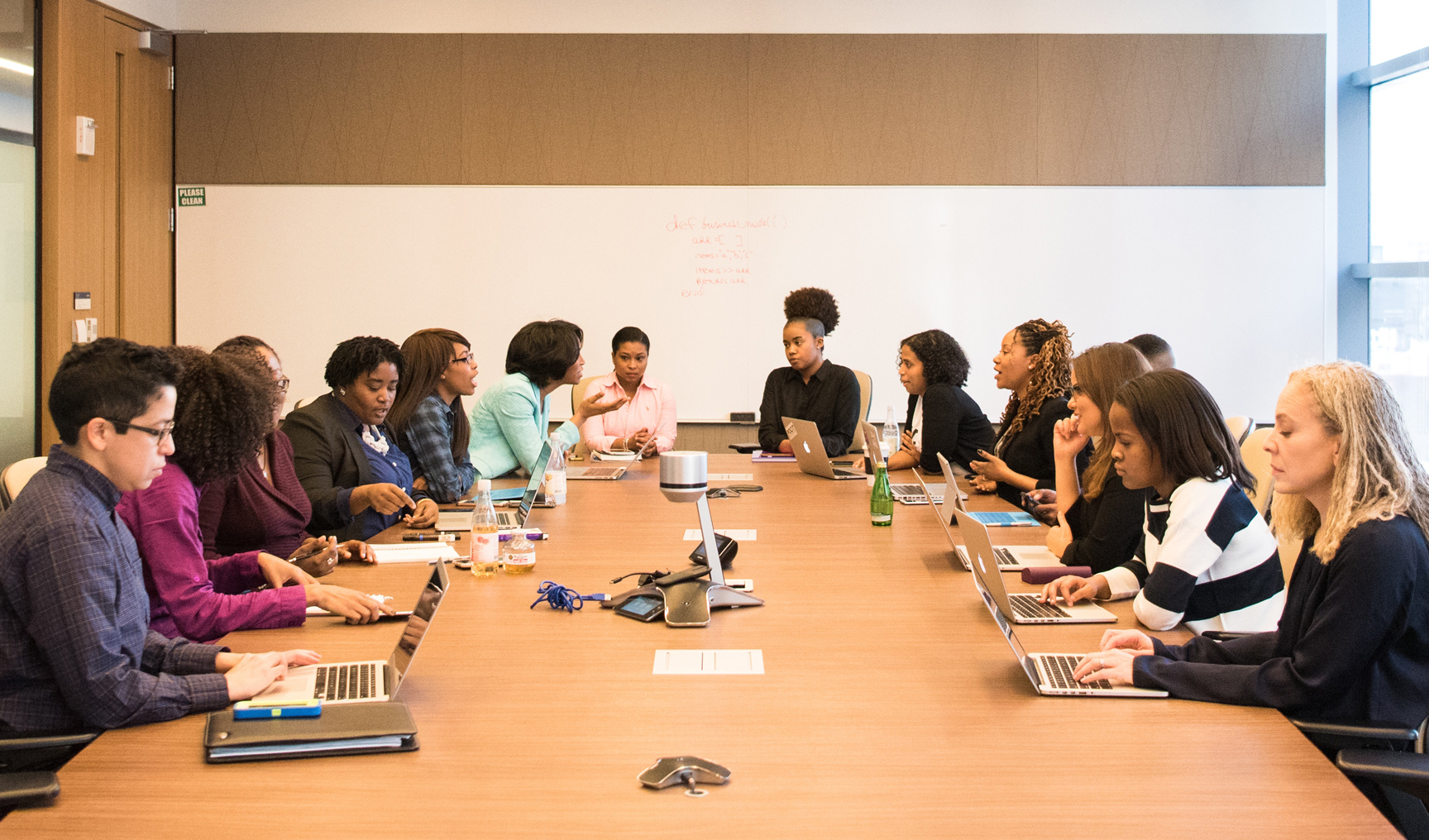
Key Highlights
- Barriers and Bias: Systemic, cultural, and structural barriers hinder gender equality.
- Progress Tracking: Incremental improvements across policies and organizational structures.
- Actionable Solutions: Integrative solutions including policy reforms, awareness programs, and leadership development initiatives.
Introduction
Gender inequality in the workplace remains a profound societal challenge that has persisted over decades, transcending borders and sectors. Despite substantial progress driven by legislative reforms, advocacy, and evolving societal attitudes, significant disparities in pay, career advancement, and leadership representation continue to affect women and limit the full potential of organizations. This comprehensive research provides an in-depth analysis of the barriers contributing to gender disparity, evaluates progress made towards reducing these inequities, and proposes multifaceted and practical solutions to foster gender equity in professional environments.
Statement of the Problem
The primary issue addressed in this research is the persistent gender imbalance in the workplace. This imbalance is characterized by unequal pay, underrepresentation of women in leadership positions, and the prevalence of discriminatory practices that marginalize women. Despite improvements through progressive policies and corporate initiatives, women continue to face systemic hurdles, including implicit biases, stereotypic perceptions, and structural barriers that negatively affect their career progression and economic opportunities.
Background of the Study
Historical and sociocultural factors have woven gender expectations into the fabric of professional settings, often relegating women to positions that pay less and offer limited growth opportunities. Over time, feminist movements, advocacy groups, and international agencies have exposed these inequities, prompting significant changes in workplace norms and legislative measures aimed at promoting inclusivity. Despite these efforts, a comprehensive approach that addresses both overt discrimination and subtle, unconscious biases remains necessary. This study reviews decades of research, evaluates contemporary data and trends, and highlights the critical need for systemic reform in organizational structures and cultural perceptions.
Significance of the Study
The significance of this study is multifaceted. At an individual level, promoting gender equity improves career satisfaction, fosters diversity, and enhances personal growth. At an organizational level, gender diversity is linked to enhanced innovation, improved decision-making, and competitive advantage in global markets. Furthermore, reducing gender inequality contributes to the broader socioeconomic fabric by promoting fair resource allocation and sustainable development. This study is instrumental for policymakers, educators, and organizational leaders who seek to understand the roots of gender disparity and who strive to design and implement effective strategies to overcome these challenges.
Scope and Delimitation
This research focuses on examining gender inequality within formal corporate environments, primarily in sectors such as finance, technology, healthcare, and education. The scope includes analyzing existing barriers, evaluating progress made through policy reforms and societal changes, and proposing comprehensive solutions. The study is delimited to published literature, empirical studies, and available organizational data from national and international sources, while excluding informal labor sectors and regions with substantially different gender dynamics.
Definition of Terms
For the purposes of this study, several key terms are defined as follows:
- Gender Inequality: The unequal treatment or opportunities experienced by individuals based on gender, leading to disparities in wages, career advancement, and leadership opportunities.
- Gender Equity: The fair and unbiased access to opportunities, resources, and support, which may involve differentiated approaches to achieve equal outcomes.
- Unconscious Bias: The automatic and unintended prejudices that affect perception and decision-making, often resulting in discriminatory practices in hiring and promotions.
- Structural Barriers: Organizational and societal practices and norms that impede equal opportunities, including rigid work policies and cultural stereotypes.
Literature Review
Related Literature
Extensive academic work underscores the roots of gender inequality in entrenched societal norms and historical practices. Research from multiple sources delineates how gender roles have long influenced organizational dynamics. In particular, literature from both historical and modern perspectives illustrates the gender pay gap, leadership disparity, and the systematic undervaluation of women’s professional contributions. Such literature emphasizes the importance of reforming workplace cultures, not only by enacting policies but also by fostering shifts in individual mindsets.
Foreign Literature
International studies provide crucial insights into combatting gender inequality. For instance, research by the World Economic Forum and the International Labor Organization highlights successful interventions such as pay transparency initiatives, shared parental leave policies, and mandatory unconscious bias training. These studies underscore that comprehensive legal frameworks combined with proactive corporate reforms lead to measurable decreases in gender disparities.
Related Studies
Numerous empirical studies underscore the impact of gender diversity on organizational performance. Research by McKinsey & Company, among others, demonstrates that companies with higher levels of gender diversity in leadership positions tend to perform better financially and competitively. Studies also reveal that mentorship and sponsorship programs are effective in advancing women’s careers, providing them with essential networks and experiential learning opportunities that overcome perceived barriers.
Foreign Studies
Comparative studies from Europe, North America, and Asia highlight the multifaceted nature of gender inequality. Research conducted in these regions shows that societal and legislative factors significantly impact the degree of gender equity in workplaces. For example, countries with robust anti-discrimination laws and proactive corporate diversity policies often report a narrower gender pay gap and higher representation of women in senior roles.
Local Literature
Localized studies further illustrate the challenges of gender inequality within specific cultural and economic contexts. Analyses of labor statistics and employee surveys in various countries indicate that structural biases, such as those perpetuated by traditional gender roles, significantly contribute to the persistence of workplace disparities. These studies suggest that effective intervention requires tailored solutions that consider the specific societal and cultural backdrop.
Local Studies
In several regions, research led by government agencies and academic institutions has generated policy recommendations that focus on increasing female participation in leadership positions and ensuring equal pay for comparable work. These studies provide evidence that targeted interventions — such as flexible work policies, leadership training programs, and active diversity management — are crucial in addressing local manifestations of gender inequality.
Research Methodology
This research employs an integrative, mixed-methods approach that combines both qualitative and quantitative data to gain a comprehensive understanding of gender inequality in the workplace. The methodology is designed to capture the multifaceted dimensions of gender barriers and to explore the efficacy of various interventions.
Research Design
The study adopts a sequential explanatory design, beginning with quantitative surveys to gather baseline data on the prevalence of gender disparities in salary, leadership roles, and career progression. This is followed by qualitative interviews and focus group discussions with employees and HR managers, which help contextualize the numerical data and provide deeper insights into the underlying causes of gender inequality.
The Sample
Participants are recruited from a range of organizations across sectors such as technology, finance, healthcare, and education. Stratified sampling ensures representation across different professional hierarchies, demographic groups, and geographical regions. The sample comprises both male and female employees to capture diverse perspectives on the challenges and opportunities present in the workplace.
The Instrument
The principal instruments for data collection include standardized surveys, semi-structured interviews, and organizational document analysis. The surveys are designed to measure perceptions of inequality, gender bias, and job satisfaction through a series of validated scales. Interviews with select participants enrich this data by exploring personal narratives and providing context to the statistical findings.
Data Collection Procedures
Quantitative data is collected using online survey platforms, ensuring a broad reach and efficient data management. Concurrently, qualitative data is gathered through in-depth interviews conducted in-person or via video conferencing, ensuring rich contextual information is recorded. Secondary data from company records such as payroll figures, promotion rates, and diversity reports are also incorporated into the analysis.
Data Analysis Procedures
Quantitative analysis is performed using statistical software to summarize trends, conduct correlation analysis, and identify significant relationships among key variables, including gender representation and wage gaps. Qualitative data is analyzed using thematic analysis, wherein interview transcripts are coded to uncover recurring themes, narratives, and patterns related to gender inequality. The integration of both data forms facilitates a holistic understanding of the factors influencing gender disparities in diverse workplace settings.
Data Analysis
The quantitative findings reveal measurable gaps in salary, representation in management roles, and perceived opportunities for career advancement between genders. Statistical tests indicate that these differences are not only significant but also strongly correlated with factors such as organizational culture and the presence (or absence) of supportive policies. The qualitative analysis further explains these gaps through employee testimonials that point to unconscious biases, lack of mentorship, and entrenched traditional gender roles as major impediments. The dual approach provides both statistical validation and rich narrative insight, supporting the proposed recommendations for corrective action.
Results
The study's results underscore significant gender disparities that persist in multiple dimensions of workplace practice. The data show that while there have been improvements in hiring practices and an overall increase in female participation, women still earn substantially less on average and remain underrepresented in senior leadership roles. Statistical analysis confirms a consistent association between organizational policies on diversity and higher rates of female promotion. Qualitative feedback from participants highlights that mentorship programs, flexible work policies, and targeted training are not only needed but are pivotal in driving future progress.
Conceptual Framework and Conceptual Paradigm
The research is underpinned by a conceptual framework that integrates societal, organizational, and individual factors to explain gender inequality. This framework postulates that gender inequality arises from the interplay of entrenched cultural stereotypes, structural barriers within organizations, and unconscious biases. By addressing these factors through a comprehensive model that combines policy reform, educational interventions, and leadership development, the framework aims to pave the way toward a more inclusive and equitable workplace.
The conceptual paradigm follows a three-tier structure:
-
Input: Identification of key barriers including stereotypes, unconscious bias, and structural obstacles.
-
Process: Implementation of solutions such as targeted policy reforms, employee training programs, and mentorship opportunities designed to mitigate these barriers.
-
Output: Measurable outcomes including reduced pay gaps, increased representation of women in leadership, and improved job satisfaction among female employees.
Reference Page
| Source Type | Title | URL |
|---|---|---|
| Foreign Literature | Gender Inequality in the Workplace: How to Combat It? | IMD Business School |
| Related Literature | 10 Strategies for Promoting Gender Equality at Work in 2025 | Edstellar |
| Related Studies | Women in the Workplace 2024: The 10th-anniversary report | McKinsey & Company |
| Foreign Studies | 5 Ways to Improve Gender Equality in the Workplace | World Economic Forum |
| Local Studies | Gender Inequality in Today’s Workplace: Strategies and Solutions | Primalogik |
Recommended Reading and Related Queries
Last updated March 13, 2025