
Comprehensive Guide to Immunization: Ensuring Public Health and Individual Protection
Understanding Vaccines, Schedules, and Their Impact in 2025
Key Takeaways
- Immunization is a critical public health tool that prevents the spread of infectious diseases and ensures community health through herd immunity.
- The 2025 immunization schedules introduce significant updates, particularly concerning COVID-19 and pneumococcal vaccines for various age groups.
- Continuous advancements in vaccine technology and accessibility initiatives are vital for combating emerging diseases and ensuring equitable vaccine distribution globally.
1. What is Immunization?
Immunization is the process by which an individual's immune system is fortified against specific infectious agents, primarily through the administration of vaccines. This proactive measure is essential for both individual health protection and broader public health safety, reducing the prevalence and impact of contagious diseases.
Types of Immunization
Active Immunization
Active immunization involves the introduction of antigens from pathogens into the body, prompting the immune system to produce antibodies and memory cells. This mechanism provides long-lasting immunity and is achieved through vaccination. Examples include vaccines for measles, mumps, rubella (MMR), and influenza.
Passive Immunization
Passive immunization entails the transfer of pre-formed antibodies from one individual to another, offering immediate but temporary protection. This method is often used in emergency situations, such as exposure to rabies or hepatitis B, and includes maternal antibodies passed to infants through the placenta.
Types of Vaccines
Live-Attenuated Vaccines
These vaccines contain a weakened form of the pathogen that is still capable of inducing an immune response without causing the disease in healthy individuals. Examples include the measles, mumps, and rubella (MMR) vaccine and the varicella (chickenpox) vaccine.
Inactivated Vaccines
Inactivated vaccines comprise pathogens that have been killed or inactivated so they cannot replicate in the body. While they may not provide as strong or long-lasting immunity as live-attenuated vaccines, they are safer for individuals with compromised immune systems. Examples include the inactivated polio vaccine and the hepatitis A vaccine.
Subunit, Recombinant, Polysaccharide, and Conjugate Vaccines
These vaccines use specific pieces of the pathogen—such as proteins, sugars, or capsid parts—to stimulate an immune response. They are highly targeted and often have fewer side effects. Notable examples are the human papillomavirus (HPV) vaccine, the hepatitis B vaccine, and the pneumococcal conjugate vaccine.
Toxoid Vaccines
Toxoid vaccines are designed to protect against the toxins produced by certain bacteria rather than the bacteria themselves. They are created by inactivating the toxins, thereby nullifying their harmful effects while still eliciting an immune response. The tetanus and diphtheria vaccines are prime examples of toxoid vaccines.
mRNA and Viral Vector Vaccines
These innovative vaccines utilize genetic material to instruct cells to produce specific proteins that trigger an immune response. mRNA vaccines, such as certain COVID-19 vaccines, deliver the messenger RNA encoding the viral spike protein, while viral vector vaccines use a harmless virus to deliver the genetic instructions. Both types represent cutting-edge advancements in vaccine technology.
2. 2025 Immunization Schedule Updates
The 2025 immunization schedules, approved by the Advisory Committee on Immunization Practices (ACIP) and adopted by the CDC Director, incorporate several significant updates aimed at enhancing protection against emerging and existing infectious diseases.
Children and Adolescents
The 2025 schedule introduces critical changes for those under 18 years of age, emphasizing updated COVID-19 vaccination protocols and adjustments to other routine vaccines.
COVID-19 Vaccine
It is recommended that all individuals aged 6 months and older receive at least one dose of the 2024-2025 COVID-19 vaccine. Additionally, children and adolescents who are immunocompromised should receive extra doses to ensure adequate protection against the virus.
Haemophilus influenzae type b (Hib)
New and updated recommendations for the Hib vaccine have been included in the 2025 schedule, reflecting advancements in vaccine formulations and the necessity to adapt to evolving epidemiological data.
Influenza Vaccine
The influenza vaccine has transitioned from a quadrivalent to a trivalent formulation. It is recommended that children and adolescents receive one or two doses annually, depending on their vaccination history and susceptibility.
Adults
For adults, the 2025 schedule continues to prioritize COVID-19 vaccinations, introducing nuanced recommendations based on age and immune status.
COVID-19 Vaccine
Individuals aged 19 and older should receive at least one dose of the COVID-19 vaccine. Those aged 65 and older, or with moderate to severe immunocompromised conditions, are recommended to receive two doses to ensure robust immunity.
Pneumococcal Vaccination
The age recommendation for pneumococcal vaccination has been lowered from 65 to 50 years old. This change aims to provide earlier protection against pneumococcal diseases, which can lead to severe respiratory infections and other complications.
Comprehensive Immunization Table for 2025
| Vaccine | Age Group | Dosage | Notes |
|---|---|---|---|
| COVID-19 | 6 months and older | At least 1 dose; additional doses for immunocompromised | Updated formula for 2024-2025 season |
| Influenza | All ages annually | 1 or 2 doses based on history | Trivalent formulation |
| Hib | Children and Adolescents | As per updated schedule | New recommendations included |
| Pneumococcal | 50 years and older | 1 dose | Lowered age threshold |
| HPV | 9-26 years | 2 or 3 doses based on age | Prevention against certain cancers |
3. Benefits of Immunization
Immunization offers a multitude of benefits that extend beyond individual protection, significantly impacting public health, economic stability, and global health security.
Individual Health Benefits
Vaccines are pivotal in protecting individuals from life-threatening diseases. By triggering the immune system to recognize and combat pathogens, vaccines reduce the risk of severe illness, hospitalization, and mortality associated with infectious diseases.
Public Health Advantages
Immunization contributes to herd immunity, wherein a substantial portion of the population becomes immune to a disease, thereby limiting its spread. This protective barrier is especially crucial for individuals who cannot be vaccinated due to medical conditions or age.
Economic Impact
Preventing diseases through vaccination reduces healthcare costs by minimizing the need for medical treatments, hospitalizations, and long-term care for chronic conditions resulting from infections. Moreover, it diminishes the economic burden associated with disease outbreaks, such as loss of productivity and workforce absenteeism.
Global Health Security
Immunization plays a critical role in controlling and eradicating diseases on a global scale. Efforts to increase vaccine coverage have led to the eradication of smallpox and significant reductions in polio, measles, and other infectious diseases, showcasing the profound impact of coordinated vaccination programs.
Reduction of Antibiotic Resistance
By preventing bacterial infections, vaccines reduce the need for antibiotic use, thereby mitigating the development of antibiotic-resistant strains. This is vital in maintaining the efficacy of existing antibiotics and ensuring effective treatment options for bacterial diseases.
Improvement of Quality of Life
High vaccination rates correlate with lower incidences of disease, enabling individuals to lead healthier and more productive lives. The prevention of debilitating diseases enhances overall quality of life and contributes to societal well-being.
4. Challenges and Future Directions
While immunization has achieved remarkable success, several challenges persist that require ongoing attention and innovation to ensure sustained effectiveness and equitable access.
Vaccine Hesitancy
Despite extensive evidence supporting vaccine safety and efficacy, vaccine hesitancy remains a significant barrier. Misinformation, lack of trust in healthcare systems, and cultural beliefs contribute to reluctance in accepting vaccines, undermining public health efforts to achieve herd immunity.
Access and Distribution Inequities
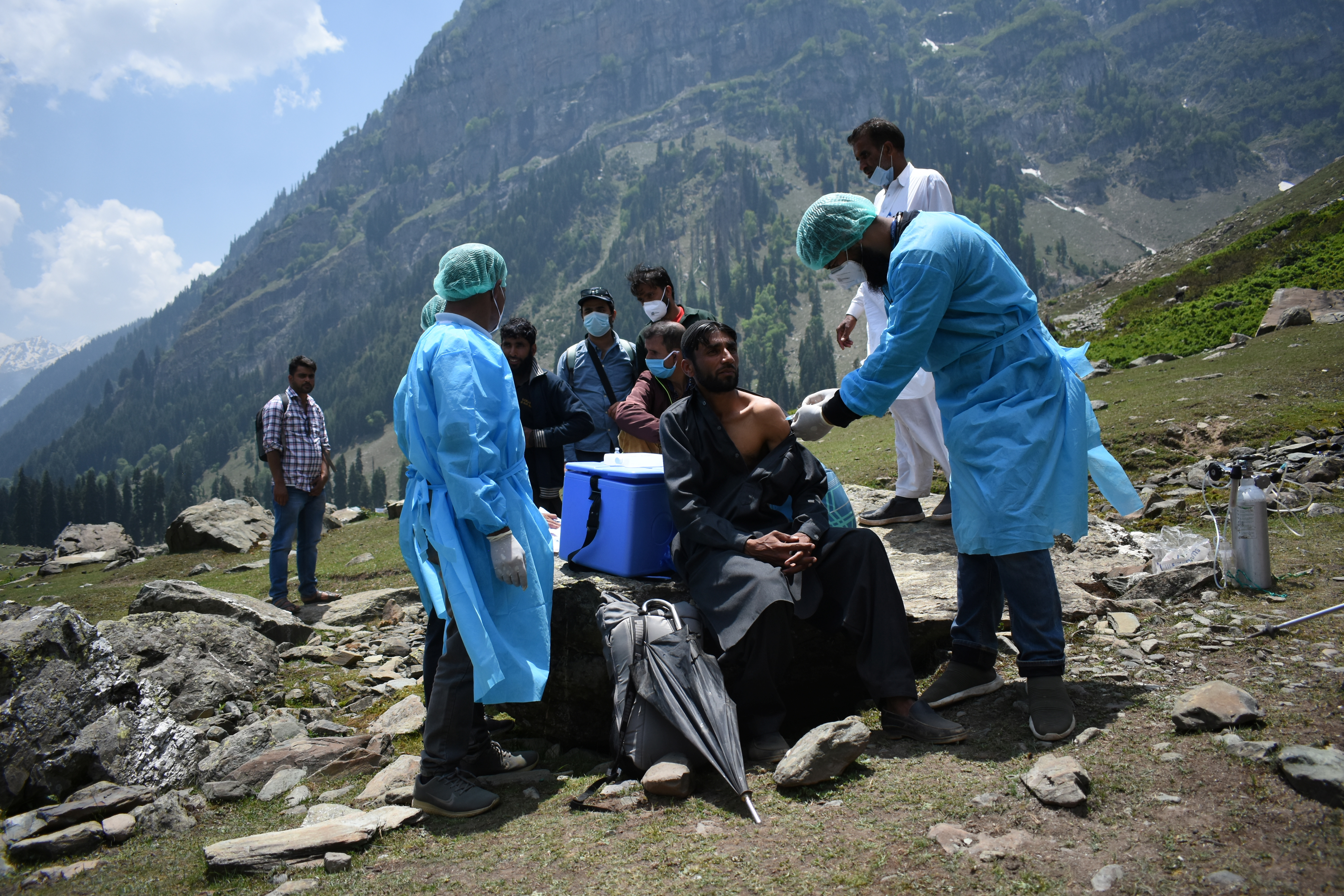
Disparities in vaccine access persist, particularly in low- and middle-income countries. Logistical challenges, such as inadequate infrastructure, limited healthcare resources, and geographic barriers, impede the equitable distribution of vaccines. Addressing these inequities is essential for global health security.
Emerging Infectious Diseases
The continual emergence of new pathogens, like novel strains of influenza or coronaviruses, necessitates rapid vaccine development and deployment. Investing in research and flexible vaccine manufacturing platforms is crucial for responding effectively to new disease threats.
Vaccine Development and Innovation
Advancements in vaccine technology, such as mRNA and viral vector platforms, offer promising avenues for developing more effective and adaptable vaccines. Continued investment in research and development will facilitate the creation of vaccines against a broader spectrum of diseases and improve existing formulations.
Global Collaboration
Achieving high vaccination coverage requires coordinated efforts across nations, organizations, and communities. Strengthening global partnerships and fostering collaboration are essential for overcoming challenges related to vaccine distribution, surveillance, and public trust.
5. Accessibility and Resources
Ensuring widespread access to vaccines is fundamental to the success of immunization programs. Various strategies and resources have been developed to facilitate vaccine distribution, education, and administration.
Vaccination Programs and Initiatives
Government-led vaccination programs, often supported by international organizations like the World Health Organization (WHO) and UNICEF, aim to increase vaccine coverage and address gaps in immunization. Initiatives such as the Immunization Agenda 2030 focus on improving global vaccine access, equity, and quality.
Healthcare Provider Role
Healthcare providers are pivotal in administering vaccines, educating patients, and dispelling myths surrounding immunization. Continuous training and support for healthcare workers enhance their ability to effectively communicate the benefits of vaccines and manage immunization schedules.
Public Education and Outreach
Comprehensive public education campaigns are essential for increasing vaccine acceptance and combating misinformation. Utilizing various media platforms and community engagement strategies helps disseminate accurate information about vaccine safety, efficacy, and the importance of immunization.
Digital Resources and Tools
Digital platforms, such as the CDC Vaccine Schedules app, provide accessible and up-to-date information on immunization schedules. Online resources and mobile applications facilitate appointment scheduling, reminders, and tracking of vaccination records, enhancing convenience and adherence.
Financial Support and Policies
Policies that subsidize vaccine costs and provide financial support to vaccination programs ensure that economic barriers do not impede access. Government funding, insurance coverage, and grants contribute to the sustainability and expansion of immunization efforts.
6. Conclusion
Immunization remains a cornerstone of public health, offering profound benefits that extend from individual protection to global disease control. The 2025 immunization schedules reflect ongoing advancements and adaptations to evolving health challenges, particularly in response to the COVID-19 pandemic. Despite facing challenges such as vaccine hesitancy and access inequities, the continued commitment to research, innovation, and global collaboration holds the promise of enhanced health outcomes worldwide. Ensuring equitable access to vaccines, fostering public trust, and leveraging technological innovations are pivotal for sustaining the successes achieved through immunization programs and for addressing future public health threats.
References
Last updated February 16, 2025