
Comprehensive Guide to Laparoscopic Hysterectomy
Minimally Invasive Surgery for Removing the Uterus: What You Need to Know
Key Takeaways
- Minimally Invasive Procedure: Involves small incisions, leading to reduced pain and faster recovery.
- Variety of Indications: Treats conditions like fibroids, endometriosis, abnormal bleeding, and certain cancers.
- Potential Risks: Includes infection, bleeding, and rare complications requiring conversion to open surgery.
Introduction
A laparoscopic hysterectomy is a surgical procedure that involves the removal of a woman's uterus through minimally invasive techniques. This modern approach has gained significant popularity over the traditional open abdominal hysterectomy due to its numerous advantages, including smaller incisions, reduced postoperative pain, shorter hospital stays, and quicker recovery times. This guide provides an in-depth exploration of laparoscopic hysterectomy, covering its indications, procedural steps, recovery process, risks, and benefits.
Understanding Laparoscopic Hysterectomy
Definition
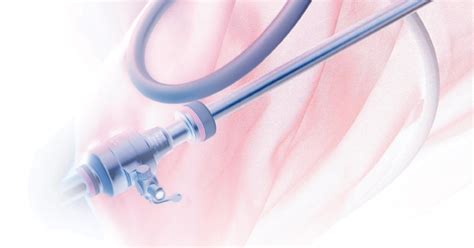
A laparoscopic hysterectomy is a minimally invasive surgical procedure used to remove the uterus. Unlike the traditional open hysterectomy, which requires a large abdominal incision, the laparoscopic method utilizes several small incisions through which surgical instruments and a laparoscope—a thin tube with a camera—are inserted. This allows the surgeon to perform the operation with greater precision and visibility while minimizing trauma to the body's tissues.
Indications for Laparoscopic Hysterectomy
This procedure is typically recommended for a variety of gynecological conditions, including:
- Uterine Fibroids: Noncancerous growths in the uterus that can cause heavy menstrual bleeding and pelvic pain.
- Endometriosis: A condition where tissue similar to the uterine lining grows outside the uterus, causing chronic pain and infertility.
- Chronic Pelvic Pain: Persistent pain in the pelvic region not responsive to other treatments.
- Abnormal Uterine Bleeding: Irregular or heavy menstrual bleeding that affects quality of life.
- Uterine Prolapse: Descent of the uterus into the vaginal canal due to weakened pelvic floor muscles.
- Cancers: Certain stages of uterine, cervical, or ovarian cancers where removal of the uterus is necessary.
Procedure Overview
Pre-Operative Preparation
Before undergoing a laparoscopic hysterectomy, patients typically undergo a series of pre-operative evaluations to ensure they are suitable candidates for surgery. These evaluations may include:
- Comprehensive medical history and physical examination.
- Blood tests to check overall health and detect any potential issues.
- Imaging studies such as ultrasound or MRI to assess the size and location of uterine abnormalities.
- Discussion of medical conditions, allergies, and current medications with the surgeon.
- Preoperative counseling to understand the procedure, potential risks, and recovery expectations.
Patients are advised to follow specific instructions regarding fasting, medication adjustments, and smoking cessation to minimize surgical risks.
Surgical Steps
The laparoscopic hysterectomy procedure involves several key steps:
- Anesthesia: The patient is administered general anesthesia, ensuring they remain unconscious and free of pain throughout the surgery.
- Incision: The surgeon makes three to five small incisions (typically 0.5–1 cm each) in the lower abdomen, often near the navel.
- Laparoscope Insertion: A laparoscope is inserted through one of the incisions, providing a magnified view of the pelvic organs on a monitor.
- Surgical Instruments: Specialized instruments are inserted through the other incisions to perform the surgery.
- Uterus Removal: The uterus is carefully detached from surrounding tissues and organs. Depending on the specific case, the cervix, ovaries, and fallopian tubes may also be removed. The uterus is then either removed in small pieces through the incisions or through the vagina in a technique known as laparoscopically assisted vaginal hysterectomy (LAVH).
- Closure: The incisions are closed using sutures, surgical glue, or staples, ensuring minimal scarring.
The entire procedure typically lasts between one to three hours, depending on the complexity and extent of the surgery.
Types of Laparoscopic Hysterectomy
Laparoscopic hysterectomy can be categorized into several types based on the extent of tissue removal and the surgical approach:
- Total Laparoscopic Hysterectomy (TLH): Removal of the entire uterus, including the cervix.
- Subtotal/Partial/Laparoscopic Supracervical Hysterectomy: Removal of the uterine body while preserving the cervix.
- Laparoscopically Assisted Vaginal Hysterectomy (LAVH): Combines laparoscopic techniques with vaginal access to remove the uterus.
- Radical Laparoscopic Hysterectomy: Often performed for cancers, involving the removal of the uterus, cervix, surrounding tissues, and sometimes lymph nodes.
- Robotic-Assisted Laparoscopic Hysterectomy: Utilizes robotic technology to enhance precision and control during the procedure.
Recovery Process
Post-Operative Care
Recovery following a laparoscopic hysterectomy is generally quicker and less painful compared to an open abdominal hysterectomy. Key aspects of post-operative care include:
- Hospital Stay: Most patients are discharged on the same day or after a short hospital stay of one to two days.
- Pain Management: Mild to moderate pain at the incision sites is common and is managed with prescribed pain medications or over-the-counter analgesics.
- Incision Care: Patients are advised to keep the incision sites clean and dry, and to monitor for any signs of infection such as redness, swelling, or discharge.
- Activity Restrictions: It is recommended to avoid heavy lifting, strenuous activities, and sexual intercourse for four to six weeks to allow proper healing.
- Diet and Hydration: Maintaining a balanced diet and staying hydrated support the healing process. Patients may resume normal eating patterns as tolerated.
Timeline of Recovery
The recovery timeline for a laparoscopic hysterectomy varies among individuals but generally follows this pattern:
- First Week: Patients experience the most significant pain and fatigue, gradually improving with pain management and rest.
- Weeks 2-4: Energy levels increase, and light activities can be resumed. Incision sites continue to heal, and any stitches or staples are removed if necessary.
- Weeks 4-6: Most patients can return to normal daily activities, including work, without significant restrictions.
- After 6 Weeks: Full recovery is typically achieved, with the majority of patients experiencing minimal discomfort and scarring.
It is essential to follow the surgeon's specific instructions and attend all follow-up appointments to ensure a smooth and complication-free recovery.
Risks and Complications
While laparoscopic hysterectomy is generally considered safe, it is important to be aware of potential risks and complications associated with any surgical procedure:
- Infection: There is a risk of infection at the incision sites or internally, which may require antibiotic treatment.
- Bleeding: Excessive bleeding during or after surgery may necessitate a blood transfusion or additional surgical intervention.
- Damage to Surrounding Organs: Accidental injury to nearby organs such as the bladder, intestines, or ureters can occur, potentially requiring further surgical repair.
- Blood Clots: The formation of blood clots in the legs (deep vein thrombosis) or lungs (pulmonary embolism) is a serious but rare complication.
- Adverse Reactions to Anesthesia: Some patients may experience allergic reactions or other complications related to anesthesia.
- Conversion to Open Surgery: In cases where complications arise or adequate visualization is not possible, the surgeon may need to switch to an open abdominal hysterectomy.
- Urinary Issues: Difficulty urinating or urinary incontinence may occur temporarily after surgery.
Although these risks are present, the overall complication rates for laparoscopic hysterectomy are lower compared to traditional open hysterectomy, thanks to the minimally invasive nature of the procedure.
Advantages Over Traditional Open Hysterectomy
Laparoscopic hysterectomy offers several benefits compared to the traditional open abdominal approach:
- Smaller Incisions: The use of small incisions results in minimal scarring and reduced risk of wound complications.
- Reduced Post-Operative Pain: Patients typically experience less pain after surgery, decreasing the need for strong pain medications.
- Shorter Hospital Stay: Many patients are able to go home the same day or after a brief hospital stay, reducing hospital-related risks.
- Faster Recovery: The minimally invasive nature allows for quicker return to daily activities and work, often within a few weeks.
- Lower Risk of Infection: Smaller incisions reduce the likelihood of surgical site infections.
- Enhanced Visualization: The laparoscope provides a magnified view of the pelvic organs, allowing for greater surgical precision.
- Less Blood Loss: Minimally invasive techniques typically result in reduced blood loss during surgery.
Post-Surgery Considerations
Hormonal Impact
If the ovaries are removed during the hysterectomy (oophorectomy), patients may experience sudden menopause, leading to symptoms such as hot flashes, mood changes, and decreased bone density. Hormone replacement therapy (HRT) may be recommended to manage these symptoms, depending on the patient's age and health status.
Impact on Fertility
Undergoing a hysterectomy results in the permanent cessation of menstruation and the inability to become pregnant. It is essential for patients to consider their future fertility desires before choosing this procedure.
Sexual Function
Most women can resume sexual activity approximately six to eight weeks after surgery. While many report improved sexual function due to the relief of symptoms that necessitated the surgery, some may experience temporary discomfort or changes in sexual sensation.
Emotional and Psychological Effects
The removal of the uterus can have emotional and psychological impacts. Patients may experience feelings of loss, sadness, or anxiety related to the procedure, especially if it affects fertility and hormonal balance. Support groups, counseling, and open communication with healthcare providers can help manage these emotional challenges.
When to Seek Medical Attention
After a laparoscopic hysterectomy, it is crucial to monitor for any signs of complications. Patients should promptly contact their healthcare provider if they experience:
- Severe Pain or Swelling: Uncontrolled pain or significant swelling around the incision sites may indicate infection or internal bleeding.
- Fever or Chills: A persistent fever or chills can be signs of infection.
- Heavy Vaginal Bleeding: Excessive bleeding beyond the normal postoperative period requires immediate attention.
- Signs of Infection: Redness, warmth, discharge, or pus at the incision sites.
- Difficulty Urinating or Bowel Movements: Persistent urinary retention or constipation may indicate nerve or organ involvement.
- Shortness of Breath or Chest Pain: These symptoms could suggest a blood clot in the lungs and require emergency care.
Early intervention can prevent minor issues from escalating into more severe complications, ensuring a safer recovery.
Recovery Tips and Recommendations
Physical Activity
Gradually increasing physical activity helps improve circulation, reduce the risk of blood clots, and enhance overall recovery. Patients are encouraged to:
- Engage in light walking soon after surgery, as tolerated.
- Avoid heavy lifting (typically over 10 pounds) and strenuous exercises for at least four to six weeks.
- Incorporate gentle stretching and pelvic floor exercises to strengthen abdominal and pelvic muscles.
Nutrition and Hydration
Maintaining a balanced diet rich in proteins, vitamins, and minerals supports the healing process. Patients should:
- Consume a variety of fruits, vegetables, lean proteins, and whole grains.
- Stay well-hydrated by drinking adequate water throughout the day.
- Avoid excessive caffeine and sugary beverages that can contribute to dehydration.
Managing Pain and Discomfort
Effective pain management is essential for comfort and mobility during recovery. Strategies include:
- Taking prescribed pain medications as directed by the healthcare provider.
- Using over-the-counter pain relievers such as ibuprofen or acetaminophen, if recommended.
- Applying heat pads to the lower abdomen to alleviate cramps and soreness.
- Practicing relaxation techniques like deep breathing, meditation, or gentle yoga.
Incision Care
Proper care of incision sites minimizes the risk of infection and promotes healing:
- Keep the incision areas clean and dry. Follow the surgeon's instructions on bathing and showering.
- Change dressings as advised, ensuring hands are clean before touching the incisions.
- Avoid applying lotions, creams, or makeup to the incision sites unless specifically instructed.
- Monitor for any signs of infection, such as redness, swelling, warmth, or discharge.
Emotional Support
Recovering from surgery can be emotionally challenging. Support can be found through:
-
Talking with friends and family members about feelings and concerns.
-
Joining support groups for individuals who have undergone similar procedures.
-
Seeking professional counseling or therapy if experiencing persistent sadness or anxiety.
-
Engaging in activities that promote mental well-being, such as reading, listening to music, or practicing hobbies.
Comparative Analysis: Laparoscopic vs. Open Hysterectomy
| Aspect | Laparoscopic Hysterectomy | Open Abdominal Hysterectomy |
|---|---|---|
| Incisions | Several small incisions (0.5–1 cm) in the abdomen. | One large incision in the lower abdomen. |
| Recovery Time | Shorter recovery period, typically 4–6 weeks. | Longer recovery period, typically 6–8 weeks. |
| Hospital Stay | Often outpatient or 1–2 days. | Requires a longer hospital stay, usually 3–5 days. |
| Post-Operative Pain | Reduced pain due to smaller incisions. | Increased pain from larger incisions. |
| Scarring | Minimal scarring with small incisions. | More significant scarring from the large incision. |
| Risk of Infection | Lower risk due to smaller wounds. | Higher risk associated with larger wounds. |
| Surgical Visualization | Enhanced with laparoscope providing magnified views. | Direct visualization but limited access. |
| Blood Loss | Typically less blood loss. | Potential for greater blood loss. |
| Return to Daily Activities | Faster return, often within a few weeks. | Slower return, may take up to two months. |
Conclusion
Laparoscopic hysterectomy represents a significant advancement in gynecological surgery, offering numerous benefits over traditional open methods. Its minimally invasive nature leads to reduced pain, quicker recovery, and fewer complications, making it an attractive option for women requiring hysterectomy due to various medical conditions. However, as with any surgical procedure, it is essential to weigh the potential risks and consult thoroughly with a qualified gynecological surgeon to determine the most appropriate approach based on individual health needs and circumstances.
References
Last updated January 19, 2025