
Comprehensive Guide to Reporting Various Issues
Navigate the Reporting Process with Confidence and Clarity
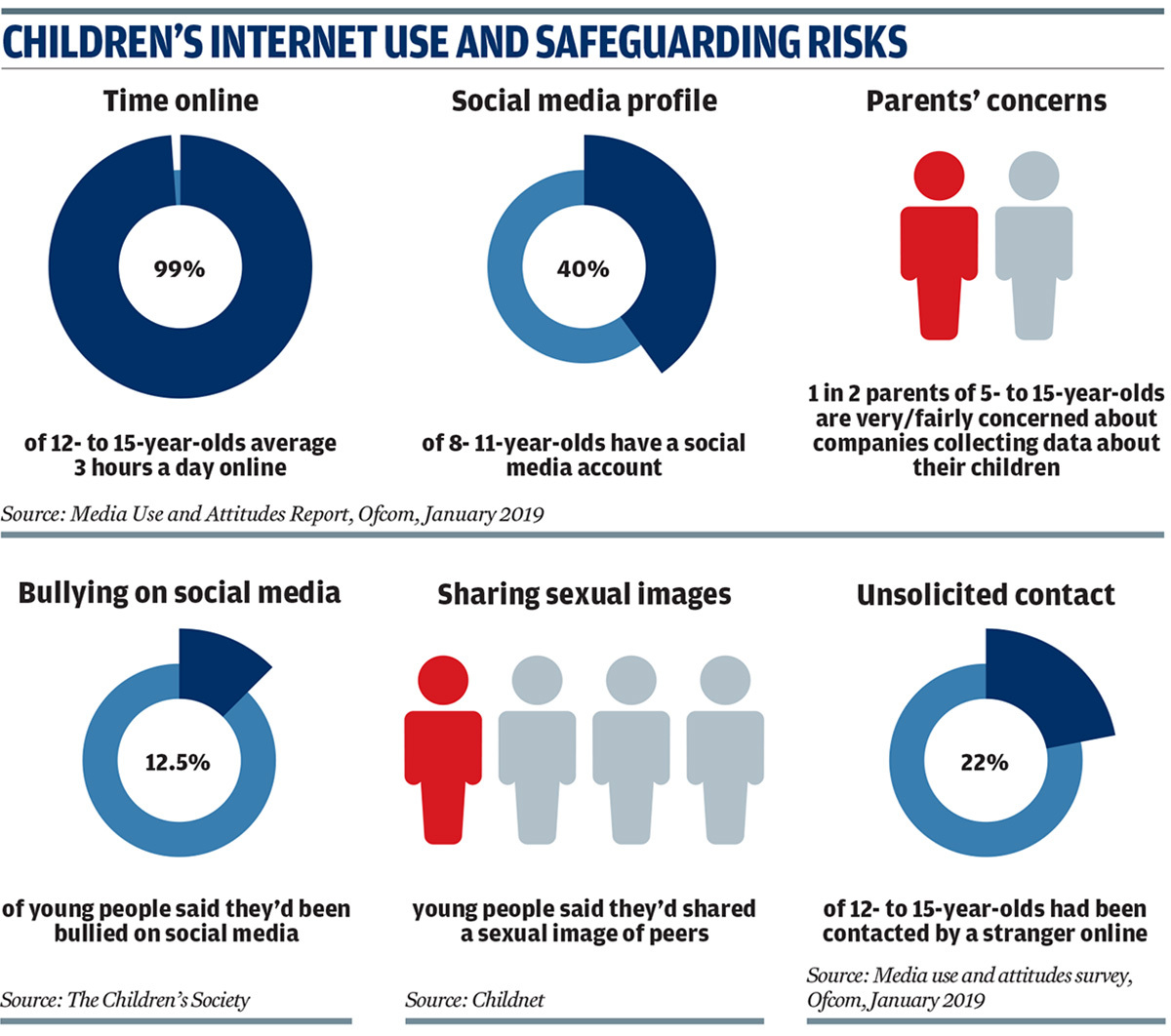
Key Takeaways
- Identify the Issue: Clearly define the type of problem you are encountering to choose the appropriate reporting channel.
- Choose the Right Platform: Utilize the correct platform or authority to ensure your report is addressed effectively.
- Provide Detailed Information: Offer comprehensive and accurate details to facilitate a thorough investigation and resolution.
Understanding What to Report
Reporting an issue effectively requires first understanding the nature of the problem. Whether it's online harmful content, fraud, labor violations, or other concerns, each category has specific channels and procedures for reporting. This guide provides detailed instructions on how to report various types of issues to ensure they are handled appropriately.
Types of Issues You Can Report
1. Online Harmful Content
If you encounter harmful content online, such as cyberbullying, hate speech, or illegal material, most platforms offer direct reporting tools. For instance, platforms like YouTube allow users to report inappropriate videos by selecting the "Report" option under the content. Additionally, services like the UK Safer Internet Centre provide avenues to report harmful content beyond the platform.
2. Fraud and Scams
Experiencing or witnessing fraud requires prompt reporting to protect yourself and others. The Federal Trade Commission (FTC) provides a dedicated website where you can file reports about fraud, scams, or deceptive business practices. This helps authorities track and address fraudulent activities effectively.
3. Civil Rights Violations
Allegations of civil rights violations should be reported to the Civil Rights Division of the Department of Justice. Providing detailed information through their online forms ensures that your complaint is reviewed and investigated thoroughly.
4. Product and Service Complaints
Issues with a company's products or services can be reported to consumer protection offices or agencies like the Better Business Bureau (BBB). Additionally, the Federal Trade Commission allows consumers to file complaints to address and resolve disputes with businesses.
5. Labor Violations
If you are facing labor-related issues such as unpaid wages or unsafe working conditions, the U.S. Department of Labor's Wage and Hour Division is the appropriate authority to contact. They offer multiple channels, including phone and online forms, to file complaints.
6. Occupational Safety and Health Violations
Workplace safety concerns should be reported to the Occupational Safety and Health Administration (OSHA). They provide online, phone, and written methods to lodge complaints, ensuring that workplaces comply with safety standards.
7. Antitrust Violations
Antitrust issues, such as price fixing or bid rigging, can be reported to the Antitrust Division of the Department of Justice. They offer a Complaint Center to handle and investigate such violations effectively.
8. Immigration Violations
Reporting immigration irregularities or violations can be done through U.S. Immigration and Customs Enforcement (ICE). They provide hotlines and online forms for submitting reports related to immigration issues.
9. Government Agency Complaints
Complaints against federal or state government agencies should first be directed to the agency itself. If the response is unsatisfactory, further action can be taken based on the nature of the complaint and the specific agency involved.
10. Specific Platform Reporting
Different platforms have unique reporting mechanisms. For example, Facebook and Twitter have built-in tools for reporting harmful content, while universities like Florida State University provide dedicated portals for reporting incidents on their campuses.
How to Report: Step-by-Step Process
General Steps to Follow
- Identify the Issue: Determine the exact nature of the problem you wish to report.
- Gather Information: Collect all relevant details, including dates, times, involved parties, and any supporting evidence.
- Choose the Appropriate Reporting Channel: Based on the issue, select the right platform or authority.
- Submit the Report: Follow the specific procedures of the chosen channel to file your complaint or report.
- Follow Up: If necessary, follow up on your report to ensure it is being addressed.
Detailed Reporting Procedures
Reporting Harmful Online Content
Most online platforms have built-in reporting tools. For example, to report a YouTube video:
- Navigate to the video containing harmful content.
- Click on the three dots below the video.
- Select "Report."
- Choose the reason for reporting and follow the prompts.
Reporting Fraud or Scams
To report fraud:
- Visit the Federal Trade Commission's website at reportfraud.ftc.gov.
- Fill out the online form with detailed information about the fraudulent activity.
- Submit the report to initiate an investigation.
Reporting Labor Violations
For labor-related issues:
- Visit the U.S. Department of Labor's Wage and Hour Division at dol.gov/agencies/whd/contact/complaints.
- Select the type of complaint you are filing.
- Provide all necessary information and documentation.
- Submit the complaint through the provided channels.
Reporting Civil Rights Violations
To report civil rights issues:
- Go to the Civil Rights Division's website at civilrights.justice.gov.
- Access the online complaint form.
- Fill in all required details about the violation.
- Submit the form for review and action.
Reporting Mechanisms by Issue Type
| Issue Type | Reporting Authority | Contact Method |
|---|---|---|
| Harmful Online Content | Platform's Reporting Tools | Online forms on the respective platform |
| Fraud and Scams | Federal Trade Commission (FTC) | reportfraud.ftc.gov |
| Civil Rights Violations | Department of Justice, Civil Rights Division | civilrights.justice.gov |
| Labor Violations | U.S. Department of Labor, Wage and Hour Division | dol.gov/agencies/whd/contact/complaints |
| Occupational Safety | Occupational Safety and Health Administration (OSHA) | osha.gov/workers/file-complaint |
| Antitrust Violations | Department of Justice, Antitrust Division | justice.gov/atr/report-violations |
| Immigration Violations | U.S. Immigration and Customs Enforcement (ICE) | 1-866-DHS-2-ICE |
| Government Agency Complaints | Respective Federal or State Agency | usa.gov/government-agency-complaints |
Best Practices for Effective Reporting
Provide Clear and Concise Information
When reporting an issue, ensure that all information provided is clear and concise. Include specific details such as dates, times, locations, and the names of individuals involved. This precision helps authorities understand the context and nature of the problem, facilitating a more effective response.
Maintain Records and Documentation
Keeping thorough records and documentation related to the issue can be invaluable. This includes screenshots, emails, receipts, and any other evidence that supports your report. Proper documentation strengthens your case and aids in the investigation process.
Follow Up on Your Report
After submitting a report, it is important to follow up if you do not receive a timely response. Contact the reporting authority to inquire about the status of your complaint and whether any additional information is needed.
Conclusion
Effectively reporting issues is crucial for addressing and resolving various concerns, whether they pertain to online content, fraud, civil rights, or other areas. By understanding the type of issue, choosing the appropriate reporting channel, and providing detailed information, individuals can ensure that their reports are handled efficiently and appropriately. Following best practices in reporting not only helps in resolving personal grievances but also contributes to broader societal safety and accountability.
References
Last updated February 15, 2025