
Unlocking the Architecture of Music: The Complete Guide to Melodic Structure
Discover how composers craft memorable tunes through the intricate organization of musical elements
Key Insights About Melodic Structure
- Melodic structure is the architectural framework that organizes pitches, rhythms, and phrases into cohesive musical ideas
- Different melodic contours (arch, wave, ascending, descending) create distinct emotional responses in listeners
- A balance between predictability and surprise in melodic motion is crucial for creating memorable and engaging melodies
What Is Melodic Structure?
Melodic structure refers to the organization and arrangement of musical elements that form a melody. It serves as a framework or skeleton that contains essential information about a melody's rhythmic and harmonic flow. Just as architecture provides the framework for a building, melodic structure provides the foundation for musical expression.
A melody is a linear sequence of musical tones perceived as a single entity, combining pitch and rhythm along with other musical elements like tonal color and articulation. The structure of a melody influences how listeners perceive, remember, and emotionally connect with a piece of music.
The Building Blocks of Melody
Melodies are constructed from smaller units that work together to create a cohesive musical idea:
- Motif (or Motive): A short, distinctive musical idea that can be developed throughout a composition. For example, the famous four-note opening of Beethoven's Symphony No. 5 is a motif that unifies the entire first movement.
- Phrase: A musical unit akin to a sentence in language, typically containing one or more motifs and conveying a complete musical thought.
- Period: A larger structure consisting of two balanced phrases, often forming a question-and-answer relationship (antecedent and consequent).
Elements That Shape Melodic Structure
Several key elements contribute to the overall structure and character of a melody:
- Pitch: The perceived highness or lowness of musical notes
- Rhythm: The pattern of durations and accents that shapes the flow of notes
- Scale/Mode: The specific set of notes (e.g., major, minor, pentatonic) from which a melody is derived
- Interval Relationships: The distances between consecutive notes
- Tempo: The speed at which the melody is performed
- Articulation: How notes are attacked and released (e.g., staccato, legato)
- Ornamentation: Decorative notes or embellishments added to the basic melody
Types of Melodic Contour
Melodic contour refers to the overall shape created by the rise and fall of pitches within a melody. Different contour patterns create distinct emotional experiences for the listener.
Common Melodic Contours
Arch Contour
In this pattern, the melody gradually rises to a peak and then descends, creating a balanced and satisfying shape. Many folk songs and classical melodies utilize this natural-feeling contour, which often creates a sense of completion.
Inverted Arch Contour
The opposite of an arch contour, this pattern begins high, descends to a low point, and then ascends again. This shape can create tension followed by a sense of rising energy or hope.
Ascending Contour
Melodies that consistently rise in pitch create a sense of growing energy, anticipation, or excitement. This contour is often used in climactic sections of music.
Descending Contour
Consistently falling pitches can evoke feelings of relaxation, resolution, or sometimes melancholy. This contour is common in lullabies and closing phrases.
Wave Contour
This pattern features a series of rises and falls, creating a flowing, undulating effect that can sustain interest over longer melodic passages.
Stationary Contour
Melodies that remain around the same pitch level can create a sense of stability, contemplation, or in some contexts, mounting tension.
Melodic Motion: Steps and Leaps
The way notes move from one to another significantly impacts the character and singability of a melody. Melodic motion generally falls into two categories:
| Type of Motion | Description | Emotional Effect | Common Uses |
|---|---|---|---|
| Conjunct Motion | Step-wise movement between adjacent notes in a scale (intervals of seconds) | Smooth, flowing, natural, easily singable | Folk songs, vocal music, lyrical passages |
| Disjunct Motion | Larger leaps between non-adjacent notes (intervals of thirds or larger) | Dramatic, energetic, potentially challenging | Instrumental music, emotional high points, virtuosic passages |
| Mixed Motion | Combination of steps and leaps throughout a melody | Balanced, interesting, varied | Most popular and classical compositions |
| Static Motion | Repeated notes with minimal movement | Insistent, hypnotic, building tension | Recitative, dramatic build-ups, minimalist music |
Most effective melodies strike a balance between conjunct and disjunct motion. Stepwise movement provides ease and coherence, while occasional leaps add interest and emotional intensity.
Comparing Elements of Melodic Structure
Different musical genres and styles emphasize various aspects of melodic structure. The chart below compares how these elements are typically prioritized across several musical traditions:
As the radar chart illustrates, different musical traditions prioritize distinct aspects of melodic structure. Classical music tends to emphasize motivic development and phrase symmetry, while jazz places greater emphasis on harmonic support and pitch variety. Folk music typically features strong phrase symmetry but less complex ornamentation, while pop music balances these elements with particular attention to accessibility and memorability.
Melodic Development Techniques
Composers use various techniques to develop and expand their melodic ideas throughout a piece. These techniques provide unity while creating variety and interest:
Transformation Techniques
- Inversion: Flipping the melody upside down by reversing the direction of intervals.
- Retrograde: Playing the melody backward, from end to beginning.
- Augmentation: Increasing the duration of each note, stretching the melody.
- Diminution: Decreasing the duration of each note, compressing the melody.
- Sequence: Repeating a melodic pattern at different pitch levels.
- Fragmentation: Breaking the melody into smaller pieces for development.
- Embellishment: Adding decorative notes, trills, or ornaments to the basic melody.
Common Song Structures
Melodies are organized into larger forms that create coherent musical compositions. Some of the most common structures include:
Verse-Chorus Form
A popular structure in contemporary music where verses present new lyrical content with similar melody, while the chorus serves as a repeated, memorable section. The chorus typically differs substantially in rhythm and melody from the verses, creating contrast and memorability.
32-Bar Form (AABA)
Common in jazz standards and early 20th-century popular music, this structure consists of:
- Two eight-bar A sections (with the same melody)
- An eight-bar B section (contrasting in harmony and melody)
- A final eight-bar A section
12-Bar Blues
A foundational form in blues, jazz, and rock music, featuring a twelve-measure pattern with a specific harmonic progression that supports melodic improvisation and repetition.
The Relationship Map of Melodic Structure
The following mindmap illustrates how different elements of melodic structure relate to each other and contribute to the overall musical experience:
This mindmap shows how melodic structure is a complex interplay of multiple musical elements, from the most basic building blocks to larger organizational forms. Understanding these relationships helps composers and analysts grasp how melodies function within musical compositions.
Visual Examples of Melodic Structure
Visual representations can help clarify the concepts of melodic structure. The following images demonstrate different aspects of melodic notation and analysis:
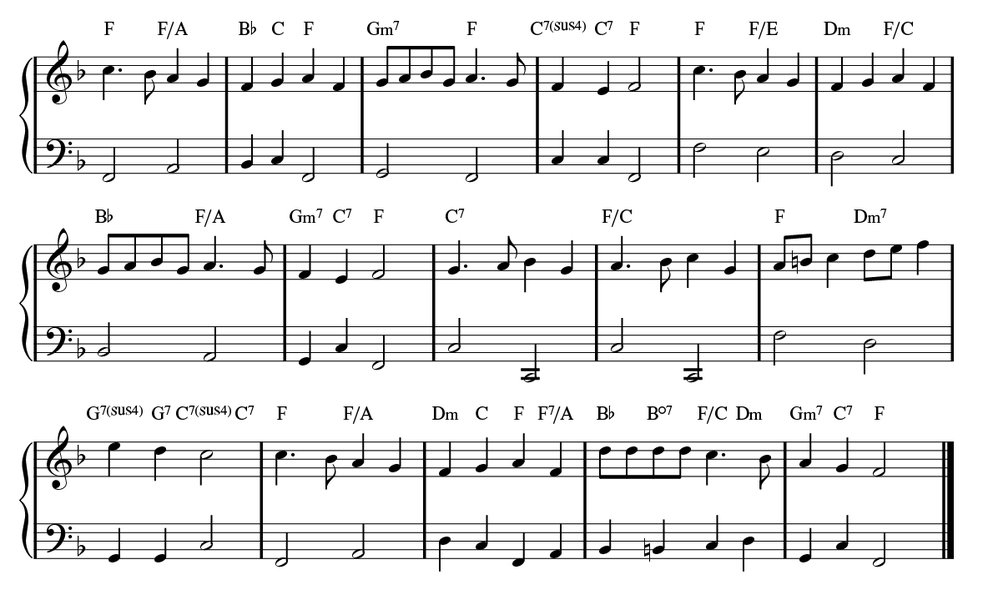
Example of a lead sheet showing melody and bass line structure
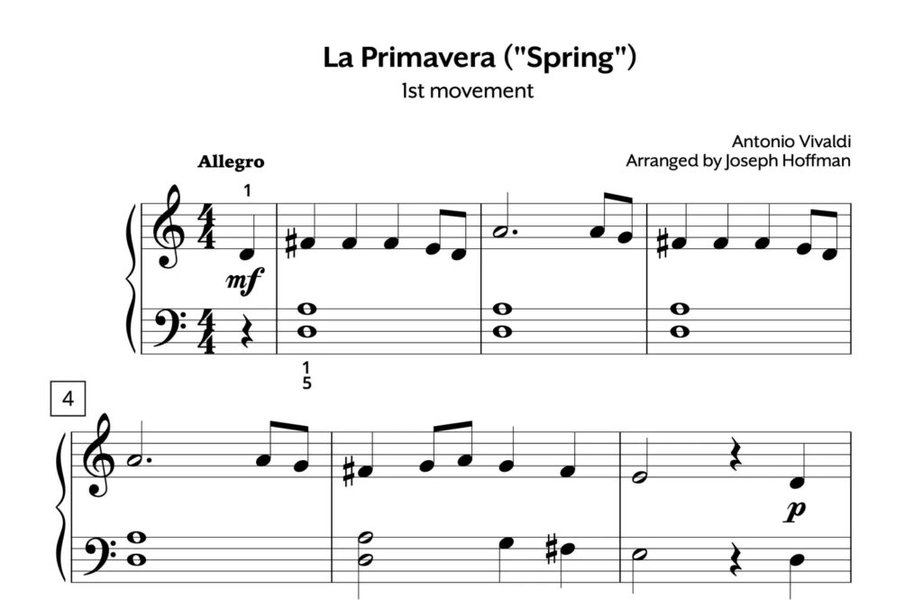
Beginner piano sheet music with clear melodic structure and phrasing
Melodic Structure in Action
This video provides an excellent introduction to the key concepts of melodic structure, with practical examples that illustrate how these principles are applied in actual compositions:
In this Music Theory Minute video, the instructor breaks down the fundamental elements of melodic structure, making complex concepts accessible through clear examples and demonstrations.
Frequently Asked Questions
References
- Melody - Wikipedia
- Melodic Structure: Definition & Examples - Vaia
- Melody Shape and Melodic Contour in Music Theory - About Music Theory
- Melody and Phrasing - Open Music Theory
- Melodic Analysis - Humanities LibreTexts
- Songwriting 101: Learn Common Song Structures - MasterClass
- What is Melody in Music - Soundtrap Blog
Recommended Queries
Last updated April 9, 2025