
Unlocking the Ancient Art of Tarot: Your Gateway to Intuitive Wisdom
Discover how the 78 cards of tarot can illuminate your path, reveal hidden insights, and connect you with your intuition
Key Insights into Tarot Reading
- More than fortune-telling: Tarot is primarily a tool for self-discovery, reflection, and accessing your intuition rather than predicting the future.
- Ancient wisdom, modern application: Dating back to the 15th century, tarot has evolved from playing cards to a powerful system for personal guidance used worldwide today.
- Accessible to beginners: With the right deck and basic understanding of card meanings and spreads, anyone can begin their tarot journey.
Understanding the Tarot Deck
A traditional tarot deck consists of 78 cards divided into two main categories: the Major and Minor Arcana. Each card carries symbolic imagery that represents different energies, situations, and insights when interpreted within a reading.
The Structure of Tarot Cards
| Category | Number of Cards | Represents | Key Characteristics |
|---|---|---|---|
| Major Arcana | 22 cards | Life's major themes and spiritual lessons | Numbered 0-21, representing archetypal forces and significant life events |
| Minor Arcana - Wands | 14 cards | Energy, passion, creativity, action | Associated with the element of fire, representing drive and ambition |
| Minor Arcana - Cups | 14 cards | Emotions, relationships, intuition | Associated with the element of water, representing feelings and connections |
| Minor Arcana - Swords | 14 cards | Intellect, challenges, decisions | Associated with the element of air, representing thought and conflict |
| Minor Arcana - Pentacles | 14 cards | Material world, resources, physical reality | Associated with the element of earth, representing wealth and stability |
Each suit of the Minor Arcana contains ten numbered cards (Ace through Ten) and four court cards (Page, Knight, Queen, and King), representing different aspects and intensities of the suit's element and energy.
The Journey of the Major Arcana
The Major Arcana tells the story of the Fool's journey through life, from innocence to enlightenment. Each card represents a significant stage or lesson in this spiritual evolution, making these cards particularly powerful when they appear in readings.
Popular Tarot Decks for Beginners
While there are hundreds of tarot decks available, several stand out as particularly accessible for beginners:
- Rider-Waite-Smith Deck: The most iconic and widely recognized tarot deck, with clear symbolic imagery that makes learning intuitive.
- The Modern Witch Tarot: A contemporary, inclusive reimagining of the classic Rider-Waite symbolism.
- The Light Seer's Tarot: Features modern, relatable imagery with a focus on light and shadow aspects.
- Mythic Tarot: Connects each card to Greek mythology, providing narrative context for interpretation.
How to Conduct a Tarot Reading
Tarot reading is both an art and a practice that deepens with experience. Following these steps will help you begin your journey with confidence and intention.
Preparing for Your Reading
Creating the right environment and mindset is crucial for a meaningful tarot reading:
- Set the space: Find a quiet, comfortable area free from distractions. Some practitioners enjoy enhancing the atmosphere with candles, incense, or crystals.
- Center yourself: Take a few deep breaths and clear your mind through brief meditation before beginning.
- Formulate your question: Be clear and specific about what you want to know. Open-ended questions typically yield more insightful readings than yes/no questions.
- Connect with your deck: Hold your cards, shuffle them mindfully, and infuse them with your energy and intention.
Common Tarot Spreads for Different Purposes
Tarot spreads are patterns in which cards are laid out, with each position having a specific meaning that influences the interpretation of the card placed there.
Simple Beginner-Friendly Spreads
- Single Card Draw: Pull one card for a daily reflection or quick insight into a specific situation.
- Three-Card Spread: Versatile and powerful, this spread can represent past-present-future, mind-body-spirit, or situation-action-outcome.
- Five-Card Cross: A simplified version of the Celtic Cross that provides a comprehensive overview of a situation without being overwhelming.
Advanced Spreads for Deeper Exploration
- Celtic Cross: A ten-card spread that explores multiple aspects of a situation, including influences, hopes, fears, and potential outcomes.
- Relationship Spread: Examines dynamics between two people, their individual perspectives, and the relationship's potential.
- Year Ahead Spread: Maps out energies and themes for the coming 12 months, often with one card representing each month.
This chart illustrates the relative strengths of different tarot spreads across various purposes and benefits. While the Celtic Cross excels in providing comprehensive insights and decision-making support, simpler spreads like the Single Card Draw are particularly effective for daily reflection and emotional processing.
Interpreting the Cards
Card interpretation is where the magic of tarot truly happens. It's a blend of understanding traditional meanings and allowing your intuition to guide you.
The Art of Tarot Interpretation
When interpreting tarot cards, consider these multiple layers of meaning:
- Traditional meanings: Each card has established interpretations developed over centuries.
- Symbolism and imagery: Pay attention to colors, figures, objects, and scenes depicted on the card.
- Card position: The meaning of a card is influenced by its position in the spread.
- Intuitive impressions: Trust your immediate feelings and thoughts when looking at a card.
- Surrounding cards: Cards interact with and modify each other's meanings within a spread.
- Reversed cards: Some readers interpret upside-down cards as representing blocked or internalized energies.
Developing Your Intuitive Connection
While learning the traditional meanings of tarot cards is important, developing your intuitive connection with the cards will deepen your readings:
- Practice regular meditation to strengthen your intuitive abilities.
- Keep a tarot journal to record your readings and track patterns and accuracy over time.
- Start with a "card of the day" practice to build familiarity with your deck.
- Study the imagery on each card, noting your personal associations and feelings.
- Trust your first impressions—they often contain powerful intuitive insights.
Understanding the Tarot Mind Map
The following mind map illustrates the key components and relationships in tarot reading, helping you visualize how different elements connect and interact in the practice.
Passion & Creativity"] Cups["Cups (Water)
Emotions & Relationships"] Swords["Swords (Air)
Intellect & Challenges"] Pentacles["Pentacles (Earth)
Material & Physical"] Practice Preparation Space["Create sacred space"] Centering["Center and ground"] Intention["Set clear intention"] Spreads Simple["Simple spreads
1-3 cards"] Intermediate["Intermediate spreads
5-7 cards"] Complex["Complex spreads
10+ cards"] Interpretation Traditional["Traditional meanings"] Intuitive["Intuitive insights"] Symbolism["Symbolism analysis"] Context["Question context"] Applications SelfDiscovery["Self-discovery"] Guidance["Decision guidance"] Reflection["Reflection & insight"] Planning["Future planning"] Spiritual["Spiritual practice"]
Tarot in the Digital Age
The practice of tarot has successfully transitioned into the digital era, making it more accessible than ever. Online platforms offer both automated readings and connections with professional readers.
Online Tarot Resources
The internet has democratized access to tarot, providing resources for practitioners at all levels:
- Free online readings: Websites like Ask Tarots, Trusted Tarot, and Evatarot offer automated readings.
- Virtual decks: Digital versions of tarot decks allow for practice without physical cards.
- Learning platforms: Comprehensive guides and courses for beginners and advanced practitioners.
- Community forums: Spaces to discuss interpretations and share experiences with other tarot enthusiasts.
- Professional readings: Access to experienced tarot readers through video calls or messaging services.
Visual Learning through Video Tutorials
Video tutorials can be particularly helpful for visual learners beginning their tarot journey. This comprehensive beginner's guide offers a solid foundation in tarot reading techniques:
This tutorial covers essential topics for beginners, including understanding card meanings, performing basic spreads, and developing your intuitive reading style. The visual demonstrations make complex concepts more accessible and provide a strong foundation for your practice.
The Visual World of Tarot
The rich imagery of tarot cards is central to their power and appeal. Different decks offer unique artistic interpretations of traditional tarot concepts, allowing practitioners to choose imagery that resonates with their personal aesthetic and spiritual preferences.
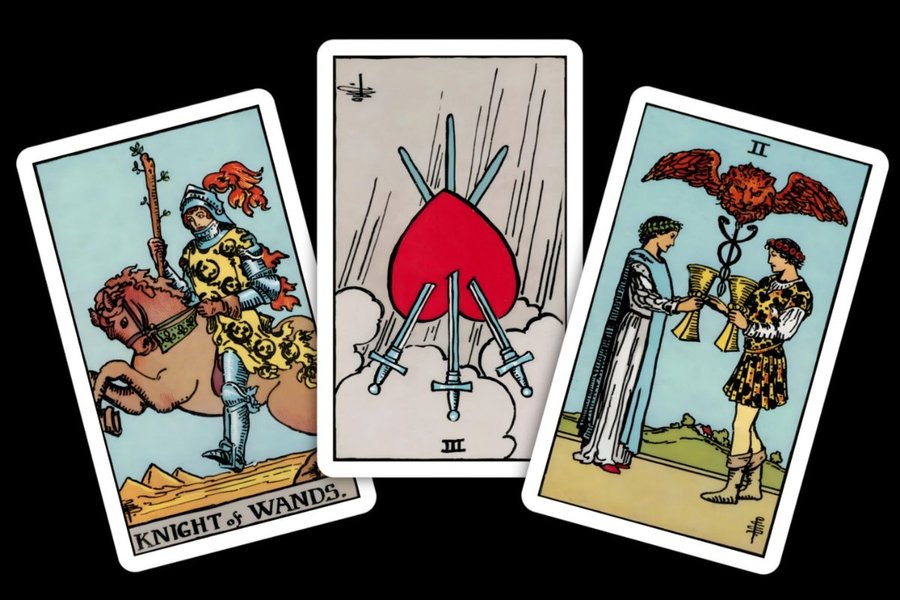
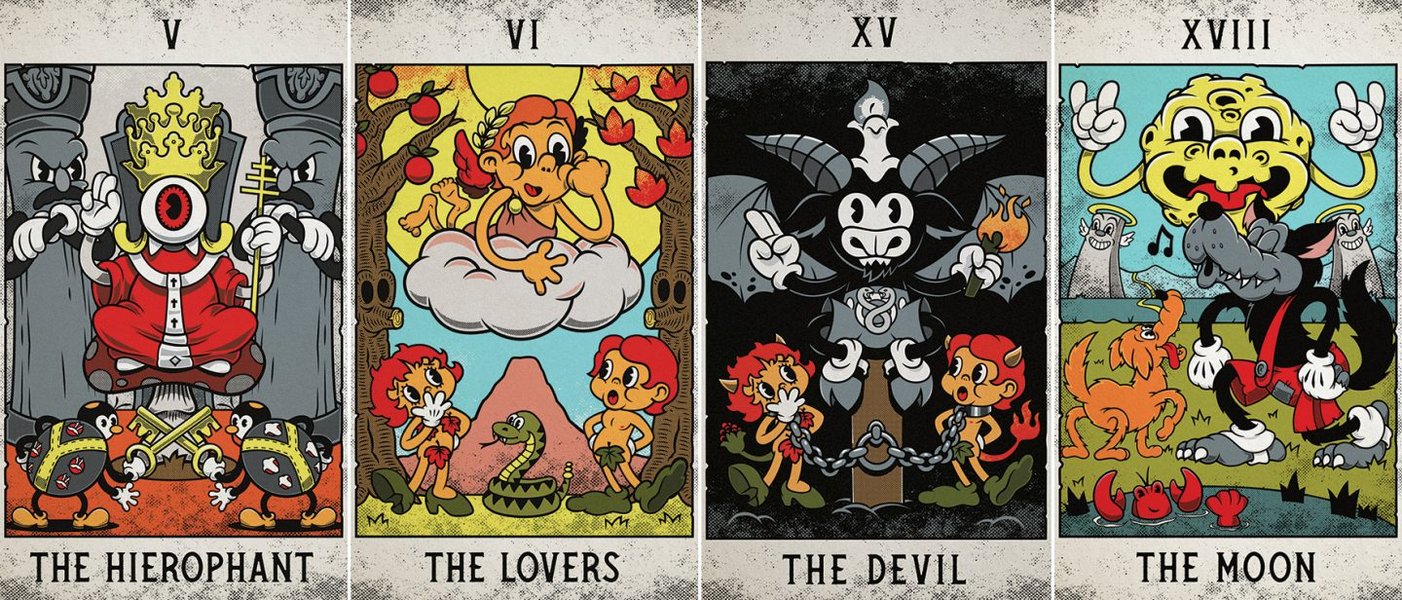
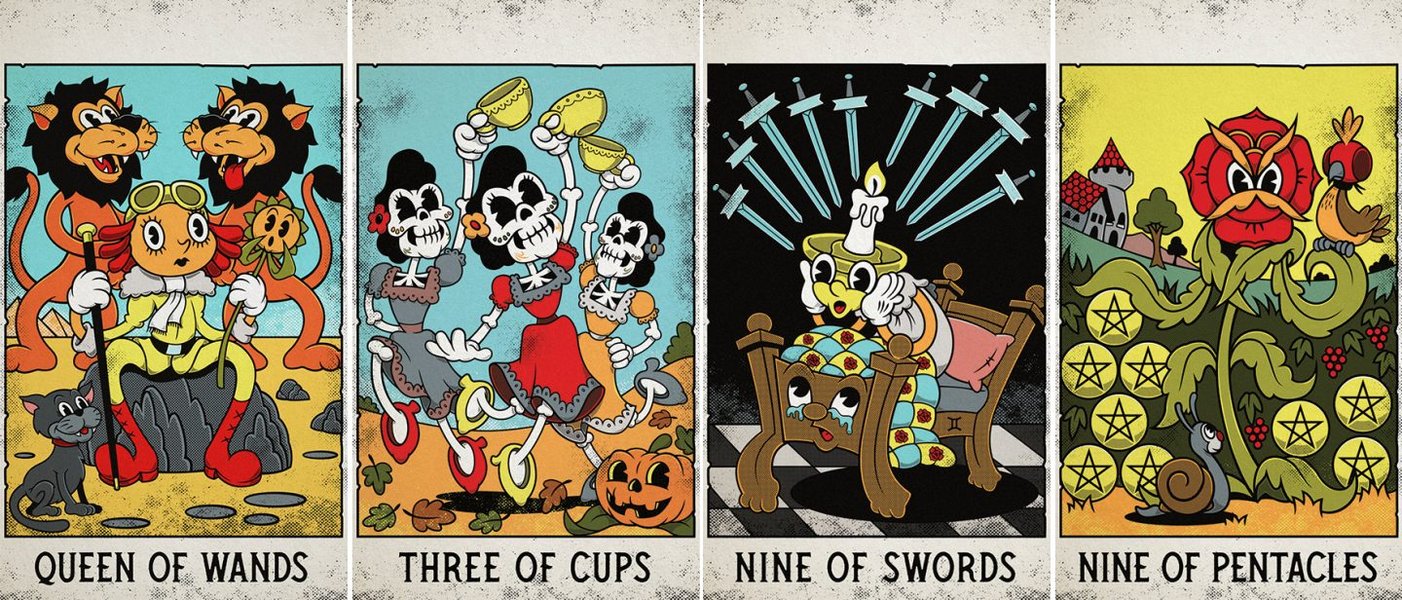
These images showcase different artistic interpretations of tarot cards. The visual elements of tarot—symbols, colors, figures, and scenes—speak directly to both the conscious and subconscious mind, triggering intuitive responses that guide interpretation. Many practitioners find that certain decks "speak" to them more clearly than others, making the choice of deck a personal and important decision in one's tarot journey.
Frequently Asked Questions
References
- A Beginner's Guide to Tarot Cards - The Cut
- Beginner's Guide to Reading Tarot Cards - Image
- How to Read Tarot Cards - The Tarot Professor
- Tarot Card Meanings List - Labyrinthos
- Tarot 101: A Beginner's Guide - Vogue
- Free Online Tarot Readings - Ask Tarots
- Personalized Free Tarot Readings - Trusted Tarot
Recommended Explorations


Last updated April 9, 2025