
Comprehensive Guide to Writing About Poverty
Crafting Empathetic and Informed Narratives on Poverty
Key Takeaways
- Understand the Multifaceted Nature of Poverty: Beyond financial deprivation, poverty encompasses systemic, social, and personal challenges.
- Avoid Stereotypes and Emphasize Authentic Narratives: Use real stories and meaningful sacrifices to portray poverty accurately.
- Highlight Systemic Issues and Provide Context: Shed light on the underlying causes of poverty to offer a comprehensive perspective.
Understanding Poverty Beyond Surface-Level Narratives
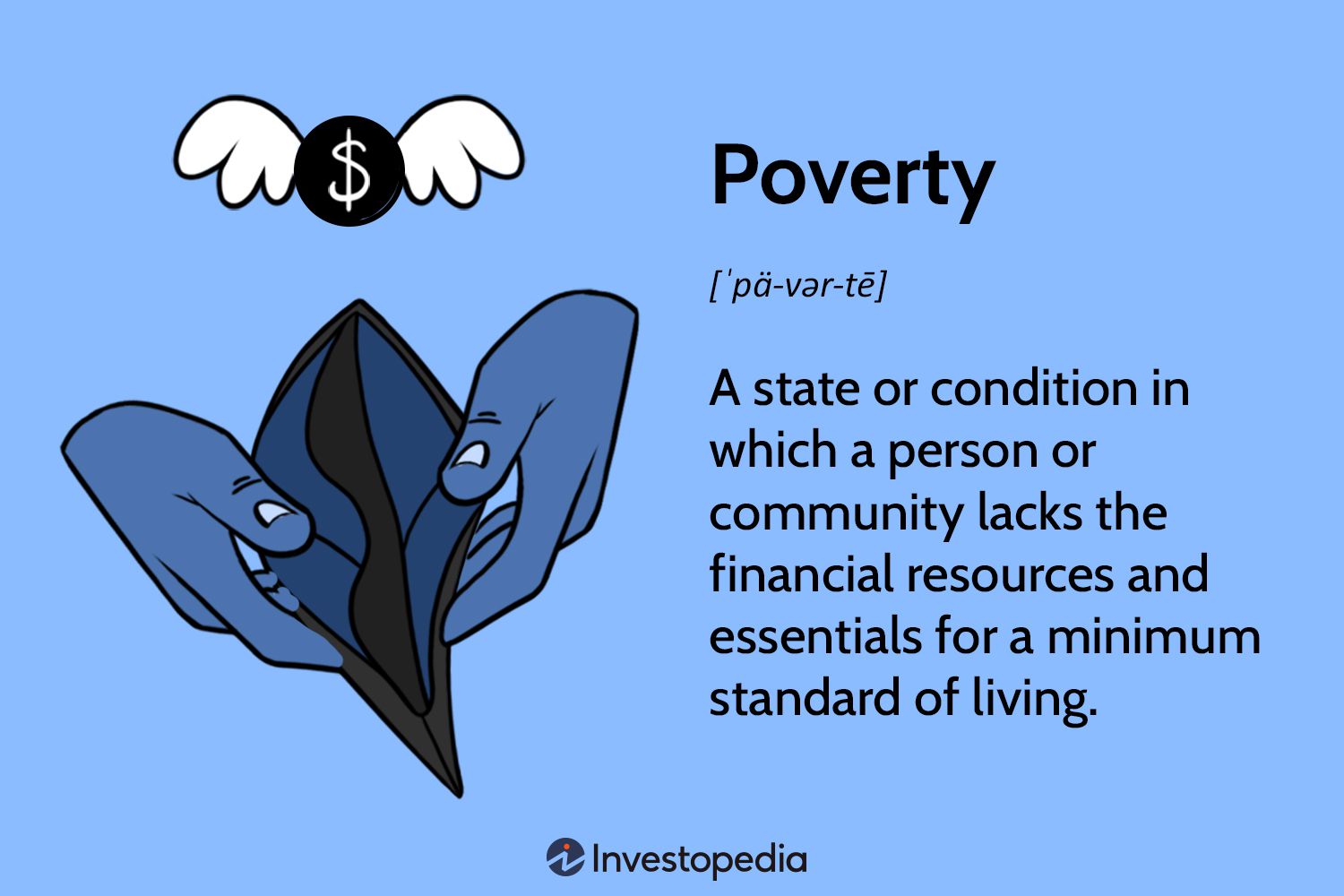
Poverty is a complex and multifaceted issue that extends beyond mere financial hardship. It includes a range of systemic, social, and personal challenges that individuals and communities face. Defining poverty solely based on income overlooks the broader aspects such as access to education, healthcare, and opportunities that are essential for a dignified standard of living. Recognizing this complexity is crucial for writers aiming to depict poverty accurately and empathetically.
Definitions and Measurements
Understanding how poverty is defined and measured is fundamental for effective writing. Poverty can be categorized as:
- Absolute Poverty: Defined by the United Nations as living on less than $2.15 per day (2023), this measure focuses on the basic necessities required for survival.
- Relative Poverty: This considers individuals' economic status in relation to the wider society, highlighting disparities in income and living standards.
Tools such as the Poverty Line, Human Development Index (HDI), and Gini Coefficient are commonly used to assess and compare poverty levels across different regions and populations.
The Multifaceted Impact of Poverty
Poverty affects every aspect of an individual's life, leading to:
- Health Issues: Limited access to healthcare and proper nutrition results in higher morbidity and mortality rates.
- Educational Barriers: Children in poverty often lack access to quality education, hindering future opportunities.
- Economic Stagnation: Poverty restricts economic development at both individual and community levels.
- Social Instability: High poverty rates are correlated with increased crime and social unrest.
Avoiding Stereotypes and Trivialization
One of the most significant challenges in writing about poverty is avoiding stereotypes and ensuring that narratives do not trivialize the experiences of those living in poverty. Common pitfalls include portraying individuals as lazy, solely focused on financial struggles, or reducing their stories to mere statistics.
Authentic Representation
To avoid stereotypes, it's essential to:
- Use Real Stories: Incorporate personal narratives and testimonials to provide a human face to poverty.
- Focus on Meaningful Sacrifices: Highlight the difficult choices individuals make to survive, such as prioritizing family needs over personal desires.
- Avoid Melodrama: While it's important to convey the gravity of poverty, overdramatization can lead to emotional manipulation and reduce credibility.
Highlighting Systemic Issues and Providing Context
Poverty is often perpetuated by systemic problems such as corruption, unemployment, illiteracy, and inequality. Effective writing should shed light on these underlying causes to offer a comprehensive understanding.
Systemic Barriers
Writers should explore how systemic barriers contribute to poverty by examining factors like:
- Economic Inequality: Disparities in income and wealth distribution restrict access to resources.
- Political Instability: Governance issues and corruption can hinder the implementation of poverty alleviation programs.
- Educational Gaps: Lack of access to quality education limits employment opportunities and socio-economic mobility.
- Climate Change: Environmental factors disproportionately affect low-income communities, exacerbating poverty.
Providing Context
Contextualizing poverty within broader social, economic, and political frameworks helps readers understand the complexity of the issue. This involves:
- Historical Factors: Analyzing how historical events and policies have shaped current poverty levels.
- Globalization: Exploring how global economic trends impact local poverty rates.
- Policy Analysis: Evaluating the effectiveness of existing policies and suggesting improvements.
The Power of Personal Narratives
Personal stories are powerful tools for conveying the human experience of poverty. They create emotional connections and provide deeper insights into the daily struggles and resilience of individuals.
Humanizing Poverty
By sharing personal narratives, writers can:
- Showcase Resilience: Highlight how individuals overcome challenges despite limited resources.
- Illustrate Daily Struggles: Offer detailed accounts of the obstacles faced in everyday life, such as accessing healthcare or education.
- Emphasize Diversity: Portray a wide range of experiences to avoid a one-size-fits-all depiction of poverty.
Creating Empathy
Effective personal narratives foster empathy by:
- Sharing Emotional Journeys: Convey the emotional impact of poverty on individuals and families.
- Highlighting Human Dignity: Emphasize that individuals living in poverty retain their dignity and aspirations.
- Encouraging Reader Engagement: Engage readers by making the stories relatable and emotionally compelling.
Tips for Writing Authentically
Authentic writing about poverty requires careful consideration of language, perspective, and depth of research. Here are some strategies to ensure authenticity:
Conduct Thorough Research
Understanding the nuances of poverty through data, case studies, and scholarly literature is essential. Reliable sources include:
- Statistical Data: Use sources like the World Bank, United Nations, and governmental agencies for up-to-date statistics.
- Academic Research: Incorporate theories and studies that explain the causes and effects of poverty.
- Personal Interviews: Engage with individuals who have firsthand experience of poverty to gain authentic insights.
Use Precise and Respectful Language
Language shapes perception. Use terms that respect the dignity of individuals living in poverty and avoid derogatory or stigmatizing language.
Show Complexity and Avoid Generalizations
Poverty manifests differently across various contexts. Avoid sweeping generalizations by illustrating the diverse experiences and factors influencing poverty.
Effective Research and Use of Data
Incorporating accurate and relevant data strengthens the credibility of your writing. It provides a factual foundation that supports your narratives and arguments.
Incorporating Statistics
Presenting statistics helps quantify the extent of poverty and its impact. Use visual aids like charts and tables to illustrate data effectively.
Analyzing Trends
Examine how poverty rates change over time and identify patterns that can inform your writing. Understanding these trends can highlight the effectiveness of interventions and policies.
Balancing Data with Stories
While data provides a macro perspective, personal stories offer a micro perspective. Balancing both enhances the depth and relatability of your writing.
Structure and Organization of Your Writing
Organizing your writing logically ensures that your message is clear and impactful. A well-structured piece guides readers through your arguments and narratives seamlessly.
Introduction
Begin with a compelling hook, such as a startling statistic, powerful quote, or anecdote, to grab the reader's attention. Provide context by defining poverty and outlining its scope. Conclude the introduction with a clear thesis statement that presents the main argument or purpose of your piece.
Body
Divide the body into coherent sections, each focusing on a specific aspect of poverty:
-
Causes of Poverty: Explore economic, social, political, and environmental factors contributing to poverty.
-
Effects of Poverty: Discuss the impact on individuals, communities, and society at large.
-
Solutions and Interventions: Present strategies and programs aimed at alleviating poverty, supported by evidence and case studies.
Conclusion
Summarize the key points discussed and reinforce the significance of addressing poverty. Offer final thoughts or a call to action, encouraging readers to engage with the issue meaningfully.
Incorporating Diverse Perspectives
To provide a holistic view of poverty, it's essential to incorporate diverse perspectives that consider various social categories and global contexts.
Intersectionality
Explore how poverty intersects with race, gender, disability, and other social categories. This approach highlights the compounded challenges faced by individuals belonging to multiple marginalized groups.
Global vs. Local Perspectives
Compare poverty in different regions or countries to illustrate unique challenges and solutions. Understanding local contexts enriches the narrative and avoids a one-dimensional portrayal.
Historical Context
Analyze how historical events and trends have shaped current poverty levels. This perspective provides depth and explains why certain regions or populations are more affected.
Ethical Considerations
Writing about poverty responsibly requires adherence to ethical standards that respect the dignity and experiences of those living in poverty.
Sensitivity and Respect
Approach the topic with empathy and avoid perpetuating stereotypes or stigmatizing language. Recognize the inherent dignity of individuals regardless of their economic status.
Accuracy and Honesty
Ensure that all data, facts, and representations are accurate and up-to-date. Misrepresentation can perpetuate myths and hinder effective discourse.
Consent and Confidentiality
If incorporating personal stories or interviews, obtain proper consent and maintain the confidentiality of individuals as needed. Respect their privacy and agency in sharing their experiences.
Conclusion
Writing about poverty demands a blend of empathy, thorough research, and ethical responsibility. By understanding the multifaceted nature of poverty, avoiding stereotypes, and highlighting systemic issues, writers can create impactful and meaningful narratives. Incorporating personal stories alongside factual data enhances the reader's connection and comprehension, fostering a deeper understanding and commitment to addressing poverty. Ultimately, thoughtful and informed writing can inspire change, influence policy, and contribute to the global effort to alleviate poverty.
References
Last updated January 31, 2025