
XAG: Comprehensive Overview of Silver as a Financial Asset
Understanding Silver's Role in Modern Markets and History
Key Takeaways
- Dual Role: Silver serves both as a precious metal investment and a critical industrial commodity, influencing its market dynamics.
- Historical Significance: Silver has a rich history as currency and a store of value, transitioning through various economic systems over millennia.
- Market Volatility: The XAG/USD pair exhibits high volatility, driven by factors such as economic trends, industrial demand, and geopolitical events.
Introduction to XAG
What is XAG?
XAG is the ISO currency code representing one troy ounce of silver in financial markets. Commonly paired with the US Dollar (USD) as XAG/USD, it is a widely traded commodity in forex and precious metals markets. Silver, denoted by its chemical symbol “Ag” from the Latin word Argentum, is both an investment asset and an industrial metal, making it a unique and versatile component of global financial systems.
Historical Background of Silver (XAG)
Ancient Civilizations and Monetary Use
Silver has been valued for over 4,000 years, with ancient civilizations like the Greeks, Romans, and Egyptians utilizing it for coins, jewelry, and decorative objects. It served as a primary medium of exchange and a store of value, much like gold. Silver coins, such as the Spanish "real" and the British "silver shilling," were integral to early monetary systems, facilitating trade and economic stability.
Industrial Revolution to Modern Use
The Industrial Revolution marked a significant increase in silver's demand due to its excellent electrical and thermal conductivity. Its applications expanded into fields like photography, electronics, and medical devices. The development of silver-halide photography and advancements in electronics sustained and increased its industrial demand, positioning silver as a critical component in technological advancements.
Transition from Silver Standard
Up until the early 20th century, many countries operated under the silver standard, where the value of their currency was directly linked to silver. However, the shift away from commodity-backed currencies during the 20th century transformed silver's role in the financial system. It moved from being the backbone of national currencies to a traded commodity and investment asset, used primarily for hedging against inflation and economic instability.
Trading and Investment Aspects
Trading XAG/USD Pair
The XAG/USD pair is one of the most actively traded commodity pairs in the forex market, second only to gold (XAU/USD). Traders are attracted to this pair due to silver's high volatility and liquidity, offering significant profit opportunities. The pair is influenced by a variety of factors, including global economic trends, industrial demand, inflation rates, and the strength of the US Dollar.
Investment Vehicles
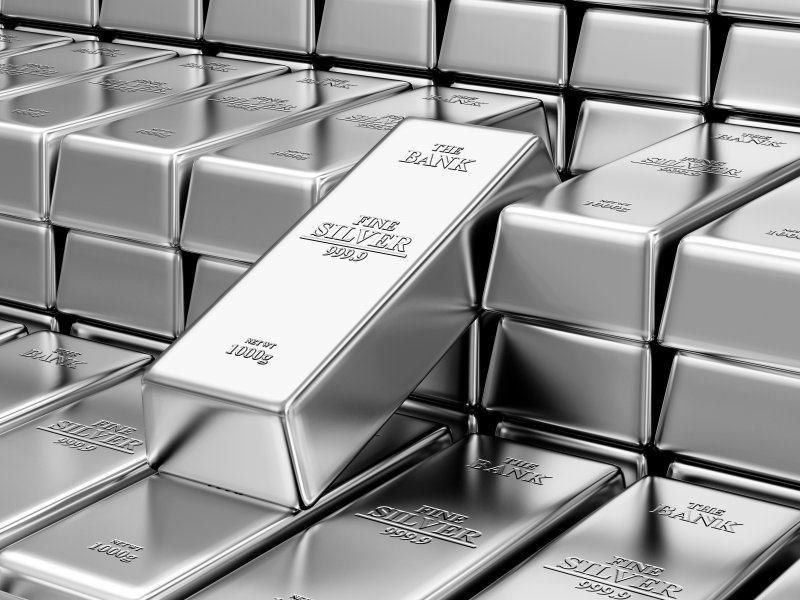
Investors can gain exposure to silver through various financial instruments. Exchange-Traded Funds (ETFs) like the iShares Silver Trust (SLV) allow investors to hold silver without physical possession. Futures contracts on exchanges like COMEX enable trading based on future price expectations, while options provide leveraged exposure with defined risk. Additionally, silver can be held in physical forms such as bullion bars and coins, catering to those who prefer tangible assets.
Market Dynamics and Price Influences
The price of silver is driven by both investment and industrial demand. Economic indicators such as GDP growth, interest rates, and inflation play crucial roles in influencing silver prices. Geopolitical events and market sentiment also impact the XAG/USD pair, often causing rapid price fluctuations. Moreover, silver's correlation with gold means that movements in the gold market can significantly affect silver prices.
Industrial and Technological Importance
Key Industrial Applications
Silver's unique physical properties—such as high electrical conductivity, reflectivity, and antimicrobial characteristics—make it indispensable in various industries. In electronics, it is used in circuit boards and soldering. The renewable energy sector relies on silver for photovoltaic cells in solar panels. Medical applications include antimicrobial coatings and advanced medical devices. Additionally, silver is used in water purification systems, automotive components, and chemical processes.
Research and Innovations
Ongoing research into silver nanoparticles is expanding its applications in medicine, environmental technologies, and electronics. Innovations in nanotechnology are exploring silver's potential in targeted drug delivery systems, antimicrobial treatments, and advanced manufacturing processes. These developments are expected to sustain and possibly increase industrial demand for silver, influencing its market dynamics positively.
Cultural and Economic Significance
Symbolism and Cultural Roles
Beyond its economic and industrial applications, silver holds significant cultural value. It symbolizes wealth, prestige, and purity, often used in art, religious artifacts, and diplomatic gifts. Silver jewelry and silverware are traditional markers of status and refinement in many cultures around the world.
Economic Hedge and Safe Haven
Silver is considered a strategic asset for diversification in investment portfolios. During periods of economic uncertainty or geopolitical turmoil, investors often flock to silver as a safe haven, similar to gold. Its relative affordability compared to gold allows for greater acquisition, and its dual role as an industrial metal provides a hedge against inflation and economic instability, making it a versatile asset in various market conditions.
Modern Developments and Future Outlook
Financial Products and Digital Representations
Innovations in the financial sector have introduced new products tied to silver. Digital silver tokens and blockchain-based representations of silver ownership are emerging, combining the stability of physical silver with the liquidity and technological advancements of digital finance. These products aim to make silver investment more accessible and transparent, attracting a broader range of investors.
Global Economic Trends and Silver's Role
As the global economy continues to evolve, silver’s role is poised to expand, particularly in renewable energy and high-tech industries. The increasing emphasis on sustainable energy solutions like solar power will likely drive further demand for silver. Additionally, advancements in electronics and medical technologies will continue to leverage silver’s unique properties, ensuring its relevance in future industrial applications.
Detailed Market Analysis
Historical Price Movements
Silver prices have exhibited significant volatility over the years. For example, in January 1980, silver prices skyrocketed to around $48 per ounce due to market speculation and manipulation but later stabilized to a range of $3.5 to $7 per ounce between 1987 and 2005. The period from 2008 to 2011 saw a dramatic bull run, with prices increasing nearly 400% from approximately $9 to $49.8 per ounce by April 2011. The COVID-19 pandemic in 2020 further influenced silver prices, reflecting heightened demand for safe-haven assets.
Factors Influencing Silver Prices
The XAG/USD pair is influenced by several key factors:
-
Inflation Rates: Higher inflation often leads to increased demand for silver as a hedge, driving up prices.
-
Industrial Demand: Growth in sectors like electronics, renewable energy, and medical devices boosts silver demand.
-
Currency Strength: A weaker US Dollar makes silver more expensive in dollar terms, increasing its attractiveness as an investment.
-
Geopolitical Events: Political instability or economic uncertainty can drive investors towards silver as a safe haven.
-
Correlation with Gold: Silver often moves in tandem with gold prices, though its volatility is typically higher.
Historical Price Data Table
| Date | Price (USD per Troy Ounce) |
|---|---|
| January 1980 | $48.00 |
| November 2024 | $34.52 |
| January 31, 2025 | $153.99 |
| February 12, 2025 | $165.68 |
| February 13, 2025 | $167.39 |
Conclusion
Silver, represented by the code XAG, stands as a multifaceted asset within global financial markets. Its historical significance as a form of currency and store of value has seamlessly transitioned into its modern roles in investment portfolios and industrial applications. The dual demand for silver—both as a precious metal and an essential industrial commodity—creates a complex but intriguing market dynamic, characterized by high volatility and extensive liquidity. As technological advancements continue to uncover new uses for silver, and as global economic conditions evolve, silver's importance is only expected to grow. Investors and traders alike must navigate the interplay of economic indicators, industrial demand, and geopolitical factors to effectively engage with the XAG/USD pair.
References
Last updated February 15, 2025