
Mastering Prompt Engineering: Comprehensive Tutorials
Unlock the full potential of AI with our in-depth guide to prompt engineering.
Key Takeaways
- Foundational Understanding: Grasp the essential concepts of prompt engineering to effectively communicate with AI models.
- Practical Resources: Access a curated list of tutorials, courses, and tools to enhance your prompt crafting skills.
- Advanced Techniques: Explore sophisticated strategies such as chain-of-thought, role-based prompts, and ethical considerations.
Introduction to Prompt Engineering
In the rapidly evolving landscape of artificial intelligence, prompt engineering has emerged as a critical skill for maximizing the effectiveness of large language models (LLMs). By meticulously designing and refining the inputs provided to these models, practitioners can guide AI to generate accurate, relevant, and creative outputs tailored to specific needs.
What Is Prompt Engineering?
Prompt engineering is the process of crafting and optimizing the text or inputs given to AI systems to elicit desired responses. This involves understanding the nuances of how language models interpret and process information, enabling users to achieve more precise and useful outcomes from their interactions with AI.
Why Is Prompt Engineering Important?
Effective prompt engineering can significantly enhance the performance of AI models, making them more reliable and aligned with user intentions. It allows for better control over the AI's responses, ensuring that the generated content meets specific criteria such as accuracy, creativity, and relevance.
Foundational Concepts in Prompt Engineering
Input Formatting
Clarity and Structure
The way a prompt is structured plays a pivotal role in determining the quality of the AI's response. Clear and well-organized prompts help the model understand the context and expectations, leading to more accurate outputs.
Context and Examples
Providing sufficient context or examples within the prompt can guide the AI to perform complex tasks more effectively. Techniques like "few-shot" learning, where a few example inputs and outputs are provided, can help the model grasp the desired pattern or format.
Role Playing and Instruction Setting
Defining a role or setting specific instructions within the prompt can direct the AI to adopt a particular tone, style, or domain expertise. For instance, starting a prompt with "You are an expert tutor..." can influence the depth and manner of the response.
Iterative Testing and Refinement
Prompt engineering is often an iterative process. Experimenting with different phrasings, structures, and levels of detail can help identify the most effective prompts. Analyzing the variations in the model's responses allows for continuous improvement and optimization.
Understanding Model Limitations
Being aware of the inherent biases and limitations of language models is crucial. This knowledge helps in crafting prompts that mitigate potential issues, ensuring that the AI's outputs are not only accurate but also ethical and unbiased.
Comprehensive Tutorial Resources
Beginner-Friendly Tutorials
For those new to prompt engineering, several resources provide a solid foundation:
Structured Guides
Comprehensive tutorials offer step-by-step instructions on crafting effective prompts. These guides often cover the basics of language models, input formatting, and best practices for prompt design.
Interactive Courses and Workshops
Interactive courses on platforms like Coursera, Udemy, and edX offer hands-on learning experiences. These courses often include practical exercises, real-world applications, and community engagement to enhance learning.
Community-Driven Resources
Platforms like GitHub and community forums provide repositories of prompt engineering examples, user-contributed tutorials, and collaborative learning opportunities. Engaging with these communities can offer practical insights and peer support.
Advanced Techniques and Strategies
For those seeking to deepen their expertise, advanced resources delve into sophisticated prompt engineering methods:
Chain-of-Thought Prompting
This technique involves breaking down complex tasks into smaller, manageable steps within the prompt. It helps the AI model reason through problems systematically, enhancing the quality of the output.
Role-Based Prompts
Assigning specific roles or personas within the prompt can tailor the AI's responses to fit particular contexts or styles. This strategy is useful for applications requiring a consistent tone or specialized knowledge.
Ethical Considerations
Advanced tutorials also address the ethical implications of prompt engineering. This includes strategies to minimize biases, ensure fairness, and promote responsible AI usage.
Practical Techniques for Effective Prompt Engineering
Step-by-Step Approaches
Developing effective prompts often involves a structured approach:
- Start with Theory: Gain a foundational understanding of language models, tokenization, and how AI interprets input.
- Experiment with Simple Prompts: Use basic prompts to observe how small changes affect the AI's response.
- Add Context and Examples: Incorporate additional information or sample inputs to guide the model's output.
- Identify Patterns: Analyze responses to different prompt variations to identify what works best.
- Create Guidelines: Develop a set of best practices based on your findings to streamline future prompt crafting.
- Engage with Communities: Share your prompts and receive feedback to continuously refine your techniques.
Utilizing Prompt Engineering Tools
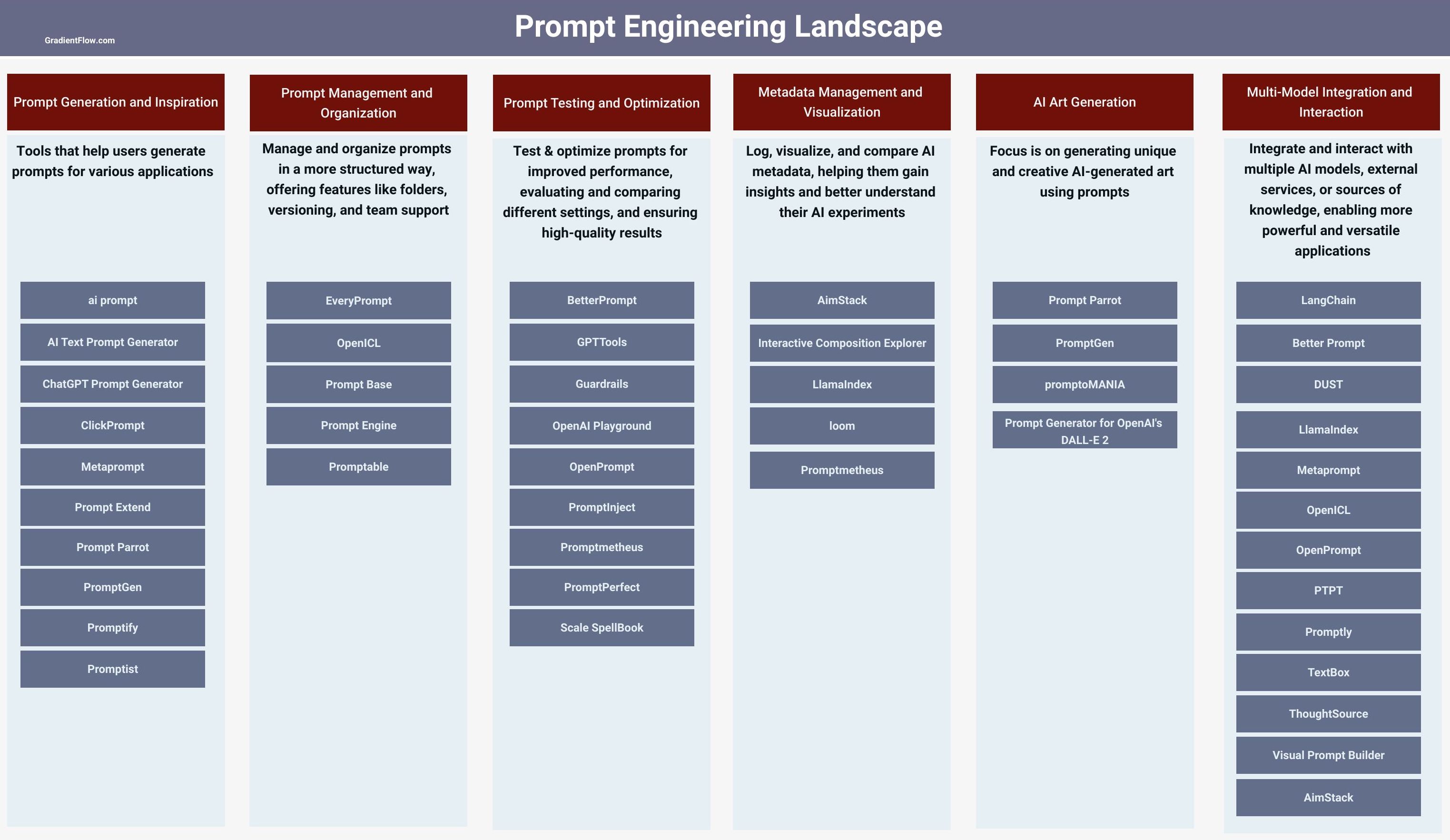
Several tools and platforms can aid in the prompt engineering process:
Prompt Generators
These tools assist in creating and iterating prompts, offering suggestions and optimizing text to enhance AI responses.
Interactive Playgrounds
Platforms like OpenAI’s Playground allow users to test and refine prompts in real-time, providing immediate feedback on the AI's output.
IDEs and Refinement Tools
Integrated Development Environments (IDEs) and specialized software tools facilitate the development and testing of complex prompts, supporting advanced functionalities like syntax highlighting and version control.
Real-World Applications of Prompt Engineering
Optimizing Chatbots
Effective prompt engineering is essential for designing chatbots that provide accurate, context-aware, and user-friendly interactions. By carefully crafting prompts, developers can enhance the conversational capabilities of AI-driven chatbots.
Creative Content Generation
From writing assistance to generating creative content like stories and poetry, prompt engineering enables AI to produce compelling and imaginative outputs aligned with user specifications.
Code Generation and Completion
In the realm of software development, prompt engineering facilitates the generation and completion of code snippets, automating routine tasks and assisting developers in writing efficient and error-free code.
Educational Tools and Tutors
AI-driven educational tools leverage prompt engineering to provide personalized tutoring, explanations, and learning resources tailored to individual student needs.
Advanced Strategies in Prompt Engineering
Chain-of-Thought Prompting
Chain-of-Thought (CoT) prompting involves structuring prompts to guide the AI through a series of logical steps. This method enhances the model's ability to reason and solve complex problems by breaking them down into smaller, interconnected parts.
Role-Based and Persona Prompts
Assigning specific roles or personas within prompts can significantly influence the tone, style, and content of the AI's responses. This strategy is particularly useful for applications requiring specialized knowledge or a consistent interaction style.
Ethical and Responsible Prompting
Incorporating ethical considerations into prompt engineering ensures that AI outputs are fair, unbiased, and respectful. This involves being mindful of potential biases in prompts and designing them to promote inclusivity and ethical use of AI.
Mitigating Biases
Careful crafting of prompts can help minimize inherent biases in AI models. This includes using neutral language, providing balanced examples, and avoiding phrasing that may lead to biased outcomes.
Promoting Fairness and Inclusivity
Designing prompts with inclusivity in mind ensures that AI responses are respectful and considerate of diverse perspectives and backgrounds. This enhances the overall reliability and ethical standards of AI interactions.
Practical Examples of Prompt Engineering
Basic vs. Advanced Prompts
| Type of Prompt | Example | Outcome |
|---|---|---|
| Basic Prompt | "Tell me about climate change." | A general overview of climate change. |
| Advanced Prompt | "As an environmental scientist, provide a detailed explanation of climate change, including key factors, historical trends, and potential future impacts. Include examples and recent data where possible." | A comprehensive and nuanced analysis of climate change with specific details and data. |
Enhancing Responses with Context
Including relevant context within prompts can significantly improve the quality of AI responses. For instance:
# Example of a contextual prompt
prompt = "You are a financial advisor. Analyze the potential impacts of rising interest rates on small businesses, considering recent economic trends."
This prompt guides the AI to adopt the role of a financial advisor and focus on specific aspects, resulting in a more targeted and informative response.
Using Few-Shot Learning
Few-shot learning involves providing the AI with a few examples within the prompt to demonstrate the desired output format or content. This technique helps in guiding the model to produce consistent and accurate responses.
<!-- Example of few-shot learning -->
  You are a language translator. Translate the following sentences from English to Spanish.
  Example 1:
  English: How are you?
  Spanish: ¿Cómo estás?

  Example 2:
  English: Good morning.
  Spanish: Buenos días.

  English: I would like a cup of coffee.
  Spanish:
By providing examples, the AI is better equipped to understand the translation pattern and apply it to new sentences.
Tips for Effective Prompt Engineering
Be Iterative and Experimental
Prompt engineering is not a one-size-fits-all process. Continuously experimenting with different prompt variations and refining them based on the AI's responses is key to discovering what works best for your specific application.
Be Explicit and Clear
Clear and explicit instructions within prompts reduce ambiguity, leading to more accurate and relevant AI outputs. Avoid vague language and ensure that the prompt clearly communicates the desired outcome.
Analyze and Learn from Outcomes
Carefully reviewing the AI's responses to different prompts helps in understanding how subtle changes in wording or structure can impact the output. Use these insights to inform and improve future prompt designs.
Leverage Community and Collaborative Learning
Engaging with communities, such as forums and discussion groups, allows for the exchange of ideas, feedback, and best practices. Collaborative learning can accelerate the development of effective prompt engineering skills.
Conclusion
Prompt engineering stands at the forefront of effective AI interaction, bridging the gap between user intent and machine understanding. By mastering the art of crafting precise and contextual prompts, individuals and organizations can harness the full potential of language models, driving innovation and efficiency across various applications. Whether you're a beginner seeking foundational knowledge or an advanced practitioner aiming to refine sophisticated techniques, the resources and strategies outlined in this guide provide a comprehensive pathway to excellence in prompt engineering.
References
Last updated February 5, 2025