
The Comprehensive Guide to Sheepadoodles
Discover everything you need to know about the lovable Sheepadoodle breed
Key Takeaways
- Intelligent and Trainable: Sheepadoodles are highly intelligent, making them easy to train and suitable for various activities.
- Affectionate and Family-Friendly: Their friendly nature makes them excellent companions for families and individuals alike.
- High Maintenance Grooming: Regular grooming is essential to maintain their hypoallergenic, low-shedding coat.
Introduction to Sheepadoodles
Sheepadoodles are a delightful designer dog breed that has gained immense popularity in recent decades. This breed is a cross between the Old English Sheepdog and the Poodle, combining the best traits of both parent breeds. Known for their intelligence, affectionate nature, and hypoallergenic coats, Sheepadoodles make excellent companions for a wide range of households.
Origin and History
The Sheepadoodle is a relatively modern hybrid breed that emerged in the United States in the late 20th century. The intentional crossbreeding of the Old English Sheepdog and the Poodle was aimed at creating a dog that inherited the Poodle's intelligence and low-shedding coat, along with the Old English Sheepdog's friendly and protective nature.
While mixed-breed dogs resembling Sheepadoodles may have existed naturally, targeted breeding programs began in the 1980s to establish the breed formally. This effort was driven by the desire to produce a dog suitable for families, individuals with allergies, and those seeking a versatile and trainable pet.
Physical Characteristics
Size and Weight
Sheepadoodles exhibit considerable size variation depending on the type of Poodle used in their lineage. Generally, Sheepadoodles can be categorized into three size types:
- Standard Sheepadoodle: Weighs between 50–80 pounds and stands 18–27 inches tall.
- Miniature Sheepadoodle: Weighs between 30–50 pounds and stands 15–20 inches tall.
- Toy Sheepadoodle: Smaller in size, though less common and typically bred from Toy Poodles.
Coat and Appearance
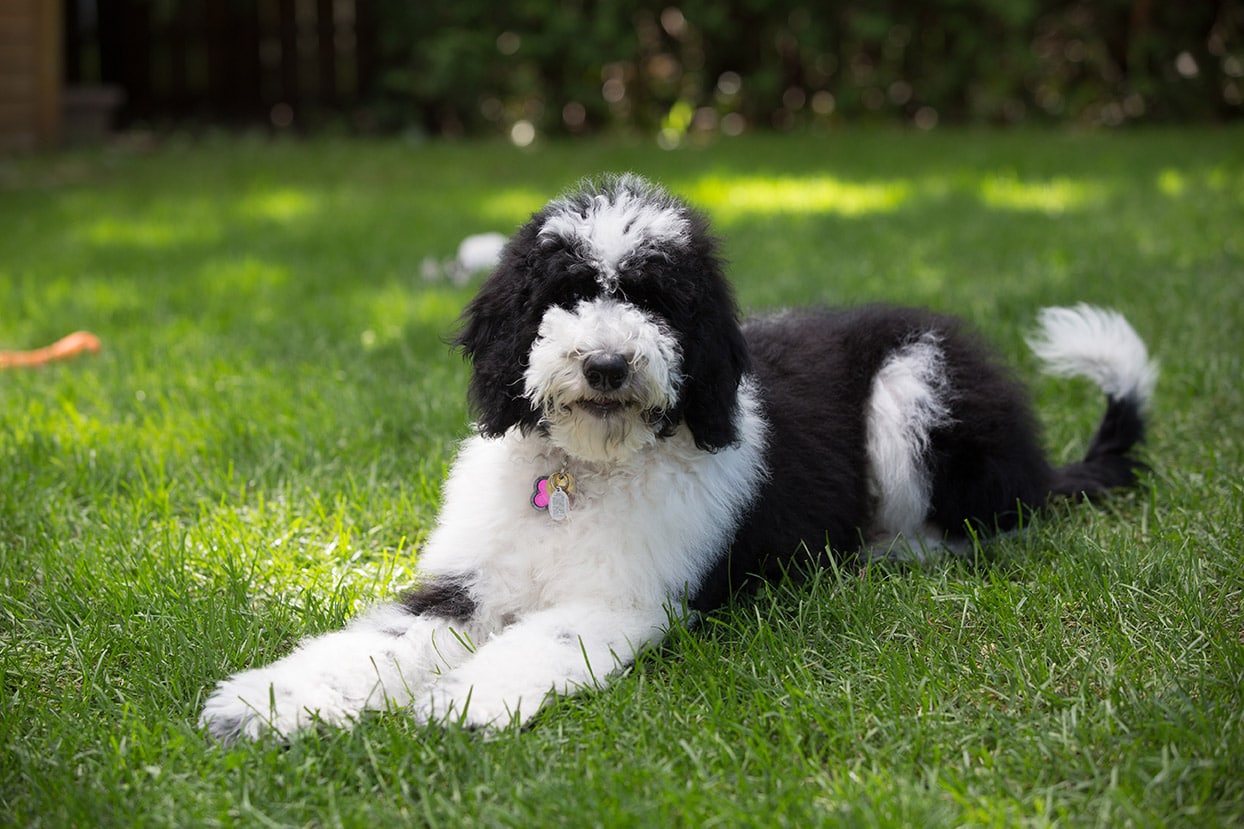
The Sheepadoodle boasts a stunning coat that is typically curly or wavy, a trait inherited from the Poodle. This coat is not only aesthetically pleasing but also hypoallergenic and low-shedding, making Sheepadoodles an excellent choice for individuals with allergies.
- Colors: Commonly found in black-and-white patterns, but variations can include gray, brown, cream, and silver.
- Texture: Their fur is soft, dense, and requires regular maintenance to prevent matting.
- Build: Sheepadoodles have a sturdy and muscular build, often resembling a fluffy teddy bear with expressive eyes and a broad head.
Distinctive Features
One of the most endearing features of Sheepadoodles is their expressive eyes, which convey intelligence and warmth. Their long ears hang gracefully, adding to their charming appearance. The overall fluffy and robust physique contributes to their reputation as gentle giants, making them both visually appealing and physically imposing.
Temperament and Personality
Friendly and Affectionate
Sheepadoodles are renowned for their friendly and affectionate nature. They form strong bonds with their families and are particularly good with children and other pets. Their sociable demeanor makes them excellent companions who thrive on human interaction and involvement in family activities.
Intelligence and Trainability
Inherited from the Poodle lineage, Sheepadoodles are highly intelligent dogs. This intelligence translates into remarkable trainability, allowing them to learn commands and tricks quickly. They excel in obedience training and can adapt to various training methods, especially those employing positive reinforcement techniques such as treats and praise.
Playfulness and Energy
Sheepadoodles possess a playful and energetic disposition. They enjoy engaging in active play, whether it be fetch, agility training, or interactive games. Their high energy levels make them suitable for active households that can provide ample exercise and mental stimulation to keep them content and prevent boredom.
Loyalty and Protectiveness
These dogs are incredibly loyal, forming deep attachments to their owners. While they are not typically aggressive, Sheepadoodles can display protective tendencies, making them vigilant watchdogs. Their protective nature ensures that they remain attentive and responsive to any potential threats, providing a sense of security to their families.
Social Nature
Sheepadoodles are inherently social animals who thrive in environments where they receive regular companionship. They may experience separation anxiety if left alone for extended periods, leading to potential behavioral issues such as destructiveness or excessive barking. Ensuring that they have sufficient social interaction is crucial for their well-being.
Care and Maintenance
Grooming Requirements
The Sheepadoodle's luxurious coat requires diligent care to maintain its health and appearance. Regular grooming is essential to prevent matting, tangling, and skin issues.
- Brushing: Daily or at least 2–3 times a week brushing is necessary to keep the coat free from mats and tangles.
- Professional Grooming: Scheduled professional grooming every 6–8 weeks helps manage coat length and ensures areas prone to matting, such as around the eyes and paws, remain clean.
- Bathing: Regular baths using dog-appropriate shampoos keep the coat clean and healthy. Over-bathing should be avoided to prevent skin dryness.
- Trimming: Periodic trimming of the coat can help maintain a manageable length and remove any damaged fur.
Exercise Needs
Sheepadoodles are active dogs that require substantial daily exercise to stay healthy and happy. Adequate physical activity prevents behavioral issues stemming from boredom and excess energy.
- Daily Walks: At least one to two hours of walking each day is recommended to meet their energy needs.
- Playtime: Engaging in interactive games like fetch, tug-of-war, and agility training helps burn energy and stimulates their minds.
- Mental Stimulation: Providing puzzle toys, obedience training sessions, and new challenges keeps their intelligent minds engaged.
- Outdoor Activities: Activities such as hiking, swimming, and running are excellent outlets for their physical and mental energy.
Diet and Nutrition
A balanced and high-quality diet is crucial for the Sheepadoodle's overall health and longevity. Their nutritional needs vary based on their size, age, and activity level.
- High-Quality Dog Food: Providing a diet rich in proteins, healthy fats, and essential vitamins ensures proper growth and maintenance.
- Portion Control: Dividing meals into two to three servings a day helps regulate energy intake and prevent obesity.
- Joint Supplements: Including supplements such as glucosamine and omega-3 fatty acids can support joint health, particularly important for larger Sheepadoodles prone to hip dysplasia.
- Hydration: Ensuring constant access to fresh water is essential for their health and well-being.
Training and Socialization
Effective training and early socialization are vital components of raising a well-behaved Sheepadoodle. Their intelligence and eagerness to please make training sessions both productive and enjoyable.
- Early Training: Beginning obedience training in puppyhood sets the foundation for good behavior and responsiveness.
- Positive Reinforcement: Utilizing rewards like treats, praise, and play encourages desired behaviors and fosters a positive learning environment.
- Consistency: Maintaining consistent commands and rules helps the Sheepadoodle understand expectations and reduces confusion.
- Socialization: Exposing the dog to various people, environments, and other animals during the critical puppy stage prevents fearfulness and promotes confidence.
- Advanced Training: Engaging in advanced obedience, agility, or specialized training can further stimulate their minds and strengthen the bond between dog and owner.
Health and Lifespan
Average Lifespan
Sheepadoodles typically enjoy a lifespan of 12–15 years, provided they receive proper care, nutrition, and regular veterinary check-ups.
Common Health Concerns
While generally healthy, Sheepadoodles may be susceptible to certain genetic and breed-specific health issues inherited from their parent breeds.
- Hip Dysplasia: A genetic condition affecting the hip joints, leading to pain and mobility issues. Maintaining a healthy weight and providing joint supplements can mitigate risks.
- Progressive Retinal Atrophy (PRA): A hereditary eye disorder that can lead to blindness. Regular eye examinations are recommended to monitor and manage the condition.
- Skin Allergies: Some Sheepadoodles may develop sensitivities to certain foods or environmental factors, necessitating dietary adjustments or specialized skincare.
- Bloat (Gastric Dilatation-Volvulus): A life-threatening condition common in larger breeds. Preventative measures include avoiding vigorous exercise immediately after meals and feeding smaller, more frequent meals.
- Ear Infections: Due to their floppy ears, Sheepadoodles may be prone to ear infections. Regular ear cleaning helps prevent buildup of moisture and debris.
Preventive Care
Maintaining the Sheepadoodle's health involves a combination of regular veterinary visits, a balanced diet, adequate exercise, and attentive grooming. Early detection and management of health issues are crucial for ensuring a long, healthy life.
Ideal Home Environment
Suitable Living Situations
Sheepadoodles are adaptable dogs that can thrive in various living environments, provided their needs are met. They are well-suited for:
-
Families with Children: Their gentle and patient nature makes them excellent companions for kids.
-
Active Individuals: Energetic owners who enjoy outdoor activities will find Sheepadoodles to be perfect partners.
-
Homes with Other Pets: Their sociable temperament allows them to get along well with other animals in the household.
-
Apartments: While adaptable, Sheepadoodles require ample exercise to thrive in smaller living spaces.
Space and Exercise
While Sheepadoodles can adjust to various living spaces, having access to a yard or nearby parks is beneficial for their exercise needs. Regular outdoor activities provide the necessary physical and mental stimulation to keep them healthy and happy.
Companionship and Attention
These dogs thrive on companionship and require regular interaction with their owners. Ensuring that they receive sufficient attention helps prevent behavioral issues related to anxiety and boredom.
Potential Challenges
Separation Anxiety
Sheepadoodles are highly social and can develop separation anxiety if left alone for extended periods. This condition may lead to destructive behavior, excessive barking, or other stress-related issues. Strategies to mitigate separation anxiety include gradual desensitization, providing enrichment activities, and ensuring consistent routines.
Grooming Commitment
The Sheepadoodle's dense, curly coat necessitates a regular grooming regimen. This commitment includes daily brushing, regular professional grooming, and diligent maintenance to prevent matting and skin problems. Owners must be prepared to invest time and resources into grooming to keep their Sheepadoodle healthy and comfortable.
High Energy Levels
With their high energy levels, Sheepadoodles require ample physical and mental stimulation. Lack of sufficient exercise can result in behavioral problems such as hyperactivity, destructiveness, or excessive barking. Providing a variety of activities and ensuring consistent exercise routines are essential for managing their energy.
Training Tips
Positive Reinforcement
Utilizing positive reinforcement techniques, such as rewarding desired behaviors with treats, praise, or play, is highly effective with Sheepadoodles. This approach fosters a positive learning environment and strengthens the bond between dog and owner.
Consistency and Structure
Maintaining consistency in commands, routines, and expectations helps Sheepadoodles understand their role and reduces confusion. Structured training sessions contribute to better behavior and responsiveness.
Early Socialization
Exposing Sheepadoodles to various environments, people, and other animals during the critical early stages of development encourages confidence and adaptability. Early socialization prevents fearfulness and promotes balanced behavior.
Mental Stimulation
Engaging Sheepadoodles in activities that challenge their intelligence, such as puzzle toys, obedience training, and interactive games, keeps their minds sharp and prevents boredom-related issues.
Nutrition and Diet
Balanced Diet
Providing a balanced diet tailored to the Sheepadoodle's size, age, and activity level is crucial for their overall health. High-quality dog food rich in proteins, healthy fats, and essential vitamins supports their growth and maintenance.
Portion Control
Dividing meals into two to three servings a day helps regulate energy intake and prevents obesity. Monitoring their weight and adjusting portions as needed ensures they maintain a healthy physique.
Supplements
Including joint supplements, such as glucosamine and omega-3 fatty acids, can support joint health, particularly important for larger Sheepadoodles prone to hip dysplasia. Always consult with a veterinarian before introducing supplements.
Hydration
Ensuring that Sheepadoodles have constant access to fresh water is essential for their health and well-being. Proper hydration supports digestion, metabolism, and overall bodily functions.
Health Maintenance
Regular Veterinary Check-ups
Scheduled veterinary visits are vital for monitoring the Sheepadoodle's health, administering vaccinations, and addressing any emerging health concerns. Regular check-ups facilitate early detection and treatment of potential issues.
Preventive Care
Implementing preventive measures, such as parasite control, dental care, and maintaining a healthy weight, ensures the Sheepadoodle remains in optimal health.
Dental Hygiene
Regular brushing of the Sheepadoodle's teeth and providing dental chews or toys helps maintain oral health and prevent dental diseases.
Vaccinations and Parasite Control
Keeping up with the Sheepadoodle's vaccination schedule and administering regular parasite preventatives safeguards them against common diseases and infestations.
Behavioral Traits and Insights
Herding Instincts
Inherited from the Old English Sheepdog, Sheepadoodles may exhibit mild herding behaviors, such as nudging or lightly nipping at heels. While non-aggressive, these behaviors can be managed through consistent training and redirection.
Sensitivity and Intuition
Sheepadoodles are sensitive to their owners' emotions and can be intuitive in responding to human moods. This trait makes them excellent emotional support animals and enhances their ability to form deep emotional bonds with their families.
Adaptability
Sheepadoodles are adaptable dogs that can adjust to various living conditions and lifestyles. Their flexibility allows them to thrive in different environments, provided their physical and emotional needs are met.
Preparing for a Sheepadoodle
Choosing the Right Sheepadoodle
Prospective owners should seek reputable breeders who prioritize health, temperament, and adherence to breed standards. Alternatively, considering adoption from shelters or rescue organizations can provide a loving home to Sheepadoodles in need.
Puppy-Proofing Your Home
Before bringing a Sheepadoodle puppy home, ensure that your living space is safe and secure. Remove hazardous items, secure loose wires, and create a comfortable space for the puppy to acclimate.
Supplies and Essentials
Gather necessary supplies, including a comfortable bed, appropriate toys, grooming tools, high-quality dog food, feeding bowls, and a secure leash and harness. Providing these essentials ensures a smooth transition for your new Sheepadoodle.
Establishing a Routine
Establishing a consistent daily routine helps Sheepadoodles feel secure and understand expectations. This includes regular feeding times, exercise sessions, training periods, and designated rest times.
Conclusion
The Sheepadoodle is a remarkable breed that blends the intelligence and hypoallergenic qualities of the Poodle with the friendly and protective nature of the Old English Sheepdog. Their affectionate demeanor, coupled with their high energy and grooming needs, makes them ideal companions for active families and individuals who can dedicate time to their care and training.
Proper grooming, regular exercise, balanced nutrition, and consistent training are essential for ensuring a Sheepadoodle's health and happiness. With the right environment and care, Sheepadoodles can bring immense joy and loyalty to their households, making them a treasured addition to any family.
References
Last updated January 23, 2025