
Navigating the Path to a Flourishing Future: Unpacking Sustainable Development
A holistic approach to balancing present needs with the promise of tomorrow.

- 1.Key Insights into Sustainable Development
- 2.The Genesis and Core Philosophy of Sustainable Development
- 3.The Multifaceted Dimensions of Sustainability
- 4.Understanding Sustainable Development Through Models and Frameworks
- 5.Sustainable Development in Action: Real-World Examples
- 6.Quantifying Progress: Indicators of Sustainable Development
- 7.Deep Dive: Examples of Sustainable Development
- 8.Frequently Asked Questions About Sustainable Development
- 9.Conclusion: Charting a Course for a Resilient Future
- 10.Recommended Further Reading
- 11.Referenced Search Results
Key Insights into Sustainable Development
- Foundational Definition: Sustainable development is universally defined as "development that meets the needs of the present without compromising the ability of future generations to meet their own needs," a cornerstone concept from the 1987 Brundtland Commission report.
- Interconnected Dimensions: It is built upon three primary pillars—economic viability, social equity, and environmental protection—with an emerging recognition of a crucial fourth, the cultural dimension, emphasizing the holistic nature of truly sustainable practices.
- Global Frameworks and Real-World Impact: Global blueprints like the United Nations Sustainable Development Goals (SDGs) translate these principles into actionable targets, evident in diverse applications from renewable energy solutions and sustainable agriculture to circular economy models and innovative green buildings.
The Genesis and Core Philosophy of Sustainable Development
Sustainable development represents a critical paradigm shift in how humanity approaches progress. Born from the recognition of the long-term environmental and social consequences of industrial-era growth, it champions a balanced approach. The most widely accepted definition, coined by the Brundtland Commission in its 1987 report "Our Common Future," states that sustainable development is "development that meets the needs of the present without compromising the ability of future generations to meet their own needs." This definition intrinsically links two fundamental ideas: addressing current human needs and acknowledging the finite nature of planetary resources and the imperative to preserve them for future generations.
This philosophy moves beyond mere environmentalism to integrate economic advancement, social justice, and ecological stewardship into a cohesive strategy for long-term well-being. It underscores a shift from short-term gains to enduring prosperity, where every decision considers its ripple effect across environmental, social, and economic spheres.
The Multifaceted Dimensions of Sustainability
Sustainable development is often understood through a framework of interconnected dimensions, traditionally referred to as "pillars." While the economic, social, and environmental dimensions are universally acknowledged, the cultural dimension is increasingly recognized as vital for truly holistic and effective sustainability efforts.
Economic Dimension: Prosperity within Planetary Limits
The economic dimension of sustainable development focuses on fostering inclusive and enduring economic growth. This is not simply about financial gain but about creating long-term prosperity that respects ecological boundaries and social equity. It involves developing economic policies and investments that support sustainability, promote efficient resource use, and encourage innovation. Key aspects include fostering green jobs, transitioning to more efficient production and consumption patterns, and ensuring that economic activities generate durable societal value without depleting natural capital. It also emphasizes the importance of financial stability and security for all members of society, moving towards models that prioritize well-being over unchecked growth.
Social Dimension: Equity, Well-being, and Inclusion
The social dimension centers on human well-being, equity, and inclusion. Its goal is to create societies where everyone has access to essential resources, opportunities, and a high quality of life. This includes ensuring adequate livelihoods, economic security, and sufficient employment opportunities, alongside equitable distribution of resources. Key components include gender equality, access to quality education and healthcare, public safety, political accountability, and active community participation. The social pillar strives to reduce inequalities, alleviate poverty, and address issues of injustice, ensuring that the benefits of development are shared by all segments of society, fostering social cohesion and resilience.
Environmental Dimension: Safeguarding Our Natural Heritage
The environmental dimension is perhaps the most widely recognized aspect of sustainable development. It involves the preservation and responsible management of natural resources and ecosystems. This pillar aims to minimize pollution, conserve biodiversity, reduce greenhouse gas emissions, and manage natural resources in a way that maintains environmental quality and ensures their availability for future generations. Strategies include reforestation, sustainable agricultural practices, comprehensive water management, and the widespread adoption of renewable energy sources. This dimension emphasizes living within planetary boundaries and protecting the natural systems that underpin all life.
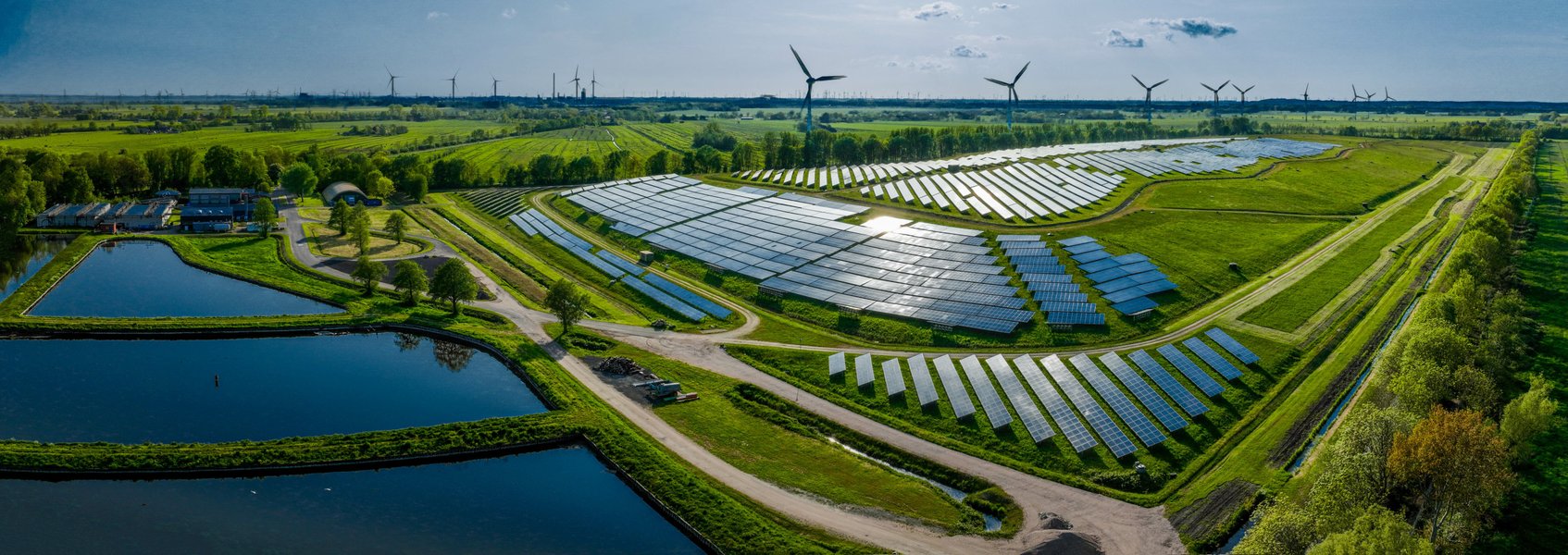
Renewable energy infrastructure is a cornerstone of environmental sustainability.
Cultural Dimension: Values, Traditions, and Local Contexts
While often integrated into the social dimension, the cultural dimension is increasingly gaining recognition as a distinct and critical aspect of sustainable development. Culture shapes how people interact with their environment, consume resources, and respond to sustainability initiatives. This dimension highlights the importance of preserving heritage, fostering diversity, and integrating traditional knowledge into modern practices. It necessitates context-sensitive approaches that respect local customs, values, and norms while promoting shared sustainability goals. Understanding and leveraging cultural aspects can significantly enhance the effectiveness and acceptance of sustainable development projects.
Understanding Sustainable Development Through Models and Frameworks
To operationalize the broad concept of sustainable development, various models and frameworks have been developed. These tools provide structured ways to understand, measure, and implement sustainability initiatives at different scales.
The Three Pillars Model: A Foundational Visualization
The "Three Pillars" or "Triple Bottom Line" model is a foundational framework illustrating sustainable development as the intersection of economic, social, and environmental factors. Often depicted as three overlapping circles, true sustainability is achieved when there is a balance and synergy among these three dimensions. This model helps visualize the interdependencies and the need to consider all aspects simultaneously rather than in isolation.
United Nations Sustainable Development Goals (SDGs): A Global Blueprint
Adopted in 2015, the United Nations Sustainable Development Goals (SDGs) provide the most comprehensive global framework for sustainable development. These 17 interconnected goals, with 169 specific targets, aim to achieve a better and more sustainable future for all by 2030. They cover a vast range of global challenges, including poverty eradication, zero hunger, good health and well-being, quality education, gender equality, clean water and sanitation, affordable and clean energy, decent work and economic growth, industry, innovation and infrastructure, reduced inequalities, sustainable cities and communities, responsible consumption and production, climate action, life below water, life on land, peace, justice, and strong institutions, and partnerships for the goals. The SDGs serve as a universal call to action, guiding national policies, business strategies, and local programs.
Structural and Pathway Models: Quantitative Tools for Assessment
Beyond conceptual frameworks, more quantitative models exist to assess policies and investments. Examples include the Structural Model for Sustainable Development (SMSD), which evaluates economic policies with social impact, and various pathway modeling works that analyze infrastructure-led transformations and land-use changes. These models provide tools to forecast outcomes and guide effective decision-making by considering complex interactions between different dimensions of sustainability.
This radar chart visually compares the perceived current global focus on different aspects of sustainable development against an ideal, balanced sustainable approach. It highlights how factors like economic viability and technological innovation often receive significant attention, while cultural preservation, though crucial, might be relatively less emphasized in current global initiatives. The "Ideal Sustainable Balance" dataset illustrates a desired state where all dimensions receive maximum attention, emphasizing the holistic nature required for true sustainability.
Sustainable Development in Action: Real-World Examples
The abstract principles of sustainable development are brought to life through a myriad of concrete applications across various sectors and geographies. These examples demonstrate how a balance of economic, social, environmental, and cultural considerations can lead to tangible, positive outcomes.
Embracing Renewable Energy
The transition from fossil fuels to renewable energy sources is a cornerstone of environmental sustainability. Technologies like solar panels, wind turbines, hydroelectric power, and geothermal energy drastically reduce greenhouse gas emissions, mitigating climate change and decreasing reliance on finite resources. This shift also creates new industries and jobs, contributing to economic viability and often improving energy access in remote communities.
Sustainable Agriculture and Food Systems
Sustainable agriculture encompasses practices that conserve natural resources, protect ecosystems, and ensure food security. This includes techniques such as crop rotation, reduced chemical use, organic farming, and agroforestry. These methods preserve soil fertility, protect water quality, enhance biodiversity, and support the livelihoods of farmers, contributing to both environmental health and social equity. Regenerative agriculture practices, for instance, focus on rebuilding soil organic matter and restoring degraded soil biodiversity.
Green Buildings and Sustainable Urban Planning
Green buildings are designed, constructed, and operated to minimize their environmental impact and improve human health. Features often include energy-efficient designs, sustainable materials, water-saving technologies, and systems that enhance indoor environmental quality. In urban planning, initiatives like permeable paving for stormwater management, extensive green spaces, and integrated public transportation systems contribute to creating sustainable cities and communities that are inclusive, safe, resilient, and environmentally friendly.
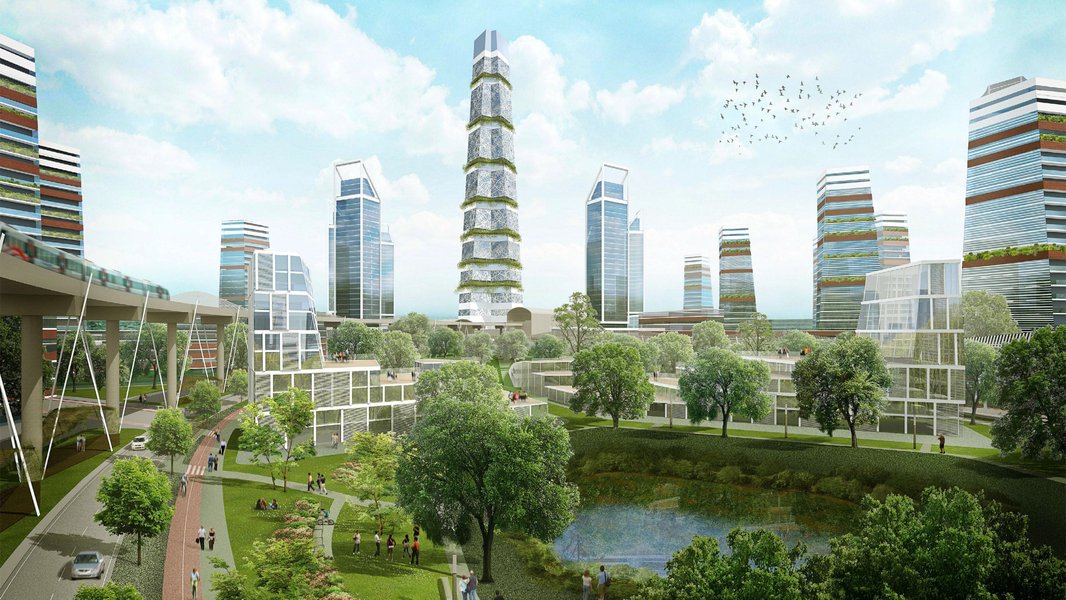
Integrated urban planning for sustainable cities and communities.
The Circular Economy: Waste as a Resource
Moving away from a linear "take-make-dispose" model, the circular economy focuses on maximizing resource efficiency by keeping products and materials in use for as long as possible. This involves strategies like reuse, repair, remanufacturing, and recycling. A notable example is Apple's closed-loop recycling program, which aims to recover and reuse materials from old devices to create new ones, minimizing waste and reducing the demand for virgin resources. Waste-to-energy systems also play a role, converting waste materials into usable power.
Innovative Construction and Community Development
Beyond traditional methods, innovation also drives sustainable development. Projects like 3D-printed schools in Madagascar demonstrate how cutting-edge construction techniques can provide cost-effective and environmentally friendly infrastructure in resource-constrained settings. Similarly, community-driven solar adoption initiatives, replacing kerosene lighting with clean energy, directly improve health, education, and economic opportunities, particularly in rural areas.
This mindmap provides a hierarchical overview of sustainable development, starting from its core definition and branching out into its key dimensions, foundational models and frameworks, and practical, real-world examples. It illustrates the interconnectedness of these components and serves as a quick reference for the breadth of the topic.
Quantifying Progress: Indicators of Sustainable Development
Measuring progress towards sustainable development requires a blend of quantitative and qualitative indicators that capture the nuances of its various dimensions. While the UN SDGs offer a comprehensive set of targets, specific examples help illustrate the practical application of these metrics.
| Dimension | Key Performance Indicators (KPIs) | Example Applications |
|---|---|---|
| Economic | GDP per capita (adjusted for environmental impact), Green job creation, Renewable energy investment, Resource efficiency rates | Tracking investment in sustainable technologies; measuring the carbon footprint of industrial production per unit of output. |
| Social | Poverty rates, Access to education/healthcare, Gender equality index, Income inequality (Gini coefficient), Life expectancy | Monitoring school enrollment rates in underserved communities; assessing the proportion of women in leadership roles; tracking access to clean water. |
| Environmental | CO2 emissions per capita, Biodiversity index, Forest cover change, Water quality metrics, Waste generation/recycling rates | Measuring reductions in air pollution levels; tracking endangered species populations; monitoring the percentage of recycled municipal waste. |
| Cultural | Number of protected cultural sites, Indigenous language vitality, Participation in cultural activities, Integration of traditional knowledge in policy | Assessing the preservation of historic landmarks; evaluating the inclusion of local ecological knowledge in conservation efforts. |
This table outlines key performance indicators (KPIs) across the economic, social, environmental, and cultural dimensions of sustainable development. It provides specific examples of how these indicators can be applied to measure progress and identify areas requiring further attention, emphasizing the need for comprehensive data collection and analysis.
This bar chart illustrates the estimated impact score of various sustainable development initiatives on a scale of 1 to 10. It shows that while renewable energy adoption and circular economy integration are perceived to have a strong positive impact, areas like social inclusion programs might require more concerted effort to reach their full potential. This chart emphasizes that different initiatives contribute to sustainability at varying degrees, reflecting their complexity and challenges in implementation.
Deep Dive: Examples of Sustainable Development
To further illustrate the practical aspects of sustainable development, let's explore more detailed examples, drawing connections between the theoretical dimensions and their real-world manifestations.
The Power of Renewable Energy Projects
Consider large-scale solar farms or offshore wind parks. These projects directly address the environmental dimension by drastically reducing carbon emissions and mitigating climate change. Economically, they create jobs in manufacturing, installation, and maintenance, fostering a green economy. Socially, they can improve energy independence and provide access to reliable power, especially for remote communities, contributing to better living standards and opportunities.
Revitalizing Agriculture with Sustainable Practices
In regions like the Sahel, where desertification is a major threat, "farmer-managed natural regeneration" (FMNR) is a sustainable agricultural practice. Farmers protect and nurture naturally regenerating trees, which helps restore degraded land, improve soil fertility, increase crop yields, and enhance biodiversity (environmental dimension). This practice also boosts food security and income for local farmers (economic and social dimensions) and often builds upon traditional land management knowledge (cultural dimension).
Designing for a Greener Future: Green Buildings
The Bullitt Center in Seattle, often hailed as one of the greenest commercial buildings in the world, exemplifies sustainable development. It's designed to be net-positive for energy and water, producing more than it consumes and treating its own wastewater (environmental). Its healthy indoor environment and walkable location promote well-being for occupants and community health (social). Economically, while initial costs may be higher, long-term operational savings and increased property value contribute to viability. The design also integrates aesthetic elements that reflect local ecology, subtly touching on cultural appreciation of nature.
The Circular Economy in Tech: Apple's Initiatives
Apple's commitment to a circular economy is evident in its "Daisy" recycling robot, which efficiently disassembles iPhones to recover valuable materials like cobalt, lithium, and rare earth elements. This initiative significantly reduces the need for new mining (environmental), creates specialized jobs in recycling (economic), and shifts consumer perception towards more responsible consumption (social and cultural). The aim is to create a closed-loop supply chain, minimizing waste and maximizing resource utility.
Transforming Urban Landscapes: Sustainable Cities
Curitiba, Brazil, is often cited for its pioneering urban planning, which integrates an efficient bus rapid transit (BRT) system, extensive green spaces, and innovative waste management. The BRT system reduces traffic congestion and air pollution (environmental), provides affordable transportation for all citizens (social), and supports economic activity by connecting people to jobs. The city's parks act as natural flood control, providing ecological benefits while also offering recreational spaces that enhance community well-being (social and environmental). Such holistic planning demonstrates a clear commitment to sustainable urban living.
The following video provides further examples of sustainable development in action, showcasing diverse projects and initiatives that are contributing to a more sustainable world.
This video offers a visual journey through various examples of sustainable development, from renewable energy projects to eco-friendly infrastructure. It reinforces how these diverse efforts collectively contribute to the larger goal of sustainability by addressing environmental, social, and economic challenges in innovative ways.
Frequently Asked Questions About Sustainable Development
What is the most widely accepted definition of sustainable development?
What are the main dimensions or pillars of sustainable development?
How do the United Nations Sustainable Development Goals (SDGs) relate to sustainable development?
Can economic growth be truly sustainable?
What is an example of sustainable development in everyday life?
Conclusion: Charting a Course for a Resilient Future
Sustainable development is not merely an aspiration but an imperative for the collective well-being of current and future generations. By thoughtfully integrating economic prosperity, social equity, environmental protection, and cultural preservation, societies can forge a path toward resilience and thriving. The widely accepted definition from the Brundtland Commission serves as a timeless guiding principle, while global frameworks like the UN Sustainable Development Goals provide actionable pathways. From leveraging renewable energy and embracing circular economic models to fostering green buildings and inclusive social programs, the diverse examples of sustainable development in practice underscore its transformative potential. Achieving this vision requires a concerted effort from governments, businesses, communities, and individuals, demanding innovative solutions and a profound commitment to long-term stewardship. The journey towards a sustainable future is continuous, necessitating adaptability, cooperation, and a shared understanding of our interconnectedness with each other and the planet.
Recommended Further Reading
- How do the Sustainable Development Goals address global challenges?
- What are the challenges in implementing a circular economy?
- The role of indigenous knowledge in environmental conservation
- Innovations in green technology for sustainable urban development