
Comprehensive Analysis of Sacrum and Physical Conditioning Techniques
Exploring physical fundamentals, posture checks, and sacrum training essentials
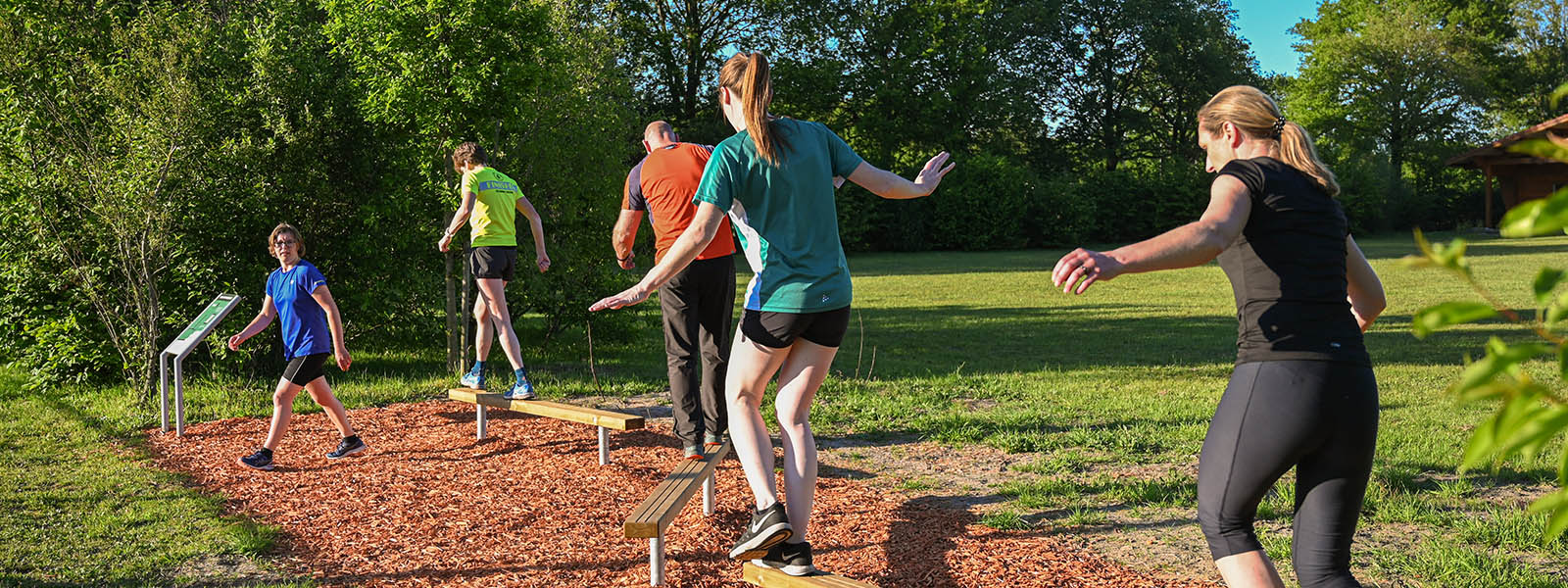
Highlights
- Fundamental Assessments: Learn how simple physical checks can reveal key imbalances and the state of body alignment.
- Sacrum Functionality: Understand the critical role of the sacrum in maintaining balance and stability, and ways to train it.
- Practical Techniques: Discover essential techniques for posture assessment and movement correction that are easy to incorporate into daily practice.
Overview and Context
The video under discussion provides a concise yet insightful exploration into the basics of physical conditioning, with a distinct focus on checking for physical abnormalities and enhancing sacral function. Developed for an audience seeking improvement in body alignment and strength, the content systematically explains how to understand and evaluate your current physical state. It emphasizes the importance of recognizing when the body is under strain, the significance of proper alignment, and the potential issues that can arise from an imbalanced or dysfunctional sacrum.
Understanding the Video Content
This instructional video is aimed at those interested in enhancing their physical fitness through a better understanding of their body's movement and stability. The content is structured around the following key themes:
1. Basic Physical Assessment Methods
The video begins by introducing simple yet effective methods to check for physical abnormalities that may hinder strong physical performance. These checks typically involve:
- Standing posture analysis to observe whether an individual can maintain balance without noticeable wobbling.
- Movement coordination tests designed to highlight any discrepancies between the upper and lower body.
- A specific demonstration of a sacral training exercise aimed at realigning and strengthening the crucial pelvic area.
By analyzing minor misalignments and the body's capacity to balance, one can identify early signs of potential issues. Such preventive checks are essential in designing a personalized training regimen geared towards enhancing overall physical capability.
2. Importance of the Sacrum in Physical Training
Central to the video’s theme is the concept that the sacrum – the large, triangular bone at the base of the spine – plays a vital role in physical balance and strength. A healthy sacrum is crucial for:
- Supporting the natural curvature and alignment of the spine.
- Ensuring proper weight distribution during movement and standing.
- Serving as a bridge between the upper body and the lower extremities, thereby facilitating coordinated movements.
Given its integral role, the video underscores that dedicated sacrum training not only strengthens this key structure but also improves overall physical stability and posture.
3. Practical Demonstrations and Methodologies
In addition to theoretical explanations, the video offers a practical check method that viewers can perform at home or in a training setting. This involves:
- Observing body alignment and balance without excessive strain.
- Performing simple exercises that target the sacrum, thereby reinforcing its function as a cornerstone for stability.
- Navigating common issues such as excessive strain and misalignment by incorporating tailored movement corrections into daily routines.
These demonstrations provide not only an understanding of the underlying biomechanics but also concrete steps to initiate self-assessment and improvement.
Detailed Analysis of Physical Training Techniques
Core Aspects of Posture and Movement Evaluation
Evaluating posture and movement is a foundational step in understanding one’s physical fitness. The video elucidates several components:
Body Alignment and Balance
Correct body alignment is essential for efficient movement and prevention of injuries. The video outlines that the ability to stand still without wobbling is a primary indicator of balanced physical conditioning. A misaligned body can often lead to associated issues such as chronic pain or difficulty in performing everyday tasks. The techniques discussed range from simple self-check methods to targeted training exercises that aid in correcting misalignments.
Link Between Upper and Lower Body Coordination
The coordination between the upper and lower segments of the body is critical for maintaining overall stability. Discrepancies in this coordination may signal underlying issues in the way different muscular groups function together. In response, the video instructs viewers on how to conduct tests that reveal imbalances, subsequently offering corrective exercises. Such exercises not only help in reestablishing proper coordination but also facilitate improved strength and flexibility, enhancing the overall physical performance.
Sacrum-Specific Training Strategies
The sacrum's importance in physical strength and balance cannot be overstated. The video’s focus on sacrum training introduces viewers to specific exercises that directly target this area to improve its functionality.
Understanding Sacral Anatomy and Function
The sacrum is a critical component of the skeletal system, forming the base of the spine and connecting it to the pelvis. A properly functioning sacrum ensures smooth weight distribution and contributes to the overall movement integrity of the body. The video stresses that even minor dysfunctions in this area can lead to significant compromises in stability and posture.
Simple Sacrum Training Techniques
The video demonstrates several accessible exercises to enhance sacrum strength. These routines are practical, requiring minimal equipment and emphasizing controlled movements. The main goals of these training methods are to:
- Activate the stabilizing muscles around the sacrum.
- Improve overall postural alignment.
- Mitigate risks associated with prolonged improper movement patterns.
By integrating these exercises into a regular training routine, individuals can not only relieve tension in the lower back but also cultivate a more robust and resilient core.
Additional Insights on Physical Conditioning
Beyond the specific focus on the sacrum, the video touches upon general principles that are applicable to any physical conditioning program. These include:
- Preventative Self-Assessment: Regular self-checks can act as an early warning system for physical imbalances, reducing the risk of injury by allowing timely interventions.
- Holistic Approach: Emphasizing both strength and flexibility ensures that the training program is balanced and sustainable over time.
- Consistency and Regularity: Incorporating routine assessments and corrective exercises fosters long-term improvements in overall fitness and stability.
Comparative Table of Key Concepts
The table below provides a clear comparison of the core concepts discussed in the video, summarizing their definitions, associated techniques, and benefits.
| Key Concept | Description | Benefits |
|---|---|---|
| Physical Assessment | Simple self-check methods to detect imbalances and misalignments in posture. | Early detection of issues, improved overall body awareness, prevention of injuries. |
| Sacrum Training | Targeted exercises aimed at strengthening the sacrum and improving core stability. | Enhanced balance and stability, reduced lower back pain, optimized movement coordination. |
| Posture Correction | Techniques to align the upper and lower body, ensuring effective distribution of body weight. | Improved structural alignment, increased physical efficiency, reduced strain on muscles. |
| Movement Coordination | Exercises that promote synchrony between different body segments. | Enhanced functional movement, better performance in physical tasks, prevention of imbalances. |
Implementing the Techniques in Daily Life
Practical Steps for Daily Improvement
Integrating the demonstrated techniques into your daily routine can lead to noticeable improvements in physical function and overall well-being. Here are some practical steps to consider:
Routine Self-Assessments
Start by dedicating a few minutes each day to perform simple checks of your posture and balance. By routinely monitoring these aspects, you can identify early signs of imbalance or strain. This proactive approach can be crucial in preventing long-term complications.
Scheduled Training Sessions
Establish a consistent training schedule that includes sacrum-focused exercises as well as general conditioning routines. This could involve:
- Designating specific days for focused training sessions.
- Integrating flexibility and strength exercises to ensure a holistic approach.
- Taking adequate rest and recovery periods to allow for muscle regeneration and adaptation.
Monitoring Progress
Track your progress by noting any changes in your posture, balance, and overall physical comfort. Using tools like exercise logs or even basic video recordings can provide insights into improvements over time. Adjust your routines based on what the assessments reveal, and consider seeking professional advice if persistent issues remain.
These steps help create a feedback loop where regular self-assessment informs targeted training, ensuring that your program remains dynamic and responsive to your body's evolving needs.
Potential Challenges and Solutions
Addressing Common Problems
While the outlined techniques are effective, practitioners may encounter certain challenges in their journey to improved physical strength. Recognizing these obstacles can be the first step toward overcoming them.
Inconsistency in Routine
One common hurdle is maintaining consistency in routine assessments and training. To mitigate this, establishing a regular schedule and setting reminders can help ensure that physical assessments become an integrated part of your daily habits.
Difficulty in Self-Diagnosis
Without professional guidance, it might be challenging to correctly interpret the outcomes of self-checks. In such cases, seeking expert advice through community forums, professional training sessions, or even free consultation services can offer clarity and personalized recommendations.
Limited Access to Professional Equipment
Many effective exercises can be performed with minimal or no equipment, making them accessible for home training. The focus on body-weight exercises and simple mobility routines ensures that the approach remains practical for a broad audience.
Integration of Professional Guidance with Self-Practice
When to Seek Additional Help
Although the video encourages self-guided physical assessments and exercises, it also emphasizes the importance of professional guidance. If you find that persistent imbalance or discomfort remains despite regular practice, it is advisable to consult a healthcare or movement improvement specialist.
In many cases, professionals can provide tailored diagnostics and address specific challenges that might not be resolvable through self-assessment alone. For some viewers, additional support may include access to consultation services offered through platforms like LINE, where personalized feedback can be obtained.
Conclusion
The video provides an engaging and insightful overview of how simple physical assessments and targeted sacrum training can serve as the foundation for improved physical health and overall strength. By focusing on self-assessment, posture correction, and the integral role of the sacrum, the content equips viewers with practical tools to enhance their daily physical condition. These techniques offer both preventative and corrective benefits, ensuring a stronger, more balanced body.
The approach highlighted is not just about immediate improvements but is also designed to foster a long-term, sustainable routine that can be integrated into everyday life. While the self-assessment methods offer an accessible entry point, the video also conveys the value of professional insight when persistent issues arise. This dual approach – combining self-evaluation with expert guidance – makes the strategies particularly effective for individuals seeking to optimize their physical fitness systematically.
References
Recommended
Last updated February 26, 2025