
Article on Computational Thinking in the Philippines
A deep-dive into efforts, integration, and educational impact
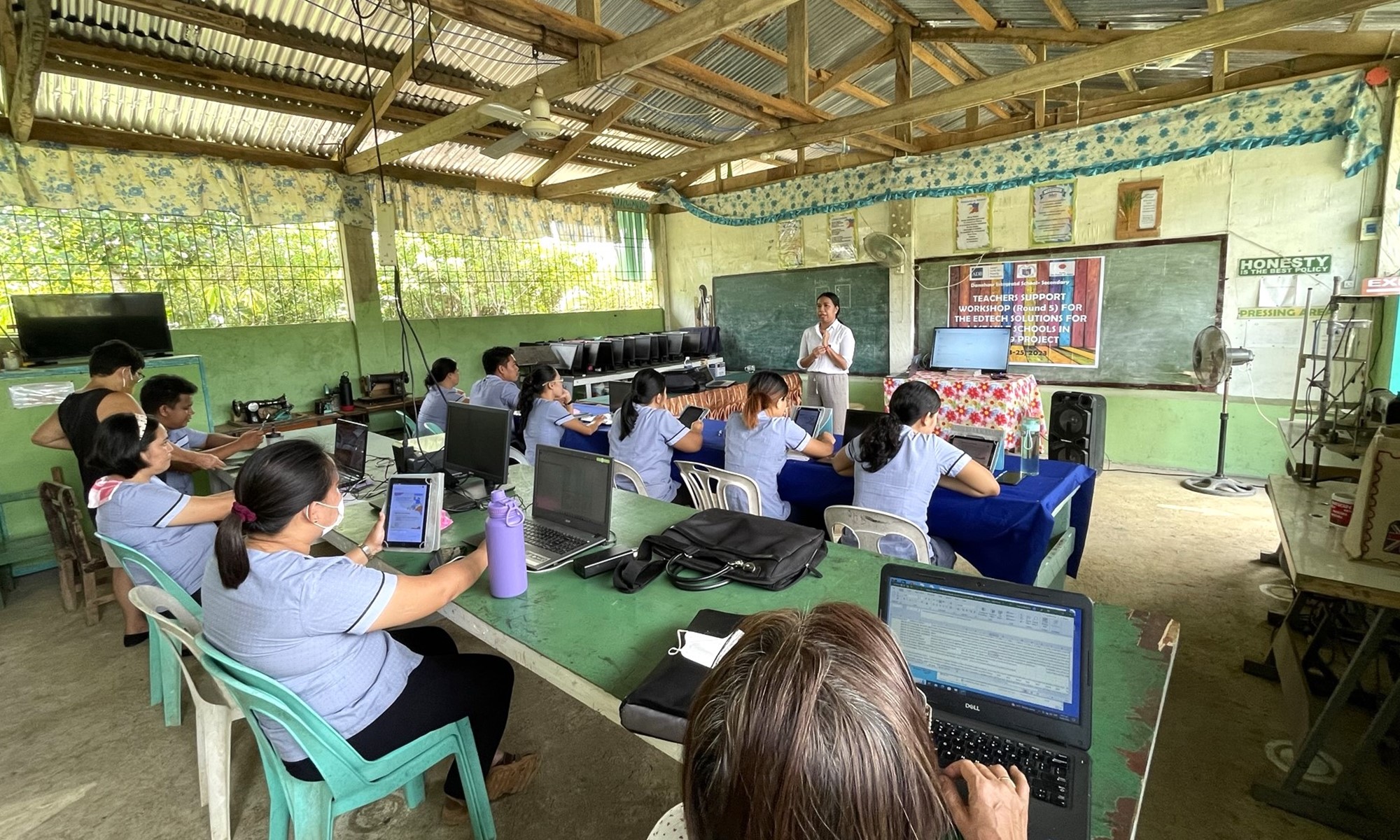
Highlights
- Integration into K-12 Education: Multiple sources highlight that computational thinking is actively integrated into the Philippine K-12 curriculum to foster problem-solving skills.
- Government and Community Support: Notable government initiatives and participation in international challenges like the Bebras Challenge underscore the national importance of these skills.
- Research and Practical Applications: Studies and programs demonstrate that incorporating computational thinking enhances student learning outcomes in various subjects, especially mathematics.
Overview
In recent years, computational thinking has emerged as a transformative approach to problem solving within the educational landscape globally. In the Philippines, this method has quickly become a central component of education, particularly at the K-12 level. The initiative is not only aimed at improving technical skills such as coding and algorithmic thinking but is also seen as a cornerstone for developing critical analytical abilities that benefit multiple disciplines including mathematics, sciences, and humanities.
Article: Computational Thinking Education - PHL CHED Connect
A notable article that discusses the integration of computational thinking within the Philippines is titled “Computational Thinking Education - PHL CHED Connect.” This article examines how computational thinking is introduced and embedded within various subjects across the nation’s curriculum. It sheds light on innovative methods employed by educators and schools, detailing the impact on both student engagement and problem-solving proficiency.
Key Themes and Discussions in the Article
The article thoroughly explores the following themes:
- Curricular Integration: The strategy of weaving computational thinking concepts into everyday academic disciplines aims to create a well-rounded learning experience. This approach encourages students to not only understand technical subjects but also to apply these methods to solve real-world problems.
- Role of Government and Educational Bodies: Various governmental and educational institutions have taken proactive roles in promoting computational thinking. These bodies have been instrumental in designing guidelines and frameworks that allow schools across the Philippines to adopt and customize their educational approaches to computational thinking.
- Inclusion in STEM and Beyond: While STEM subjects naturally align with computational thinking, the article also demonstrates how these skills are applicable in other disciplines. The interdisciplinary nature of computational thinking supports broader educational goals, enhancing analytical reasoning and creative problem solving across various fields.
- International Engagement through Competitions: The Bebras Challenge, an international competition focusing on informatics and computational thinking, serves as a catalyst for inspiring students. The participation of Philippine schools in such competitions highlights the country’s commitment to preparing students for a technology-driven future.
Detailed Analysis and Educational Impact
The integration of computational thinking into the Philippine education system is a multidimensional initiative. It is driven by the recognition that problem solving capabilities, algorithmic thinking, and pattern recognition are essential skills in today’s digital age. Schools across the country are revising their curricula to include computational thinking exercises, coding lessons, and algorithm challenges. This curriculum redesign is aimed at not only engaging students but also equipping them with the practical skills needed in the modern workforce.
Research Insights and Practical Implementation
Empirical Studies and Outcomes
Multiple research studies, as documented in various scholarly articles, have shown promising results. The incorporation of computational thinking has been linked to improved problem-solving abilities and enhanced performance in mathematics. For example, empirical research has demonstrated that engaging students in computational thinking tasks leads to better pattern recognition and logical reasoning.
Educational Initiatives and Government Programs
Beyond classroom activities, government programs have played a significant role in ensuring that computational thinking concepts reach a wide audience. Educational bodies, such as the Philippine Department of Education and CHED Connect, have instituted programs that actively integrate computational thinking skills into the foundational curriculum. These programs advocate for a future where students are as comfortable with abstract algorithmic approaches as they are with traditional subjects.
International Participation and Competitions
The Philippines' engagement in the Bebras Challenge further underscores the national commitment to computational thinking. This international competition provides an arena for students to test their skills against peers worldwide. Participation in such events not only motivates students but also validates the effectiveness of the educational strategies adopted by the country.
Comparative Overview of Computational Thinking in Philippine Education
| Aspect | Description | Example/Source |
|---|---|---|
| Curriculum Integration | Embedding computational thinking in regular subjects from early education to higher grades. | PHL CHED Connect |
| Government Programs | Initiatives by the Philippine government to adopt computational methods in education policy and practice. | Philippine Government Initiatives |
| Interdisciplinary Approach | Applications extending beyond STEM to include humanities and other disciplines. | Google for Education |
| International Competitions | Participation in global contests like the Bebras Challenge to foster competitive problem solving. | Philippine EJournals |
| Research and Studies | Empirical studies that demonstrate the effectiveness of computational thinking in enhancing analytical skills. | Journal on Organizational Agility |
Citing the Article
For academic and research purposes, the article “Computational Thinking Education - PHL CHED Connect” can be cited using the following sample format:
Department of Education, Philippines. (2022). Computational Thinking Education - PHL CHED Connect. Retrieved from https://phlconnect.ched.gov.ph/content/view/computational-thinking-education
This citation format adheres to common academic standards and provides a clear reference that can be easily traced. Researchers and educators alike can refer to this article for both theoretical and practical insights into how computational thinking is evolving within the Philippine educational landscape.
Importance of Accurate Citations
Accurate citations not only reinforce the credibility of educational research but also serve as a bridge connecting innovative teaching practices across regions. By referencing reliable sources, educators can adopt best practices and further enrich their curricular designs. The article from PHL CHED Connect stands as a pivotal resource for these initiatives.
References
- Computational Thinking in Mathematical Problem Solving - Philippine EJournals
- Computational Thinking Education - PHL CHED Connect
- Google for Education: Computational Thinking
- Philippine Government Initiatives in Computational Thinking
- Computational Thinking and Organizational Agility - Philippine EJournals
Recommended Searches
Last updated March 14, 2025