
The Five Generations of Computers
A comprehensive exploration of computing evolution by Muqaddas Ismail
Key Takeaways
- Technological Milestones: Each generation marks revolutionary hardware and software innovations.
- Evolution in Design: From enormous, vacuum-tube machines to intelligent AI-driven systems, computing has continually evolved to meet society’s needs.
- Future Prospects: The transition from basic computing to advanced AI and quantum computing defines the future of technology.
Introduction
The history of computers is a remarkable journey of innovation and transformation that spans over eight decades. Documented extensively by experts in the field, the evolution of computer technology is conventionally divided into five distinct generations. Each generation is defined by breakthroughs in hardware technology, programming languages, and applications, resulting in progressively faster, more efficient, and more accessible computing systems that have impacted every aspect of human life. This article, written by Muqaddas Ismail, provides an in-depth explanation of the five generations, detailing the evolution from early vacuum-tube computers to modern AI-powered systems.
First Generation Computers (1940s – 1956)
The Vacuum Tube Era
The first generation of computers emerged during the 1940s and early 1950s and was characterized primarily by the use of vacuum tubes for circuitry. These machines, including seminal examples like the ENIAC, UNIVAC I, and IBM 650, were enormous installations that occupied entire rooms. Vacuum tubes, while groundbreaking for their time, were bulky, unreliable, and generated enormous heat due to the high electrical energy required to operate them. Additionally, these computers utilized magnetic drums for memory storage and depended on manual programming processes featuring machine language or assembly language.
The primary limitation of these systems was slow processing speed and frequent hardware failures owing to the high propensity of vacuum tubes to burn out. However, these machines laid the foundation for automated calculations in scientific and military applications, heralding the dawn of the computer age.
Second Generation Computers (1956 – 1963)
The Transistor Revolution
The transition from the first to the second generation was marked by the replacement of vacuum tubes with transistors. Transistors offered a revolutionary advantage as they were considerably smaller, produced less heat, and provided higher reliability. This transformation resulted in computers that were more compact, efficient, and widely accessible. Iconic models such as the IBM 1401 and IBM 7094 are notable examples of this era.
The use of transistors also led to the introduction of new high-level programming languages like COBOL and FORTRAN, simplifying the process of software development. With improved memory storage techniques such as magnetic core memory, these devices not only became faster but also more energy-efficient. Enhanced business, military, and research applications flourished during this period, driving the rapid adoption of computer technologies.
Third Generation Computers (1964 – 1971)
Integrated Circuits and Miniaturization
The third generation is defined by the breakthrough invention of integrated circuits (ICs), where multiple transistors were embedded onto a single silicon chip. This innovation drastically improved reliability, processing speed, and overall performance while further reducing the physical dimensions of computers. Notable systems from this era include the IBM System/360 and UNIVAC 1108.
The reliance on integrated circuits spurred the development of more sophisticated operating systems capable of managing multiple tasks simultaneously, paving the way for multiprogramming and time-sharing capabilities. The hardware improvements contributed to marked reductions in size and cost, thereby broadening the accessibility of computers beyond large institutions to businesses and public organizations. User-friendly interfaces began to emerge, although the notion of personal computing was still in its infancy.
Fourth Generation Computers (1971 – Present)
Advent of the Microprocessor
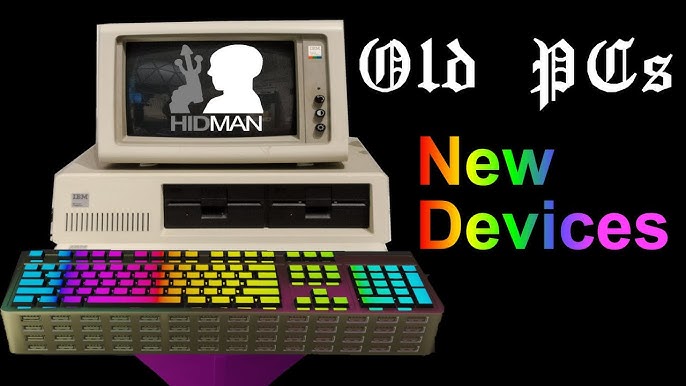
The fourth generation of computers introduced microprocessors, a pivotal innovation that condensed the functions of the entire central processing unit (CPU) onto a single chip. This monumental development catalyzed the era of personal computers, making computing accessible to the general public. Landmarks of this generation, such as the Altair 8800, Apple II, and IBM PC, underscore the transition towards smaller, more affordable, and user-friendly devices.
Integral to this generation was the evolution of graphical user interfaces (GUIs) and the expansion of networking capabilities, notably the inception and eventual widespread adoption of the Internet. These advancements not only revolutionized the way people interacted with computers but also expanded their impact in communication, education, entertainment, and commerce globally.
Modern laptops, desktops, and a wide variety of smart devices all trace their lineage back to the innovations of this generation.
Fifth Generation Computers (Present and Beyond)
Artificial Intelligence and Quantum Advances
The fifth generation represents the forefront of computer technology, characterized by the integration of artificial intelligence (AI), machine learning, and, increasingly, quantum computing. This current era focuses on creating systems that can learn, adapt, and make decisions with a level of sophistication previously reserved for human thought processes.
Developments in neural networks and advanced algorithms have given rise to applications spanning natural language processing, image recognition, and autonomous systems. Prominent systems such as IBM’s Watson and platforms like ChatGPT exemplify the transformative potential of AI, driving advancements in healthcare, finance, education, and beyond. While true artificial intelligence in its complete form remains an ambitious goal, the ongoing research is steadily pushing the boundaries of what is achievable.
In tandem with AI, emerging quantum computing technologies promise to solve problems that are currently intractable for classical computers. These systems aim to enhance processing capacities by leveraging the principles of quantum mechanics, representing a new frontier in computational power.
Comparative Analysis of Computer Generations
Technical Specifications and Improvements
To highlight the evolution and relative improvements of each generation, the following table summarizes key technical attributes:
| Generation | Time Period | Main Component | Primary Programming Language | Key Characteristics |
|---|---|---|---|---|
| First Generation | 1940s – 1956 | Vacuum Tubes | Machine/Assembly Language | Bulky, heat-intensive, limited reliability |
| Second Generation | 1956 – 1963 | Transistors | Assembly and Early High-Level Languages | Smaller, faster, and more efficient |
| Third Generation | 1964 – 1971 | Integrated Circuits (ICs) | High-Level Languages (e.g., COBOL) | Miniaturization, multitasking, and enhanced speed |
| Fourth Generation | 1971 – Present | Microprocessors | C, Java, and other advanced languages | Personal computing, GUI, and Internet connectivity |
| Fifth Generation | Present and Beyond | Artificial Intelligence and Quantum Elements | AI-Specific Frameworks | Smart, adaptive, and highly integrated systems |
The table above encapsulates the dynamic transitions in hardware and software that have enabled computers to evolve from costly, room-sized devices to compact, intelligent machines capable of advanced processing and communication.
Integration of Visual Elements
Using Illustrations to Complement Learning
Visual representations have played a crucial role throughout the history of computing. Illustrations such as timelines, diagrams, and device photographs aid in understanding the dramatic reduction in size and increase in performance across generations. For example, early images typically showcase the cumbersome vacuum tube computers, while modern photographs capture sleek personal computers, laptops, and AI-driven devices that epitomize the current digital landscape.
Although this article is text-based, the integration of images in similar presentations further enhances comprehension, offering a visual journey alongside the technological narrative.
Conclusion
In summary, the evolution of computer technology across five generations underscores a legacy of relentless innovation. Beginning with the monumental yet primitive vacuum tube computers of the 1940s, each generation has brought forth dramatic improvements in size, speed, reliability, and functionality. The subsequent eras—marked by the transition to transistors, the breakthrough of integrated circuits, and the advent of microprocessors—have paved the way for the dynamic, interconnected world of computing we experience today. With the current rise in artificial intelligence and quantum computing, the fifth generation not only builds on past advancements but also opens new frontiers in problem-solving and human-computer symbiosis.
This journey encapsulates a progressive narrative of transformation, consistently pushing technology toward unprecedented levels of efficiency and capability. As future innovations unfold, the trajectory of computing promises to remain both inspiring and instrumental in shaping society.
References
- Generations of Computers - GeeksforGeeks
- How the 5 Generations of Computers Revolutionized the Tech World - Tech Researchs
- Generations of Computer - GeeksforGeeks
- Generations of Computer - Geekflare
- 5 Generation of Computers Comprehensive Overview - Digital Vital
More
Last updated February 18, 2025