
Creating a Profitable Computer-to-Plate (CTP) Business: Your Comprehensive Roadmap
A strategic guide to establishing and scaling a modern CTP operation that meets evolving print industry demands
Key Business Insights
- Market Opportunity: The global offset printing industry is projected to reach $6.6 billion by 2030, with CTP technology driving efficiency improvements across the sector.
- Financial Framework: Initial investment requirements range from $500,000 to $750,000, with potential profit margins between 20-50% once operations are established.
- Competitive Edge: Success depends on leveraging advanced technology, operational efficiency, and customer-centric service models while focusing on environmental sustainability.
Executive Summary
Computer-to-Plate (CTP) technology has revolutionized the printing industry by eliminating film stages and directly transferring digital images to printing plates. This business plan outlines the strategy for establishing a profitable CTP plant that capitalizes on the growing demand for efficient, high-quality, and environmentally sustainable printing solutions.
Our proposed venture will offer comprehensive CTP services, including high-resolution plate production for both flexographic and offset printing processes. By implementing state-of-the-art technology and streamlined workflows, we aim to position ourselves as a leading provider of CTP solutions, serving printing companies looking to enhance their production quality and efficiency.
The business will require an initial investment of approximately $500,000 to $750,000, with projected annual revenue growth of 8-10% based on industry trends. Our target market includes small to large-scale print businesses seeking high-quality platemaking services across packaging, advertising, and publishing sectors.
Industry Overview & Market Analysis
Market Trends and Opportunities
The printing industry continues to evolve with significant emphasis on digital technology adoption and environmental sustainability. CTP technology represents a major advancement in this space, offering improved efficiency, reduced waste, and superior print quality compared to traditional methods.
The global CTP market is experiencing steady growth, driven by:
- Increasing demand for higher print quality and consistency
- Cost-saving pressures within the printing industry
- Environmental regulations driving adoption of more sustainable processes
- Technological advancements improving CTP efficiency and quality
Target Market Segments
Our CTP plant will focus on serving the following market segments:
- Commercial Printers: Companies producing catalogs, brochures, magazines, and marketing materials
- Packaging Printers: Businesses specializing in food, pharmaceutical, and consumer goods packaging
- Publishing Houses: Organizations producing books, newspapers, and periodicals
- Marketing Agencies: Companies requiring high-quality print materials for client campaigns
Competitive Landscape Analysis
The competitive landscape includes existing CTP service providers, in-house CTP operations within large printing companies, and traditional platemaking services. Our competitive advantage will stem from:
- Implementation of the latest CTP technology for superior quality
- Efficient workflows and automation to reduce turnaround times
- Eco-friendly processes to meet increasing sustainability demands
- Comprehensive service packages including consultation and support
CTP Technology Overview
Understanding CTP Systems
Computer-to-Plate technology directly transfers digital images to printing plates, significantly reducing production time, enhancing accuracy, and lowering costs compared to traditional methods that require film intermediaries.
CTP Technology Components
A comprehensive CTP system typically consists of:
- Platesetter: The core hardware that exposes the digital image onto the plate
- Workflow Software: Programs that manage file processing, imposition, and output
- Plate Processor: Equipment for developing the exposed plates
- Digital Proofing System: For verification before final plate production
- Plate Storage and Handling Systems: For efficient plate management
Types of CTP Systems
CTP systems vary based on imagesetter type and light source technology:
| Classification Factor | Types | Characteristics | Best For |
|---|---|---|---|
| Imagesetter Type | Internal Drum | Plate is positioned inside a cylinder; laser beam projects from center | High precision applications |
| External Drum | Plate wraps around outside of cylinder; laser positions along drum | Speed and versatility | |
| Flat-bed | Plate remains stationary on flat surface; imaging head moves | Large format applications | |
| Light Source | Thermal (IR Laser) | Uses heat to create image; 830nm wavelength | High resolution, stability |
| Violet Laser | Uses violet light; 405-410nm wavelength | Cost-effective solutions | |
| UV Light | Uses ultraviolet light for exposure | Conventional plate materials |
Key Benefits of CTP Technology
CTP technology offers several advantages over traditional platemaking methods:
The radar chart above demonstrates how CTP technology significantly outperforms traditional film-based methods across all key performance metrics, particularly in quality, consistency, and production speed.
Business Model and Services
Core Business Model
Our CTP plant will operate primarily as a service-based business, offering high-quality platemaking services to printing companies. We will consider two potential business models:
Service-Based Model
Providing plate production services to printing companies on a per-plate or subscription basis. This model offers consistent revenue with lower capital requirements for clients.
Hybrid Model
Combining service offerings with equipment sales and technical consulting. This approach diversifies revenue streams while establishing the business as an industry authority.
Service Offerings
- CTP Plate Production: High-quality plate creation for offset and flexographic printing
- Prepress Services: File preparation, color management, and imposition layout
- Technical Consulting: Advising clients on CTP implementation and optimization
- Training and Support: Educating client staff on digital workflow management
- Equipment Sales and Leasing: Offering CTP systems to clients ready for in-house production
Pricing Strategy
Our pricing strategy will be based on a combination of factors:
- Per-Plate Pricing: Based on plate size, quantity, and turnaround time
- Volume Discounts: Offering reduced rates for high-volume clients
- Service Packages: Bundling plate production with additional services
- Subscription Plans: Monthly or annual plans for regular clients
Conceptual Framework of CTP Business Operations
The following mindmap illustrates the interconnected components of a successful CTP business operation:
This mindmap highlights the interdependent nature of the various aspects of a CTP business operation, from technology infrastructure to environmental considerations, all working together to create a successful and sustainable business model.
Operational Plan
Facility Requirements
An effective CTP plant requires careful planning of physical space and environmental controls:
- Location: Industrial area with good transportation access, preferably near printing industry clusters
- Space Requirements: 2,000-5,000 square feet depending on production volume
- Environmental Controls: Temperature and humidity control for optimal plate processing
- Utilities: Reliable power supply, water treatment for processing, and high-speed internet
Equipment and Technology
Our plant will require investment in the following key equipment:
- CTP Platesetters: High-quality systems from reputable manufacturers like Kodak, Agfa, or Fujifilm
- Workflow Software: Advanced solutions for file handling, imposition, and output management
- Plate Processors: Automated systems for consistent plate development
- Quality Control Equipment: Densitometers, spectrophotometers, and plate readers
- Digital Proofing Systems: For verification before final plate production
Production Process Workflow
Step-by-Step Process Flow
- File Reception: Receive digital files from clients via secured online portal
- Preflight Check: Verify file integrity, resolution, and color specifications
- File Preparation: Apply color management, trapping, and imposition as needed
- Digital Proof: Generate and send proof to client for approval
- Plate Imaging: Transfer approved digital file to plate via CTP system
- Plate Processing: Develop the plate using automated processing equipment
- Quality Control: Verify plate quality, screen values, and registration marks
- Packing and Delivery: Prepare plates for safe transport to the client
Quality Assurance
To maintain consistent high quality, our operation will implement:
- Standardized Procedures: Documented workflows for all production processes
- Regular Calibration: Scheduled maintenance and calibration of all equipment
- Quality Checks: Verification of plate quality at multiple stages of production
- Client Feedback Loop: Regular communication with clients to ensure satisfaction
Financial Projections
Initial Investment Requirements
Based on industry standards, the initial investment for establishing a CTP plant ranges from $500,000 to $750,000, broken down as follows:
- Equipment: $350,000 - $500,000 (CTP systems, processors, workflow software)
- Facility Setup: $75,000 - $125,000 (lease, renovations, environmental controls)
- Initial Inventory: $50,000 - $75,000 (plates, chemicals, packaging materials)
- Working Capital: $25,000 - $50,000 (3-6 months of operating expenses)
Operating Costs
Monthly operating expenses will typically include:
- Lease/Mortgage: $3,000 - $7,000 depending on location
- Utilities: $2,000 - $3,500 (electricity, water, internet)
- Raw Materials: $15,000 - $40,000 (plates, chemicals) depending on volume
- Labor: $20,000 - $35,000 (technical staff, management, administration)
- Equipment Maintenance: $2,000 - $5,000
- Marketing and Sales: $3,000 - $7,500
- Miscellaneous: $2,000 - $4,000 (insurance, taxes, administrative costs)
Revenue Projections
Based on industry averages, projected monthly revenue can range from $100,000 to $500,000 depending on production volume and service mix. Potential profit margins typically range from 20% to 50% once operations are established and optimized.
Revenue Growth Projections
- Year 1: Focus on establishing client base and optimizing operations
- Year 2-3: Expected revenue growth of 15-20% annually as client base expands
- Year 4-5: Stabilized growth of 8-10% annually with diversification into additional services
Break-Even Analysis
Based on average industry metrics, a typical CTP plant can expect to reach break-even within 18-24 months of operation, assuming:
- Average monthly plate production of 2,000-5,000 plates
- Average revenue per plate of $20-$50 depending on size and specifications
- Progressive client acquisition rate of 5-10 new clients per quarter
Marketing and Sales Strategy
Target Market Approach
Our marketing efforts will focus on the following customer segments with tailored approaches for each:
- Commercial Printers: Emphasize quality improvements and cost savings
- Packaging Printers: Focus on consistency and color accuracy for brand requirements
- Publishing Houses: Highlight reliability and fast turnaround times
- Marketing Agencies: Showcase premium quality for high-end client materials
Sales and Marketing Channels
Digital Marketing
- Industry-specific SEO-optimized website highlighting services and benefits
- Content marketing showcasing technical expertise and case studies
- Email campaigns targeting decision-makers in printing businesses
- Social media presence on LinkedIn and other industry platforms
Direct Sales
- Dedicated sales team with printing industry expertise
- Personalized demonstrations and consultations for potential clients
- Client education programs on the benefits of CTP technology
Industry Networking
- Participation in printing industry trade shows and conferences
- Membership in industry associations and chambers of commerce
- Strategic partnerships with complementary service providers
Customer Retention Strategy
Building long-term client relationships will be essential for sustainable growth:
- Service Level Agreements: Clear commitments to quality and turnaround times
- Regular Quality Reviews: Scheduled assessments of plate performance
- Loyalty Programs: Volume-based incentives and priority service for regular clients
- Technical Support: On-call assistance for plate-related issues
CTP Implementation Examples
A visual understanding of CTP systems can help in planning your facility setup and workflow design. Below are examples of modern CTP equipment and setups:
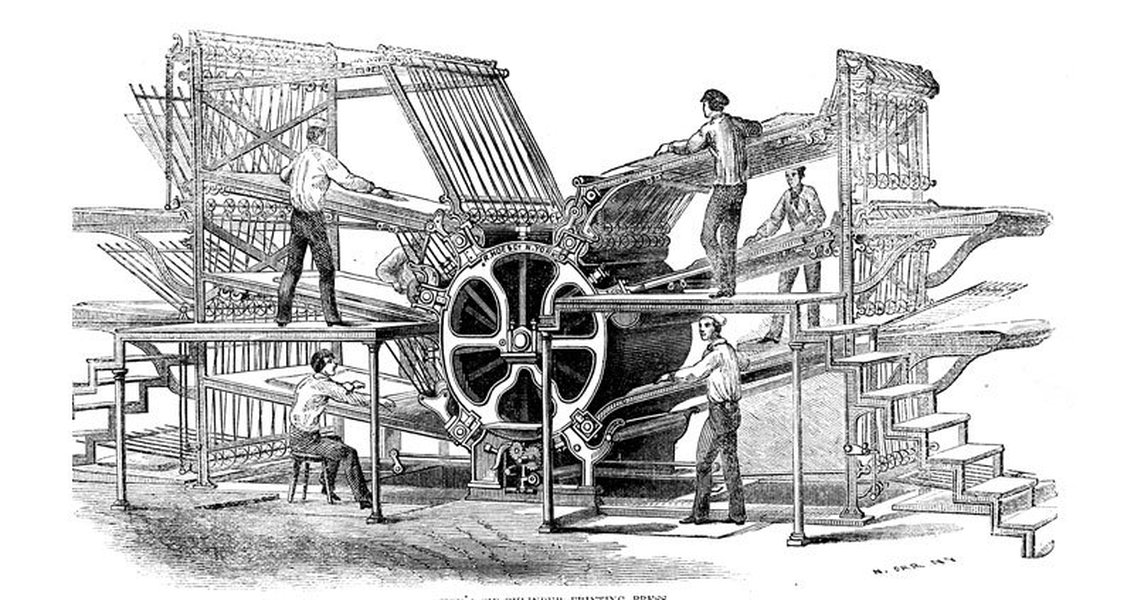
Evolution of modern CTP equipment showing technological advancement

Overview of Computer-to-Plate (CTP) technology workflow in modern offset printing
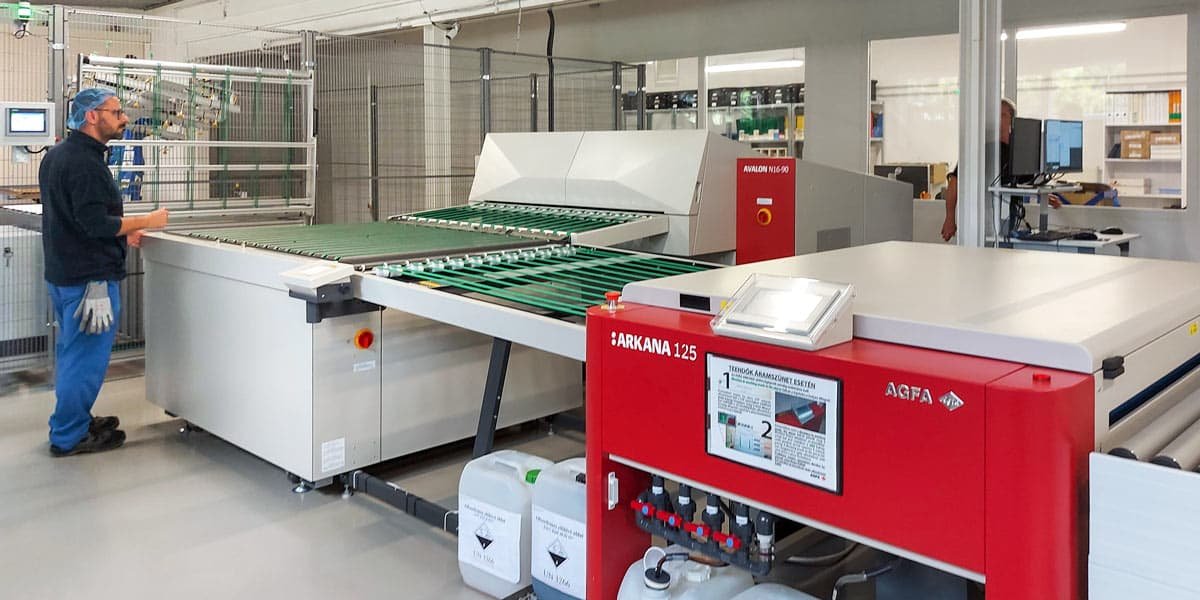
Installation of an ECO3 CTP line showing facility setup requirements
These images illustrate the physical space requirements, equipment configuration, and workflow integration needed for a successful CTP operation. When designing your facility, consider factors like equipment accessibility, workflow efficiency, and environmental controls.
Implementation Timeline
Phase 1: Planning and Setup (Months 1-3)
- Business registration and legal setup
- Facility identification and lease negotiation
- Equipment research and vendor selection
- Initial marketing materials development
- Hiring of core management team
Phase 2: Establishment (Months 4-6)
- Facility preparation and equipment installation
- Workflow software implementation and testing
- Staff recruitment and training
- Development of standard operating procedures
- Initial client outreach and relationship building
Phase 3: Launch and Growth (Months 7-12)
- Official business launch and marketing campaign
- Onboarding of initial clients and production ramp-up
- Quality control system refinement
- Process optimization based on operational experience
- Expansion of service offerings based on client feedback
Phase 4: Expansion (Year 2)
- Evaluation of additional equipment needs based on demand
- Development of value-added services
- Potential geographic expansion or satellite locations
- Implementation of advanced automation and workflow enhancements
Frequently Asked Questions
References
- Computer-to-Plate (CTP Technology) | Modern Offset Printing - Fujifilm
- CTP Technology in the Modern Offset Printing Process - De Printed Box
- CTP: Make an Informed Decision - In-Plant Impressions
- CTP and Plates - PFS Graphics
-
Products: CTP Systems - Presstek
- Investing in Computer-to-Plate Systems - Anderson Vreeland
- The Evolution of Computer-to-Plate Technologies - Platesetters
Recommended Searches
 macprints.wordpress.com
Last updated April 8, 2025