
Conceptual Framework: An In-Depth Analysis
Understanding the structure, purpose, and application of conceptual frameworks in research
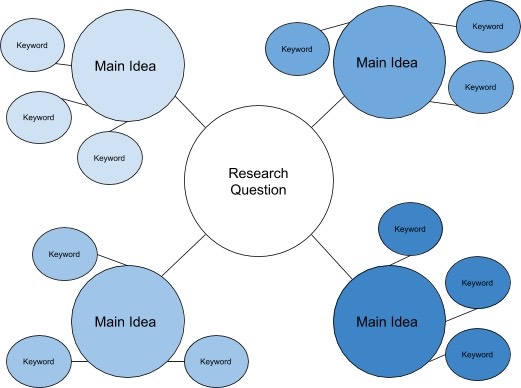
Key Highlights
- Definition and Purpose: A conceptual framework organizes ideas, variables, and theories to guide research.
- Key Components: It includes variables, relationships, theoretical underpinnings, and visual representation.
- Application and Development: Developed through literature review and clear steps to ensure coherent research objectives.
Understanding the Conceptual Framework
A conceptual framework is a fundamental tool in both qualitative and quantitative research. It provides a structured and systematic way to conceptualize and organize the theoretical aspects of a study. By depicting key concepts and illustrating the potential relationships among them, a conceptual framework allows researchers to confine the scope of their inquiry, pose pertinent research questions, and link theoretical and empirical research findings.
Definition and Purpose
At its core, a conceptual framework is an analytical tool that illustrates the main variables to be studied, the relationships between these variables, and the underlying theories that justify these relationships. It serves as a guide to answer the research questions effectively and offers a visual or written representation that simplifies complex ideas. A well-crafted conceptual framework helps researchers:
- Clarify key ideas and their relationships.
- Establish boundaries and the focus area of the study.
- Integrate prior theoretical and empirical research.
- Provide a basis for constructing hypotheses and selecting appropriate methodologies.
Components of a Conceptual Framework
Variables and Their Relationships
One of the central elements of a conceptual framework is the identification of critical variables—those factors or concepts that are studied. These variables can broadly be categorized as independent variables (the factors presumed to cause an effect) and dependent variables (the outcomes that are affected). Additionally, the framework may include mediators or moderators that modify the relationships between primary variables. By clearly defining these variables, researchers are better able to:
- Visualize cause-and-effect relationships.
- Identify potential confounding factors.
- Develop a more structured approach to data collection and analysis.
Theoretical Underpinnings
A robust conceptual framework does not stand alone; it is deeply grounded in theory. Integrating established theories with new ideas or empirical findings enriches the framework. This theoretical integration:
- Provides justification for the hypothesized relationships.
- Helps in reconciling differing perspectives on a research problem.
- Offers methodological rigor by building on previous scholarly work.
Visualization and Representation
While a conceptual framework can be presented in written form, its impact is often enhanced through visual representation. Diagrams, flowcharts, or mind maps can simplify complex relationships, making it easier for both the researcher and the audience to grasp the study's logic. These graphical tools underscore the connections between theoretical constructs and empirical data, often revealing insights that might be missed in textual descriptions.
Assumptions and Hypotheses
In developing a conceptual framework, researchers often outline specific assumptions that underlie the hypotheses. These assumptions are critical for clarifying the anticipated interactions among variables. The framework serves as a visual aid in hypothesizing pathways of influence, thereby directing the research design and the subsequent analysis.
Developing a Conceptual Framework
Constructing a conceptual framework is a systematic process that involves several critical steps. Researchers must begin by clearly defining the research problem or question. Following this, they engage in comprehensive literature reviews to identify existing theories and key variables relevant to the study.
Steps to Construct a Conceptual Framework
1. Define the Research Question
The foundation of any research lies in a clearly articulated research question or problem statement. This step helps to pinpoint the focus of the study and sets the stage for identifying the relevant variables and theories. A precise research question ensures that the framework is relevant and directed.
2. Identify Relevant Variables
Once the problem is set, the next step is to determine which variables are most pertinent to the study. This involves considering:
- Independent Variables: The factors that are presumed to cause a change.
- Dependent Variables: The outcomes that are measured as a response.
- Mediators and Moderators: Additional variables that might influence this relationship.
3. Establish and Visualize Relationships
With variables identified, the next process is mapping the relationships between these concepts. This step involves hypothesizing the direction and nature of these relationships to form a logical flow of ideas. By creating diagrams or flowcharts, researchers can visually represent causative and correlational paths within the study.
4. Integrate Theoretical Support
A well-rounded conceptual framework draws on various theoretical perspectives. Researchers synthesize established literature with emerging insights to support the conceptual model. This integrated approach:
- Strengthens the theoretical base of the study.
- Ensures the framework is comprehensive and robust.
- Provides multiple layers of validation for the research design.
5. Refine through Continuous Review
The development of a conceptual framework is an iterative process. As research progresses, the framework may need to be adjusted based on preliminary findings, methodological refinements, or new theoretical inputs. This flexibility is key to maintaining the relevance and effectiveness of the research.
Comparative Analysis: The Role of Conceptual Frameworks in Various Fields
Conceptual frameworks are utilized across different disciplines including social sciences, economics, education, and even applied sciences. Although the fundamental purpose remains consistent—to organize and structure the research—the specific components and applications can vary by field.
Examples in Social Sciences and Education
In social sciences, a conceptual framework helps to systematically organize theories related to human behavior and societal trends, laying the groundwork for empirical studies that examine causal relationships. In educational research, conceptual frameworks can be used to design curricula by aligning teaching strategies with learning outcomes. For instance, educators may incorporate constructs like Bloom’s taxonomy to map cognitive domains and learning objectives.
Examples in Economics and Applied Sciences
Within economics, conceptual frameworks might balance theoretical models with empirical data to analyze market behaviors or policy impacts. Applied sciences often benefit from the visual representation of complex systems, ensuring that multifaceted interactions among variables are depicted precisely. In each case, the effectiveness of the research largely depends on how well the framework captures the nuances of the investigated phenomena.
Visualizing the Framework: A Comparative Table
| Aspect | Social Sciences & Education | Economics & Applied Sciences |
|---|---|---|
| Variables | Behavioral constructs, socio-cultural factors, learning outcomes | Market variables, policy indicators, technical parameters |
| Theoretical Foundations | Social theories, educational models, psychological frameworks | Economic theories, engineering models, statistical methods |
| Visual Representation | Flowcharts, conceptual diagrams, mind maps | Graphs, system maps, schematic diagrams |
| Application | Curriculum design, behavioral studies, policy analysis | Market analysis, product development, technical research |
The Significance and Impact of Conceptual Frameworks
The integration of a conceptual framework in research cannot be underestimated. It performs several pivotal roles:
Guiding the Research Process
By clearly outlining relationships between researched variables, the framework provides a roadmap that guides the entire study. It directs the researcher’s focus, informs methodological choices, and aids in interpreting the outcomes. Researchers rely on these frameworks to maintain consistency and depth in their investigation, ensuring that every component of the study aligns with underlying theoretical principles.
Facilitating Communication and Collaboration
A well-developed conceptual framework is not only useful for individual study design but also for sharing ideas with collaborators and peers. Whether through written descriptions or accessible visual models, the framework makes complex research ideas more digestible. This clarity fosters critical discussions and opens the door for collaborative improvements, ensuring that research findings are communicated effectively.
Driving Innovation in Research
As researchers identify new connections between variables and integrate diverse theoretical insights, conceptual frameworks can spur innovative approaches to longstanding problems. By challenging conventional models and incorporating emerging theories, researchers can push the boundaries of existing knowledge and explore novel avenues of inquiry.
Best Practices and Common Pitfalls in Conceptual Framework Development
Constructing a successful conceptual framework requires adherence to best practices as well as consideration of common pitfalls. Understanding these aspects can enhance the quality of research design.
Best Practices
- Comprehensive Literature Review: Begin with a detailed examination of existing work to inform the selection of variables, theories, and methodological approaches.
- Clarity and Simplicity: The framework should be straightforward enough to communicate the research idea effectively, avoiding unnecessary complexity.
- Iterative Refinement: Regularly reviewing and updating the framework in the light of new findings or methodological shifts ensures its continued relevance.
- Visual Engagement: Use diagrams or flowcharts to visually represent complex interactions, aiding in both the design and communication of the research.
Common Pitfalls
- Overcomplicating the Model: Adding too many variables or intricate relationships can lead to confusion rather than clarity.
- Neglecting Theoretical Backing: Failing to ground the framework in established theory might result in an unsupported or weak research design.
- Inadequate Integration of Insights: Superficial synthesis of literature without properly linking concepts can dilute the effectiveness of the framework.
- Rigid Structures: Not allowing the framework to evolve in response to new evidence might limit the scope and flexibility needed for comprehensive research.
Tools and Methodologies for Developing a Conceptual Framework
Several tools and strategies can aid researchers in constructing their conceptual frameworks. Technologies like mind-mapping software, flowchart creators, and diagram tools can be enormously helpful in visually representing frameworks. Other than digital tools, traditional methods like annotated bibliographies, thematic analyses, and collaborative workshops further enhance the framework development process.
Digital Tools and Diagramming Software
In today’s digital era, applications like Microsoft Visio, Lucidchart, or even open-source alternatives provide robust platforms for crafting detailed and interactive visual models. These tools allow researchers to dynamically adjust variables and relationships as the study evolves.
Collaborative Workshops and Peer Reviews
Engaging with peers during the development of a conceptual framework is invaluable. Workshops that focus on mapping out research ideas often lead to richer, more nuanced frameworks. Such collaborative efforts not only provide alternative perspectives but also create opportunities for critical feedback, ensuring that the final framework is both comprehensive and robust.
Implementation in Real-World Research
Conceptual frameworks play a critical role in various practical research projects. Their application ranges from guiding qualitative interviews to framing quantitative studies using statistical models. When implemented effectively, the framework transforms the abstract into the tangible, bridging the gap between theory and practice.
Case Studies and Examples
In many academic and industrial studies, conceptual frameworks have been employed to address multifaceted issues. For example, in healthcare research, frameworks have been used to map patient outcomes relative to treatment protocols and socio-economic factors. In another case, educational researchers have utilized frameworks to align learning objectives with student performance metrics, facilitating more rigorous evaluations of instructional methods.
Future Directions
As research methodologies continue to evolve with advances in data analytics and visualization, the role of conceptual frameworks is expected to expand. The integration of computational models with traditional frameworks may provide more dynamic, real-time insights into variable interactions. These advancements will make the framework not just a static guide but a dynamic tool that evolves concurrently with emerging research paradigms.
References
- Conceptual Framework - Wikipedia
- What is a Conceptual Framework? - Scribbr
- Conceptual Framework - Research Method
- Understanding Conceptual Frameworks - Simply Educate
-
Conceptual Framework in Social Sciences - ScienceDirect
Recommended Related Queries
Last updated March 18, 2025