
Conceptual Framework for LGBTQIA+ BPED Students
Exploring the Interplay of Sports Orientation, Preference, and Academic Performance
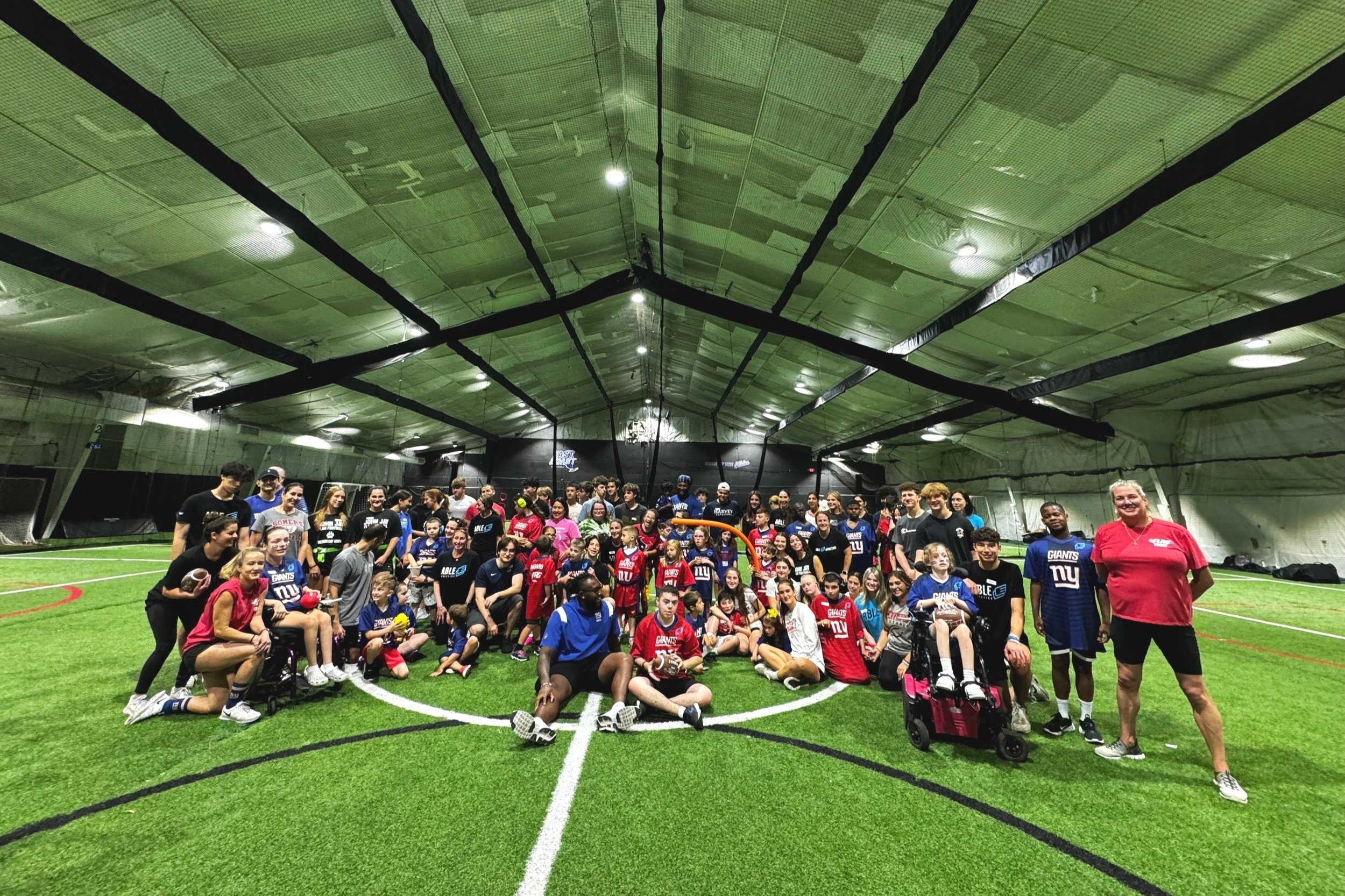
Key Highlights
- Inclusive Environment: Ensuring safe and supportive institutional climates and policies to enhance both sports participation and academic outcomes.
- Variable Interconnections: Understanding how sports orientation, personal sports preferences, and academic performance interrelate and are influenced by mediating factors.
- Holistic Impact: Emphasizing mental health, social belonging, and self-esteem as critical components that link physical activity with academic success.
Introduction
The conceptual framework presented herein addresses the research title, "Sports Orientation, Preference, and Academic Performance of LGBTQIA+ BPED Students." This framework is designed to explore the multidimensional relationships between an individual's identity, their attitudes and interests in sports, and how these factors intersect with academic outcomes. In particular, this framework highlights the importance of an inclusive educational and sports environment, which not only supports participation in physical activities but also contributes positively to overall academic performance and mental well-being.
Framework Structure
Independent, Mediating, and Dependent Variables
Independent Variables
The independent variables represent factors that initiate the research exploration. In the context of this framework, the primary independent variables include:
- Sports Orientation: This variable captures the intrinsic and extrinsic motivations, attitudes, and beliefs that LGBTQIA+ students hold towards engaging in sports activities. It includes both emotional and rational predispositions, such as enjoyment, perceived competence, and the drive to maintain physical fitness.
- Sports Preference: This defines the specific types of sports or physical activities that the students are attracted to. Preferences can range from team sports, which often emphasize social interaction, to individual sports, which might be preferred for personal growth and self-reflection. Personal interests, cultural influences, and exposure to various sports contribute to these preferences.
- LGBTQIA+ Identity: Central to the framework is the acknowledgment of the students’ LGBTQIA+ identity. This involves considerations related to their sexual orientation and gender identity, which may affect the way they engage with sports and face challenges within traditional sports settings.
Mediating Variables
Mediating variables are factors that influence the strength or nature of the relation between independent and dependent variables. Crucial mediators in this framework include:
- School/Institutional Environment: The inclusiveness, safety, and overall culture of the educational institution play a pivotal role in shaping sports participation. An environment that is welcoming to LGBTQIA+ students can enhance both their sports orientation and academic performance.
- Discrimination and Harassment: Experiences of bias, bullying, or exclusion act as significant barriers to both participation in sports and academic achievement. Negative encounters can diminish self-esteem and reduce academic self-efficacy.
- Support Systems: The presence of supportive staff, mentors, and inclusive policies within the sports and academic milieu serves as a buffer to the potential harms of discrimination. Mentorship, in particular, provides role models who can motivate students to persist in their athletic and academic endeavors.
- Sense of Belonging and Self-Esteem: Participation in sports is often directly tied to how much a person feels connected to their community. A strong sense of belonging and high self-esteem can mediate the positive effects of sports orientation on academic performance.
Dependent Variables
The outcomes under analysis are captured by the dependent variables, which in this framework include:
- Academic Performance: Measured by indicators such as GPA, attendance records, and overall academic achievements, academic performance is a core outcome reflecting the efficacy of both sports participation and the educational environment.
- Mental Health and Well-Being: Increased sports participation is often associated with improved mental health. This variable encompasses psychological well-being, reduced stress levels, and enhanced overall life satisfaction among students.
Detailed Components of the Framework
Core Constructs and Relationships
Sports Orientation and Its Impact
Sports orientation is a multifaceted construct that relates to how LGBTQIA+ students perceive the role of sports in their personal development. A positive sports orientation is characterized by an enthusiasm for participation, a belief in personal competence, and a recognition of the benefits that physical activity confers on both physical and mental health. When students have a strong orientation towards sports, they are more likely to engage actively. This engagement, in turn, cultivates critical skills such as discipline, teamwork, and time management, all of which are closely tied to academic success.
Influence of Sports Preference
Sports preference speaks to the specific kinds of sports activities that are most appealing to LGBTQIA+ BPED students. These preferences may include:
- Team Sports: Engaging in sports like basketball, soccer, or volleyball often requires a consistent and interactive group dynamic, which can enhance social skills and strengthen a sense of community.
- Individual Sports: Pursuing activities such as running, swimming, or yoga might be chosen for their capacity to foster self-discipline and individual focus. This can lead to personal growth and improved academic concentration.
The alignment between personal preferences in sports and academic achievement is significant. When students choose sports that resonate with their personal identities and interests, they are more likely to experience a greater sense of satisfaction, motivation, and ultimately, academic success.
The Role of LGBTQIA+ Identity and Inclusion
Acknowledging LGBTQIA+ identity within the context of sports participation necessitates a deep understanding of the unique challenges these students often face. Traditional sports settings can sometimes propagate stereotypes and biases that marginalize LGBTQIA+ individuals. However, when institutions actively implement inclusive policies and cultivate environments that are respectful and supportive, these students have a higher likelihood of succeeding both in sports and academics.
Emphasizing inclusive practices not only helps in mitigating the negative impacts of discrimination but also facilitates:
- Identity Affirmation: Being recognized and supported for one’s identity enhances self-confidence and motivates individuals to engage fully in academic and sports-related activities.
- Community and Supportive Networks: The development of networks that provide emotional and psychological support can be crucial. Such networks contribute to a healthier school climate and increase the sense of belonging among students.
Interaction Between Sports and Academic Performance
Engagement in sports is frequently associated with beneficial outcomes in academic performance. Positive athletic experiences lead to improved concentration, better time management, and an overall more disciplined lifestyle. For LGBTQIA+ BPED students, these benefits are amplified when they are embedded in a supportive environment that values diversity and inclusion.
Academic performance is enhanced by several converging factors:
- Enhanced Mental Health: Regular physical activity helps manage stress levels and enhances cognitive function.
- Improved Academic Self-Efficacy: Confidence stemming from sports achievements can translate into better performance in academic settings by providing students with a sense of competence and control.
- Social Connectedness: Active participation in sports facilitates better integration within educational institutions, leading to mutual reinforcement between social satisfaction and academic commitment.
Mechanisms and Theoretical Underpinnings
Theoretical Foundations
Social Identity Theory
Social Identity Theory suggests that individuals derive part of their identity and self-esteem from their group memberships. For LGBTQIA+ BPED students, being part of a sports team or athletic community that is open and accepting can substantially enhance their sense of belonging. When students perceive their sports environment as affirming their identity, they are more likely to commit to both sports and academic pursuits.
Self-Determination Theory
Self-Determination Theory emphasizes the importance of autonomy, competence, and relatedness. In a learning and sports context, when students experience these elements, their intrinsic motivation increases, which then positively impacts their academic engagement. Sports participation that nurtures a sense of competence and provides opportunities for social connection reinforces academic determination and overall well-being.
Mediating Mechanisms
Several mediating mechanisms serve to link sports participation with enhanced academic performance:
- Mental Health Impact: Regular engagement in sports activity reduces stress and anxiety, ensuring improved cognitive performance in academics.
- Social Skills Development: The teamwork and collaborative spirit inherent in many sports facilitate better communication and interpersonal relationships, which are critical for academic success.
- Identity Affirmation: Acknowledgment and support of LGBTQIA+ identities in sports enhance self-esteem, reducing the negative impact of discrimination.
- Physical Fitness Correlation: Improved physical health due to sports participation can lead to better concentration and classroom performance.
Operationalizing the Framework
Research Methodology and Analysis
To empirically test and validate the relationships proposed in this conceptual framework, a systematic research methodology is required. The study should adopt a mixed-methods approach that incorporates both quantitative and qualitative data collection techniques. The following are key elements in the operationalization process:
Data Collection
Multiple methods can be utilized to gather robust data regarding sports orientation, preference, and academic performance:
- Surveys and Questionnaires: Create standardized instruments to assess students’ attitudes towards sports, their specific sports preferences, experiences of inclusivity or discrimination, and self-reported academic metrics (e.g., GPA, academic engagement).
- Interviews and Focus Groups: Conduct in-depth interviews and group discussions with LGBTQIA+ BPED students to gain insights into personal experiences, challenges, and the perceived linkage between sports participation and academic outcomes.
- Observational Studies: Observe sports sessions and academic environments to capture real-time data on interaction patterns, participation levels, and institutional climates.
Analytical Framework
Data analysis should be structured to test the following key relationships:
- Correlation Analysis: Determine the strength and direction of relationships between sports orientation, sports preferences, and academic performance.
- Regression Analysis: Use statistical regression methods to evaluate the predictive power of sports orientation and preference on academic performance, while accounting for mediators such as school climate and support systems.
- Thematic Analysis: For qualitative data, employ thematic coding to identify recurring themes related to inclusivity, self-esteem, and identity affirmation within sports settings.
Conceptual Model Representation
A visual conceptual model is helpful to articulate the variables and the hypothesized interactions. The table below summarizes the key elements, their classifications, and relationships:
| Component Type | Variables/Components | Description/Relationship |
|---|---|---|
| Independent Variables | Sports Orientation Sports Preference LGBTQIA+ Identity |
Drive to participate, personal interests, and the impact of identity on sports engagement. |
| Mediating Variables | School Environment Discrimination/Harassment Support Systems Sense of Belonging |
These factors influence how directly sports participation impacts academic performance. |
| Dependent Variables | Academic Performance Mental Health and Well-Being |
Outcomes that are expected to improve with positive sports participation and inclusive settings. |
| Theoretical Constructs | Social Identity Theory Self-Determination Theory |
Foundation theories that underpin the relationships between identity, motivation, and academic success. |
Challenges and Considerations
Potential Barriers
Discrimination and Bias
LGBTQIA+ students often face unique challenges in traditional sports settings. Instances of discrimination, harassment, and implicit bias can deter students from fully engaging in sports activities. These negative experiences have a cascading effect on self-esteem, reducing both their willingness to participate and their academic engagement. It is imperative that educational institutions address these barriers through comprehensive policies and training that promote inclusivity.
Balancing Academic and Athletic Commitments
While sports participation provides numerous benefits, there is a potential risk for overcommitment. Students may sometimes struggle with balancing the rigorous academic demands of BPED programs with the time and energy required for active sports participation. Effective time management strategies and institutional support—such as academic counseling and flexible scheduling—are critical in mitigating this issue.
Institutional Support Variability
The success of the framework heavily depends on the school climate. Variability in the level of institutional support can significantly impact outcomes. While some institutions excel in creating supportive environments with inclusive policies and well-trained staff, others may lack the necessary resources or commitment to effectively support LGBTQIA+ students. Research must take these disparities into account.
Facilitators of Success
Inclusive Policies and Training
Adopting comprehensive, LGBTQIA+ inclusive policies in both academic and sports settings is one of the most significant factors in ensuring the success of BPED students. Consistent training for coaches, faculty, and administrative staff on inclusivity issues helps foster an environment where discrimination is minimized and students feel safe to explore and express themselves.
Mentorship and Role Modeling
Access to mentors and positive role models within the sports and academic arenas can empower students to overcome personal and systemic challenges. Mentors who share similar identities or experiences provide tangible examples of success and create a supportive network that reinforces both academic and athletic excellence.
Implications and Policy Recommendations
Implications for Educational Institutions
The framework posits that an integrated approach to sports participation, which considers the influence of identity, orientation, and preferences, yields considerable academic benefits for LGBTQIA+ BPED students. By understanding and addressing the unique challenges faced by these students, institutions can implement targeted interventions that promote a culture of inclusivity and wellbeing.
Effective policy recommendations include:
- Developing Inclusive Sports Programs: Institutions should design sports programs that are explicitly inclusive, ensuring that LGBTQIA+ students receive equal opportunities to participate without fear of discrimination.
- Training for Faculty and Coaches: Provide regular training sessions to staff and coaches on sensitivity, inclusivity, and the unique challenges faced by LGBTQIA+ students.
- Support and Mentorship Initiatives: Foster mentorship programs where experienced athletes and academic professionals serve as role models and provide guidance to students navigating the dual demands of sports and academics.
- Balancing Commitments: Establish support mechanisms like academic counseling and time management workshops to help students effectively balance their academic and athletic responsibilities.
Suggestions for Further Research
Continued research in this area is essential for refining the framework and understanding the dynamic interplay between sports participation and academic performance. Future studies should consider longitudinal designs to assess long-term impacts, incorporate diverse regional and institutional settings, and examine subgroup differences within the LGBTQIA+ population.
Conclusion
In conclusion, the conceptual framework for "Sports Orientation, Preference, and Academic Performance of LGBTQIA+ BPED Students" provides a comprehensive model that integrates multiple dimensions of students' experiences. The relationships among sports orientation, personal sports preferences, and academic performance are influenced by both mediating and moderating variables, such as school climate, discrimination, supportive systems, and the internalization of LGBTQIA+ identity. This holistic perspective underscores the necessity of creating inclusive and supportive educational and athletic environments that not only enhance academic outcomes but also contribute positively to mental health and overall well-being.
The framework also emphasizes the importance of institutional policies that address the specific challenges faced by LGBTQIA+ students. By promoting mentorship, inclusive training, and tailored support mechanisms, educational institutions can foster environments where LGBTQIA+ BPED students thrive both academically and athletically. This comprehensive approach not only benefits individual students but also contributes to a broader culture of acceptance and equality within educational settings.
References
- GLSEN Research on LGBTQ Students and School Sports Participation - GLSEN
- ERIC - ED617685 - LGBTQ Students and School Sports Participation - ERIC
- The Impact of Sports on Student Health and Academics - Platinum Valley School
Recommended Queries
 cdn.ymaws.com
Last updated February 23, 2025