
Vatican Intrigue on Screen: How Does the Catholic Church View the Film "Conclave"?
A look inside the mixed and often critical reception of Edward Berger's papal thriller within global Catholic circles.
The 2024 film "Conclave," directed by Edward Berger and based on Robert Harris's novel, has ignited considerable discussion and a spectrum of evaluations within the worldwide Catholic Church. As cardinals navigate the intricate process of electing a new Pope, the film's depiction of this sacred event has been met with both acknowledgment for its cinematic craft and significant concerns regarding its portrayal of Catholic faith, doctrine, and internal Church dynamics.
Key Highlights of the Catholic Reception
- Artistic Acknowledgment vs. Doctrinal Discomfort: While many within the Church recognize the film's strong performances, particularly Ralph Fiennes as Cardinal Lawrence, and its compelling atmospheric tension, there's widespread criticism regarding its handling of Catholic doctrine, moral complexities, and the spiritual nature of the conclave.
- Concerns over Sensationalism and Stereotypes: A significant portion of Catholic commentary argues that the film leans heavily on clichés, negative stereotypes of clergy, and sensationalized power struggles, potentially offering a cynical or misleading view of the Church's leadership and mission.
- A Flawed Mirror to a Real Process: Despite criticisms, some acknowledge the film's utility in depicting the procedural aspects of a papal election. Notably, reports suggest some real-life cardinals viewed the film as a form of primer on the mechanics of a conclave, particularly given its release coinciding with discussions around papal succession.
A Glimpse Inside "Conclave"
The film plunges audiences into the secretive world of the Vatican following the unexpected death of a Pope (in a narrative context that, according to some sources discussing the film, aligns with the fictional passing of Pope Francis around April 2025). Cardinal Lomeli (portrayed by Ralph Fiennes) is tasked with overseeing the College of Cardinals as they gather to elect a successor. The narrative unfolds as a thriller, marked by political maneuvering, hidden agendas, personal revelations, and the clash of conservative and progressive ideologies among the cardinal electors.
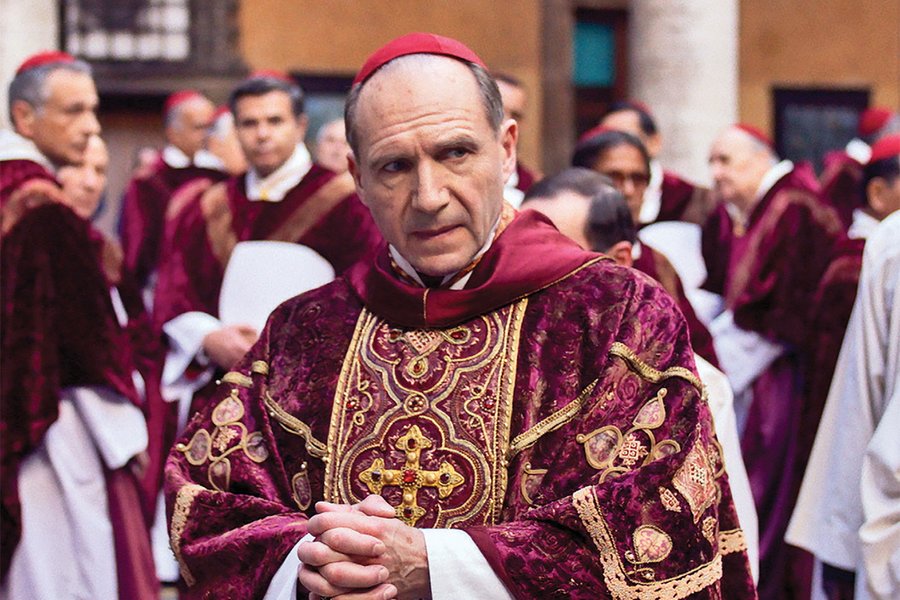
Promotional poster for the film "Conclave".
Points of Acknowledgment from Catholic Perspectives
Even amidst criticism, certain aspects of "Conclave" have garnered some positive or nuanced recognition within Catholic circles.
Compelling Performances and Cinematic Craft
The acting, led by Ralph Fiennes, and including Stanley Tucci and Sergio Castellitto, has been widely praised. Fiennes' portrayal of a burdened, introspective Cardinal Lawrence navigating the immense pressure of the conclave is often highlighted. Edward Berger's direction is also noted for creating a tense, atmospheric drama, with some appreciating the visual composition, even if the dark settings were interpreted by some as symbolic of shadowed dealings.
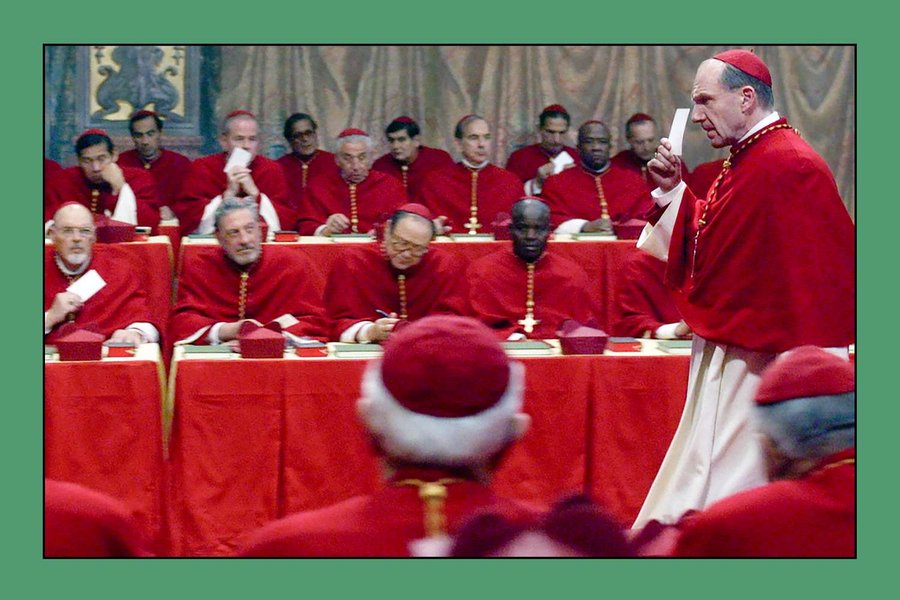
Ralph Fiennes as Cardinal Lawrence, presiding over the papal election.
Insight into the Conclave Process
Several sources indicate that the film's depiction of the procedural elements of a papal election—the gathering of cardinals, the voting rounds, the secrecy—was considered detailed enough to be of interest. Some reports even suggested that actual cardinals found it a "helpful research tool" or a "primer" for understanding the mechanics of a conclave, particularly in the context of the 2025 period. This pragmatic use, however, does not necessarily translate to an endorsement of the film's broader themes or accuracy.
Sparking Dialogue
For some, the film, despite its flaws, serves as a catalyst for discussion on topics such as Church leadership, internal reform, and the human element within ecclesiastical structures. The National Catholic Reporter, for instance, framed it as a potential "ecclesial call for a renewed spiritual stewardship."
Dominant Criticisms from Within the Church
The prevailing evaluation from Catholic commentators, media outlets, and diocesan reviews tends to be critical, focusing on several key areas of concern.
Misrepresentation of Catholic Doctrine and Values
A frequent critique is that "Conclave" takes significant liberties with, or misunderstands, core Catholic beliefs and the spiritual underpinnings of a papal election. Reviewers have pointed to "murky moral values" and plot developments, particularly the film's ending, that many Catholics might find troubling, uncomfortable, or even "reckless." The OSV News classification "L – limited adult audience, films whose problematic content many adults would find troubling" underscores this concern. Some feel it promotes confusion or "artfully deceptive" narratives about Church teachings.
Portrayal of Church Leadership and Politics
Many Catholic critics argue the film presents an overly cynical and stereotypical view of the College of Cardinals, emphasizing power struggles, backbiting, infighting, and smear campaigns. This portrayal is seen as reducing the sacred process to mere political maneuvering, reinforcing negative stereotypes about the clergy, and failing to capture the faith-driven motivations that ideally guide such decisions. Terms like "ecclesiastical melodrama" and "power-struggle potboiler" have been used to describe this aspect. Some found the depiction of conservative versus progressive factions to be simplistic and reliant on clichés.

The film attempts to depict the solemn and secretive atmosphere of cardinals electing a new Pope.
Perceived Anti-Catholic Bias and Sensationalism
Several commentators have accused the film of having an anti-Catholic bias or at least a tone that is overly critical and cynical towards Catholicism. The focus on scandal and internal conflict is seen by some as fueling misunderstanding or negative perceptions of the Church's hierarchy and its spiritual mission. The film's dramatic twists, while perhaps engaging for a general audience, are often viewed within Catholic circles as sensationalist rather than reflective of reality.
Lack of Nuance and Historical Awareness
Critics also point to a perceived lack of historical awareness and subtlety in dealing with complex issues within the Church. Some character portrayals are felt to play into problematic stereotypes, and the film is sometimes described as predictable or failing to "get" Catholicism in its deeper spiritual dimensions.
Visualizing the Catholic Evaluation of "Conclave"
The following chart attempts to visualize the general tendencies in the Catholic Church's evaluation of "Conclave" across several key dimensions. The scores are interpretative, based on the prevailing themes in the provided reviews and commentary, where a higher score indicates a more positive or favorable assessment in that specific area, and a lower score indicates more significant criticism or concern. For example, "Artistic Merit" generally scores higher due to praise for acting and direction, while "Theological Accuracy" scores lower due to widespread criticism.
This chart illustrates that while aspects like artistic merit and the depiction of the conclave's procedural side receive some acknowledgment, there are significant reservations regarding the film's theological depth, the portrayal of Church internal dynamics, and its overall moral and spiritual authenticity from a Catholic standpoint.
Key Themes in Catholic Reception: A Mindmap
The diverse reactions to "Conclave" within the Catholic Church can be summarized by several interconnected themes, highlighting both positive acknowledgments and significant criticisms. This mindmap provides a visual overview of these central points of discussion.
This mindmap illustrates the multifaceted nature of the Catholic response, where artistic appreciation often coexists with deep reservations about the film's content and message regarding the Church.
Summary of Praises and Criticisms
The following table summarizes the main points of praise and criticism directed at "Conclave" from within the Catholic Church, reflecting the diverse evaluations discussed:
| Aspect | Common Praises / Positive Notes | Common Criticisms / Concerns |
|---|---|---|
| Artistic & Technical Merit | Strong acting (especially Ralph Fiennes), engaging dialogue, steady direction, atmospheric visuals, high production values. | Some found dark visuals symbolic of negativity; script sometimes seen as relying on clichés despite polish. |
| Depiction of Conclave Process | Provides a relatively detailed look at the secretive papal election mechanics; reportedly used by some clergy as a procedural reference. | Focus on political maneuvering over spiritual discernment. |
| Portrayal of Church Politics | Explores themes of power, conscience, and internal factions that can spark discussion. | Seen as cynical, sensationalized, stereotypical; emphasizing backbiting, infighting, and smear campaigns over faith. Relies on clichés of liberal vs. conservative. |
| Theological & Moral Content | Some find it explores questions of faith and doubt. Seen by a few as a call for renewed spiritual stewardship. | Significant criticism for "murky moral values," "reckless" plot twists, lack of subtlety, and "artfully deceptive" portrayal of Catholic doctrine; potentially misleading. |
| Overall Tone & Authenticity | Gripping narrative, thought-provoking for some. | Perceived anti-Catholic bias by some; lack of historical awareness; fails to "get" Catholicism's spiritual essence; cynical tone towards the Church's mission. |
A Catholic Discussion on "Conclave"
The following video features a Catholic priest and young adults discussing their perspectives on the film "Conclave." It offers insights into how different members of the Church might interpret and react to the movie's themes and portrayal of the Vatican. This discussion highlights the varying viewpoints and the importance of discernment when engaging with such media.
Discussions like these are common as Catholics grapple with how their faith and institutions are represented in popular culture. The video delves into specific scenes and thematic elements, reflecting the broader conversation happening within the Church regarding "Conclave's" impact and accuracy.
Frequently Asked Questions (FAQ)
Is the film "Conclave" considered an accurate depiction of a papal election by the Catholic Church?
Generally, no. While some acknowledge its accuracy in portraying the *procedural* aspects (like voting rounds and secrecy), many Catholic commentators find its depiction of the internal politics, motivations of cardinals, and theological underpinnings to be inaccurate, sensationalized, or stereotypical. It's largely viewed as a fictional thriller rather than a faithful documentary or representation.
What are the main criticisms of "Conclave" from Catholic sources?
Key criticisms include:
- Misrepresentation of Faith and Doctrine: Portraying Catholic teachings and moral values in a confused or "murky" way.
- Cynical View of Church Leadership: Focusing excessively on power struggles, ambition, and intrigue among cardinals, rather than faith and discernment.
- Sensationalism and Stereotypes: Using dramatic, often negative, clichés about the clergy and Church politics.
- Problematic Plot Developments: Certain twists and character arcs are seen as uncomfortable or misaligned with Catholic sensibilities.
- Perceived Bias: Some view the film as having an underlying anti-Catholic tone or agenda.
Are there any aspects of "Conclave" that Catholic reviewers have praised?
Yes, some aspects are acknowledged positively:
- Acting and Production: Performances, particularly by Ralph Fiennes, and the film's overall production quality and atmospheric direction are often praised.
- Insight into Process: Some recognize its value in illustrating the complex procedures of a papal conclave.
- Discussion Starter: A few see it as a film that can provoke thought and discussion about issues within the Church, such as leadership and the human dimension of faith institutions.
How has the timing of the film's release, in relation to real-world Church events, affected its reception?
The film's subject matter naturally draws heightened interest during periods of discussion about papal succession. Sources note that its release, viewed by some in the fictional context of Pope Francis's passing in April 2025 and the subsequent (or anticipated) 2025 conclave, made it particularly relevant. This led to reports of some cardinals using the film as a reference for conclave procedures, though this practical use doesn't equate to an endorsement of its overall narrative or theological accuracy.
Recommended Further Exploration
To delve deeper into related topics, consider exploring these queries:
- How does the actual process of a papal conclave differ from fictional portrayals in media?
- What are common criticisms of how Hollywood depicts religious institutions and figures?
- Explore historical instances of political influence in papal elections.
- What role does the Holy Spirit play in the Catholic understanding of a papal conclave?
References
 media.benedictine.edu
Last updated May 8, 2025