
Wildlife and Environmental Conservation Booklet
A Comprehensive Guide to Creating an Educational Conservation Project
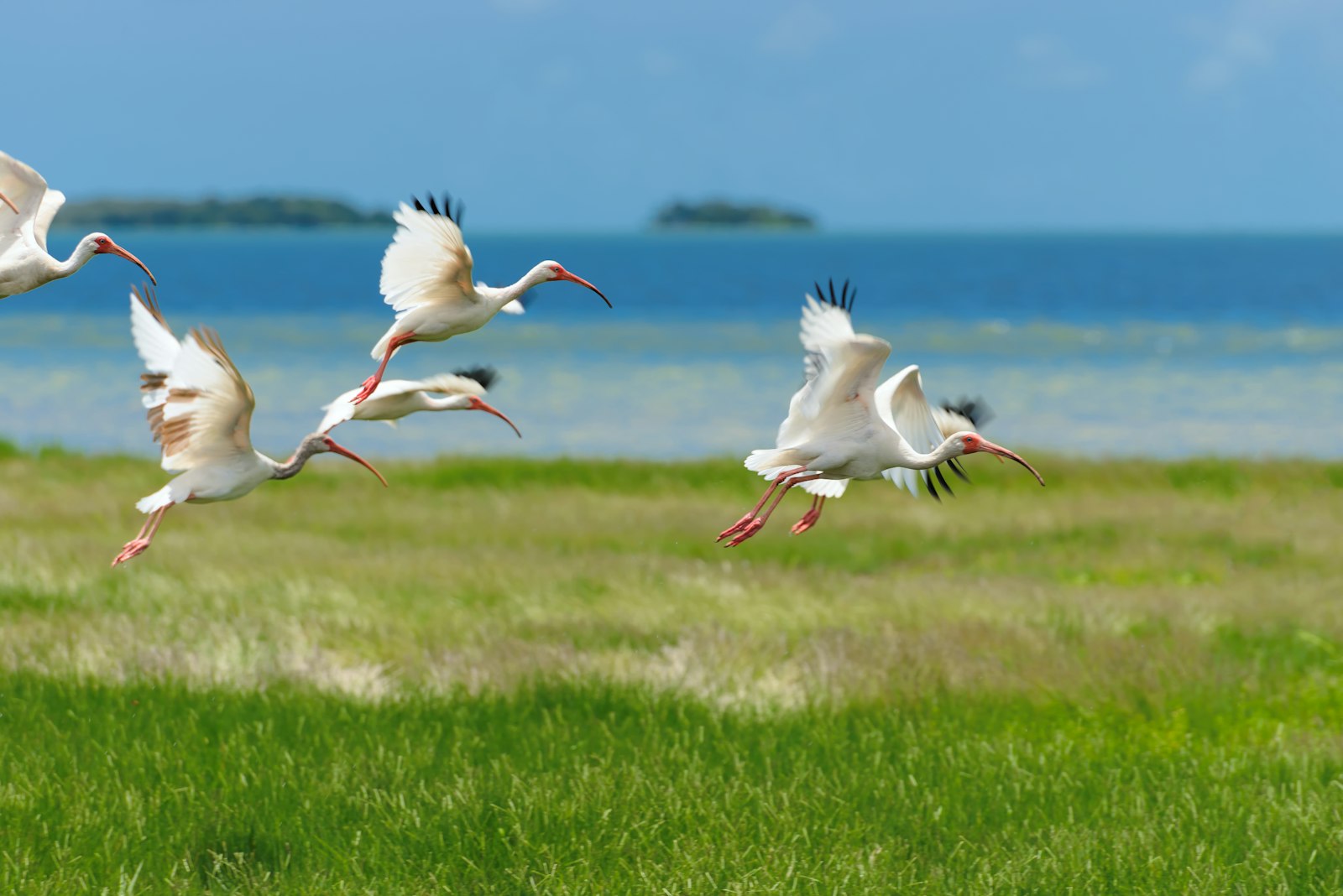
Highlights
- Educational Structure: Detailed sections covering introduction, challenges, strategies, community involvement, and project ideas.
- Visual and Interactive Elements: Incorporation of photographs, charts, and tables to enhance engagement and accessibility.
- Action-Oriented Information: Practical guidelines, conservation project frameworks, and community action plans.
Overview
Creating a wildlife and environmental conservation booklet is not just about raising awareness – it’s about inspiring action and fostering a deep, lasting connection with nature. This guide provides a detailed framework for assembling a cohesive booklet that serves as a resource for individuals, educators, and community leaders alike. Through comprehensive content, visually engaging elements, and actionable insights, your conservation booklet can become an invaluable tool in promoting biodiversity, environmental stewardship, and local community engagement.
Booklet Structure
A logically organized booklet not only makes the information accessible but also helps build a narrative that guides the reader from understanding the basic concepts of wildlife conservation through to actionable project ideas. Below is an overview of the recommended structure:
1. Cover Page and Introduction
Cover Page
The cover page of your conservation booklet should be eye-catching and informative. Incorporate high-quality images of local wildlife and natural landscapes to capture the reader's attention. The cover should include:
- Booklet Title: Examples include "Wildlife and Environmental Conservation: A Community Guide" or "Protecting Our Planet for Future Generations."
- Subtitle: A brief, inspirational phrase that highlights the purpose of the booklet.
- Photographs: Use vibrant images that showcase the natural beauty of local environments and fauna.
Introduction
The introduction should set the stage by explaining the importance of wildlife conservation and environmental protection. This section can include:
- Definition of wildlife conservation and environmental protection.
- Discussion on the motivation behind creating the booklet and its intended impact.
- Quotes or testimonials that inspire and convey a sense of urgency regarding environmental issues.
2. Detailed Sections
Once you have introduced the main concepts, the booklet should delve into specific areas related to conservation.
Section on Local Wildlife
This section focuses on the species within your local environment, offering readers a chance to learn about the wildlife that inhabits their own backyards. Include:
- Profiles of local wildlife species, including endangered and commonly seen animals.
- Photographs and graphics that highlight the uniqueness of each species.
- Conservation statuses and interesting facts such as behavior, habitat, and ecological roles.
Challenges Facing Wildlife and the Environment
Discuss the critical challenges that wildlife and the environment currently face. This could include issues such as:
- Habitat Loss: How urbanization, agriculture, and deforestation are affecting natural landscapes.
- Climate Change: The role of global warming and its impact on ecosystems.
- Pollution: The effects of air, water, and soil pollution on both flora and fauna.
- Human-Wildlife Conflicts: Issues arising when human development encroaches on natural habitats.
Utilize visual aids like graphs, charts, or infographics to present data in an easily digestible format.
Conservation Strategies and Action Plans
Offer practical solutions that individuals and communities can adopt. In this section, provide:
- Tips for sustainable living and ways to incorporate environmental practices into daily routines.
- Guidelines on how to create wildlife-friendly spaces, such as wildlife gardens or nature reserves.
- Information on local and national conservation programs, including Project WILD and other community-based initiatives.
- Details about Habitat Conservation Plans (HCPs) that balance development with species preservation.
Case Studies and Success Stories
Include real-world examples of successful conservation projects. These case studies can illustrate:
- How communities have transformed degraded environments into thriving ecosystems.
- Profiles of organizations and initiatives that have made significant contributions to conservation efforts.
- Lessons learned from both successes and setbacks.
3. Project Ideas and Community Involvement
One of the most impactful aspects of your conservation booklet is the call to action. Provide readers with detailed ideas and guidelines on how they can participate. This section may include:
Wildlife Monitoring and Citizen Science
Outline simple projects that readers can undertake to contribute to local monitoring efforts. Encourage them to:
- Participate in local biodiversity surveys.
- Record wildlife sightings using digital platforms or dedicated apps.
- Collaborate with local conservation offices to share data and contribute to larger studies.
Creating Wildlife-Friendly Habitats
Educate readers on how to create environments that support native species. This could include:
- Designing wildlife gardens that use local plant species to attract and shelter local fauna.
- Adaptation techniques for urban areas, like rooftop gardens or community green spaces.
- Steps to eliminate invasive species and promote native biodiversity.
Community Involvement and Collaborative Projects
Empower communities by emphasizing collective action. Suggest organizing events such as:
- Local clean-up drives — from parks to riverbanks.
- Workshops on environmental sustainability and conservation.
- Partnerships with local schools, businesses, and non-profit organizations that focus on environmental education and volunteer work.
4. Resources and References
An integral part of a conservation booklet is the inclusion of additional resources. This section should provide:
- A curated list of organizations such as Project WILD, local wildlife departments, and environmental service projects.
- Links to scientific papers, online guides, and best practices.
- Contact details for local experts and conservation groups that readers might reach out to for further guidance.
Below is a table summarizing key resources along with a brief description to help readers quickly identify the relevance of each resource:
| Resource | Description | Link |
|---|---|---|
| Project WILD | Interdisciplinary conservation education program focusing on wildlife and habitat conservation. | Project WILD - Fish & Wildlife |
| Wildlife Gardening Guide | Practical guide for creating wildlife friendly gardens. | Wildlife Gardening - Repollinate |
| 4-H Wildlife Projects | Educational projects for youth that cover wildlife identification and conservation practices. | 4-H Wildlife - Wisconsin |
| Community Conservation Initiatives | Examples of community efforts towards environmental protection and sustainable projects. | Community Conservation - One More Tree |
| Environmental Service Projects | Ideas and examples of projects that contribute to environmental sustainability. | Environmental Projects - Lions Clubs |
Additional Content and Design Considerations
Beyond textual content, the design of your conservation booklet plays an important role in engaging readers. Consider incorporating:
Visual Storytelling
Visual elements balance out the textual information and help to evoke emotional responses. Use high-resolution images of local flora and fauna, diagrams of ecosystems, and before-and-after pictures of conservation projects. Integrating infographics can simplify complex data on topics like population decline or habitat loss and make it more digestible for readers of all ages.
Interactive Elements
In the digital format, interactive elements such as clickable links, embedded videos, and QR codes that lead to additional resources or online workshops can vastly enhance the educational value of your booklet. These elements cater to diverse learning styles and help transform passive reading into active exploration.
Design and Layout Best Practices
A clean and professional layout goes a long way. Choose a color palette that reflects nature – greens, browns, and blues can create an aesthetically pleasing background. Ensure consistent font formatting and spacing, and use headings and subheadings effectively to guide readers through the content. White space is important for readability, so avoid cluttering pages with too much text or too many images.
Community Impact and Call to Action
The ultimate goal of your conservation booklet is to inspire and empower readers to take actionable steps towards preserving wildlife and our environment. Here are a few strategies to conclude your booklet with a powerful impact:
Empowering the Community
Make sure that readers know how their contributions, no matter how small, can have a real impact. Provide examples of community projects, explain how each individual can contribute to local conservation efforts, and encourage long-term involvement. Include a call to action that motivates readers to join local clean-up initiatives, participate in citizen science projects, or start their own environmental campaigns.
Sustainability and Continuous Learning
Emphasize that environmental conservation is an ongoing journey. Suggest additional reading, workshops, and seminars that can help your audience stay informed and engaged. Providing a list of upcoming events and volunteer opportunities reinforces the message of collective, sustained action.
Step-by-Step Guide Recap
To summarize the creation process:
- Start with a compelling cover, introduction, and clear statement of objectives. Define and illustrate the significance of wildlife and environmental conservation.
- Develop detailed, segmented content. From profiling local wildlife and outlining conservation challenges to proposing actionable strategies and project ideas.
- Integrate visuals and interactive elements. Use photographs, infographics, and interactive resources to enhance engagement.
- Include comprehensive resources. Provide links and references to credible organizations and conservation projects.
- Conclude with a strong call to action. Empower your readers to actively contribute to conservation efforts in their communities.
References
The following resources have been invaluable in developing best practices for wildlife and environmental conservation initiatives:
- Project WILD - Fish & Wildlife
- Wildlife Gardening Booklet - Repollinate
- 4-H Wildlife & Hunting Project - Wisconsin Extension
- Community Involvement in Environmental Protection - One More Tree
- Environmental Service Project Ideas - Lions Clubs
Recommended Related Queries
To further explore the subject or expand on specific aspects of conservation, consider searching for the following topics:
 amazon.com
Last updated March 17, 2025