
Unveiling the Constituency Development Plan for West Guadalcanal
A Comprehensive Insight into Development Initiatives in the Solomon Islands
Key Highlights
- Infrastructure Overhaul: Major road rehabilitation, housing schemes, and transport initiatives are driving improvements.
- Economic Empowerment: Projects designed to boost local economic activity, including a $1.2 million transport initiative.
- Community-Centered Approach: Emphasis on community projects, cultural festivals, and sustainable development aligned with national policies.
Overview of the Constituency Development Plan
The Constituency Development Plan for West Guadalcanal in the Solomon Islands represents an integrated approach to improving local infrastructure, enhancing community living standards, and stimulating economic growth. This plan is built upon strategic investments in various sectors, aligning with national development goals and local needs. The plan is crafted based on the Constituency Development Office Profile, which serves as a blueprint for the disbursement of Constituency Development Funds (CDF).
Core Initiatives and Strategies
1. Infrastructure Development
A central component of the plan is focused on improving physical infrastructure within the constituency. High-priority projects include:
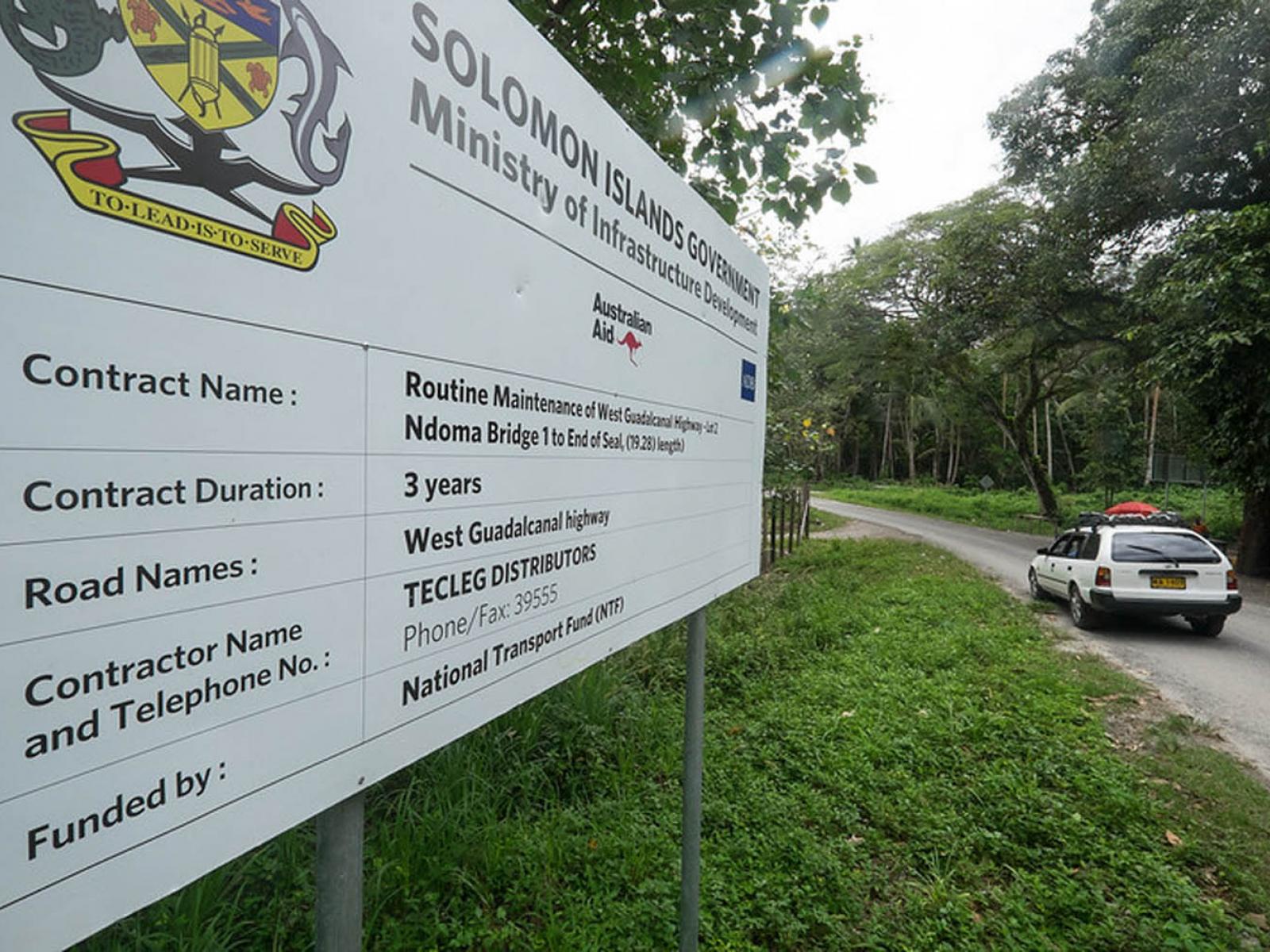
- Road Rehabilitation: Machinery secured in December 2022 has enabled the commencement of extensive rehabilitation projects aimed at restoring and enhancing the road network. Key routes include the Marasa to Mbambanakira road, which is set to improve accessibility significantly.
- Housing Projects: The constituency has rolled out a housing scheme in 2022, with a dedicated $102,000 allocation from the CDF. This initiative is designed to improve living conditions and ensure safe, adequate housing for community members.
- Transport Initiatives: A landmark $1.2 million transport initiative is intended to empower local residents by facilitating economic activity and ensuring efficient mobility, particularly benefiting farmers and small business owners.
2. Economic Empowerment
Economic development forms a key pillar of the constituency plan. By focusing on infrastructure, the government and local leaders aim to empower constituents through:
- Enhanced Mobility: The transport initiative not only supports daily commutes but also plays a significant role in boosting local trade and market access.
- Job Creation: Improved roads and infrastructure support local business growth, with related projects creating jobs and developing skills among the residents.
- Fostering Self-Sufficiency: Economic initiatives, including support for agriculture and small industries, help reduce dependency on external support and enhance community resilience.
3. Community Engagement and Cultural Integration
The Constituency Development Plan not only targets infrastructure but also invests in community projects that enhance social cohesion. Key elements include:
- Community Projects: Funding and support are directed towards projects that uplift the overall community, ensuring the benefits reach a broad range of residents.
- Cultural Events: The West Guadalcanal Tutugunu Festival, held annually from July 4th to 7th at Tangarare, serves as a prime example of initiatives designed to sustain and celebrate local heritage.
- Inclusive Planning: Community engagement is highly valued, ensuring that local stakeholders contribute to decision-making processes, thereby enhancing transparency and accountability.
4. Policy Alignment and Regulatory Framework
The strategic direction of the Constituency Development Plan is aligned with national development goals and adheres to current legislative frameworks. This includes:
- National Policy Compliance: The plan is guided by the Solomon Islands Constituency Development (SICD) Policy 2023-2032, designed to ensure uniformity and strategic coherence across constituencies.
- Constituency Development Funds Act: The Act, fully in force from January 2025, provides the legal backbone for the allocation and management of development funds.
- Sustainability Focus: Beyond initial project funding, there's an emphasis on creating self-sustaining initiatives that will continue to benefit the community long-term.
Detailed Project Initiatives
The table below summarizes key projects, their objectives, and the intended socio-economic benefits:
| Project Initiative | Description | Funding/Resources | Impact |
|---|---|---|---|
| Road Rehabilitation | Upgrade and repair of critical road networks, including routes like the Marasa to Mbambanakira road. | Machinery secured in December 2022; part of extensive CDF investments | Improved mobility, accessibility, and economic trade |
| Housing Scheme | Development and refurbishment of housing projects to bolster living conditions. | $102,000 funding from the Constituency Development Fund (CDF) | Enhanced quality of life and safer residences |
| Transport Initiative | Investment in transportation to facilitate economic activities and support farming operations. | $1.2 million provided by government initiatives | Boosts local commerce and supports small businesses |
| Community and Cultural Projects | Support for cultural events like the Tutugunu Festival and community driven projects. | Allocated through community project funding channels | Fosters community cohesion and celebrates local cultural heritage |
Roles, Responsibilities, and Implementation Strategy
The successful execution of the Constituency Development Plan in West Guadalcanal hinges on coordinated efforts between government bodies, local leadership, and community stakeholders. Key roles include:
Legislative and Policy Framework
The legal and administrative structure underpinning the development plan involves:
- Constituency Development Funds Act: Enacted in full force as of January 2025, this act regulates the use and distribution of CDF resources across constituencies.
- SICD Policy 2023-2032: A national policy framework that standardizes development initiatives, ensuring that local projects supplement broader economic and social objectives.
Implementation and Monitoring Mechanisms
Implementation of projects is strategically managed through the Constituency Development Office. This office is tasked with the following:
- Project Management: Overseeing the execution of infrastructure projects, community activities, and economic empowerment initiatives.
- Funding Allocation: Disbursement of resources based on detailed constituency profiles, ensuring funds reach the most vital projects.
- Continuous Monitoring: Regular assessments and progress reviews are conducted to ensure accountability, transparency, and adherence to planned outcomes.
Community Participation and Accountability
A notable feature of the plan is the emphasis on inclusivity and stakeholder engagement. This is achieved by:
- Regular Community Consultations: Forums and meetings allow residents to voice concerns, offer feedback, and contribute to project planning and execution.
- Transparency in Fund Utilization: Mechanisms are in place to track how allocated funds are spent, ensuring that all initiatives yield maximum community benefits.
- Collaboration with Local Leaders: Hon. Anthony Veke, the constituency representative, plays a crucial role in steering these initiatives to fruition.
Additional Considerations and Challenges
Resource Allocation and Sustainability
While significant investments have been made to support infrastructure and economic projects, ensuring long-term sustainability is a priority. Initiatives are designed to be self-perpetuating by integrating local capacity-building and ensuring that projects continue to benefit the community well beyond the initial funding period.
Impact Measurement and Future Outlook
Measuring the success of the Constituency Development Plan involves:
- Outcome-Based Evaluations: Regular assessments focus on both qualitative and quantitative metrics, such as improved travel times, increased household stability in the housing scheme, and greater economic output from community enterprises.
- Future Planning: Feedback loops and monitoring reports are critical for planning subsequent project phases and for scaling successful initiatives to other regions.
References
- West Guadalcanal Constituency major road rehabilitation to commence soon - Solomon Star News
- Veke continues to support momentous developments in West Guadalcanal - Pacific Scoop
-
West Guadalcanal Constituency receives transport to boost economic activity - Solomon Times
- Cabinet approves Constituency Development Policy & CDF Legislation - Solomon Islands Government
- West Guadalcanal Constituency rolls out housing project program - Solomon Islands Government
Recommended Next Steps
Last updated March 25, 2025