
Exploring Construction Hazards Across Sites
Understanding risks, management strategies, and challenges in construction safety
Key Highlights
- Comprehensive Hazard Identification: Analyze physical, chemical, and ergonomic hazards with in-depth insights and scholarly citations.
- Effective Management Strategies: Explore systematic methods including PPE deployment, safety training, and regular inspections.
- Workplace Challenges: Understand unique challenges such as dynamic site conditions, diverse workforces, and cultural barriers to safety.
Introduction
The construction industry is critical to modern infrastructure development, yet it remains one of the most hazardous sectors globally. With a plethora of risks that threaten workers' health and safety, construction hazards encompass a wide array of physical, chemical, and ergonomic risks. Effective hazard management is essential to mitigate these dangers and ensure a safe working environment. Studies show that proactive hazard identification and the implementation of stringent safety protocols significantly reduce workplace injuries and fatalities (OSHA, n.d.; High Speed Training, 2025). This study-like abstract offers a comprehensive overview of the types of hazards on construction sites, methods used in hazard management, and the multifaceted challenges professionals face every day.
Construction Site Hazards
Categories of Hazards
Hazards on construction sites can be broadly categorized into three major types, each with distinctive characteristics and implications for worker safety:
Physical Hazards
Physical hazards are the most visible and commonly encountered dangers on construction sites. These include slips, trips, and falls due to uneven terrain, debris, or incomplete structures. Moreover, workers face risks from being struck by moving objects or falling tools and materials (High Speed Training, 2025; Redcomllc, 2025). The dynamic environment of construction sites means that these hazards are ever-present and require constant vigilance.
Chemical Hazards
Chemical hazards arise from the exposure to toxic substances such as asbestos, lead, silica dust, and various volatile chemicals. These substances, if inhaled or contacted, can lead to serious health complications including respiratory diseases and long-term chronic conditions (OSHA Education Center, 2025; National Institute for Occupational Safety and Health, 2022). The risk is compounded when workers are not provided with or do not use adequate personal protective equipment.
Ergonomic and Process Hazards
Ergonomic hazards are linked to repetitive tasks, heavy lifting, and awkward postures, which can lead to musculoskeletal disorders. Additionally, the operation of heavy machinery and the manual handling of materials contribute to an increased risk of injury (Safety First Consulting, 2025). The consistent physical strain associated with these activities necessitates rigorous ergonomic assessments and interventions.
Hazard Overview Table
| Hazard Category | Description | Examples | References |
|---|---|---|---|
| Physical Hazards | Risks related to falling, slipping, and being struck by objects. | Slips, trips and falls, struck-by objects | (High Speed Training, 2025; Redcomllc, 2025) |
| Chemical Hazards | Exposure to harmful substances that can affect health. | Asbestos, lead, silica dust | (OSHA Education Center, 2025; NIOSH, 2022) |
| Ergonomic Hazards | Risks associated with repetitive physical strain and improper lifting techniques. | Musculoskeletal disorders, strain injuries | (Safety First Consulting, 2025) |
Hazard Management in Construction
Risk Identification and Assessment
A cornerstone of hazard management is the thorough identification and assessment of potential risks on site. Regular inspections and audits are conducted to map out hazardous areas and operations. This process involves documenting existing risks, performing quantitative and qualitative risk assessments, and using structured methodologies to determine the likelihood and impact of each hazard (MDPI, 2024; OSHA, n.d.). Such assessments help in developing tailored strategies to address and mitigate hazards.
Implementing Safety Protocols
Following risk identification, construction professionals implement an array of safety protocols to address hazards. These strategies include:
Safety Training and Education
Comprehensive safety training programs are critical in building awareness and preparedness among workers. Workers receive training on the correct use of equipment, identification of hazards, and emergency response techniques. Such training significantly reduces the risk of accidents and improves compliance with safety standards (OSHA Education Center, 2025; Procore, n.d.).
Personal Protective Equipment (PPE)
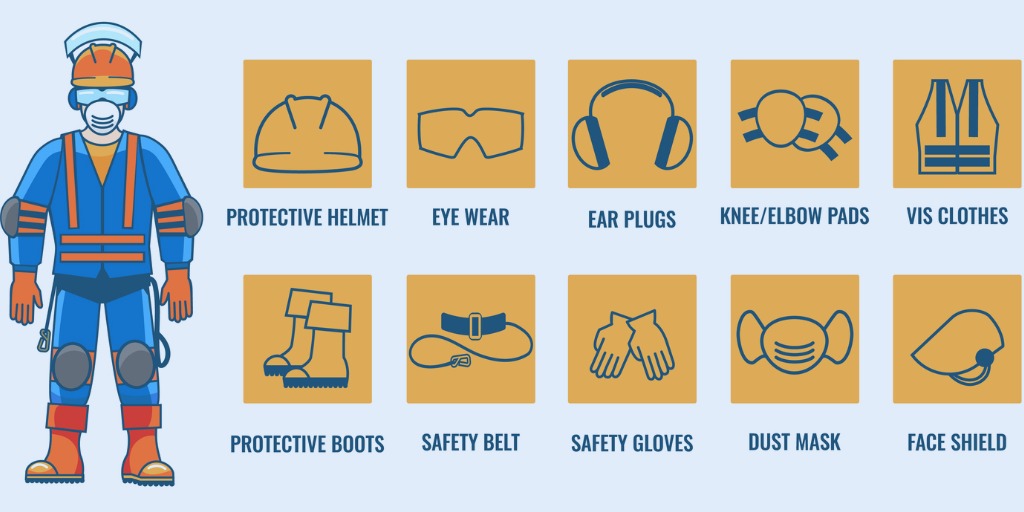
Providing adequate PPE tailored to the specific hazards encountered on site is another essential aspect of management. Hard hats, high-visibility clothing, gloves, eye protection, and fall protection gear are routinely mandated to serve as the first line of defense against potential hazards (Redcomllc, 2025; SafetyIQ, 2023).
Engineering Controls and Site Planning
Engineering controls involve modifying the physical work environment to reduce exposure to hazards. This may include installing guardrails, implementing safety barriers, and designing machinery with built-in safety features. Effective site planning also helps separate pedestrian pathways from areas with heavy machinery, thereby minimizing risk (ECL Civils, 2025; Business Insurance, 2025).
Challenges in Ensuring Workplace Safety
Dynamic Work Environment
Construction sites are inherently dynamic and constantly changing. Variations in terrain, weather conditions, and ongoing modifications to site layouts contribute to unpredictable risk factors. This dynamic environment significantly complicates hazard management efforts. Additionally, transient workforces and frequently changing personnel further exacerbate these challenges, as continuous training and communication become critical (TIS Training, 2025; BuilderN, 2025).
Regulatory Compliance and Enforcement
Adhering to stringent safety regulations and maintaining compliance is an ongoing issue in the construction industry. Regulatory bodies such as OSHA enforce numerous safety guidelines that must be diligently followed. However, lapses in enforcement, combined with the rapid pace of construction projects, can result in significant safety oversights. Inadequate regulation adherence not only places workers at risk but also exposes companies to legal and financial consequences (OSHA, n.d.; NASP, n.d.).
Cultural and Communication Barriers
Effective communication among workers and management is essential for ensuring safety on construction sites. However, differing languages, cultural barriers, and varying levels of safety awareness among workers can impede the clear dissemination of safety protocols. Moreover, a workplace culture that prioritizes productivity over safety may discourage workers from reporting hazards or near misses, leading to an underestimation of risks (American Psychological Association, 2020; eSUB, 2023).
Resource Constraints and Technological Limitations
Budgetary and resource constraints often limit the extent to which companies can invest in up-to-date safety technologies and training programs. While modern solutions such as advanced monitoring systems and real-time reporting have the potential to greatly enhance safety oversight, many organizations struggle to implement these innovations due to cost and complexity (Business Insurance, 2025). Additionally, existing technological limitations may hinder seamless integration of such systems into daily operations.
References
The following references have informed this analysis and provide further reading on construction hazards, hazard management, and workplace safety challenges:
- OSHA - Construction Industry | Occupational Safety and Health Administration
- High Speed Training - Common Construction Hazards
- OSHA Education Center - Construction Site Hazards
- MDPI - Review on Construction Safety
- ECL Civils - Safety Hazards in Construction
Recommended Searches
To further explore related topics, consider investigating the following queries:
Last updated March 25, 2025