
Exploring Construction Hazards and Workplace Safety
Understanding dynamic risks and strategies in the construction industry
Key Insights
- Varied Hazards: Construction sites face diverse risks including falls, electrocution, and chemical exposure (OSHA, 2022).
- Hazard Management: Comprehensive hazard identification, risk assessment, and control measures are essential for site safety (SafetyCulture, 2025).
- Workplace Challenges: Dynamic site conditions, resource limitations, and regulatory compliance remain significant obstacles (NASP, 2025).
Introduction to Construction Hazards
The construction industry is one of the most critical yet hazardous sectors, responsible for creating our built environment while exposing workers and bystanders to numerous risks. As construction projects involve a variety of tasks, from working at heights and using heavy machinery to handling hazardous substances, the potential for accidents is significantly high (OSHA, 2022; Vukadinovic & Radosavljevic, 2020). This introduction explores the spectrum of construction hazards, the systematic approaches to hazard management, and the challenges professionals face in ensuring workplace safety under constantly evolving site conditions.
Different Hazards on Construction Sites
Types of Hazards
Construction site hazards can be broadly categorized into physical, chemical, biological, and psychological risks. Each category encompasses specific dangers that require targeted management strategies:
1. Physical Hazards
Physical hazards include risks such as falls from heights, struck-by incidents, caught-in/between hazards, and electrocution. Falls, particularly from scaffolds, ladders, and other elevated surfaces, represent one of the leading causes of fatalities in construction (HSE STUDY GUIDE, 2025; Procore, 2024). Being struck by heavy machinery, moving objects, or falling materials further exacerbates the risk to workers’ safety. In addition, electrocution due to exposed wiring or improper use of electrical equipment remains a critical concern (MyComplawyers, 2025).
2. Chemical and Material Exposure
Workers are often exposed to hazardous chemicals including asbestos, silica dust, and other toxic substances that can lead to acute and chronic health issues (Anantharaman et al., 2020; ECL Civil Engineering, 2025). Proper handling, storage, and safety measures are essential in preventing chemical exposures that not only damage health but also disrupt project timelines.
3. Biological and Psychological Hazards
Although less emphasized, biological hazards such as exposure to harmful microorganisms and the resulting diseases (e.g., hepatitis) are documented in construction settings (Rafindadi et al., 2020). Psychological hazards, including high stress levels, fatigue, and mental health disorders, arise from the intense demands of construction work and the pressure of meeting tight project deadlines (APA, 2020).
Hazard Management in Construction
Systematic Approaches to Safety
Effective management of construction hazards is achieved through a systematic process that combines hazard identification, risk assessment, and the implementation of control measures. These steps ensure that the risks are minimized to acceptable levels and a safe working environment is maintained.
Hazard Identification
Regular site inspections and thorough risk assessments are essential for the early identification of potential hazards. By conducting these evaluations, safety professionals can pinpoint areas where risks are prevalent, enabling proactive intervention (SafetyCulture, 2025; OSHA, 2022).
Risk Assessment
Risk assessment involves determining both the likelihood of a hazard occurring and the potential severity of its consequences. This assessment aids in prioritizing risks according to their impact on workers’ health and project safety (Rafindadi et al., 2020). With a clear risk profile, targeted strategies can be developed to address the most pressing issues.
Control Measures
The control measures adopted in construction range from engineering solutions that modify the work environment to prevent accidents, to administrative measures such as safety policies and training programs. The three primary categories of control include:
| Control Measure | Description | Examples |
|---|---|---|
| Engineering Controls | Eliminates hazards by design modifications or equipment changes. | Guardrails, safety nets, and machine safety guards. |
| Administrative Controls | Reduces risk through policies, procedures, and training. | Safety training sessions, work scheduling, site-specific safety protocols. |
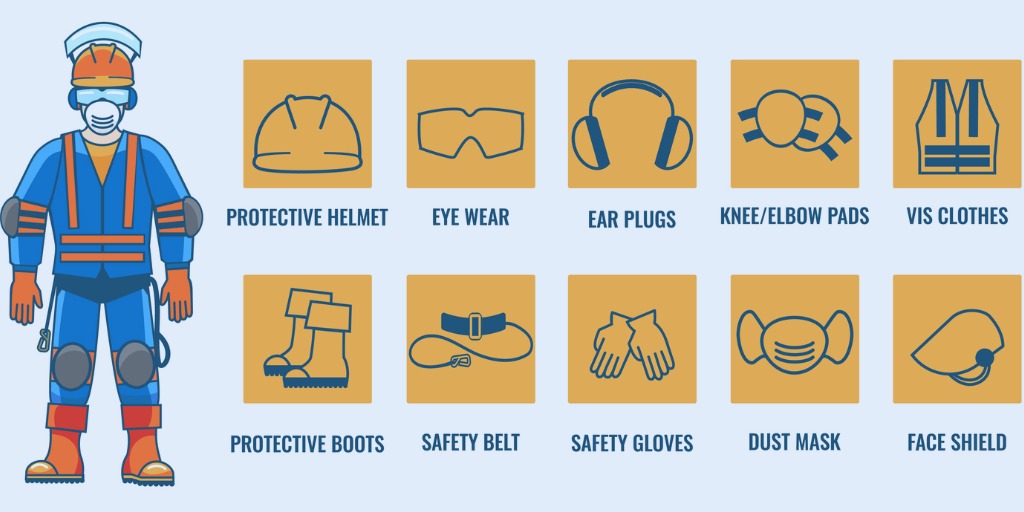
| Personal Protective Equipment (PPE) | Provides a physical barrier between the worker and hazards. | Helmets, gloves, safety goggles, and harnesses. |
The integration of these controls ensures a layered defense against hazards, significantly reducing the potential for accidents and injuries (OSHA, 2022; Procore, 2024). Regular monitoring and review of these measures facilitate continuous improvement in site safety.
Challenges in Ensuring Workplace Safety
Obstacles and Opportunities for Improvement
Despite advanced hazard management strategies, construction professionals continue to face considerable challenges in achieving optimal workplace safety. These challenges include:
Dynamic Site Conditions
Construction environments are in a constant state of flux, making hazard identification a moving target. Changes in site layouts, weather conditions, and ongoing work processes contribute to an environment where new hazards can emerge unexpectedly (Vukadinovic & Radosavljevic, 2020). This dynamic nature requires continuous monitoring and adaptability in safety protocols.
Resource Limitations and Budget Constraints
Financial and staffing limitations pose significant hurdles for smaller construction firms in implementing comprehensive safety measures. Balancing project deadlines with the need for thorough hazard management can sometimes lead to compromised safety standards (NASP, 2025; ECL Civil Engineering, 2025).
Regulatory and Compliance Complexities
Navigating the regulatory landscape regulated by organizations such as OSHA entails significant administrative challenges. Ensuring that all practices adhere to evolving standards requires persistent efforts and can strain resources (OSHA, 2022; PA Work Injury Lawyers, 2025).
Worker Training and Communication Barriers
Consistent and comprehensive training is crucial for maintaining site safety, but language and cultural differences among a diverse workforce can create communication challenges. Effective training programs and multilingual safety communications are essential to overcome these barriers (High Speed Training, 2025; Procore, 2024).
Integrating Safety Strategies in Construction
Best Practices for a Safer Work Environment
Successful safety strategies in construction require a multifaceted approach where hazard management, continuous worker training, and strict enforcement of safety regulations work in tandem. By fostering a robust safety culture that encourages proactive hazard reporting and open communication, construction firms not only comply with regulatory requirements but also create a healthier working environment that enhances productivity (SafetyCulture, 2025; OSHA, 2022).
Regular safety audits, refresher training courses, and continuous improvement practices are critical for accommodating the evolving challenges presented by dynamic construction sites. In doing so, construction professionals are better equipped to respond promptly when encountering new risks or hazards, ensuring that both preventative measures and corrective actions are effective.
References
- OSHA Construction Industry - OSHA
- Common Hazards in Construction Sites - HSE Study Guide
- Ten Common Construction Site Hazards - High Speed Training
- 10 Common Construction Site Hazards - MyComplawyers
- Construction Hazard Identification - SafetyCulture
- Construction Health and Safety Hazards - Procore
- Top 11 Safety Hazards in Construction - ECL Civil Engineering
-
Stress in America: Coping with Change - American Psychological Association
Recommended Further Exploration
Last updated March 25, 2025