
Unveiling the Blueprint: The Comprehensive Structure of a Construction Project Engineer's Role
Delving into the responsibilities, collaborations, and skills that define this pivotal engineering position in modern construction.
The Construction Project Engineer (CPE) is an indispensable figure in the architecture, engineering, and construction (AEC) industry. They serve as a critical linchpin, ensuring that complex construction projects transition smoothly from design concepts to tangible realities. This role demands a unique blend of technical engineering knowledge, robust project management capabilities, and keen interpersonal skills to navigate the dynamic environment of a construction site. Understanding the structure of this role involves exploring its multifaceted responsibilities, its position within the project team, the qualifications required, and its distinct contributions to project success as of May 08, 2025.
Key Highlights of the Construction Project Engineer Role
- Integral Project Lifecycle Involvement: CPEs are actively involved from pre-construction planning and design review through on-site execution, monitoring, and project closeout, ensuring continuity and adherence to specifications.
- Multi-faceted Responsibilities: The role encompasses technical oversight, meticulous planning and scheduling, quality assurance, safety compliance, problem-solving, and extensive stakeholder communication.
- Crucial Team Collaborator: CPEs act as a vital communication bridge between design teams (architects, structural engineers), on-site construction crews, subcontractors, vendors, and project management leadership.
The Core Fabric: Responsibilities of a Construction Project Engineer
A Construction Project Engineer's duties are diverse, touching nearly every aspect of a project's execution. They are the on-the-ground engineering presence, translating complex plans into actionable tasks and ensuring technical fidelity.
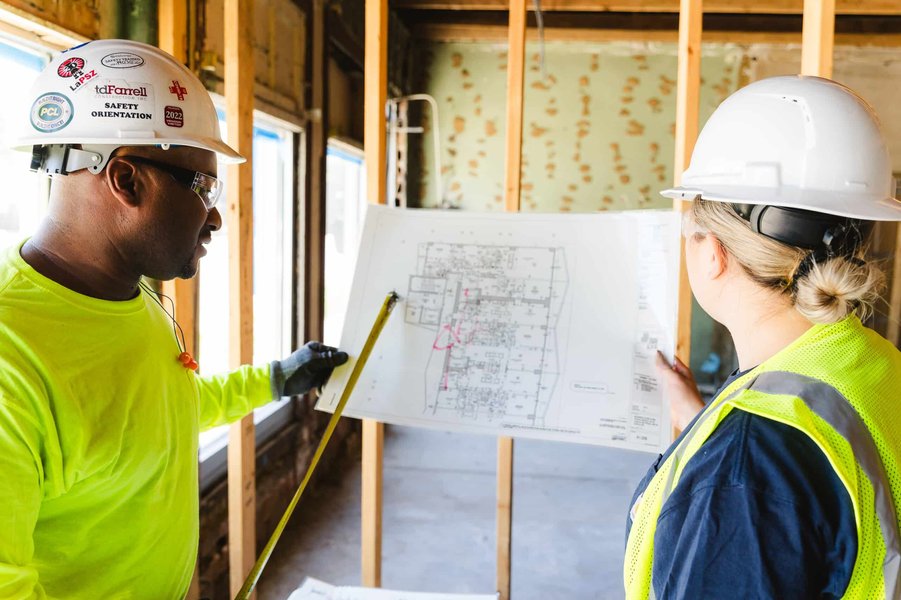
Construction Project Engineers play a vital role in on-site coordination and execution.
Planning, Coordination, and Scheduling
Strategic Blueprinting for Success
Effective planning is foundational. CPEs are deeply involved in developing comprehensive project plans, master schedules, and sequencing strategies. This includes:
- Organizing the acquisition and delivery of materials, equipment, and labor.
- Collaborating with architects, subcontractors, and vendors to align all parties with project goals and timelines.
- Reviewing design documents (drawings, specifications) for constructability and clarity.
- Assisting in the development of project documentation, such as submittals, RFIs (Requests for Information), and change orders.
- Developing and monitoring detailed work schedules, particularly for critical structural and MEP (Mechanical, Electrical, Plumbing) components.
Technical Oversight and On-Site Execution
Ensuring Engineering Integrity on the Ground
CPEs provide crucial technical guidance during the construction phase. Their responsibilities include:
- Interpreting engineering drawings and specifications for site teams and subcontractors.
- Overseeing construction activities to ensure they comply with design plans, building codes, and industry standards.
- Identifying and resolving technical issues and engineering challenges that arise on-site, often requiring quick, informed decisions.
- Conducting field inspections and monitoring construction progress against the schedule.
- For projects with a significant structural component, this may involve overseeing aspects like foundation work, steel erection, concrete pours, and reinforcement placement.
Quality Assurance and Safety Compliance
Upholding Standards and Protecting Teams
Maintaining high standards of quality and safety is paramount. CPEs actively contribute by:
- Implementing and monitoring project quality control (QC) metrics and activities.
- Preparing timely and accurate quality reports and escalating issues as appropriate.
- Ensuring all work adheres to safety regulations and site-specific safety plans.
- Participating in safety audits and promoting a safety-conscious culture on site.
- Verifying the compliance and completeness of submittal information from suppliers and subcontractors.
Documentation, Reporting, and Cost Awareness
Maintaining the Project Record
Thorough documentation is essential for project accountability and future reference. CPEs typically manage:
- Keeping project logs, daily reports, and progress documentation current.
- Generating project punch lists and managing the closeout documentation process.
- Assisting in tracking project costs, reviewing contractor bids, and identifying cost-effective solutions without compromising quality or safety.
- Preparing regular progress reports for project managers and other stakeholders.
The CPE's Place in the Project Ecosystem
Construction Project Engineers operate within a dynamic team structure, acting as a crucial interface between various disciplines and stakeholders. They typically report to a Project Manager or Superintendent, supporting them in the overall delivery of the project.
Collaboration is Key: Working with Diverse Teams
The CPE's role is inherently collaborative. They work closely with:
- Project Managers & Superintendents: Assisting with overall project execution, scheduling, and resource management.
- Architects & Design Engineers (including Structural Engineers): Clarifying design intent, resolving discrepancies, and managing changes.
- Subcontractors & Trades: Coordinating work, ensuring adherence to plans, and managing quality.
- Vendors & Suppliers: Managing material submittals, orders, and deliveries.
- Clients: Sometimes involved in providing updates or clarifying technical aspects.
The following mindmap illustrates the central role of the Construction Project Engineer and their key interactions and responsibilities within a construction project.
(Design Review, Planning)"] id4_2["Construction Execution
(Oversight, Management)"] id4_3["Post-Construction
(Closeout, Punch Lists)"]
Distinguishing Roles: CPE vs. Structural Engineer vs. Project Manager
While their roles can overlap and require close collaboration, there are key distinctions:
| Aspect | Construction Project Engineer (CPE) | Structural Engineer (Design) | Project Manager (PM) |
|---|---|---|---|
| Primary Focus | On-site technical execution, implementation of designs, daily problem-solving, quality, and safety. | Design, analysis, and ensuring the structural integrity, stability, and safety of buildings/structures at the planning stage. | Overall project success, including budget, schedule, scope, resources, risk, and stakeholder management. |
| Key Responsibilities | Interpreting plans, site inspections, coordinating trades, managing submittals, resolving field issues, QC/QA, safety enforcement. | Creating structural drawings, performing calculations (load, stress), selecting materials, ensuring code compliance in design. | Developing project plans, managing budgets and schedules, leading the project team, client communication, contract administration. |
| Stage of Involvement | Primarily during pre-construction support, intensive during construction execution, and project closeout. | Primarily during the design and planning phases; may provide consultation during construction. | Throughout the entire project lifecycle, from initiation to closeout. |
| Core Output | Ensuring the project is built correctly according to plans and specifications. | Producing safe, efficient, and compliant structural designs and drawings. | Delivering the project on time, within budget, and to the required quality standards, meeting client objectives. |
Core Competencies and Qualifications
Succeeding as a Construction Project Engineer requires a robust set of skills and a solid educational foundation. The following radar chart highlights the relative importance of various core competencies for this role.
This chart illustrates that while technical skills are vital, abilities in problem-solving, communication, and ensuring safety and quality are equally crucial for effective performance as a Construction Project Engineer.
Educational Background and Experience
- Education: A Bachelor's degree in Civil Engineering, Construction Management, Construction Engineering Technology, or a closely related field is typically required.
- Experience: Entry-level positions may be open to recent graduates, especially those with relevant internship experience. Many CPEs gain 0-5 years of experience before potentially moving into more senior roles. Hands-on experience, whether through internships or prior work in skilled trades (e.g., plumbing, electrical), is highly valued as it provides practical insight into construction processes.
- Certifications: While not always mandatory, certifications like Engineer in Training (EIT) or eventually Professional Engineer (PE), or certifications from the Construction Management Association of America (CMAA), can enhance career prospects.
Essential Skills
- Technical Proficiency: Strong understanding of engineering principles, construction methods, materials science, and building codes. Familiarity with construction software (e.g., CAD, BIM, project management tools) is increasingly important.
- Managerial & Organizational Skills: Ability to plan, schedule, manage resources effectively, and handle multiple tasks simultaneously.
- Problem-Solving Prowess: Aptitude for identifying issues, analyzing causes, and developing practical solutions quickly.
- Communication Excellence: Clear and effective verbal and written communication skills are vital for interacting with diverse teams and stakeholders. This includes listening skills and the ability to convey technical information to non-technical audiences.
- Attention to Detail: Precision in reviewing plans, monitoring work, and maintaining records.
- Adaptability and Resilience: Construction projects are dynamic; the ability to adapt to changing conditions and overcome setbacks is key.
Career Path and Advancement
The Construction Project Engineer role often serves as a foundational step for various leadership positions within the construction industry. Career progression can be hierarchical and project-based:
- Entry-Level (Junior Project Engineer): Focuses on supporting senior engineers and project managers with tasks like documentation, submittal processing, basic site supervision, and learning project workflows.
- Mid-Level (Project Engineer): Takes on more responsibility for specific project phases or areas, including direct oversight of some construction activities, subcontractor coordination, quality control, and schedule monitoring.
- Senior-Level (Senior Project Engineer / Assistant Project Manager): May lead specific project elements, mentor junior engineers, handle more complex technical challenges, and have greater involvement in planning, budgeting, and stakeholder management. Potential pathways include transitioning to Project Manager, Superintendent, or specialized technical roles.
Continuous learning, gaining diverse project experience, and developing leadership skills are crucial for advancement in this dynamic field.
This video provides an overview of what a Project Engineer does in the construction industry, offering further insights into their daily tasks and responsibilities.
Frequently Asked Questions (FAQ)
What is the typical career path for a Construction Project Engineer?
A typical career path starts as a Junior or Assistant Project Engineer, progressing to Project Engineer, then potentially to Senior Project Engineer. From there, common advancements include roles like Project Manager, Construction Manager, Superintendent, or specialized technical management positions. The path often depends on individual performance, gained experience, further education, and professional certifications.
What are the main differences between a Construction Project Engineer and a Project Manager?
A Construction Project Engineer primarily focuses on the technical aspects of project execution, ensuring work is done according to plans and specifications, managing on-site problem-solving, quality, and safety. A Project Manager has a broader scope, focusing on overall project success including budget, schedule, resource allocation, risk management, and stakeholder communication. The CPE often supports the PM by handling the engineering details on the ground.
What educational background is usually required to become a Construction Project Engineer?
A Bachelor's degree in Civil Engineering, Construction Management, Construction Engineering Technology, or a similar engineering discipline is typically required. Internships and hands-on construction experience during or after education are highly beneficial.
What are some common challenges faced by Construction Project Engineers?
Common challenges include managing tight schedules and budgets, resolving unexpected technical issues on site, coordinating diverse teams with varying priorities, dealing with changes in project scope, ensuring consistent quality and safety standards, and adapting to unforeseen site conditions or material delays.
Recommended Further Exploration
- What are the typical day-to-day tasks of an engineer working on a construction site?
- Which software tools are most essential for a construction project engineer's productivity?
- How do construction project engineers contribute to risk management and mitigation on complex projects?
- What are the emerging technologies and trends that will shape the future role of construction project engineers?
References
Last updated May 8, 2025