
Bridging the Gap: Why Construction Tech is Evolving from Silos to Integrated Platforms
Exploring the slow tech adoption, the rise of specific tools, and the inevitable shift towards unified construction management systems.
The construction industry, a cornerstone of global infrastructure and economy, has traditionally been perceived as slow in adopting new technologies compared to sectors like manufacturing or finance. This apparent lag isn't due to a lack of innovation, but rather a complex interplay of industry-specific challenges. Simultaneously, the market saw a proliferation of "point solutions"—software designed for very specific tasks. However, the limitations of this fragmented approach are driving a significant shift towards comprehensive, integrated "platform solutions," exemplified by systems like Archdesk. Let's delve into the reasons behind these trends.
Highlights: Key Insights into Construction Tech Evolution
- Systemic Barriers Hinder Adoption: The construction industry faces unique challenges like project fragmentation, tight budgets, a persistent skills gap, and cultural resistance to change, which collectively slow down the widespread adoption of new technologies.
- Point Solutions Offer Targeted Fixes but Create Silos: Specialized software (point solutions) emerged to address specific needs quickly and often at a lower initial cost, but their lack of integration leads to data fragmentation, workflow inefficiencies, and communication gaps across complex projects.
- Platforms Drive Integration and Efficiency: The move towards platform solutions is driven by the need for end-to-end visibility, scalability, and data centralization, enabling better collaboration, cost savings, and data-driven decision-making across the entire project lifecycle.
Why Has Construction Lagged in Technology Adoption?
Several interconnected factors contribute to the construction industry's historical lag in embracing technological advancements:
Deep-Rooted Industry Fragmentation
Siloed Stakeholders and Processes
Construction projects are inherently complex, involving numerous distinct stakeholders – owners, architects, engineers, general contractors, subcontractors, suppliers, and regulators. Each entity often uses its own preferred systems, processes, and communication methods. This fragmentation creates significant barriers to implementing unified technology solutions. Data becomes siloed, hindering collaboration and creating inconsistencies, as users might switch tools between different projects, preventing standardization.

Digital tools aim to bridge the gaps created by industry fragmentation.
Economic and Operational Pressures
Tight Budgets and Timelines
The industry operates on notoriously thin margins and faces constant pressure to deliver projects on time and under budget. This leaves little room for perceived risks associated with investing in new, potentially expensive technologies, especially if the return on investment (ROI) isn't immediate or guaranteed. Financial constraints are cited by a significant portion of firms (around 36%) as a major hurdle to innovation.
Complexity of Integration
Integrating new technologies with existing legacy systems and diverse equipment fleets (like machinery from different manufacturers) presents significant technical challenges. Ensuring interoperability across various software and hardware requires careful planning and often bespoke solutions, adding cost and complexity.
Human Factors and Workforce Challenges
Resistance to Change and Cultural Inertia
The construction sector often values traditional, proven methods. There can be cultural resistance to disrupting established workflows, stemming from skepticism about new tools or a reluctance to learn different processes. Overcoming this inertia requires strong leadership and clear demonstration of benefits.
Skills Gap and Lack of Awareness
A shortage of tech-savvy workers poses a significant barrier. Many firms report difficulty finding or training personnel capable of effectively deploying and managing new digital tools (cited by ~34% of firms). Furthermore, a lack of awareness about the latest available technologies and their potential benefits (affecting ~28% of companies) means opportunities for improvement are often missed.
The Era of Point Solutions: Addressing Specific Needs
Given the barriers to large-scale tech adoption, the construction industry saw a surge in "point solutions"—software tools designed to solve a single, specific problem very effectively. Examples include software dedicated solely to scheduling, estimating, document management, safety reporting, or drone surveying.
Why Did Point Solutions Become Prevalent?
- Targeted Problem Solving: They offer deep specialization to address distinct pain points within the complex construction workflow (e.g., a best-in-class tool for takeoffs).
- Lower Initial Cost & Faster Deployment: Compared to implementing a comprehensive platform, adopting a single point solution often requires less upfront investment and can be rolled out more quickly to address an urgent need.
- Addressing Niche Demands: The fragmented nature of construction created demand for tools tailored to specific trades or tasks.
The Downside: Fragmentation and Inefficiency
While effective in isolation, the reliance on multiple, disconnected point solutions creates significant challenges:
- Data Silos: Information gets trapped within individual applications, preventing a holistic view of the project. Data often needs to be manually re-entered into different systems, increasing the risk of errors and wasting time.
- Fragmented Workflows: Processes that span multiple functions become disjointed, requiring users to switch between different software interfaces.
- Integration Headaches: Connecting disparate point solutions (if possible at all) can be complex, costly, and require ongoing maintenance.
- Increased Overhead: Managing multiple software licenses, vendor relationships, and training requirements adds administrative burden and cost.
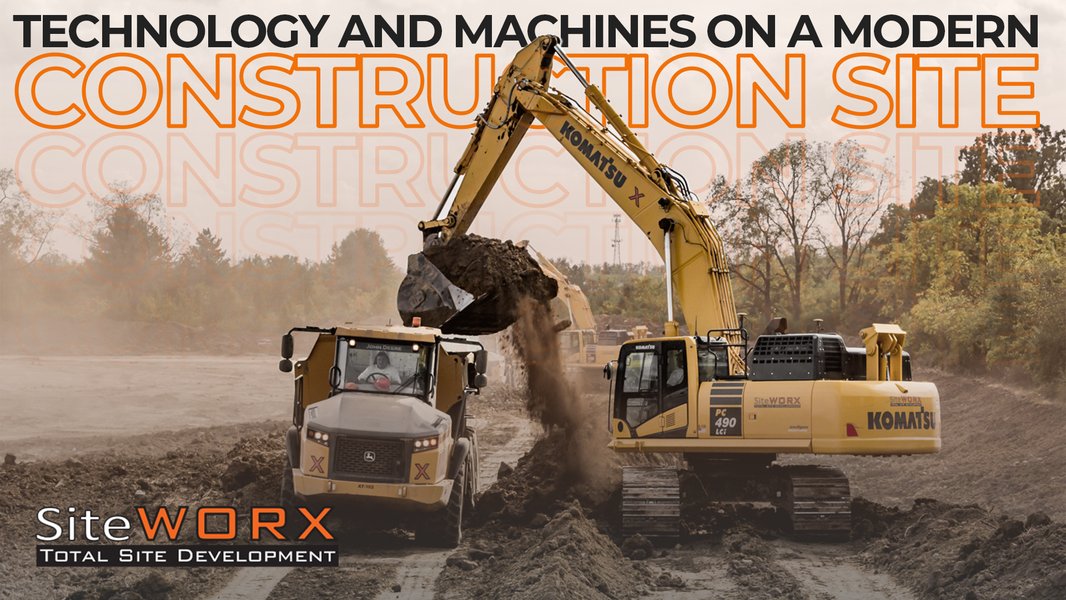
Modern construction sites integrate various technologies, highlighting the need for cohesive management.
The Shift to Platforms: Embracing Integration and Scalability
Recognizing the limitations of a fragmented tech landscape, the construction industry is increasingly moving towards integrated "platform solutions." These platforms aim to provide a single, unified system that manages multiple aspects of the construction process, from pre-construction to project closeout.
What Drives the Platform Approach?
End-to-End Integration and Centralization
Platforms break down data silos by consolidating various functions—like project management, financials (quoting, invoicing, budgeting), document control, communication, and resource management—into one system. This creates a "single source of truth," improving transparency and data consistency across the project lifecycle.
Scalability and Flexibility
Unlike rigid point solutions, platforms often offer a modular approach. Companies can start with core functionalities and add more modules as their needs evolve or as they expand their operations. This flexibility allows platforms to adapt to different project types and sizes.
Improved Efficiency and Cost Savings
By streamlining workflows and reducing the need for manual data entry or managing multiple disparate systems, platforms significantly improve operational efficiency. Consolidating software tools can also lead to lower overall subscription costs, reduced training time, and simplified vendor management.
Enhanced Collaboration and Data-Driven Insights
A centralized platform facilitates better communication and collaboration among project stakeholders. Access to unified data enables more comprehensive reporting and analytics, empowering managers to make informed decisions based on real-time insights into project performance, risks, and profitability.
Modern User Experience
Many modern platforms are cloud-based and offer mobile accessibility, ensuring that teams in the field can access and update information in real-time, further bridging the gap between the office and the job site.
Archdesk as an Example
Platforms like Archdesk exemplify this shift. They are designed specifically for the construction industry, offering a comprehensive suite of tools tailored to manage complex projects, finances, and operations within a single integrated environment. User feedback often highlights benefits like reduced administrative time, improved financial clarity, and streamlined workflows, showcasing the practical advantages of the platform approach over juggling multiple point solutions.
Visualizing the Differences: Point Solutions vs. Platform Approach
The following radar chart visually contrasts the typical characteristics of point solutions versus integrated platform solutions across several key dimensions. While point solutions might excel in niche functionality or initial cost, platforms generally offer superior integration, scalability, and long-term value, driving their increasing adoption in the construction industry.
Mapping the Construction Tech Landscape
This mindmap provides a visual overview of the key concepts discussed: the barriers slowing down technology adoption in construction, the characteristics and limitations of point solutions, and the driving forces and benefits behind the shift towards integrated platform solutions.
(Siloed Stakeholders)"] id1b["Economic Pressures
(Tight Budgets, ROI Uncertainty)"] id1c["Operational Challenges
(Integration Complexity)"] id1d["Human Factors
(Resistance to Change, Skills Gap)"] id1e["Lack of Awareness"] id2["Point Solutions Era"] id2a["Characteristics"] id2a1["Specialized Functionality"] id2a2["Lower Initial Cost"] id2a3["Faster Deployment"] id2a4["Addresses Niche Needs"] id2b["Limitations"] id2b1["Data Silos"] id2b2["Fragmented Workflows"] id2b3["Integration Difficulties"] id2b4["Increased Overhead"] id3["Shift to Platforms (e.g., Archdesk)"] id3a["Driving Forces"] id3a1["Need for Integration"] id3a2["Demand for Scalability"] id3a3["Pursuit of Efficiency"] id3a4["Data-Driven Decision Making"] id3b["Benefits"] id3b1["End-to-End Visibility"] id3b2["Centralized Data ('Single Source of Truth')"] id3b3["Streamlined Workflows"] id3b4["Improved Collaboration"] id3b5["Enhanced Reporting & Analytics"] id3b6["Potential Cost Savings (Long-Term)"]
Comparing Approaches: Point Solutions vs. Platforms
The choice between sticking with multiple point solutions or migrating to an integrated platform depends on a company's specific needs, size, and strategic goals. However, the trend towards platforms reflects a growing recognition of their advantages in managing complexity. This table summarizes the key differences:
| Feature | Point Solutions | Platform Approach |
|---|---|---|
| Scope | Addresses a single, specific task or department (e.g., scheduling only). | Covers multiple functions across the project lifecycle (e.g., scheduling, financials, documents). |
| Integration | Operates in isolation; integration with other systems is often difficult or non-existent. | Designed for integration; functions work together seamlessly within the platform. |
| Data Management | Leads to data silos; information is fragmented across different applications. | Centralizes data, providing a single source of truth and holistic project view. |
| Workflow | Can create disjointed workflows requiring users to switch between applications. | Streamlines workflows by keeping related tasks within one system. |
| Scalability | Limited scalability; adding new functions requires adding new, separate software. | Highly scalable; modules can often be added or removed as needed. |
| Implementation | Generally faster and simpler for a single tool. | Can be more complex and time-consuming initially, but offers long-term benefits. |
| Cost | Lower initial cost per solution, but costs accumulate with multiple solutions. | Higher initial cost, but potential for lower total cost of ownership and better ROI. |
| Vendor Management | Requires managing multiple vendor relationships, contracts, and support channels. | Simplifies vendor management with a single primary provider. |
Understanding the Challenges: Perspectives on Tech Adoption
Gaining value from technology in construction requires more than just purchasing software; it involves addressing the underlying challenges of implementation, integration, and cultural change. The following video discusses some of the biggest challenges and opportunities in construction tech adoption, providing valuable context on how the industry can bridge the gap and leverage technology effectively.
Discussion on overcoming challenges and maximizing value in construction technology adoption.
Frequently Asked Questions (FAQ)
What are the main reasons construction tech adoption is slow?
The primary reasons include the fragmented nature of the industry involving many separate stakeholders, tight project budgets and deadlines that discourage investment in non-essential tech, a shortage of workers skilled in using new technologies, cultural resistance to changing established methods, and the technical difficulties of integrating new tools with existing systems and equipment.
Why are 'point solutions' so common in construction?
Point solutions proliferated because they offer specialized tools that solve specific, isolated problems effectively. They often have a lower initial cost and can be implemented more quickly than comprehensive systems, making them attractive for addressing immediate needs within tight budgets. The fragmented nature of construction work also meant different teams sought tools specific to their tasks (e.g., estimating, scheduling).
What are the main benefits of moving to a 'platform solution' like Archdesk?
Platform solutions offer significant benefits, including:
- Integration: Connecting different business functions (finance, project management, documents) in one place.
- Data Centralization: Providing a single source of truth for better insights and decision-making.
- Scalability: Adapting to the company's growth and changing needs.
- Efficiency: Streamlining workflows, reducing redundant data entry, and saving time.
- Collaboration: Improving communication and information sharing among teams.
- Simplified Management: Reducing the complexity of managing multiple software vendors and tools.
Is the shift to platforms replacing point solutions entirely?
Not necessarily entirely, but the trend is strongly towards consolidation. While highly specialized point solutions might still have a place for very niche tasks, platforms are becoming the central hub. Many platforms also offer APIs or integrations, allowing best-of-breed point solutions to connect to the central system, offering a hybrid approach. However, the core functions are increasingly managed within the integrated platform environment to overcome the limitations of standalone tools.
Recommended Reading
- How can construction firms calculate the ROI of adopting new technology platforms?
- What are the key features to look for in a construction management platform?
- Strategies for managing change and encouraging technology adoption within construction teams
- Future trends in construction technology beyond platforms: AI, robotics, and IoT integration
References
Last updated May 5, 2025