
Constructivism in Educational Theory Applied to Simulation-Based Healthcare Education
Enhancing Healthcare Training through Active Learning and Real-World Simulation
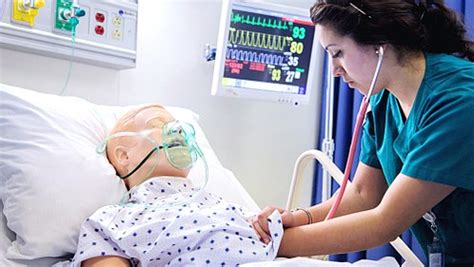
Key Takeaways
- Active Engagement: Learners actively participate in simulations, fostering deeper understanding and skill acquisition.
- Experiential Learning: Hands-on experiences in realistic scenarios bridge the gap between theory and practice.
- Collaborative Knowledge Construction: Social interactions and teamwork in simulations enhance critical thinking and communication skills.
Introduction to Constructivism in Healthcare Education
Constructivism is a prominent educational theory that emphasizes the active role of learners in constructing their own understanding and knowledge through experiences and reflections. In the context of healthcare education, constructivism is particularly influential when applied to simulation-based learning (SBL). This approach allows healthcare professionals to engage in realistic clinical scenarios, fostering critical skill development in a controlled and risk-free environment.
Key Principles of Constructivism in Simulation-Based Healthcare Education
1. Active Learning
Constructivism posits that learners are not passive recipients of information but active participants in their learning process. In simulation-based healthcare education, this translates to learners engaging directly with simulation environments, making real-time decisions, and experiencing the consequences of their actions. This active involvement enhances retention and understanding of complex medical concepts.
2. Experiential Learning
Experiential learning is a cornerstone of constructivist theory. Simulation-based education provides hands-on experiences that mirror real-world clinical scenarios. By interacting with high-fidelity mannequins, virtual reality systems, and standardized patients, learners can apply theoretical knowledge in practical settings, thereby reinforcing their clinical skills and decision-making abilities.
3. Social Interaction and Collaboration
Constructivism emphasizes the importance of social interactions in the learning process. In healthcare simulations, interprofessional teams comprising doctors, nurses, pharmacists, and other healthcare professionals collaborate to manage complex patient cases. This teamwork fosters communication skills, mutual respect, and a deeper understanding of each profession's roles and responsibilities within a clinical setting.
4. Reflection and Metacognition
Reflection is integral to the constructivist approach, enabling learners to analyze their actions and decisions during simulations. Structured debriefing sessions allow learners to reflect on their performance, identify strengths and weaknesses, and integrate lessons learned into their future practice. This reflective process promotes continuous improvement and lifelong learning.
5. Contextual and Authentic Learning Environments
Constructivism values learning within authentic contexts that are relevant to the learner's future professional practice. Simulation-based education replicates real-life clinical environments, presenting learners with realistic challenges and scenarios. This contextual learning ensures that the skills and knowledge acquired are directly applicable to clinical practice.
Applied Examples of Constructivism in Simulation-Based Healthcare Education
1. High-Fidelity Patient Simulations
High-fidelity simulations use advanced manikins that can mimic human physiological responses, providing a lifelike clinical environment. For example, a simulation involving a patient with acute respiratory distress allows learners to diagnose and manage the condition in real-time. This hands-on experience enhances clinical competence and confidence.
2. Team-Based Simulations
Interprofessional team simulations bring together learners from different healthcare disciplines to collaborate on patient care scenarios. For instance, managing a simulated cardiac arrest requires effective communication, role delegation, and coordinated efforts among team members. Such simulations strengthen teamwork and interprofessional collaboration skills essential for real-world healthcare settings.
3. Virtual Reality (VR) Simulations
VR simulations create immersive environments where learners can practice procedures like laparoscopic surgery or emergency interventions. The immersive nature of VR encourages active engagement and allows for repeated practice without the constraints of physical resources, thereby enhancing technical skills and procedural knowledge.
4. Crisis Resource Management Scenarios
Crisis Resource Management (CRM) simulations focus on managing high-stress, emergency situations such as cardiac arrests or mass casualty incidents. Learners must apply ACLS protocols, assign roles under pressure, and communicate effectively, thereby developing leadership and crisis management skills through experiential learning.
5. Communication Skill Development with Standardized Patients
Using actors as standardized patients, simulations can focus on developing communication skills, such as delivering bad news or obtaining informed consent. These scenarios help learners practice maintaining empathy while effectively conveying complex medical information, thereby improving their bedside manner and patient interactions.
6. Procedural Skills Training
Simulation models allow learners to practice medical procedures, such as inserting IV lines or performing sutures, in a controlled environment. Progressive complexity in these simulations ensures that learners build on their basic skills, enhancing proficiency and reducing the likelihood of errors in actual clinical practice.
Benefits of Constructivist Simulation-Based Healthcare Education
| Benefit | Description |
|---|---|
| Enhanced Critical Thinking | Simulations require learners to analyze complex scenarios, make informed decisions, and adapt to evolving situations, thereby sharpening their critical thinking skills. |
| Improved Clinical Competence | Hands-on practice in realistic settings builds proficiency in clinical skills, increasing learners' confidence and preparedness for real-world patient care. |
| Interprofessional Collaboration | Team-based simulations foster effective communication and teamwork among different healthcare professionals, essential for coordinated patient care. |
| Safe Learning Environment | Simulations provide a risk-free setting where learners can experiment, make mistakes, and learn from them without compromising patient safety. |
| Immediate Feedback | Structured debriefing and feedback sessions allow learners to receive timely insights into their performance, facilitating continuous improvement. |
| Contextual Learning | Authentic clinical scenarios ensure that the knowledge and skills acquired are directly applicable to real-world healthcare settings. |
| Adaptability and Flexibility | Exposure to a variety of scenarios helps learners develop the ability to adapt to different patient needs and clinical situations. |
Challenges in Implementing Constructivist Simulation-Based Education
1. Resource Intensiveness
High-fidelity simulations require substantial investment in technology, specialized equipment, and trained facilitators. The cost and maintenance of simulation centers can be a barrier for some educational institutions.
2. Time Consumption
Designing and implementing effective simulation scenarios is labor-intensive and time-consuming. Coordinating schedules, preparing simulation materials, and conducting debriefing sessions demand significant time from both educators and learners.
3. Assessment Complexity
Evaluating learner performance in simulations requires robust assessment tools and trained evaluators. Developing standardized metrics to measure competencies and providing meaningful feedback can be challenging.
4. Ensuring Realism
Maintaining high levels of realism in simulations is crucial for effective learning. Any discrepancies between the simulation and real-world scenarios can hinder the transfer of skills and knowledge to actual clinical practice.
5. Facilitator Expertise
Effective simulation-based education depends on skilled facilitators who can guide learners through scenarios and debriefing sessions. Providing adequate training for facilitators is essential but can be resource-intensive.
Practical Implementation Strategies
1. Scaffolded Learning
Design simulations that progressively increase in complexity, allowing learners to build on their existing knowledge and skills. Scaffolded learning ensures that learners are neither overwhelmed nor under-challenged, facilitating effective knowledge construction.
2. Integration with Curriculum
Ensure that simulation-based activities are seamlessly integrated into the overall curriculum. Aligning simulations with learning objectives and theoretical content enhances their relevance and effectiveness.
3. Interprofessional Education
Promote collaboration among different healthcare disciplines by designing interprofessional simulations. Exposure to diverse professional perspectives enhances team-based skills and understanding of interdisciplinary roles.
4. Use of Technology
Leverage advanced technologies such as VR, augmented reality (AR), and high-fidelity mannequins to create immersive and realistic simulation environments. Technology can enhance the fidelity and effectiveness of simulations.
5. Continuous Evaluation and Improvement
Regularly assess the effectiveness of simulation-based education through feedback from learners and facilitators. Use this feedback to refine simulation scenarios, improve debriefing techniques, and enhance overall educational outcomes.
Conclusion
Constructivism provides a robust theoretical framework for simulation-based healthcare education, emphasizing active learning, experiential engagement, and collaborative knowledge construction. By incorporating realistic simulations, fostering interprofessional collaboration, and encouraging reflective practice, constructivist approaches significantly enhance the training and preparedness of healthcare professionals. Despite challenges such as resource intensiveness and the need for skilled facilitators, the benefits of improved clinical competence, critical thinking, and safe learning environments make constructivist simulation-based education an invaluable component of modern healthcare training programs.
References
Last updated January 19, 2025