
Unlock 10x Growth: Crafting Sharpshooting Content Engines for MarTech, EdTech & Lifestyle Startups
Your tailored guide to building high-impact inbound strategies that deliver exponential visibility and growth in 2025.
As a content strategist specializing in MarTech, EdTech, and Lifestyle startups, you understand the power of a precisely targeted content engine. Achieving 10x inbound growth and visibility requires more than just content creation; it demands a strategic, multi-faceted approach tailored to the unique dynamics of each sector. This guide synthesizes proven tactics and forward-looking insights to help you build those high-performance engines.
Essential Insights for Exponential Growth
- Deep Audience Resonance: Success hinges on moving beyond demographics to truly understand the pain points, aspirations, and content consumption habits specific to MarTech professionals, educators/administrators, and lifestyle consumers.
- Data-Fueled Optimization: Leverage analytics not just for reporting, but as a continuous feedback loop to refine targeting, optimize content formats, and prove ROI across the entire customer journey.
- Integrated Channel Strategy: Amplify impact by seamlessly blending SEO, targeted social media engagement, value-driven email nurturing, strategic partnerships, and potentially paid promotion into a cohesive inbound flywheel.
Foundational Pillars for Any High-Growth Content Strategy
Regardless of the specific vertical, certain principles form the bedrock of a content engine designed for exponential growth. Mastering these fundamentals is the first step towards achieving 10x visibility.
1. Unwavering Audience-Centricity
Know Thy Audience (Deeply)
Go beyond basic personas. Conduct interviews, run surveys, analyze customer support tickets, and utilize social listening tools. Understand not just *who* they are, but *what* challenges they face daily, *what* solutions they're actively seeking, *where* they seek information, and *what* language resonates with them. This deep empathy fuels content that truly connects.
2. Deliver Unmistakable Value
Content as a Solution Provider
Every piece of content should offer tangible value. Focus on creating authoritative, long-form assets (pillar pages, ultimate guides, original research), actionable how-to guides, insightful case studies demonstrating real results, and potentially interactive tools or calculators. Prioritize quality and depth over sheer volume, establishing the startup as a trusted resource.
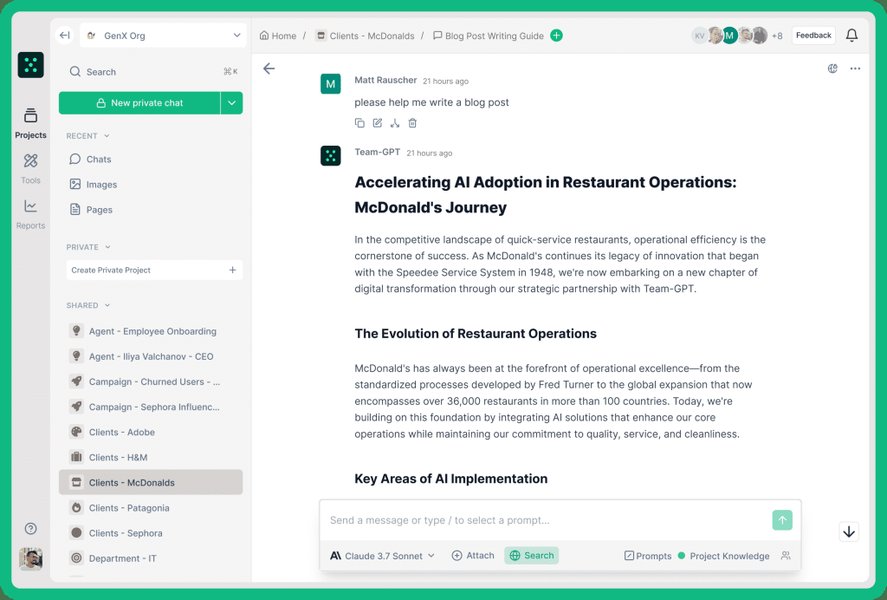
Effective content strategy involves collaborative team effort focused on delivering value.
3. Data-Driven Decision Making
Measure What Matters
Implement robust analytics from day one. Track key performance indicators (KPIs) beyond vanity metrics. Focus on organic traffic growth, keyword rankings for high-intent terms, lead quality, conversion rates (e.g., demo requests, trial sign-ups, purchases), content engagement rates, and ultimately, content contribution to revenue (ROI). Use this data to double down on successful strategies and pivot away from underperforming ones.
4. Strategic SEO Foundations
Optimize for Discovery and Intent
Combine thorough keyword research with an understanding of searcher intent. Target keywords across the entire buyer journey, from informational queries ("what is...") to comparison ("X vs. Y") and transactional ("best tool for...") searches. Optimize on-page elements, build high-quality backlinks, and structure content using topic clusters around core pillar pages to build topical authority.
5. Integrated Multi-Channel Distribution
Amplify Your Reach
Don't just publish and pray. Develop a distribution plan that leverages owned channels (website, blog, email list), earned channels (PR, guest posting, social shares), and potentially paid channels (social ads, SEM). Tailor content formats for different platforms (e.g., video snippets for social, detailed guides for the blog) and ensure a consistent message across all touchpoints.
Tailoring Strategies: MarTech, EdTech & Lifestyle
While the core principles apply universally, achieving 10x growth requires tailoring your content engine to the specific nuances, audience expectations, and market dynamics of each sector.
MarTech Startups: Building Authority, Demonstrating ROI, and Driving Velocity
The MarTech space is crowded and complex. Content must educate sophisticated buyers, clearly demonstrate value and ROI, and keep pace with rapid innovation.
Focus on Technical Depth and Use Cases
MarTech buyers need details. Create in-depth tutorials, product walkthroughs, integration guides, and comparative analyses. Explain *how* the technology works and *how* it solves specific marketing challenges better than alternatives. Content should showcase technical expertise and practical application.
Prove the Value Proposition with Data
Emphasize measurable results. Develop compelling case studies featuring real customer success stories, quantifying the impact (e.g., % increase in leads, % reduction in CAC, % improvement in conversion rates). Whitepapers and reports should be backed by data and demonstrate clear ROI.
Leverage AI and Automation Strategically
MarTech audiences appreciate efficiency. Use AI tools thoughtfully for content ideation, optimization (SEO), and even generation assistance for certain formats (e.g., social posts, email drafts), freeing up resources for high-value strategic content. Highlight how the startup's own tech leverages AI or automation if applicable.
Dominate Relevant B2B Channels
Focus distribution efforts where MarTech professionals congregate. LinkedIn is crucial for thought leadership, discussions, and targeted outreach. Industry newsletters, niche communities, tech review sites (like G2, Capterra), and relevant podcasts are also key channels.
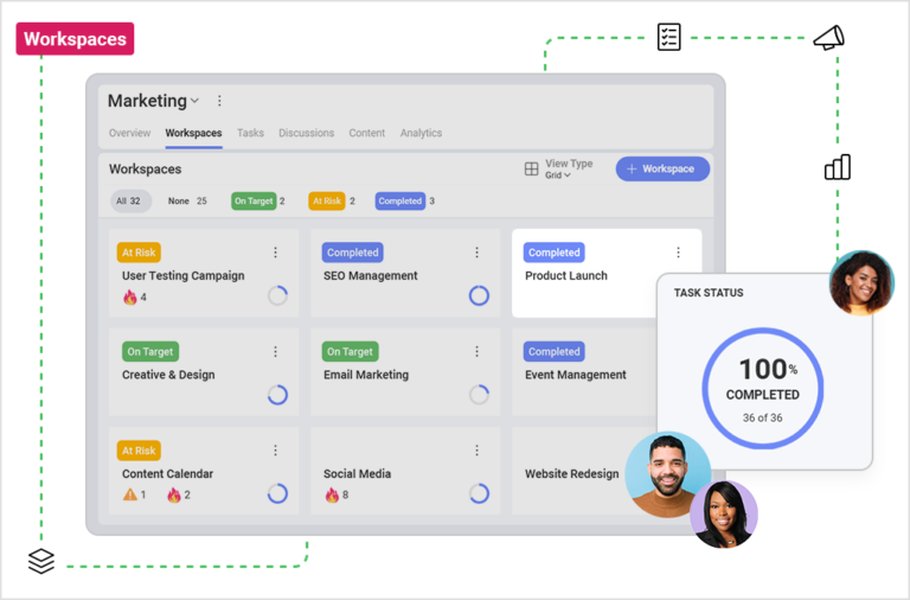
MarTech strategies often involve showcasing efficiency and task completion through data and clear dashboards.
EdTech Startups: Fostering Trust, Demonstrating Impact, and Engaging Educators
The EdTech market requires building trust with educators, administrators, and institutions. Content must address pedagogical needs, showcase ease of use, and demonstrate positive learning outcomes.
Inbound Marketing as the Core Engine
Educators actively research solutions. Focus heavily on inbound marketing – creating valuable resources that educators and administrators are searching for. This includes lesson plans, implementation guides, articles on educational trends, and resources addressing specific challenges like student engagement or technology integration.
Establish Thought Leadership and Credibility
Position the startup as a leader in educational innovation. Publish research findings, host webinars with educational experts, contribute articles to respected education publications, and speak at industry conferences. Content should demonstrate a deep understanding of pedagogy and the education landscape.
Address Specific Pain Points and Roles
Tailor content to different roles within the education system (teachers, principals, district IT, curriculum developers). Address their unique challenges and how the EdTech solution provides a specific benefit (e.g., saving teachers time, improving student outcomes, simplifying administration).
Build Community and Support Retention
Foster a sense of community among users. Create user forums, host regular Q&A sessions, develop comprehensive onboarding materials and tutorials, and showcase success stories from other educators or institutions. Content should support users long after the initial adoption.
Lifestyle Startups: Cultivating Connection, Inspiring Aspirations, and Building Tribes
Lifestyle brands sell more than a product; they sell an identity, an aspiration, a feeling. Content must create emotional connections, foster community, and authentically reflect the brand's ethos.
Master Authentic Storytelling
Connect on an emotional level. Share the brand's origin story, highlight customer journeys and transformations, showcase the values behind the brand, and use relatable narratives. Authenticity is paramount; avoid overly polished or corporate messaging.
Prioritize Visual and Engaging Formats
Lifestyle is often visual. Invest heavily in high-quality imagery and video content. Utilize platforms like Instagram, Pinterest, TikTok, and YouTube effectively. Think short-form videos, inspiring visuals, user-generated content campaigns, behind-the-scenes glimpses, and interactive content like quizzes or polls.
Build and Nurture a Community
Create a sense of belonging. Encourage user-generated content (UGC), run contests and challenges, foster discussions in social media groups or forums, and respond actively to comments and messages. Make customers feel like part of an exclusive tribe.
Align Content with Audience Values and Aspirations
Understand the lifestyle your audience aspires to and align content accordingly. This might involve wellness tips, travel inspiration, creative tutorials, sustainability advice, or cultural commentary, depending on the brand's niche. Content should inspire and enable the desired lifestyle.
Visualizing Strategic Priorities Across Sectors
Different sectors require emphasizing different strategic pillars. This radar chart illustrates the relative importance of key content strategy elements for MarTech, EdTech, and Lifestyle startups, based on typical market demands and audience expectations. A higher score indicates greater emphasis needed for that pillar within the sector.
Interpretation: MarTech heavily relies on Data-Driven Insights and Technical Authority. EdTech prioritizes SEO and Thought Leadership, with strong Community Building. Lifestyle excels through Storytelling & Emotion and Community Building, with less emphasis on deep Technical Authority.
Mapping the Sharpshooting Content Engine
A successful content engine isn't just a collection of tactics; it's an interconnected system. This mindmap visualizes the core components and how they branch out into sector-specific actions, driving towards the goal of 10x growth.
for 10x Growth"] id1["Foundational Pillars"] id1a["Audience Deep Dive
(Personas, Pain Points, Journey)"] id1b["Data & Analytics
(KPIs, ROI, Optimization Loop)"] id1c["SEO Strategy
(Keywords, Intent, Clusters)"] id1d["Multi-Channel Distribution
(Owned, Earned, Paid)"] id1e["High-Value Content Creation
(Quality, Relevance, Formats)"] id2["MarTech Focus"] id2a["Demonstrate ROI
(Case Studies, Data)"] id2b["Build Technical Authority
(Guides, Tutorials, Comparisons)"] id2c["Leverage AI & Automation
(Efficiency, Personalization)"] id2d["Target B2B Channels
(LinkedIn, Tech Reviews, Niche Media)"] id2e["Focus on Lead Quality & Sales Enablement"] id3["EdTech Focus"] id3a["Build Trust & Credibility
(Testimonials, Expert Content)"] id3b["Solve Educator/Admin Problems
(Implementation Guides, Best Practices)"] id3c["Establish Thought Leadership
(Trends, Research, Webinars)"] id3d["Foster Community & Retention
(Forums, Onboarding, Support)"] id3e["Address Learning Outcomes & Impact"] id4["Lifestyle Focus"] id4a["Master Authentic Storytelling
(Brand Values, User Journeys)"] id4b["Dominate Visual Platforms
(Instagram, TikTok, Pinterest, YouTube)"] id4c["Cultivate Community & UGC
(Challenges, Conversations, Belonging)"] id4d["Align with Aspirations & Values
(Inspiration, How-Tos, Culture)"] id4e["Focus on Brand Affinity & Loyalty"] id5["Growth Acceleration Tactics"] id5a["Content Velocity & Scalability
(AI Assist, Repurposing)"] id5b["Pillar Pages & Topic Clusters
(Boost SEO Authority)"] id5c["Integrated Campaign Flywheel
(Compounding Returns)"] id5d["Strategic Partnerships & Collaborations
(Expand Reach)"] id5e["Conversion Rate Optimization (CRO)
across Funnel"]
This map illustrates how foundational elements support sector-specific strategies, all driving towards accelerated growth through advanced tactics like building topic clusters and leveraging integrated campaigns.
Content Strategy in Action: B2B SaaS Example
Understanding theoretical frameworks is essential, but seeing practical application can provide valuable insights, especially for MarTech which often overlaps with B2B SaaS models. This video discusses a B2B SaaS content marketing framework relevant for 2025.
Why this is relevant: Rob Walling's framework for B2B SaaS content marketing directly applies to many MarTech startups. His focus on pragmatic strategies, audience understanding, and building sustainable content engines offers actionable ideas for driving inbound growth in competitive B2B environments, aligning well with the challenges faced by MarTech companies.
Sector-Specific Tactics at a Glance
To help you prioritize efforts, this table summarizes key objectives, recommended content formats, primary distribution channels, and crucial metrics for each startup sector.
| Sector | Key Objective | Recommended Content Formats | Primary Channels | Key Metrics (KPIs) |
|---|---|---|---|---|
| MarTech | Establish authority, generate qualified leads, prove ROI | Case Studies, Whitepapers, Webinars, Product Demos, Comparison Guides, Technical Blog Posts, ROI Calculators | LinkedIn, Tech Review Sites (G2, Capterra), Industry Blogs/Publications, SEO, Targeted Paid Ads | Lead Quality (MQLs/SQLs), Demo Requests, Trial Sign-ups, Conversion Rate, Customer Acquisition Cost (CAC), Content ROI |
| EdTech | Build trust, support educators/admins, demonstrate learning impact, drive adoption | Blog Posts (How-Tos, Trends), Downloadable Resources (Lesson Plans, Checklists), Webinars, Case Studies (Schools/Districts), Video Tutorials, User Guides | SEO, Education Blogs/Journals, LinkedIn, Teacher Communities (online/offline), Conferences, Email Marketing | Organic Traffic, Resource Downloads, Webinar Attendance, Free Trial/Pilot Sign-ups, User Engagement/Retention, Teacher/Admin Feedback |
| Lifestyle | Build community, foster brand loyalty, drive engagement, inspire purchase | High-Quality Visuals (Photo/Video), Blog Posts (Inspiration, Tips), User-Generated Content (UGC), Social Media Stories/Reels, Contests/Challenges, Podcasts, Email Newsletters | Instagram, TikTok, Pinterest, YouTube, Facebook Groups, Email Marketing, Influencer Collaborations, SEO | Social Media Engagement Rate, UGC Volume, Community Growth, Website Traffic, Conversion Rate (Purchases), Brand Mentions, Customer Lifetime Value (CLTV) |
Advanced Strategies for Amplifying Growth
Moving beyond the basics, these tactics can help significantly accelerate inbound growth towards the 10x goal.
Content Pillars and Topic Clusters
Dominate Your Niche
Instead of scattered blog posts, build comprehensive "pillar pages" covering broad core topics central to your startup's expertise (e.g., "The Ultimate Guide to Marketing Automation" for MarTech). Support these pillars with numerous "cluster" articles that delve into specific sub-topics, all linking back to the main pillar. This structure signals topical authority to search engines, significantly boosting organic visibility for your key subject areas.
Leveraging AI & Automation Intelligently
Scale Smartly
Use AI tools strategically to enhance, not just replace, human effort. Applications include:
- Ideation: Generating topic ideas based on trends and keyword gaps.
- Research Assistance: Quickly summarizing information or finding data points.
- Drafting & Outlining: Creating initial drafts for social posts, emails, or article sections.
- Optimization: Analyzing content for SEO improvements or readability.
- Personalization: Tailoring email campaigns or website content based on user behavior.

Structuring your content team effectively is key to scaling production and maintaining quality.
Content Repurposing and Velocity
Maximize Asset Value
Don't let great content die after one use. Develop a system for repurposing core assets into multiple formats. A webinar can become blog posts, video clips, podcast episodes, social media updates, and an infographic. This maximizes the reach and lifespan of your best content, maintaining consistent output (velocity) without constant reinvention.
Building an Inbound Growth Flywheel
Create Compounding Momentum
View your efforts not as a linear funnel, but as a flywheel. Attract strangers with valuable content (SEO, Social). Engage prospects with educational resources (Blog, Guides, Webinars). Delight customers with excellent support and community (Onboarding, Success Stories, Forums). Happy customers become advocates, referring new business and adding energy back into the "Attract" phase, creating a self-sustaining cycle of growth.
Frequently Asked Questions (FAQ)
How do I measure the ROI of content marketing for startups?
Measuring content ROI involves tracking the revenue generated from leads originating from content against the cost of producing and promoting that content. Key steps include:
- Tracking Conversions: Use analytics tools (like Google Analytics with goal tracking) and CRM software to track leads generated through content (e.g., form submissions on blog posts, downloads of gated assets).
- Lead Nurturing & Attribution: Follow leads through the sales pipeline to see which ones convert into customers. Use multi-touch attribution models if possible to understand content's influence at different stages.
- Calculating Customer Value: Determine the average Customer Lifetime Value (CLTV).
- Calculating Content Costs: Include costs for writers, designers, tools, promotion, and time.
- Formula (Simplified): (Revenue from Content Leads - Content Costs) / Content Costs. Focus initially on tracking lead generation and quality as direct revenue attribution can take time.
What's the role of AI in content strategy for 2025 and beyond?
AI is becoming an indispensable assistant, not a replacement for strategy. Its role includes:
- Efficiency & Scale: Automating repetitive tasks like generating outlines, summarizing research, optimizing for SEO keywords, and drafting initial versions of emails or social posts.
- Personalization: Analyzing user data to deliver more personalized content experiences at scale.
- Insight Generation: Identifying content gaps, predicting trending topics, and analyzing content performance data more effectively.
- Content Enhancement: Improving grammar, style, and readability; suggesting alternative phrasing.
The key is to use AI to augment human creativity, strategic thinking, and audience empathy, not replace them entirely. Quality control and strategic direction remain crucial.
How can I balance producing high-quality content with the need for consistent output (velocity)?
Balancing quality and velocity requires planning and smart processes:
- Content Calendar: Plan content themes and specific pieces well in advance.
- Content Pillars & Clusters: Focus deep dives on pillar content, then create faster cluster pieces around it.
- Repurposing: Maximize the value of each core content asset by turning it into multiple formats (see Advanced Strategies).
- Templates & Processes: Standardize workflows for briefs, outlines, reviews, and publication.
- Strategic Use of AI: Use AI tools to accelerate drafting and optimization for less complex pieces.
- Batching Tasks: Dedicate blocks of time to specific tasks like writing, editing, or promotion.
- Prioritization: Focus resources on content most likely to impact key business goals. Not every piece needs to be an epic guide.
How important is community building for B2B (MarTech/EdTech) vs. B2C (Lifestyle) startups?
Community building is crucial for all, but manifests differently:
- Lifestyle (B2C): Often central to the brand identity. Focuses on shared interests, values, and aspirations, fostering loyalty and UGC (e.g., Facebook groups, Instagram engagement, challenges).
- EdTech (B2B/B2C): Very important for user support, sharing best practices, feedback collection, and retention. Focuses on professional development and peer-to-peer support (e.g., user forums, webinars, educator networks).
- MarTech (B2B): Increasingly important for building loyalty, gathering product feedback, fostering advocacy, and thought leadership. Focuses on professional networking, problem-solving, and sharing expertise (e.g., LinkedIn groups, user conferences, Slack communities, expert Q&As).
While the *feel* might differ, fostering a sense of belonging and shared purpose benefits all types of startups through increased retention, valuable feedback, and organic advocacy.
Which channels should I prioritize for each startup type?
Prioritization depends on where the target audience spends their time:
- MarTech: Prioritize LinkedIn (thought leadership, networking), SEO (high-intent search), Industry Blogs/Publications (credibility), and potentially targeted communities or tech review sites. Email marketing is vital for nurturing.
- EdTech: Prioritize SEO (educators research online), Education-focused Blogs/Communities, LinkedIn (for reaching administrators/decision-makers), and relevant social platforms where educators gather (Pinterest, sometimes Twitter/X, specific Facebook groups). Email marketing is key for engagement.
- Lifestyle: Prioritize highly Visual Social Platforms (Instagram, TikTok, Pinterest, YouTube), SEO (for relevant lifestyle queries), Email Marketing (for community nurturing and promotions), and potentially influencer collaborations.
Always start by researching *your specific audience's* preferred channels rather than relying solely on general sector guidelines.
Recommended Next Steps
- Explore methods for creating highly detailed buyer personas specific to MarTech professionals.
- Learn advanced SEO strategies involving topic clusters tailored for the EdTech industry.
- Discover ways to measure the tangible impact of community building activities on Lifestyle brand growth metrics.
- Find practical guides on integrating AI tools effectively into a startup's content creation workflow.
References
Last updated May 4, 2025