
Essential Elements a Control Center Must Remember to Step Through a Program
Understanding the Core Components for Effective Program Execution
Key Takeaways
- Program Counter and Instruction Register: Fundamental for tracking and executing instructions sequentially.
- Register and Memory State Management: Critical for maintaining data integrity and program flow.
- Control Signals and Execution Context: Ensure accurate execution and handling of program operations.
Introduction
Stepping through a program requires meticulous management of various components within a control center, typically the CPU. This process ensures that each instruction is executed accurately and in the correct sequence. Understanding the elements that the control center must remember is crucial for effective program execution and debugging.
Core Components for Stepping Through a Program
Program Counter (PC) and Instruction Pointer (IP)
The Program Counter (also known as the Instruction Pointer) is a vital register that holds the address of the next instruction to be executed. As the program progresses, the PC is incremented to point to subsequent instructions, ensuring the sequential flow of execution.
Instruction Register (IR)
The Instruction Register temporarily holds the current instruction fetched from memory. It holds the opcode and operands until the instruction is decoded and executed, allowing the control center to process instructions accurately.
Registers and Memory State
Registers are small, fast storage locations within the CPU that hold data temporarily during program execution. Maintaining the state of these registers is essential as they may be used or modified by instructions. Additionally, managing the overall memory state ensures that data is correctly read from and written to memory locations.
General-Purpose Registers
These registers are used for a variety of functions, including arithmetic operations, data storage, and addressing.
Special-Purpose Registers
Includes the stack pointer and status registers, which hold flags that influence program flow, such as zero, carry, and overflow indicators.
Status and Condition Codes
Status registers hold condition codes or flags set by previous operations. These flags, such as zero, carry, sign, and overflow, are critical for making decisions during program execution, especially in conditional branches and loops.
Control Signals and Execution Context
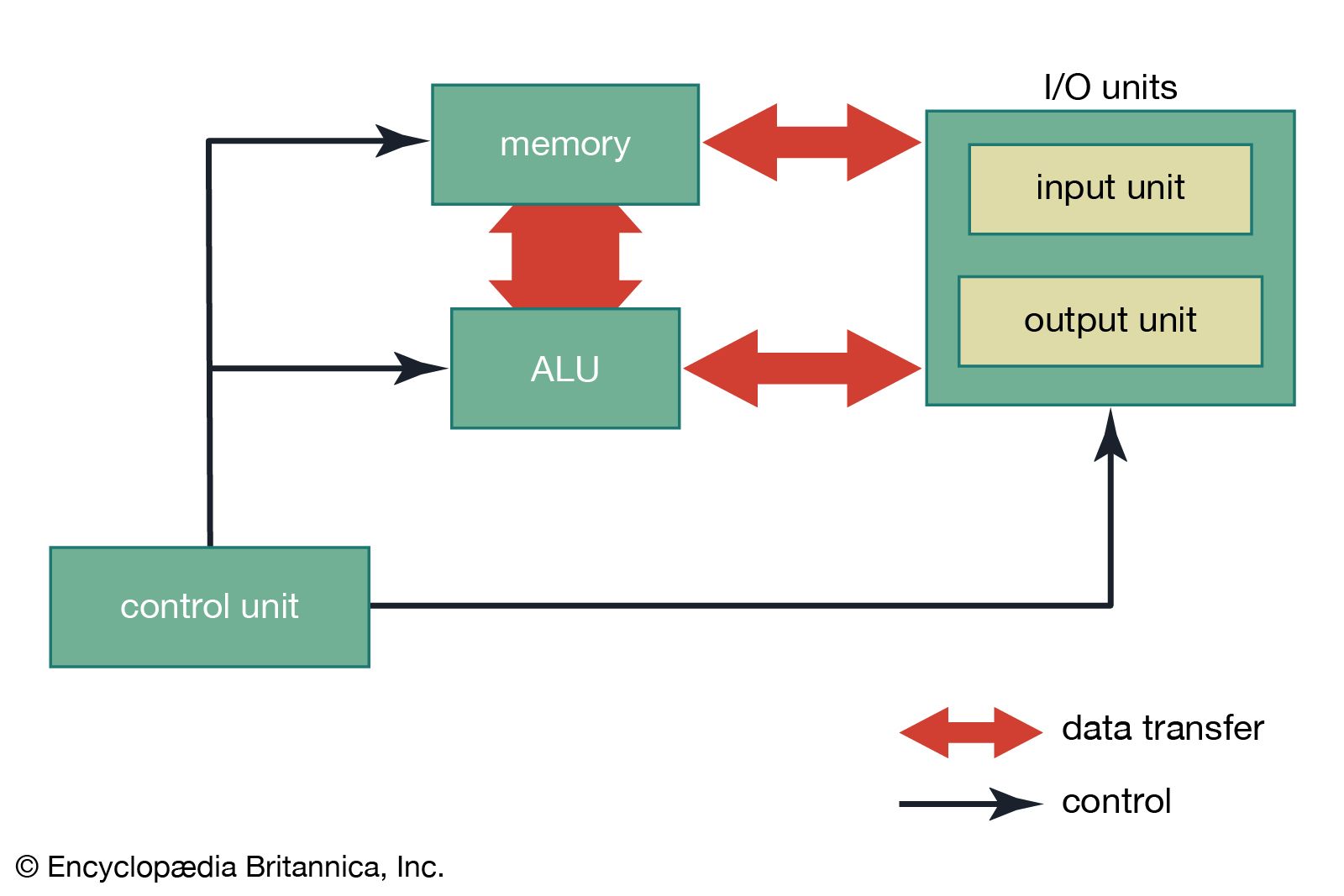
Control signals orchestrate the various operations within the CPU, ensuring that data moves correctly between registers, memory, and the arithmetic logic unit (ALU). The execution context includes the current mode of operation (e.g., user mode vs. kernel mode), interrupt status, and the state of any co-processors or specialized hardware units.
Breakpoints and Watchpoints
For debugging purposes, the control center must remember the locations of any breakpoints or watchpoints. These markers allow the program to pause execution at specific points or when certain conditions are met, facilitating detailed analysis and debugging.
Memory Address Register (MAR) and Memory Data Register (MDR)
The MAR holds the address of the memory location to be accessed, while the MDR holds the data read from or to be written to that location. Managing these registers is essential for accurate memory operations during program execution.
Instruction Execution Cycle
The process of stepping through a program involves a systematic cycle of fetching, decoding, and executing instructions. This cycle ensures that each instruction is processed accurately and in the correct order.
Fetch
The control center retrieves the instruction from memory using the address stored in the Program Counter. The fetched instruction is then loaded into the Instruction Register.
Decode
The instruction in the Instruction Register is decoded to determine the operation to be performed and the operands involved. This step translates the binary instruction into signals that control the CPU's operations.
Execute
The decoded instruction is executed by the ALU or other relevant components. This may involve arithmetic operations, data movement, or controlling program flow based on condition codes.
Handling Control Flow Changes
Managing control flow changes, such as conditional branches and loops, requires the control center to evaluate conditions and adjust the Program Counter accordingly.
Conditional Branches
Conditional branches rely on the evaluation of condition codes to determine whether to jump to a different part of the program. The control center must accurately assess these conditions to maintain correct program flow.
Loop Control
Loops require the control center to manage loop counters and conditions, ensuring that iterations occur the correct number of times and that the Program Counter is updated to continue or exit the loop appropriately.
Exception and Interrupt Handling
During program execution, exceptions and interrupts may occur, requiring the control center to temporarily halt the current process, handle the event, and then resume normal operation.
Exception Handling
Exceptions are unexpected events, such as division by zero or invalid memory access, that disrupt normal program flow. The control center must detect these exceptions and execute appropriate handlers to manage them.
Interrupt Handling
Interrupts are signals from hardware or software that request attention. The control center must prioritize and handle these interrupts, ensuring that critical tasks are addressed promptly.
Advanced Features for Program Stepping
Pipeline Management
In pipelined architectures, multiple instructions are processed simultaneously at different stages. The control center must manage the state of each pipeline stage to maintain efficient execution and handle any hazards that may arise.
Instruction Pipeline Stages
| Pipeline Stage | Description |
|---|---|
| Fetch | Retrieve the instruction from memory. |
| Decode | Interpret the instruction and prepare necessary data. |
| Execute | Perform the operation specified by the instruction. |
| Memory Access | Read from or write to memory if required. |
| Write Back | Write the result back to the register file. |
Microinstruction Control
Some architectures use microinstructions to control the execution of machine-level instructions. Managing a sequence of microinstructions requires maintaining a microinstruction counter and ensuring that each microoperation is executed in the correct order.
Debugging and Execution History
Breakpoints and Watchpoints
Setting breakpoints allows the control center to pause execution at specific instructions, facilitating in-depth analysis. Watchpoints monitor the value of variables or memory locations, pausing execution when changes occur.
Execution History
Maintaining a history of executed instructions and state changes enables features like stepping backward and provides context for debugging. This history is crucial for understanding the program's behavior over time.
Conclusion
Stepping through a program is a complex process that requires the control center to manage a variety of components and states meticulously. By maintaining accurate records of the Program Counter, Instruction Register, various registers, memory state, and handling control signals and execution contexts, the control center ensures that each instruction is executed correctly and efficiently. Additionally, advanced features like pipeline management, exception handling, and debugging tools further enhance the ability to step through and analyze program execution, ensuring robust and reliable software performance.
References
Last updated February 14, 2025