
Method Statement for Controlled Flame-Cutting in Pipe Piling
A detailed plan to ensure environmental compliance and mitigate ecological risks
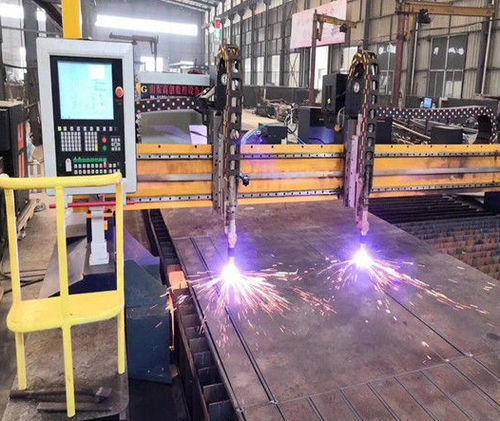
Key Takeaways
- Controlled Operations: Flame-cutting is executed under stringent control measures to ensure the flame remains confined and does not qualify as an “open fire” as prohibited by the EP.
- Risk Mitigation and Compliance: Comprehensive risk assessments, continuous monitoring, and tailored safety protocols are implemented to align with the ecological concerns stated in the Environmental Permit.
- Transparent Documentation: Detailed documentation, including pre- and post-operation procedures, environmental monitoring records, and communication with regulatory authorities, supports full compliance with EP conditions.
Introduction
Purpose and Scope
This method statement is developed to address the Resident Engineer’s concerns regarding the flame-cutting activities conducted for pipe piling in conflict with an Environmental Permit (EP). Although the EP prohibits open fires to safeguard ecological conditions, the flame-cutting process for pipe piling is a specialized technique that does not fall under the traditional definition of an open fire. This document outlines the justification for the use of flame cutting in this context, the controls established to mitigate any potential ecological impact, and the compliance measures implemented to honor the EP conditions.
Objectives
The primary objectives of this method statement are:
- To clarify the technical necessity of using flame cutting for pipe piling activities.
- To outline the comprehensive risk assessments, safety measures, and control procedures to ensure that flame-cutting does not contravene the Environmental Permit’s prohibition on open fire.
- To demonstrate the commitment to environmental protection and compliance through continuous monitoring, transparent documentation, and proactive communication with relevant stakeholders.
Understanding the Environmental Permit (EP) Conditions
EP Ecological Concerns and Open Fire Prohibition
The Environmental Permit includes a specific provision that prohibits the establishment of open fire in areas sensitive to ecological impacts. This prohibition is intended to mitigate risks such as unintended wildfire ignition, air pollution, and potential harm to local flora and fauna. It is essential to understand that flame-cutting, although using a flame, is fundamentally different from a typical open fire event. The process is highly controlled and is executed only within a confined area of operation directly related to the technical requirements of pipe piling.
Differentiating Flame-Cutting from Open Fire
The flame-cutting method described herein is categorized as a precision fabrication tool rather than an uncontrolled open fire. Key differences include:
- Precision and Localization: Flame cutting is performed in a limited area, tightly focused on the specific section of the pipe piling that requires cutting. This is not a free-form or open flame scenario but a directed technical operation.
- Controlled Environment: Stringent controls, including physical barriers, specifically designed equipment, and operational procedures, ensure the flame does not extend beyond the designated working area.
- Emission and Heat Management: Advanced tools and fuel management practices are in place to minimize smoke, heat dispersion, and any adverse environmental impact.
Technical Justification for Flame-Cutting in Pipe Piling
Industry Standard Practices
Flame cutting is recognized as a standard procedure in steel fabrication and structural interventions, particularly in the context of pipe piling. Its effectiveness in delivering precision cuts, reducing overall operation time, and ensuring structural integrity underpins its continued use. This method follows established industry guidelines and is viable for rapid execution in construction projects with time-sensitive operations.
Necessity and Efficiency
For pipe piling, where rapid and clean cuts are crucial to maintain the integrity of the construction schedule, flame cutting is indispensable. Alternative methods, such as mechanical or plasma cutting, while effective, may not always offer the same level of operational efficiency or might require additional resources and modifications to meet project-specific demands. The flame cutting process, when carried out within prescribed safety guidelines and environmental constraints, effectively meets the technical requirements without compromising ecological protection.
Risk Mitigation Measures and Operational Controls
Pre-Operation Assessments
Site-Specific Risk Assessment
Prior to commencing any flame-cutting activities, a comprehensive site-specific risk assessment is conducted. The assessment prioritizes:
- Identifying locations with combustible materials or sensitive ecological zones that warrant special caution.
- Mapping out the exact cutting area to confirm it does not overlap with designated ecological protection zones.
- Evaluating meteorological elements (e.g., wind direction and speed) to ensure that the operative conditions minimize the risk of accidental flame spread.
Environmental Monitoring
Both pre- and post-operation environmental checks are performed. These checks:
- Assess ambient air quality to ensure that the release of emissions is within permissible levels.
- Verify that the area is free of flammable debris or vegetation that may enhance the risk of unintended fires.
- Confirm that all barriers and containment measures are properly installed before operations begin.
In-Operation Safety Measures
Equipment and Technology
The flame-cutting equipment is specifically selected and maintained to ensure that it adheres to the highest safety and environmental performance standards:
- Flame Containment Systems: Equipment is fitted with advanced containment mechanisms that restrict the flame to the targeted cutting zone.
- Automatic Shut-Off Mechanisms: Integrated safety systems that automatically shut down the flame in the event of sudden fluctuations or emergencies.
- Emission Reduction Technologies: Use of cleaner fuel sources and optimally calibrated settings to reduce smoke and emissions.
Personnel Training and Certification
All operators and support personnel involved in the flame-cutting activities are required to undergo rigorous training. The training includes:
- Understanding the specific environmental risks associated with flame cutting.
- Practical training in handling equipment safely and effectively.
- Emergency response protocols to deal with any unforeseen incidents swiftly and efficiently.
Fire Control and Containment
A dedicated fire control plan has been established to prevent escalation into an uncontrolled open fire scenario. This plan includes:
- Placing physical barriers around the operational area.
- Having fire extinguishers, portable suppression systems, and a dedicated fire watch on-site at all times.
- Implementing immediate extinguishing protocols if the flame extends beyond the controlled limits.
Operational Procedure
Pre-Operation Procedures
The initiation of any flame-cutting activity begins with an extensive preparation phase that ensures every precaution is taken to protect both the project timeline and the environment:
-
Clearing the Area:
The immediate work area is thoroughly inspected and cleared of all combustible materials, such as vegetation, flammable debris, or any other potential fire hazards.
-
Isolation and Signage:
Physical barriers are erected around the flame-cutting zone. Warning signage is prominently placed to inform unauthorized personnel and protect the public and the environment.
-
Environmental and Equipment Check:
Conduct a final review of environmental conditions, equipment functionality, and ensure that all fire suppression equipment is in operational order.
-
Risk Assessment Briefing:
A mandatory pre-operation briefing is held with all team members to review risk assessments, emergency protocols, and specific operational instructions related to the flame-cutting task.
Execution of Flame-Cutting Operations
During the execution phase, the focus remains on strictly confining the flame to the targeted section of the pipe piling. Operation guidelines include:
-
Weather Monitoring:
Operations are scheduled during periods with favorable weather conditions, particularly low wind speeds and directions that do not facilitate unwanted flame dispersion.
-
Real-Time Environmental Monitoring:
Air quality monitors and thermal sensors are deployed around the operation area to continuously check for any excessive heat or emission anomalies.
-
Controlled Flame Operation:
The flame is applied only for the duration necessary to achieve the precise cut. The equipment operators adhere to protocols that ensure the flame does not exceed its confined operational boundaries.
-
Active Supervision:
A dedicated safety watch is assigned to monitor real-time operations, with the authority to terminate the operation immediately should conditions deviate from safety norms.
Post-Operation Procedures
Once flame-cutting is completed, a series of post-operation protocols are followed to ensure that the work area is secured and any potential risks are mitigated:
-
Immediate Equipment Shutdown:
The flame cutting equipment is immediately deactivated, and any residual heat is managed using cooling procedures to prevent hot spots.
-
Inspection and Cleanup:
A detailed site inspection is conducted to verify that no environmental damage has occurred and to ensure that all barriers and fire control measures remain intact. Any residual spark or heat is promptly addressed.
-
Documentation:
A comprehensive record of the operation is maintained, including weather conditions, risk assessments, monitoring logs, and any deviations from standard procedures along with corrective measures taken.
Environmental and Safety Management
Ongoing Monitoring and Communication
Continuous monitoring and effective communication are critical to ensuring ongoing compliance with EP conditions throughout the duration of pipe piling operations.
Environmental Monitoring and Reporting
Regular monitoring activities include:
- Scheduled air quality assessments during and after flame-cutting operations.
- Thermal imaging to detect any unintended spread of heat that could present ecological hazards.
- Documentation of all observations, which is then reported to the Resident Engineer and the Environmental Manager to verify continued compliance with EP stipulations.
Stakeholder Communication
Transparent and timely communication is maintained with all project stakeholders. This involves:
- Regular briefings with the Resident Engineer and the Project Manager to review operational status and any potential issues observed during flame cutting.
- Immediate reporting of any deviations from the established control procedures, accompanied by a detailed action plan to rectify the situation.
- Consistent engagement with local environmental authorities to ensure that all measures remain in alignment with the EP as well as current environmental regulations.
Table of Control Measures and Responsibilities
| Control Measure | Description | Responsible Party |
|---|---|---|
| Site Risk Assessment | Evaluate potential hazards, ecological risks, and meteorological conditions before operations. | Site Safety Officer |
| Barrier Setup | Install physical barriers and signage around the operational area to limit access. | Operations Supervisor |
| Equipment Calibration | Ensure all cutting equipment is properly maintained and fitted with flame containment systems. | Maintenance Manager |
| Real-Time Monitoring | Continuous monitoring of air quality, temperature, and operational parameters during flame cutting. | Environmental Officer |
| Emergency Response | Deploy immediate shutdown protocols and fire suppression measures if an anomaly is detected. | Safety Watch Personnel |
Conclusion
In summary, this method statement articulates a detailed and comprehensive approach to executing controlled flame-cutting operations for pipe piling in compliance with the Environmental Permit. By differentiating flame cutting from the prohibited concept of an open fire, integrating rigorous safety protocols, and implementing continuous environmental monitoring, the procedures outlined herein assure that ecological risks are minimized while maintaining project efficiency. The proactive documentation, real-time risk management, and open communication channels with key stakeholders reaffirm our commitment to both technical excellence and environmental stewardship.
References
- Open Fire Regulations in the U.S.A. - We Love Fire
- Open Burning - Florida Department of Environmental Protection
- Requirements and Regulations for Fire Training - EPA
More
Last updated February 19, 2025