
Challenging the Assumption: Tesla Owners and CEO Support
Exploring the Separation Between Product Loyalty and CEO Endorsement
Key Takeaways
- Consumer Behavior Independence: Individuals often differentiate between personal support for a CEO and their preference for a company's products or services.
- Wide Range of Influential Factors: Product quality, innovation, reliability, and pricing play significant roles in consumer choices, outweighing CEO reputations.
- Prevalence of Controversial CEOs: Numerous large-scale companies continue to thrive despite their leaders facing significant ethical and personal controversies.
Understanding Consumer Loyalty Beyond Leadership
In the contemporary marketplace, consumers engage with brands and products based on a multitude of factors that extend beyond the personal characteristics or reputations of corporate leaders. This separation is pivotal in addressing the misconception that supporting a company's products inherently signifies endorsement of its CEO. By examining various large, widely-consumed companies with controversial CEOs, it becomes evident that consumer loyalty is often rooted in product utility, innovation, and overall brand experience rather than personal alignment with a CEO's actions or values.
Examples of Large Companies with Controversial CEOs
1. Meta Platforms, Inc. (Formerly Facebook)
CEO: Mark Zuckerberg
Controversies: Meta, under Zuckerberg's leadership, has been embroiled in numerous controversies, including the Cambridge Analytica data breach, mishandling of user data, inadequate content moderation, and facilitating the spread of misinformation. These issues have raised significant concerns regarding privacy, data security, and the platform's role in societal polarization.
Product Popularity: Despite these controversies, billions of users continue to utilize Facebook, Instagram, WhatsApp, and other Meta platforms daily. The widespread adoption and integration of these services into personal and professional lives showcase a clear distinction between consumer behavior and CEO endorsement.
2. Amazon.com, Inc.
CEO: Andy Jassy (succeeding Jeff Bezos)
Controversies: Under Jeff Bezos, Amazon faced criticism for its treatment of warehouse workers, including poor working conditions, unrealistic performance targets, and resistance to unionization efforts. Additionally, Amazon has been scrutinized for its environmental impact, market dominance practices, and handling of third-party sellers.
Product Popularity: Amazon remains a global e-commerce giant, trusted by millions for its vast product selection, competitive pricing, and reliable delivery services. Consumers continue to rely on Amazon for convenience and efficiency, irrespective of leadership controversies.
3. McDonald’s Corporation
CEO: Chris Kempczinski (succeeding Steve Easterbrook)
Controversies: McDonald’s has navigated through leadership challenges, including the ousting of Steven Easterbrook for policy violations related to inappropriate workplace relationships. The company has also faced criticism over health concerns related to its menu items, environmental sustainability issues, and labor practices.
Product Popularity: As one of the world's most recognizable fast-food chains, McDonald’s continues to attract millions of customers daily with its consistent product offerings, global presence, and strong brand identity.
4. Volkswagen AG
CEO: Oliver Blume (succeeding Herbert Diess)
Controversies: Volkswagen was at the center of the Dieselgate scandal, where the company was found to have intentionally manipulated emission tests to present their diesel vehicles as more environmentally friendly than they actually were. This deceit led to significant legal repercussions, financial penalties, and a tarnished corporate image.
Product Popularity: Despite these setbacks, Volkswagen remains a leading automotive brand worldwide, known for its diverse range of vehicles and engineering excellence. Consumers continue to purchase Volkswagen vehicles for their quality and reliability.
5. The Kraft Heinz Company
CEO: Miguel Patricio (succeeding Bernardo Hees)
Controversies: Under Bernardo Hees, Kraft Heinz implemented aggressive cost-cutting measures following the merger with Kraft Foods. These strategies included mass layoffs and stringent workplace policies that drew public criticism and affected employee morale.
Product Popularity: Kraft Heinz products, such as Heinz ketchup and Kraft macaroni and cheese, continue to be household staples, demonstrating that consumer loyalty can remain steadfast despite executive controversies.
6. The Home Depot, Inc.
CEO: Ted Decker (succeeding Frank Blake and Bob Nardelli)
Controversies: During Bob Nardelli’s tenure, The Home Depot was criticized for his authoritarian leadership style, poor stakeholder relationships, and excessive executive compensation. These issues led to his eventual ousting and a shift towards a more customer-focused leadership approach.
Product Popularity: Home Depot remains a dominant force in the home improvement sector, with millions of loyal customers relying on its wide array of products and services for DIY projects and professional needs.
7. Yahoo Inc.
CEO: Jim Lanzone (succeeding Marissa Mayer)
Controversies: Yahoo has experienced significant turmoil, including the forced resignation of Scott Thompson for falsifying his credentials and various data breach scandals that compromised user information. These issues have impacted the company's reputation and trustworthiness.
Product Popularity: Despite these challenges, Yahoo's services, such as Yahoo Mail and Yahoo Finance, continue to be used by millions of individuals worldwide, highlighting the distinction between user engagement and executive conduct.
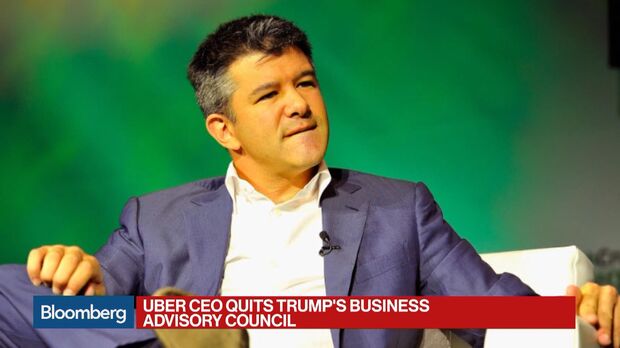
8. Uber Technologies, Inc.
CEO: Dara Khosrowshahi (succeeding Travis Kalanick)
Controversies: Travis Kalanick's leadership was marked by a toxic corporate culture, including allegations of sexism, sexual harassment, and unethical business practices. His aggressive management style and controversial decisions led to widespread criticism and his eventual resignation.
Product Popularity: Uber remains one of the most widely used ride-sharing platforms globally, with millions relying on its services for transportation and food delivery.
9. Hewlett-Packard (HP Inc.)
CEO: Enrique Lores
Controversies: HP has faced various leadership challenges, including controversies related to data privacy, environmental practices, and labor disputes. These issues have sometimes overshadowed the company’s technological advancements and product reliability.
Product Popularity: HP remains a stalwart in the technology sector, known for its computers, printers, and enterprise solutions, maintaining a strong customer base despite leadership controversies.
10. Boeing Company
CEO: David Calhoun (succeeding Dennis Muilenburg)
Controversies: Boeing has been under intense scrutiny following the 737 MAX disasters, which led to global grounding of the aircraft, questions about safety practices, and criticism of executive decision-making processes. These tragedies have had lasting impacts on the company's reputation and trust among consumers and stakeholders.
Product Popularity: Despite these setbacks, Boeing continues to be a leading manufacturer in the aerospace industry, with a robust order backlog and ongoing demand for its commercial and military aircraft.
Analyzing the Separation Between CEO Reputation and Consumer Choices
The examination of these companies highlights a critical pattern: consumers often prioritize the functional aspects of products and services over their perceptions of corporate leadership. Several factors contribute to this phenomenon:
1. Product Quality and Innovation
High-quality products that innovate and meet consumer needs tend to sustain and grow customer bases, even in the face of leadership controversies. For instance, Tesla's cutting-edge electric vehicles and autonomous driving technology attract customers interested in sustainability and technological advancement, independent of opinions about Elon Musk's personal conduct.
2. Brand Loyalty and Trust
Established brands with a history of reliability and trustworthiness can maintain consumer loyalty despite executive missteps. Brands like Apple and Microsoft, although not detailed in the examples above, similarly benefit from strong consumer trust that transcends individual leader controversies.
3. Availability of Alternatives
When consumers find that alternatives are limited or inferior, they may continue to support a brand despite controversies. For example, in the ride-sharing market, Uber remains a primary choice due to its extensive network and convenience, despite past leadership issues.
4. Limited Awareness
Not all consumers are fully aware of the nuances of executive controversies, allowing them to make purchasing decisions based solely on product experience rather than corporate leadership ethics.
5. Functional Necessity
For many, products and services fulfill essential needs, making them less likely to abandon a brand due to issues unrelated to product functionality. For instance, Yahoo Mail remains in use despite past data breaches because it serves as a necessary communication tool for many users.
The Broader Implications for Businesses and Consumers
The separation between consumer preference and CEO endorsement carries significant implications:
For Businesses:
Companies must recognize that while executive behavior can impact brand reputation, the core factors driving consumer loyalty often lie within the quality and reliability of their offerings. Strategic focus on product excellence, customer service, and innovation can help mitigate the adverse effects of leadership controversies.
For Consumers:
Understanding the distinction between supporting a product and supporting a CEO allows consumers to make more informed decisions. It encourages a more nuanced approach to brand loyalty, where ethical considerations are balanced with practical needs and experiences.
Conclusion
The assumption that Tesla owners universally support Elon Musk overlooks the complex dynamics of consumer behavior. By examining numerous large companies with controversial CEOs, it becomes clear that purchasing decisions are multifaceted and often independent of support for corporate leadership. Consumers prioritize factors such as product quality, innovation, reliability, and brand trust over the personal characteristics or actions of CEOs. This separation underscores a broader trend in the marketplace, where the value offered by products and services can transcend the reputational challenges faced by their leaders.
Ultimately, businesses must strive to maintain high standards in their offerings and corporate practices to sustain consumer trust, while consumers should engage in informed decision-making that considers both ethical and functional aspects of their purchases.
References
Last updated January 21, 2025