
Conceptual Framework: The Role of Convenience and Cost in Student Preferences for Food Delivery Platforms
Understanding the Key Variables and Their Interactions
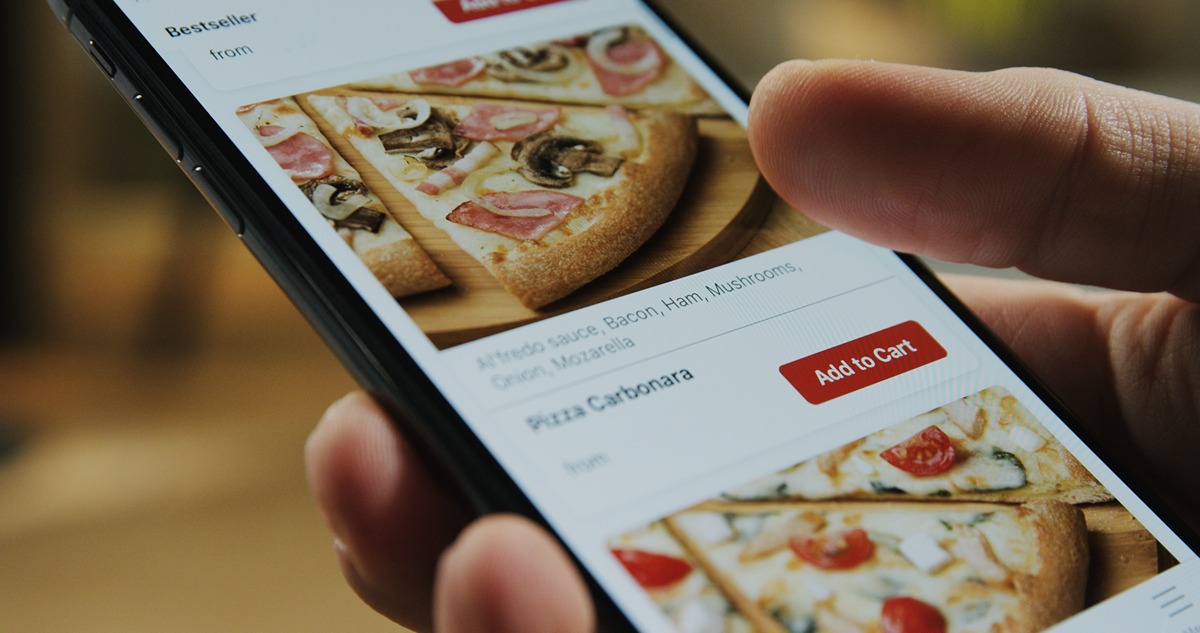
Key Highlights
- Convenience – Ease of ordering, rapid delivery, and integrated digital experiences are essential for busy student lifestyles.
- Cost – Budget constraints make competitive pricing, discounts, and overall cost structures a critical consideration.
- Mediators and Moderators – Service quality, menu diversity, digital experience, and peer influences shape the final choice.
Introduction to the Conceptual Framework
In the contemporary market of online food delivery, the convenience of ordering and the cost of services are two predominant factors influencing the choice of platforms among students. This framework synthesizes theoretical models and empirical studies to understand the interplay between these factors and how they drive student preferences. The framework not only highlights the direct impact of convenience and cost but also elucidates the mediating and moderating roles played by other variables such as service quality, menu variety, digital experience, and social influence. This comprehensive model offers insights into the various components that food delivery platforms must optimize to attract and retain the student demographic.
Framework Components
1. Independent Variables
Convenience
Convenience is defined as the overall ease and speed associated with accessing food delivery services. This encompasses several sub-factors:
- Delivery Speed: The time taken to deliver the food after an order is placed, with faster deliveries being a critical selling point for students who often have limited time between classes and other commitments.
- User Interface and Mobile Accessibility: An intuitive app or website that simplifies the ordering process can significantly enhance the user experience. Quick navigation and straightforward payment systems are essential aspects.
- Operational Simplicity: The ability to order with minimal process friction, clear instructions, and easy reordering, further fostering reliance on the service during peak academic periods.
Cost
Cost is a multi-dimensional construct that includes not only price per item but also associated fees and discounts. The economic sensitivities of students necessitate a focus on:
- Price Per Item: The direct cost of the food items; competitive pricing is crucial.
- Delivery Fees and Service Charges: Additional fees can be a deterrent. Transparent and low delivery fees contribute to the platform’s attractiveness.
- Discounts and Promotions: Regular and exclusive student discounts provide additional incentives by enhancing perceived value, helping to tip the scales in favor of a particular platform.
Moderating Influences
Service Quality and Digital Experience
Service Quality
The quality of service, which includes the accuracy of orders, condition of delivered food, and overall dependability, directly influences student satisfaction. A high level of service quality acts as a significant moderator, enhancing the perceived value of convenience and mitigating minor cost concerns.
Digital Experience
A user-friendly interface that offers personalization, quick response times, and seamless navigation can greatly improve the overall digital experience. This digital competency supports both aspects of convenience and cost-efficiency by reducing the time and effort invested in placing orders.
Additional Moderators and Mediators
Menu Diversity
The availability of a wide array of cuisines and dietary options helps cater to the diverse needs of a student population. Variability in menu offerings can serve to balance cost and convenience, ensuring that even on a limited budget, students have access to a range of healthy and appealing options.
Social and Peer Influences
Peer recommendations and social media trends often play a subtle but significant role. Positive word-of-mouth can amplify the perceived benefits of convenience and competitive pricing, further impacting platform loyalty.
Integrative Decision-Making Process
Input-Process-Output Model
The decision-making process employed by students when choosing a food delivery platform can be effectively described using an Input-Process-Output (IPO) model. In this model:
- Inputs: These consist of the independent variables of convenience and cost, encapsulated by factors such as ease of use, speed of delivery, competitive pricing, and the availability of discounts.
- Process: The cognitive decision-making stage, where students balance the inputs. During this stage, digital experience and service quality are weighed against the required expenditure. Studies indicate that students are likely to opt for platforms that deliver food quickly and reliably, provided that the cost does not exceed their budget constraints.
- Outputs: The resultant choice of a food delivery platform, reflecting the student’s preferences and satisfaction. This output is further influenced by mediators such as overall satisfaction and peer recommendations, which drive repeat usage and loyalty to the service.
The IPO framework thus provides a clear visualization of how students evaluate and select food delivery services, integrating both tangible and intangible factors.
Theoretical Models Underpinning the Framework
Technology Acceptance Model (TAM) and Theory of Planned Behavior (TPB)
Technology Acceptance Model (TAM)
The TAM model highlights that perceived ease of use and perceived usefulness are integral drivers of technology adoption. In the context of food delivery:
- Perceived Ease of Use: A seamless digital ordering process, fast response times, and user-friendly interfaces are central to this construct.
- Perceived Usefulness: This pertains to the practical benefits of the food delivery service such as time savings, cost efficiency, and the convenience of receiving food without physical constraints.
Theory of Planned Behavior (TPB)
TPB extends the framework by incorporating attitudes, subjective norms, and perceived behavioral control, all of which influence behavioral intentions. For students:
- Attitudes: The overall positive or negative evaluations of the food delivery service, shaped by past experiences and expectations.
- Subjective Norms: The influence exerted by peers, social media, and prevailing trends, which can significantly contribute to the decision-making process.
- Perceived Behavioral Control: The ease with which students believe they can access and utilize the platform effectively, factoring in both convenience and cost considerations.
Comprehensive Overview Using a Table
| Component | Description | Sub-factors |
|---|---|---|
| Convenience | The ease of ordering and receiving food. |
|
| Cost | The financial implications of ordering food. |
|
| Service Quality | Ensures accuracy, food quality, and reliability. |
|
| Digital Experience | User interface and personalization of the platform. |
|
| Social Influence | Peer and social media impact on platform preference. |
|
Implications for Food Delivery Platforms
The integrated framework clearly demonstrates that for food delivery platforms to be successful within the student market, they must adopt strategies that optimize both convenience and cost-effectiveness. This involves:
- Streamlining the ordering process by leveraging modern technology to create a fast, secure, and intuitive mobile application.
- Instituting competitive pricing strategies, including regular student discounts, bundled offers, and transparent delivery fee structures to attract the cost-sensitive demographic.
- Focusing on delivering high-quality service that includes accurate orders, timely deliveries, and maintaining food quality to enhance customer satisfaction and promote platform loyalty.
- Diversifying menus to cater to various dietary preferences, acknowledging cultural influences, and ensuring that the platform remains relevant to a broad range of culinary tastes.
- Enhancing the digital experience by integrating personalization features, ensuring the app remains responsive, and using data analytics to track preferences and improve service delivery.
With students facing tight schedules and budget constraints, these improvements not only meet their immediate needs for convenience and cost efficiency but also foster higher satisfaction levels that contribute to repeat usage and long-term loyalty.
Recommendations for Future Research and Business Strategies
While the framework provides a robust structure for understanding student preferences, continuous monitoring and research are crucial. Future studies could explore:
- How emerging technologies like AI and machine learning could personalize user experiences further and optimize delivery routes to enhance convenience.
- The long-term effects of promotional strategies on student loyalty, balancing initial cost savings with sustained service quality.
- The evolving social dynamics and peer influences in the digital age and their correlation with online consumer behavior.
- Comparative studies across different educational institutions and regions to assess which attributes are most valued by diverse student populations.
- The impact of external factors like economic shifts and public health considerations on student behaviors relative to cost and convenience.
References
- Factors and Preferences Affecting Undergraduate Students Selection - DOAJ
- Exploring Student Use of Food Delivery Apps - ResearchGate
-
Food Delivery App Usage Factors Among Young Adults - PMC
- College Meals: The Importance of Efficiency and Convenience - Grubhub
-
Young Adults’ Use of Mobile Food Delivery Apps - PMC
Recommended Queries for Further Exploration
Last updated March 17, 2025