
Participants in Fundamental Cooking Techniques Study
Detailed insights into the participants and methodologies for a culinary fundamentals study
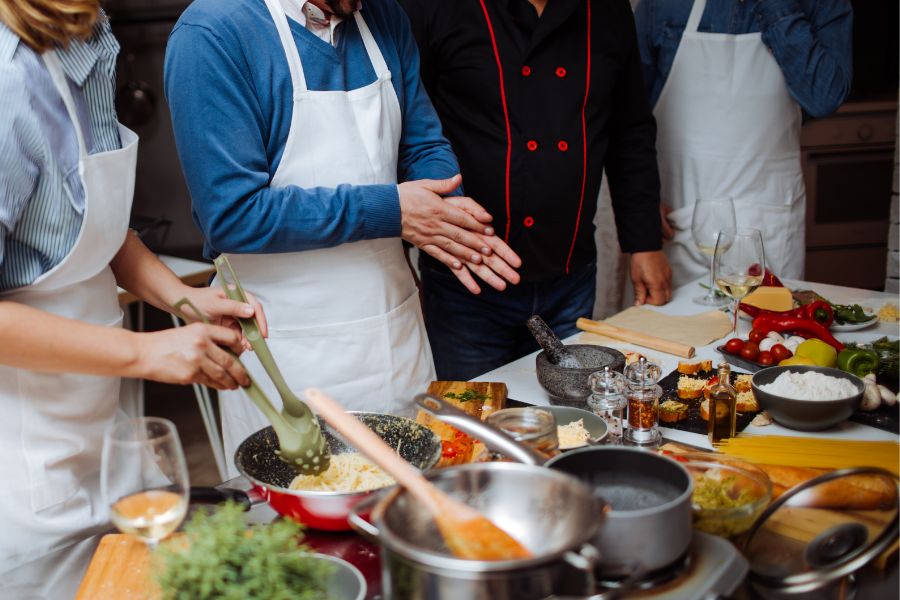
Key Highlights
- Participant Demographics: Understanding age, experience, and geographic location.
- Instructional Methods: Emphasis on hands-on practice and comparative learning strategies.
- Practical Assessments: Evaluating cooking techniques through structured, interactive demonstrations.
Understanding Participant Demographics
Target Audience Overview
The study titled "The Art of Fundamental Cooking: Analyzing Basic Culinary Techniques" is primarily designed for individuals who are at the early stages of their culinary journey. This audience typically comprises beginners who have limited to no formal training in cooking. Their primary motivation is to build a solid foundation in essential culinary skills that can lead to increased confidence and the ability to create a wide range of dishes.
In general, the participant criteria include the following demographic factors:
Age Range
Participants are generally within the age group of 18 to 35 years. This range reflects a focus on young adults and emerging professionals who are often experiencing a phase where learning fundamental life skills, including cooking, is particularly relevant. This demographic is typically open to experimenting with new ideas and techniques, which makes them ideal candidates for a comprehensive culinary study.
Geographical Location
The study tends to recruit participants mainly from urban and metropolitan areas. Urban residents usually have better access to diverse ingredients, modern kitchen amenities, and local culinary institutions. This geographical focus not only aligns with the availability of resources but also ensures that participants are within a context where culinary innovation and learning are highly encouraged.
Experience Level
The study is specifically targeted towards beginners with minimal or no professional experience in the culinary arts. These individuals might have basic exposure through home cooking or informal education, but they have not yet developed a comprehensive understanding of essential kitchen techniques. By focusing on this group, the study aims to bridge the gap between amateur cooking practices and professional culinary techniques.
Course Structure and Instructional Methods
Methodologies for Teaching Fundamental Techniques
Central to "The Art of Fundamental Cooking" study is the exploration of instructional methods that effectively impart essential culinary skills to beginners. The study examines pedagogical approaches that facilitate both theoretical understanding and practical application.
Hands-On Workshops
A significant component of the study involves practical, hands-on workshops. These interactive sessions are designed to allow participants to engage directly with core cooking techniques. Examples of these techniques include:
- Knife skills and ingredient preparation.
- Sautéing, boiling, frying, and baking.
- Advanced methods such as steaming, roasting, and grilling.
The hands-on approach ensures that learners not only observe the techniques but also practice them in a controlled environment. This method has been recognized for its effectiveness in enhancing retention and building confidence among participants.
Comparative Learning: In-Person vs. Online
The study also investigates the disparity and efficacy of various learning platforms. It evaluates the benefits of in-person classes against online tutorials and video demonstrations. In-person classes typically offer immediate feedback and direct interaction with chefs and instructors, while online platforms provide versatility and the convenience of self-paced learning.
By comparing these two modes of instruction, the study seeks to determine which method contributes more effectively to mastering fundamental cooking techniques. This critical evaluation is essential for developing a curriculum that maximizes learning outcomes.
Interactive Demonstrations and Skill Assessments
The study employs interactive demonstrations that allow participants to show their proficiency in real-time. For instance, participants might be tasked with preparing a specific dish using learned techniques while under observation. Assessments are then carried out through:
- Practical tests where instructors observe the consistency and precision of the techniques used.
- Periodic skills evaluations through structured tasks like chopping, sautéing, and flavor enhancement.
- Self-reported surveys that gauge personal growth and confidence levels in handling complex recipes.
This comprehensive approach not only reinforces the learning process but also provides quantitative and qualitative data for further refining culinary teaching methods.
Key Components of Culinary Techniques
Fundamental Areas Covered in the Study
In exploring the art of fundamental cooking, the study pays attention to several core techniques that act as building blocks for more advanced culinary practices. These components are critical both in theory and practice and are summarized in the table below:
| Component | Description | Importance |
|---|---|---|
| Knife Skills | Learning precise cutting, slicing, and dicing methods. | Ensures safety and efficiency, fundamental to all cooking processes. |
| Cooking Methods | Mastering techniques such as sautéing, grilling, roasting, boiling, and frying. | Determines texture, flavor, and appearance of dishes. |
| Ingredient Preparation | Understanding ingredient selection, seasoning, and pre-cooking preparation. | Establishes the foundation for balanced flavors and successful dishes. |
| Kitchen Safety and Hygiene | Maintaining cleanliness and proper procedures to prevent accidents. | Essential for a productive and safe cooking environment. |
| Food Presentation | Techniques in plating, garnishing, and visual enhancement. | Elevates the visual appeal and overall dining experience. |
This table underlines the comprehensive approach of the study, ensuring that each element contributes to a robust understanding of both basic and intermediate culinary techniques.
Evaluation Methods and Skill Measurements
Assessing Learning Outcomes
In addition to the instructional methods, the evaluation strategies implemented during the study are critical in measuring the participants’ progress and overall skill acquisition. The study utilizes a combination of practical demonstrations, skills tests, and self-assessments to gain a holistic view of participant performance.
Practical Demonstrations
Participants are required to perform live demonstrations where they implement one or more cooking techniques. The focus here is on:
- Real-time application of knife skills and ingredient preparation.
- Execution of cooking methods under time constraints.
- Presentation and finishing touches of the prepared dish.
Instructors provide immediate feedback, which is pivotal for correcting mistakes and reinforcing best practices.
Structured Skills Tests
Beyond live demonstrations, the study includes structured skills tests designed to measure specific aspects of fundamental culinary techniques. For example, one segment might involve participants preparing a set of vegetables using a particular knife technique spontaneously. Such tests are periodically administered to evaluate improvement and retention over time.
Self-Reported Surveys and Feedback
Self-assessment surveys are distributed throughout the course to capture the participants' personal reflections on their learning curve, confidence levels, and areas where they feel further instruction is needed. This qualitative feedback enables instructors and evaluators to make data-driven decisions regarding any adjustments in the course curriculum.
Additional Dimensions in the Study
Exploring Broader Educational Impact
While the fundamental focus of the study is on cooking techniques, it is equally invested in understanding the broader educational impact on the participants. Beyond mere technique acquisition, the study examines how this learning experience shapes a participant’s relationship with food, nutrition, and the overall culinary art.
Notably, the study considers the following dimensions:
- Long-Term Skill Retention: How regularly engaged practice and refresher sessions contribute to long-lasting culinary proficiency.
- Holistic Culinary Development: The integration of theory, actual cooking sessions, and nutrient-based cooking philosophies to foster a balanced culinary approach.
- Enhanced Creativity: Encouraging experimental approaches within the structured framework of fundamental techniques, thus allowing participants to innovate while adhering to essential guidelines.
In essence, these dimensions clarify that the study is not merely about teaching basic techniques; it is also about instilling a deeper appreciation for the craft of cooking, thereby setting a strong foundation for advanced culinary studies.
Comprehensive Overview Table
Summary of Participant Characteristics and Study Focus
| Aspect | Details |
|---|---|
| Age Range | 18-35 years, predominantly beginners and emerging professionals |
| Geographical Focus | Urban and metropolitan areas to ensure access to diverse culinary resources |
| Experience Level | Minimal to no formal culinary training, focusing on beginners |
| Key Learning Methods | Hands-on workshops, interactive demonstrations, and structured skill assessments |
| Instructional Platforms | Comparative analysis of in-person classes versus online tutorials |
| Evaluation Techniques | Practical demonstrations, periodic tests, and self-reported surveys |
| Additional Educational Impact | Fostering long-term retention, holistic culinary growth, and creative expression |
Practical Implications and Future Perspectives
Enhancing Culinary Education Through Detailed Participant Analysis
The insights gleaned from the study pave the way for designing more effective culinary education programs. By understanding the profile of participants and the efficacy of various instructional methods, culinary schools and training programs can tailor their curricula to meet the diverse needs of novice cooks.
For instance, the shift towards a blended learning model—integrating both physical classes and digital resources—can provide the flexibility required by today’s learners. This approach ensures that individuals from different backgrounds can access quality culinary education irrespective of their learning environment.
Furthermore, the systematic evaluation methods adopted within the study help in calibrating the instructional techniques in real-time. Such feedback loop mechanisms assist instructors in adjusting teaching methods, thereby creating a responsive and adaptive learning experience that not only improves culinary skills but also nurtures a lifelong love for cooking.
References
- Fundamentals of Cooking - Relish Cooking Studio
- Basics & Fundamentals Course - Journey Culinary Ltd
- Cooking Fundamentals: 8-week Culinary Bootcamp
- Techniques and Fundamentals - Well Done Cooking Classes
- The Basics of Cooking - Food Fanatic Chef
Related Queries

 foodfanaticchef.wordpress.com
Last updated March 14, 2025