
Copper-Aluminum Catalysts in Direct Conversion of Sugar to Ethanol
Exploring an Innovative Pathway to Sustainable Ethanol Production
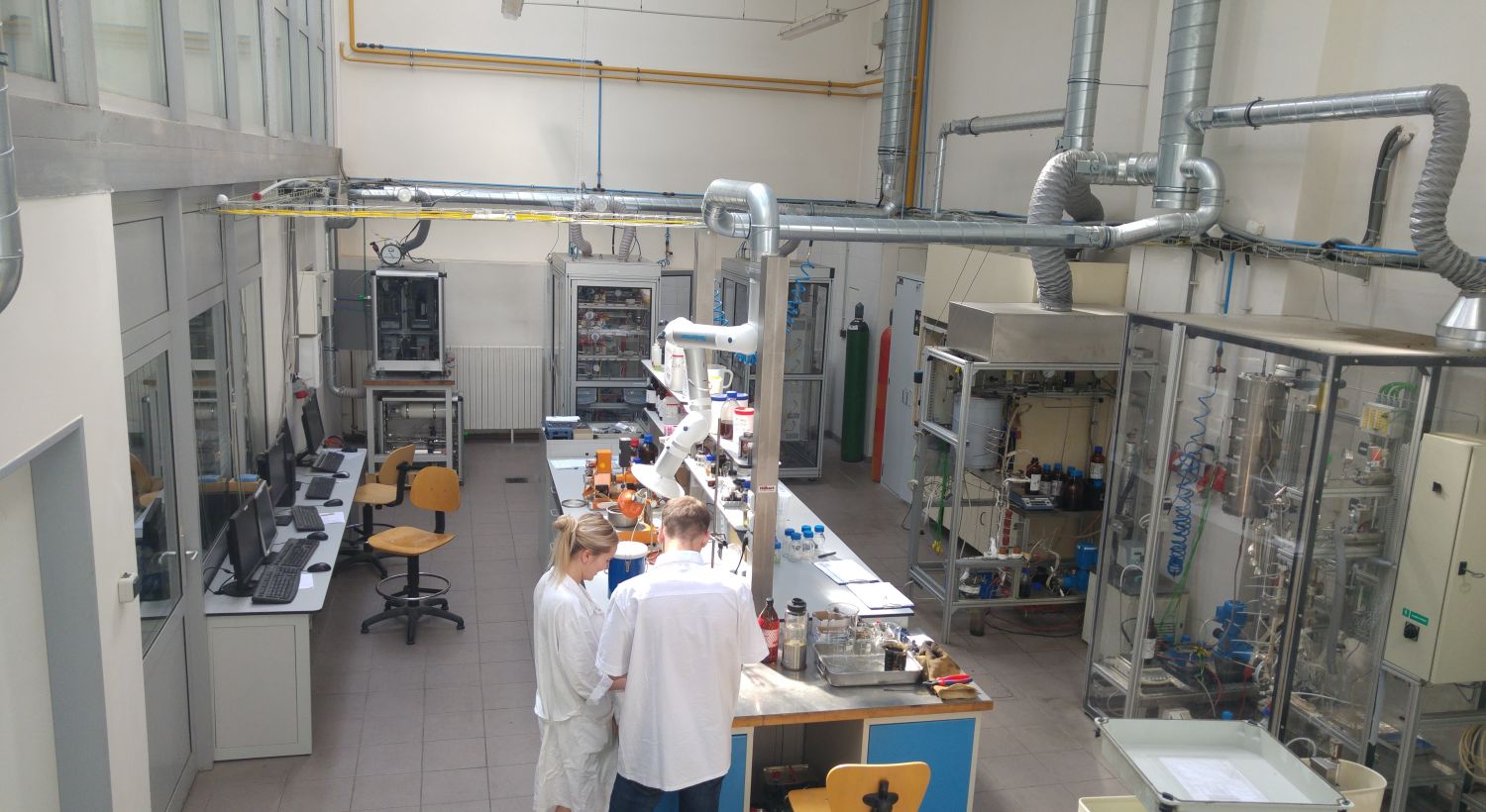
Key Highlights
- Efficient Catalysis: Copper-aluminum catalysts enable direct conversion of sugars to ethanol by facilitating both hydrogenation and dehydrogenation reactions.
- Simplified Process: This method bypasses the lengthy fermentation process, offering a more rapid and energy-efficient alternative.
- Sustainability: The technology shows promise for scalable, sustainable bioethanol production with high conversion efficiency and lower environmental impact.
Introduction
In the realm of renewable energy and green chemistry, converting biomass into usable fuels is a critical area of research. One promising approach involves the direct conversion of sugar to ethanol using copper-aluminum catalysts. This method presents an alternative to conventional fermentation and chemical synthesis techniques by streamlining the process of ethanol production. In this article, we explore the chemical basis, reaction mechanisms, advantages, challenges, and future research directions associated with copper-aluminum catalyzed conversion of sugars to ethanol.
Catalyst Composition and Preparation
Catalyst Components
Copper-aluminum catalysts combine the unique properties of transition metals to enable a controlled chemical environment where sugars such as glucose, fructose, sucrose, and mannose can be converted directly into ethanol. The catalysts are typically composed of copper oxide and aluminum oxide phases, which, upon reduction, yield active catalytic sites. The inclusion of aluminum not only stabilizes these sites but also enhances the overall activity by modifying the electronic and structural properties of the catalyst.
Additional Metal Additives
Beyond the primary copper and aluminum components, these catalysts can also involve other transition metals such as titanium, vanadium, chromium, manganese, iron, cobalt, nickel, zirconium, niobium, molybdenum, ruthenium, rhodium, palladium, silver, hafnium, tantalum, tungsten, rhenium, osmium, iridium, platinum, and gold. The integration of these metals is designed to target improved selectivity and stability under various reaction conditions.
Synthesis Methods
Several synthesis techniques are used to prepare copper-aluminum catalysts, including:
- Coprecipitation: This involves simultaneous precipitation of copper and aluminum precursors to form a homogenous mixed oxide.
- Impregnation: In this method, copper salts are impregnated onto an aluminum oxide support, creating a catalyst with high dispersion of copper active sites.
- Sol-Gel Synthesis: A method that produces uniform nanoparticles by transitioning from a molecular solution (sol) to a solid phase (gel), ensuring precise control over catalyst architecture.
Mechanism of Direct Sugar Conversion to Ethanol
Reaction Environment and Conditions
The conversion process generally takes place in a sulfate-fortified acid medium. This specialized reaction environment plays a crucial role by minimizing competing side reactions and improving overall conversion efficiency. The process is typically conducted at ambient or slightly elevated temperatures (often around 58°C) and can even be effective at relatively low temperatures (150-200°C in some studies).
Stepwise Reaction Pathway
The catalytic conversion using copper-aluminum catalysts encompasses several key steps:
Adsorption
Initially, sugar molecules adsorb onto the catalyst surface. This adsorption facilitates the necessary interactions between the organic substrate and the active metal sites.
Hydrogenation and Intermediate Formation
Upon adsorption, hydrogenation reactions occur at the active sites, leading to the formation of intermediate species such as sorbitol. The hydrogenation step is controlled carefully to favor pathways that lead to ethanol formation.
Dehydrogenation
Subsequently, the intermediate compounds undergo dehydrogenation, where the removal of hydrogen atoms ultimately forms ethanol. Minor byproducts like acetaldehyde and ethyl acetate can also occur depending on the precise reaction conditions and catalyst properties.
The overall reaction can be represented schematically as:
\( \text{\( \text{Sugar} \rightarrow \text{Hydrogenation Intermediate} \rightarrow \text{Ethanol} + \text{Byproducts} \)} \)
Process Advantages and Applications
Efficiency and Yield
One of the most promising aspects of using copper-aluminum catalysts for this process is the high conversion efficiency. Some studies have reported conversion rates exceeding 70%, while yields of ethanol as high as 90% in optimally designed systems have been observed. This high efficiency is a result of the effective synergy between copper and aluminum, where the aluminum component helps in stabilizing the highly active copper sites, thereby reducing catalyst deactivation.
Simplification of Production Process
Unlike traditional bioethanol production that involves multiple steps such as biomass pretreatment, hydrolysis, fermentation, and distillation, the direct catalytic conversion process significantly simplifies the overall operation. By directly converting sugar to ethanol in a single step, the process reduces energy consumption and lowers production costs. Additionally, by bypassing lengthy fermentation cycles, this method accelerates production timelines, making it highly attractive for large-scale industrial applications.
Sustainability and Feedstock Utilization
The process offers a pathway to sustainable bioethanol production, especially by utilizing feedstocks that might not be ideal for fermentation. In scenarios where traditional fermentation struggles – due to feedstock impurities or complex carbohydrate profiles – the catalytic process can still achieve high yields. This versatility not only improves resource management but also supports the use of agricultural residues and non-food biomass for energy production.
Challenges and Future Research Directions
Catalyst Stability and Scalability
Despite its promising advantages, several technical hurdles still need to be addressed. Catalyst deactivation is one of the critical challenges encountered during the direct conversion process. Factors such as prolonged exposure to reactive intermediates, temperature fluctuations, and sintering can deteriorate the catalyst’s performance over time. Research is currently focusing on strategies to enhance the durability of copper-aluminum catalysts through improved synthesis methods and the incorporation of additional stabilizing agents.
Side Product Formation
The catalytic pathway may occasionally lead to the formation of unwanted byproducts like methanol, ethylene glycol, or acetaldehyde. While these byproducts are sometimes valuable in other contexts, their presence in ethanol production can complicate purification processes. Developing methods to control reaction kinetics and optimize catalyst formulations remains an active research area, aimed at ensuring maximum ethanol selectivity.
Optimization of Reaction Conditions
Fine-tuning the reaction conditions such as temperature, pressure, and the concentration of the sulfate-fortified acid medium is crucial for maximizing efficiency. Adjusting these parameters can significantly influence both the conversion rate and the yield of ethanol. Future research involves the use of computational modeling and experimental design to identify the optimal operating conditions, which will facilitate the transition from laboratory-scale experiments to industrial processes.
Comprehensive Overview: Process Parameters and Outcomes
To provide a clearer picture of the process, the table below summarizes key parameters associated with the direct conversion of sugars to ethanol using copper-aluminum catalysts.
| Parameter | Description | Typical Values/Conditions |
|---|---|---|
| Catalyst Composition | Primarily copper and aluminum oxides with potential additives like Ti, V, Mn, etc. | Cu: 0.5-0.8; Al: 0.04-0.16 (weight fractions in some systems) |
| Reaction Medium | Sulfate-fortified acid medium to stabilize reactions | Typically aqueous acid solutions |
| Temperature | Low to moderate temperatures suitable for effective conversion | Ambient to 150-200°C |
| Conversion Efficiency | Percentage of sugar converted to ethanol | Over 70% conversion; ethanol yields up to 90% in optimized set-ups |
| Process Type | Direct catalytic conversion versus fermentation | Single-step conversion |
Research Progress and Industrial Implications
The growing interest in copper-aluminum catalysts for bioethanol production reflects a broader movement towards more sustainable and cost-effective renewable energy solutions. Research studies, patents, and industrial trials have collectively contributed to a better understanding of catalytic mechanisms and process efficiencies. The ability to adapt these catalysts to various substrates, including non-food biomass, presents significant opportunities for reducing the competition between energy production and food resources.
In addition to the laboratory findings, pilot-scale experiments have demonstrated the feasibility of integrating direct catalytic conversion techniques within existing industrial infrastructures. This integration is expected to drastically reduce operational complexity and energy inputs compared to traditional ethanol production methods. With global initiatives focusing on green technologies and carbon reduction, advancements in catalyst design are poised to play a pivotal role in the future biofuel landscape.
References
- Direct Catalytic Conversion of Sugars to Ethanol - Google Patents
- Direct Catalytic Conversion of Sugars to Ethanol - Google Patents
-
Investigation of Al Precursor for Ethanol Synthesis - ScienceDirect
-
Ethanol Dehydrogenative Reactions with Cu Catalysts - NCBI
- Manipulating C-C Coupling Pathways - Nature
Recommended Additional Queries
Last updated March 21, 2025