
Exploring the Essential Role of Copper in Human Health
Understanding a Vital Trace Mineral for Bodily Functions
Copper is a fundamental trace mineral indispensable for numerous physiological processes within the human body. Although required in relatively small amounts, its presence is critical for maintaining overall health, from cellular energy production to the intricate workings of the nervous system and immune defense. This comprehensive overview delves into the specifics of copper, covering its basic terminology, diverse functions, dietary sources, metabolic pathways, recommended intake, and the health consequences associated with inadequate or excessive consumption.
Key Insights into Copper
- Essential Functions: Copper is vital for producing red blood cells, forming connective tissue, maintaining nerve function, supporting immune health, and aiding in iron absorption and metabolism.
- Rich Food Sources: Excellent dietary sources include organ meats, shellfish, nuts, seeds, whole grains, and chocolate. A balanced diet usually provides sufficient amounts.
- Impact of Deficiency: Although rare in healthy individuals, deficiency can lead to anemia, neurological problems (weakness, numbness, coordination issues), bone abnormalities, and impaired immune function.
Understanding Copper Terminology
Copper, denoted by the chemical symbol Cu and atomic number 29, is classified as an essential trace mineral. This means it is required by the body in very small quantities for normal growth, development, and function. In biological systems, copper primarily exists in two oxidation states: cuprous (Cu¹⁺) and cupric (Cu²⁺). The ability to easily interconvert between these states is fundamental to its role as a redox catalyst in various enzymatic reactions.
A key protein involved in copper transport in the bloodstream is ceruloplasmin. Measuring levels of copper and ceruloplasmin in the blood is often used to assess copper status, although a definitive biomarker for moderate deficiency remains an area of research. The body contains approximately 50-120 mg of copper in total, with about two-thirds found in the skeleton and muscle tissue, while the liver plays a central role in its regulation and storage.
Diverse and Vital Functions of Copper
Copper is a cofactor for many enzymes, meaning it is necessary for these enzymes to perform their specific biochemical reactions. These enzymatic roles underpin copper's wide range of functions throughout the body. Its ability to cycle between its oxidation states allows it to participate in crucial electron transfer and oxygen transport processes.
Core Physiological Roles
One of the most well-established functions of copper is its involvement in iron metabolism and red blood cell formation. Copper works synergistically with iron to ensure its proper absorption from the gut, mobilization from storage sites, and incorporation into hemoglobin, the molecule in red blood cells that carries oxygen. Adequate copper status is essential for preventing iron-deficient anemia, and some anemias unresponsive to iron therapy can be corrected with copper supplementation.
Copper is also critical for energy production. It is a component of cytochrome c oxidase, the terminal enzyme in the electron transport chain within mitochondria, which is the primary pathway for generating ATP, the body's energy currency, through aerobic respiration.
Structural and Protective Functions
The mineral plays a significant role in maintaining the integrity and structure of various tissues. It is required for the synthesis and cross-linking of collagen and elastin, key proteins that provide strength and elasticity to connective tissues found in skin, bones, blood vessels, and lungs. This function contributes to healthy bones, blood vessel elasticity, and lung function.
Copper-dependent enzymes are also involved in antioxidant defense, helping to neutralize harmful free radicals that can damage cells. This protective role contributes to overall cellular health and may play a part in reducing oxidative stress.
Support for Nervous and Immune Systems
Copper is essential for the health and function of the nervous system. It is involved in the production of neurotransmitters and the formation of myelin, the protective sheath around nerve fibers. It contributes to neuroendocrine function, brain development, memory, and learning processes.
The immune system also relies on adequate copper for optimal function. Copper helps maintain the health of immune cells, contributing to the body's defense against infections.
Other Important Roles
Beyond these major functions, copper is involved in angiogenesis (the formation of new blood vessels), regulation of heart rate and blood pressure, production of melanin (the pigment in skin and hair), and regulation of gene expression.
Primary Dietary Sources of Copper
Copper is found in a wide variety of plant and animal foods. Incorporating a diverse diet is the best way to ensure adequate intake of this essential mineral.
Some of the richest sources include organ meats (such as liver) and shellfish. Other significant sources include nuts and seeds, whole grains, legumes, dried fruits, and dark chocolate. Certain fruits and vegetables also contain copper, though generally in lower amounts than the sources listed above. Tap water can also contribute to copper intake, particularly in areas with copper plumbing, though using cold water after letting it run for a few moments is recommended to minimize potential exposure to excess copper that may have leached from pipes.
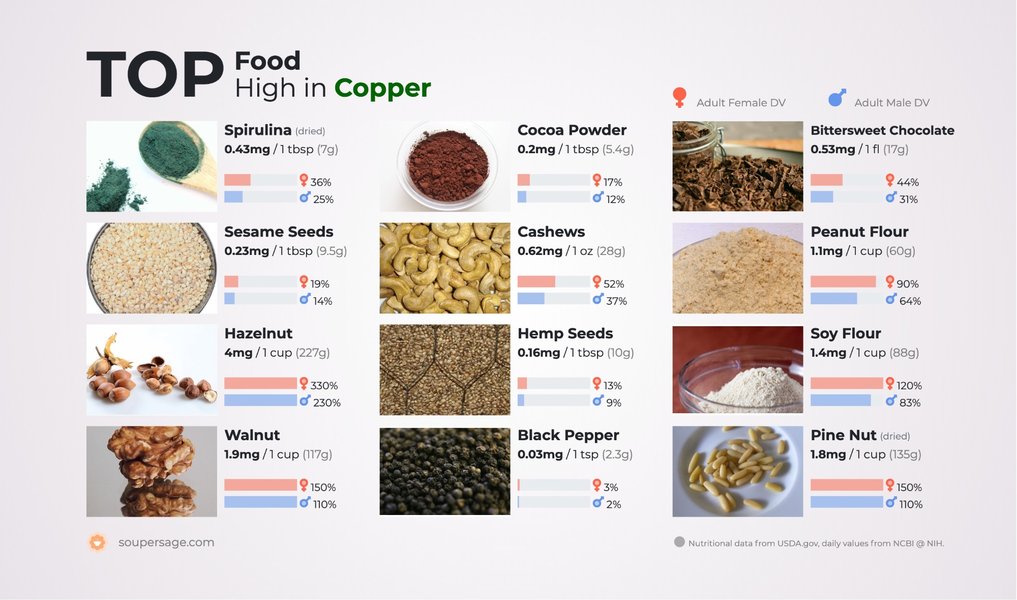
Visualizing Foods High in Copper
This image showcases a selection of foods known for their high copper content, including pumpkin seeds, cashews, lentils, and mushrooms, illustrating the variety available from plant-based sources.

Diverse Copper Sources
Another visual representation featuring foods such as seafood (oysters, shrimp), nuts (almonds), seeds (sesame), and dark chocolate, highlighting both animal and plant sources of copper.
Here is a table summarizing key food categories that are good sources of copper:
| Food Category | Examples | Notes |
|---|---|---|
| Organ Meats | Liver (Beef, Lamb, Pork) | Among the richest sources |
| Shellfish | Oysters, Crab, Lobster, Mussels | Excellent source |
| Nuts and Seeds | Cashews, Almonds, Sesame Seeds, Sunflower Seeds, Pumpkin Seeds | Good plant-based sources |
| Legumes | Lentils, Chickpeas, Kidney Beans | Contribute to intake |
| Whole Grains | Oats, Quinoa, Whole Wheat Pasta/Bread | Provide varying amounts |
| Chocolate | Dark Chocolate | Higher cocoa content means more copper |
| Mushrooms | Various types | Contribute to daily intake |
The table above categorizes common dietary sources, making it easier to identify foods to include in your diet for adequate copper intake.
Digestion, Absorption, and Utilization
Dietary copper is primarily absorbed in the stomach and the proximal (upper) part of the small intestine, particularly the duodenum. The efficiency of absorption can vary depending on the form of copper consumed and the presence of other dietary factors. For instance, high intake of zinc can interfere with copper absorption because both minerals compete for the same transport pathways in the gut.
Once absorbed, copper is transported in the blood, initially bound to albumin and amino acids, to the liver. The liver is the main organ for copper metabolism and storage, playing a crucial role in maintaining copper homeostasis (balance). In the liver, copper is incorporated into various proteins, including ceruloplasmin, the major copper-carrying protein in the blood, which transports copper to other tissues.
Copper is utilized by cells throughout the body as a cofactor for numerous enzymes involved in energy metabolism, antioxidant defense, connective tissue synthesis, and neurotransmitter production, among others. Most copper is eventually excreted from the body via bile, which is released into the digestive tract and eliminated in feces. A smaller amount is excreted in urine. This tightly regulated process ensures that the body maintains appropriate copper levels.
Individual Requirements and Recommended Intake
As an essential nutrient, there are established guidelines for recommended daily copper intake to ensure optimal health for different age groups and life stages. These guidelines, such as the Recommended Dietary Allowance (RDA) and Adequate Intake (AI) in the Dietary Reference Intakes (DRIs), are set by health authorities like the Food and Nutrition Board at the National Academies of Sciences, Engineering, and Medicine.
Recommended Daily Allowances (RDAs)
- For adult men and women aged 19 to 70 years, the RDA for copper is 0.9 milligrams (mg) or 900 micrograms (mcg) per day.
- Pregnant women require slightly more, with an RDA of 1.0 mg (1000 mcg) per day.
- Nursing mothers have the highest requirement at 1.3 mg (1300 mcg) per day to support milk production.
- For children and adolescents (aged 9-18), the RDA ranges from 0.7 mg to 0.89 mg per day, depending on the specific age group.
The average daily intake of copper in typical diets for adults in countries like the United States is estimated to be around 1.1 to 1.4 mg per day, which generally meets or exceeds the RDA for most individuals. However, studies indicate that a notable percentage of the population might have intakes below the estimated average requirement (EAR), particularly among those not taking dietary supplements containing copper. Despite this, true clinical copper deficiency is considered rare in healthy individuals consuming a balanced diet.
Impact of Intake Levels: Deficiency and Excess
Maintaining adequate copper status is crucial; both deficiency and excessive intake can lead to adverse health effects.
Effects of Copper Deficiency
Although uncommon in the general healthy population, copper deficiency can occur due to specific risk factors, including:
- Malabsorption disorders (e.g., celiac disease, Crohn's disease).
- History of bariatric surgery, which alters nutrient absorption.
- High supplemental intake of zinc, which interferes with copper absorption.
- Prolonged or severe malnutrition.
- Certain genetic disorders, such as Menkes syndrome, which impairs intestinal copper absorption.
- Premature infants who may not receive sufficient copper.
The symptoms of copper deficiency can be varied and may overlap with those of other conditions, making diagnosis challenging. Common manifestations include:
- Hematological Issues: Anemia (often microcytic, normocytic, or macrocytic) that may not respond to iron treatment, and neutropenia (low white blood cell count), increasing susceptibility to infections. Thrombocytopenia (low platelet count) is less common.
- Neurological Problems: These are often significant and can include myelopathy (spinal cord dysfunction), peripheral neuropathy (numbness, tingling, burning pain, weakness in extremities), impaired coordination (ataxia), muscle weakness, memory problems, difficulties walking, confusion, irritability, and mild depression. Neurological symptoms may take time to develop (even years after bariatric surgery) and may not fully resolve with copper supplementation if treatment is delayed. Copper deficiency myelopathy can mimic vitamin B12 deficiency.
- Connective Tissue and Bone Abnormalities: Weak and brittle bones, osteoporosis, increased risk of fractures, and issues with the integrity of blood vessels and lungs (e.g., aneurysms in deficient children).
- Pigmentation Changes: Hypopigmentation of the skin and premature graying of hair.
- Other Symptoms: Fatigue, general weakness, increased sensitivity to cold, low body temperature, irregular heartbeat, and potential thyroid problems.
Diagnosis typically involves assessing symptoms, patient history (including diet, supplements, surgeries), and blood tests for copper and ceruloplasmin levels. However, blood levels alone are not always definitive.
Understanding the Benefits of Copper via Video
This embedded video explores some of the significant health benefits associated with adequate copper intake, providing a visual and auditory summary of its important functions in the body. It touches upon how copper contributes to energy, immunity, and other vital processes, reinforcing the importance of meeting daily requirements.
Effects of Excessive Copper Intake (Toxicity)
Copper toxicity is far less common than deficiency in healthy individuals, primarily because the body has efficient mechanisms to regulate and excrete excess copper, mainly through bile. However, toxicity can occur from:
-
Ingestion of high doses of copper supplements.
-
Consumption of food or beverages contaminated with high levels of copper (e.g., acidic foods stored in uncoated copper containers).
-
Genetic disorders that impair copper excretion, such as Wilson disease.
Wilson disease is a severe inherited disorder where copper accumulates in various organs, particularly the liver, brain, and eyes, leading to liver damage, neurological symptoms (like dystonia and cognitive impairment), and psychiatric issues.
Acute copper toxicity symptoms from high single doses can include vomiting, diarrhea, abdominal pain, nausea, and headache. Chronic exposure to high levels can lead to liver damage, kidney damage, and neurological issues.
The Tolerable Upper Intake Level (UL) for copper for adults aged 19 years and older is set at 10 mg (10,000 mcg) per day. This level represents the maximum daily intake unlikely to cause adverse health effects in most individuals. This UL generally only applies to intake from supplements and medications, as high intake from food alone is rare.
Frequently Asked Questions about Copper
Is copper deficiency common?
Clinical copper deficiency is rare in healthy individuals consuming a balanced diet. However, it is more likely to occur in specific populations, such as those with malabsorption issues, a history of bariatric surgery, very high zinc intake from supplements, or certain genetic disorders like Menkes syndrome. Some surveys suggest a portion of the population may have intakes below the estimated average requirement, but this doesn't always translate to clinical deficiency symptoms.
Can I get enough copper from food alone?
Yes, most healthy individuals can obtain sufficient copper by eating a varied diet that includes good sources like organ meats, shellfish, nuts, seeds, legumes, and whole grains. Dietary supplements containing copper are available but are usually not necessary unless there is a diagnosed deficiency or a medical condition impairing absorption.
What is the relationship between copper and iron?
Copper and iron are closely linked in the body. Copper is essential for the absorption, transport, and utilization of iron. Without enough copper, the body cannot properly use iron to make red blood cells, which can lead to anemia, even if iron intake is adequate. Copper-deficient anemia is unresponsive to iron therapy alone but improves with copper supplementation.
Is there a genetic link to copper status?
Yes, there are rare genetic disorders that significantly impact copper metabolism. Menkes syndrome is a severe disorder causing impaired copper absorption and transport, leading to profound copper deficiency. Wilson disease is another genetic disorder causing impaired copper excretion, resulting in toxic accumulation of copper in the body.
References
Last updated April 18, 2025